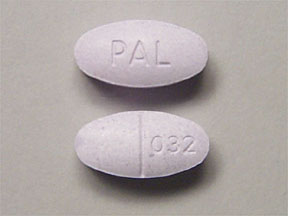
Acetaminophen / Caffeine / Dihydrocodeine Side Effects
Medically reviewed by Drugs.com. Last updated on Nov 23, 2023.
Applies to acetaminophen / caffeine / dihydrocodeine: oral capsule, oral tablet.
Important warnings
This medicine can cause some serious health issues
Precautions
It is very important that your doctor check your progress while you are using this medicine, especially within the first 24 to 72 hours of treatment. This will allow your doctor to see if the medicine is working properly and to decide if you should continue to take it.
Do not use this medicine if you are using or have used an MAO inhibitor (MAOI) such as isocarboxazid [Marplan®], linezolid [Zyvox®], phenelzine [Nardil®], selegiline [Eldepryl®], tranylcypromine [Parnate®]) within the past 14 days.
This medicine will add to the effects of alcohol and other central nervous system (CNS) depressants (medicines that can make you drowsy or less alert). Some examples of CNS depressants are antihistamines or medicine for hay fever, allergies, or colds, sedatives, tranquilizers, or sleeping medicine, prescription pain medicine or narcotics, medicine for attention deficit and hyperactivity disorder, medicine for seizures or barbiturates, muscle relaxants, or anesthetics (numbing medicines), including some dental anesthetics. Also, there may be a greater risk of liver damage if you drink 3 or more alcoholic beverages while you are taking acetaminophen. Do not drink alcoholic beverages. Check with your doctor before taking any of these medicines while you are using this medicine.
This medicine may be habit-forming. If you feel that the medicine is not working as well, do not use more than your prescribed dose. Call your doctor for instructions.
If you think you or someone else may have taken an overdose of this medicine, get emergency help at once. Signs of an overdose include: dark urine, difficult or troubled breathing, irregular, fast or slow, or shallow breathing, nausea or vomiting, pain in the upper stomach, pale or blue lips, fingernails, or skin, pinpoint pupils of the eyes, or yellow eyes or skin.
Codeine is changed to morphine in the body. Some people change codeine to morphine more quickly than others. These individuals are called "ultra-rapid metabolizers of codeine". Contact your doctor immediately if you experience extreme sleepiness, confusion, or shallow breathing. These symptoms may indicate that you are an "ultra-rapid metabolizer of codeine". As a result, there is too much morphine in the body and more side effects of morphine than usual. Children may be especially sensitive to this effect. Do not give this medicine to:
- Children younger than 12 years of age.
- Children younger than 18 years of age who have had surgery removal of tonsils or adenoids.
- Children 12 to 18 years of age who have a high risk for breathing problems (eg, obstructive sleep apnea, obesity, lung disease).
If a nursing mother is an ultra-rapid metabolizer of codeine, it could lead to a morphine overdose in the nursing baby and cause very serious side effects.
For nursing mothers taking this medicine:
- Talk to your doctor if you have any questions about taking codeine or about how this medicine may affect your baby.
- Call your doctor if you become extremely tired and have difficulty caring for your baby.
- Your baby should generally nurse every 2 to 3 hours and should not sleep for more than 4 hours at a time.
- Check with your doctor, hospital emergency room, or local emergency services (eg, "call 9-1-1") right away if your baby shows signs of increased sleepiness (more than usual), difficulty breastfeeding, difficulty breathing, or limpness. These may be symptoms of an overdose and need immediate medical attention.
Dizziness, lightheadedness, or fainting may occur when you get up suddenly from a lying or sitting position. Getting up slowly may help. Also, lying down for a while may relieve dizziness or lightheadedness.
This medicine may make you dizzy, drowsy, confused, or disoriented. Do not drive or do anything else that could be dangerous until you know how this medicine affects you.
Using narcotics for a long time can cause severe constipation. To prevent this, your doctor may direct you to take laxatives, drink a lot of fluids, or increase the amount of fiber in your diet. Be sure to follow the directions carefully, because continuing constipation can lead to more serious problems.
Do not change your dose or suddenly stop using this medicine without first checking with your doctor. Your doctor may want you to gradually reduce the amount you are using before stopping it completely. This may help prevent worsening of your condition and reduce the possibility of withdrawal symptoms, such as convulsions (seizures), hallucinations, stomach or muscle cramps, tremors, or unusual behavior.
Using this medicine while you are pregnant may cause serious unwanted effects, including neonatal withdrawal syndrome in your newborn baby. Tell your doctor right away if you think you are pregnant or if you plan to become pregnant while using this medicine.
Check with your doctor right away if you have pain or tenderness in the upper stomach, pale stools, dark urine, loss of appetite, nausea, unusual tiredness or weakness, or yellow eyes or skin. These could be symptoms of a serious liver problem.
This medicine may cause serious allergic reactions, including anaphylaxis, or certain skin conditions (Stevens-Johnson syndrome). These reactions can be life-threatening and require immediate medical attention. Call your doctor right away if you have a rash, itching, blistering, peeling, or loosening of the skin, fever or chills, trouble breathing or swallowing, or any swelling of your hands, face, mouth, or throat while you are using this medicine.
Check with your doctor right away if you have anxiety, restlessness, a fast heartbeat, fever, sweating, muscle spasms, twitching, nausea, vomiting, diarrhea, or see or hear things that are not there. These may be symptoms of a serious condition called serotonin syndrome. Your risk may be higher if you also take certain other medicines that affect serotonin levels in your body.
Using too much of this medicine may cause reduced infertility (unable to have children). Talk with your doctor before using this medicine if you plan to have children. '
Do not take other medicines unless they have been discussed with your doctor. This includes prescription or nonprescription (over-the-counter [OTC]) medicines and herbal or vitamin supplements.
Serious side effects
Along with its needed effects, acetaminophen / caffeine / dihydrocodeine may cause some unwanted effects. Although not all of these side effects may occur, if they do occur they may need medical attention.
Check with your doctor immediately if any of the following side effects occur while taking acetaminophen / caffeine / dihydrocodeine:
More common side effects
- bleeding gums
- blood in the urine or stools
- bloody, black, or tarry stools
- chest pain
- chills
- clay colored stools
- cough
- dark urine
- decreased appetite
- dizziness
- drowsiness
- fever
- headache
- high fever
- itching or skin rash
- lightheadedness
- loss of appetite
- nausea
- painful or difficult urination
- pale skin
- pinpoint red spots on the skin
- sore throat
- sores, ulcers, or white spots on the lips or in the mouth
- stomach pain or tenderness
- swelling of the feet or lower legs
- swollen glands
- unexplained or unusual bleeding or bruising
- unusual tiredness or weakness
- vomiting
- yellow eyes or skin
Rare side effects
- agitation
- confusion
- decreased urine output
- difficulty with swallowing
- fast heartbeat
- hives
- hostility
- irritability
- loss of consciousness
- muscle twitching
- puffiness or swelling of the eyelids or around the eyes, face, lips, or tongue
- rapid weight gain
- seeing, hearing, or feeling things that are not there
- seizures
- stupor
- swelling of the face, ankles, or hands
- tightness in the chest
- unusual drowsiness, dullness, or feeling of sluggishness
Incidence not known
- cold sweats
- darkening of the skin
- decrease in the frequency of urination
- decrease in the urine volume
- difficult or troubled breathing
- difficulty in passing urine (dribbling)
- dizziness, faintness, or lightheadedness when getting up from lying or sitting position
- fainting
- irregular, fast or slow, or shallow breathing
- overactive reflexes
- pale or blue lips, fingernails, or skin
- poor coordination
- shivering
- talking or acting with excitement you cannot control
- trembling or shaking
Other side effects
Some side effects of acetaminophen / caffeine / dihydrocodeine may occur that usually do not need medical attention. These side effects may go away during treatment as your body adjusts to the medicine. Also, your health care professional may be able to tell you about ways to prevent or reduce some of these side effects.
Check with your health care professional if any of the following side effects continue or are bothersome or if you have any questions about them:
More common side effects
- difficulty having a bowel movement
- relaxed and calm feeling
- sleepiness
Incidence not known
- constricted, pinpoint, or small pupils (black part of the eye)
- diarrhea
- dry mouth
- gas in the stomach
- heartburn
See also:
Paracetamol
Paracetamol (Panadol, Calpol, Alvedon) is a widely used over-the-counter painkiller and fever ...
Tylenol
Tylenol is a pain reliever and a fever reducer used to treat many conditions such as headaches ...
Botox
Botox is used cosmetically to reduce facial lines and wrinkles and for medical purposes for ...
Naproxen
Naproxen is a nonsteroidal anti-inflammatory drug used to treat pain or inflammation caused by ...
Oxycodone
Oxycodone is an opioid analgesic used to treat moderate to severe pain; it has a high potential for ...
Cyclobenzaprine
Cyclobenzaprine is a muscle relaxant and works by blocking pain sensations. Includes ...
Hydroxyzine
Hydroxyzine is an antihistamine used to treat itching, hives, and anxiety. It also acts as a ...
Meloxicam
Meloxicam is a nonsteroidal anti-inflammatory drug used to treat pain or inflammation caused by ...
Tramadol
Tramadol is an opioid medication that may be used to treat moderate to moderately severe chronic ...
For healthcare professionals
Applies to acetaminophen / caffeine / dihydrocodeine: oral capsule, oral tablet.
General adverse events
The most frequently expected adverse reactions based on the individual components may include lightheadedness, dizziness, drowsiness, sedation, nausea, vomiting, constipation, pruritus and skin reactions.[Ref]
Hepatic
Acetaminophen:
- Frequency not reported: Hepatotoxicity[Ref]
Respiratory
Dihydrocodeine:
- Frequency not reported: Respiratory depression, cough suppression[Ref]
Psychiatric
Dihydrocodeine:
- Frequency not reported: Confusion, physical and psychological dependence, hallucinations vivid dreams
Caffeine:
- Frequency not reported: Anxiety, anxiety neurosis, excitement, insomnia, irritability, restlessness, tenseness[Ref]
Dermatologic
Dihydrocodeine:
- Frequency not reported: Sweating, pruritus, skin reactions
Acetaminophen:
- Rare (less than 0.1%): Serious skin reactions such as acute generalized exanthematous pustulosis (AGEP), Stevens-Johnson Syndrome (SJS), toxic epidermal necrolysis (TEN)
Caffeine:
- Frequency not reported: Urticaria[Ref]
Hypersensitivity
Dihydrocodeine:
- Frequency not reported: Anaphylactoid reactions, hypersensitivity reactions
Acetaminophen:
- Rare (less than 0.1%): Anaphylactoid reactions
- Frequency not reported: Hypersensitivity reactions including urticarial or erythematous skin reactions, laryngeal edema, angioedema[Ref]
Nervous system
- Postmarketing reports: Serotonin syndrome
Dihydrocodeine:
- Rare (less than 0.1%): Narcosis
- Frequency not reported: Lightheadedness, dizziness, drowsiness, sedation, headache
Caffeine:
- Frequency not reported: Headaches, lightheadedness, tremor[Ref]
Renal
Dihydrocodeine:
- Rare (less than 0.1%): Acute renal failure
- Frequency not reported: Granulomatous interstitial nephritis
Caffeine:
- Frequency not reported: Diuresis[Ref]
Cardiovascular
Dihydrocodeine:
- Frequency not reported: Orthostatic hypotension
Caffeine:
- Frequency not reported: Extrasystoles, palpitations, tachycardia[Ref]
Endocrine
- Postmarketing reports: Adrenal insufficiency
Opioids:
- Frequency not reported: Androgen deficiency[Ref]
Chronic opioid use may influence the hypothalamic-pituitary-gonadal axis and lead to androgen deficiency; however, the causal role of opioids is unknown due to the lack of studies into the many medical, physical, lifestyle, and psychological stressors that influence gonadal hormone levels.[Ref]
Gastrointestinal
Dihydrocodeine:
- Frequency not reported: Nausea, vomiting, constipation, abdominal pain, diarrhea, dry mouth, indigestion, spasm of biliary tract
Caffeine:
- Frequency not reported: Diarrhea, nausea, stomach pain, vomiting[Ref]
Genitourinary
Dihydrocodeine:
- Frequency not reported: Urinary retention[Ref]
Hematologic
Acetaminophen:
- Frequency not reported: Thrombocytopenia, leukopenia, pancytopenia, neutropenia, thrombocytopenic purpura, agranulocytosis[Ref]
Metabolic
Dihydrocodeine:
- Frequency not reported: Anorexia[Ref]
Ocular
Dihydrocodeine:
- Frequency not reported: Miosis
Caffeine:
- Frequency not reported: Scintillating scotoma[Ref]
Other
Dihydrocodeine:
- Frequency not reported: Fatigue
Caffeine:
- Frequency not reported: Tinnitus[Ref]
References
1. (2016) "Product Information. Trezix (acetaminophen / caffeine / dihydrocodeine)." WraSer Pharmaceuticals
2. "Product Information. Acetaminophen/Caffeine/Dihydrocodeine Bitartrate (acetaminophen / caffeine / dihydrocodeine)." Xspire Pharma
More about acetaminophen / caffeine / dihydrocodeine
- Check interactions
- Compare alternatives
- Reviews (25)
- Drug images
- Dosage information
- During pregnancy
- Drug class: narcotic analgesic combinations
- En español
Patient resources
Other brands
Panlor, Trezix, Dvorah, Panlor DC, ... +2 more
Professional resources
Other brands
Related treatment guides
Further information
Acetaminophen/caffeine/dihydrocodeine side effects can vary depending on the individual. Always consult your healthcare provider to ensure the information displayed on this page applies to your personal circumstances.
Note: Medication side effects may be underreported. If you are experiencing side effects that are not listed, submit a report to the FDA by following this guide.