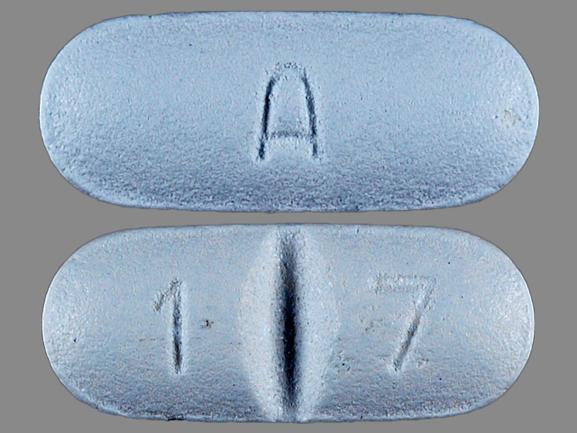
Sertraline (Monograph)
Brand name: Zoloft
Drug class: Selective Serotonin-reuptake Inhibitors
Warning
- Suicidality
-
Antidepressants increased the risk of suicidal thoughts and behavior in pediatric and young adult patients in short-term studies. Closely monitor all antidepressant-treated patients for clinical worsening, and for emergence of suicidal thoughts and behaviors.
Introduction
Antidepressant; selective serotonin-reuptake inhibitor (SSRI).
Uses for Sertraline
Major Depressive Disorder
Management of major depressive disorder in adults.
Guidelines from the American Psychiatric Association (APA) and the Department of Veterans Affairs/Department of Defense state that there is no evidence to suggest superiority of one first-line antidepressant over another. Recommended first-line agents for initial treatment of major depressive disorder in adults include bupropion, mirtazapine, an SSRI, an SNRI, trazodone, vilazodone, or vortioxetine. Select an initial antidepressant for treatment based on: patient preference; prior response to medication; safety, tolerability, and anticipated adverse effects; concurrent psychiatric and medical conditions; specific properties of the medication; and cost.
Used for major depressive disorder in pediatric patients ≥10 years of age† [off-label] .
The American Academy of Pediatrics (AAP) and American Academy of Child & Adolescent Psychiatry (AACAP) suggest psychotherapies and/or pharmacotherapy with an SSRI for management of depression in children and adolescents. Select an initial antidepressant in children and adolescents based on safety and efficacy data; potential drug interactions; favorable experiences of a family member; cost; and availability of the medication.
Obsessive-Compulsive Disorder (OCD)
Management of OCD in adults and pediatric patients ≥6 years of age.
Legacy practice guidelines from APA include cognitive behavioral therapy and pharmacotherapy as safe and effective first-line treatments; for pharmacotherapy, SSRIs (e.g., fluoxetine, fluvoxamine, paroxetine, sertraline) are first-line. All SSRIs are equally effective, but individual patient response is variable; when selecting an SSRI, consider safety and acceptability of particular adverse effects for the patient, potential drug interactions, past treatment response, and presence of comorbid medical conditions. Updated guidelines from international experts list escitalopram, fluvoxamine, fluoxetine, paroxetine, and sertraline as first-line treatments for OCD.
AACAP recommends cognitive-behavioral therapy as first-line treatment in children for mild to moderate cases of OCD; medication is indicated in moderate to severe cases. For pharmacotherapy, SSRIs (e.g., sertraline, fluvoxamine, fluoxetine, and paroxetine) are first-line. Guidelines from international experts list fluvoxamine, fluoxetine, and sertraline as first-line pharmacotherapy for OCD in children and adolescents.
Panic Disorder
Management of panic disorder with or without agoraphobia in adults.
Legacy guidelines from APA state that SSRIs, SNRIs, tricyclic antidepressants (TCAs), benzodiazepines, and cognitive behavioral therapy are effective. Evidence insufficient to recommend any intervention over others; choice of initial therapy based on patient preference, past treatment history, presence of comorbid medical or psychiatric conditions, potential adverse effects, potential drug interactions, cost, and treatment availability. For patients who prefer to initiate pharmacological treatment, SSRIs and SNRIs are recommended first line. Updated guidelines from international experts state that first-line medications for panic disorder include citalopram, escitalopram, fluvoxamine, fluoxetine, paroxetine, sertraline, and venlafaxine.
Used for panic disorder in pediatric patients ≥6 years of age† [off-label].
For children and adolescents 6–18 years of age, AACAP recommends cognitive-behavioral therapy as first-line treatment; an SSRI should also be offered. The specific SSRI used (e.g., citalopram, escitalopram, fluoxetine, fluvoxamine, paroxetine, sertraline, or vilazodone) should be based on pharmacokinetics, pharmacodynamics, tolerability, cost, and unique risks, warnings, or precautions associated with the medication.
Posttraumatic Stress Disorder (PTSD)
Management of PTSD in adults
Legacy guidelines from APA state that selection of a specific treatment strategy depends on patient-specific factors (e.g., age, gender, history, comorbid medical and psychiatric conditions, propensity for aggression or self-harm). SSRIs (i.e., fluoxetine, sertraline, paroxetine) are first-line treatments of choice for PTSD.
The Department of Veterans Affairs and Department of Defense recommend specific types of psychotherapy (e.g., cognitive processing therapy, eye movement desensitization and reprocessing, prolonged exposure therapy) over pharmacologic interventions for PTSD. If pharmacologic therapy is used, paroxetine, sertraline, or venlafaxine is recommended.
Premenstrual Dysphoric Disorder (PMDD)
Management of PMDD in adults.
American College of Obstetricians and Gynecologists (ACOG) recommends SSRIs for affective premenstrual symptoms; SSRIs with evidence to support use in PMDD include sertraline, paroxetine, and fluoxetine. May administer SSRIs continuously or intermittently (i.e., during the luteal phase).
Social Anxiety Disorder
Management of social anxiety disorder in adults.
International experts state escitalopram, fluvoxamine, paroxetine, sertraline, and venlafaxine are recommended first-line agents for pharmacological treatment of social anxiety disorder in adults.
Used for social anxiety disorder in pediatric patients ≥6 years of age† [off-label] .
For children and adolescents 6–18 years of age, AACAP recommends cognitive-behavioral therapy as first-line treatment; an SSRI should also be offered. The specific SSRI used (e.g., citalopram, escitalopram, fluoxetine, fluvoxamine, paroxetine, sertraline, or vilazodone) should be based on pharmacokinetics, pharmacodynamics, tolerability, cost, and unique risks, warnings, or precautions associated with the medication.
Premature Ejaculation
Used in the management of premature ejaculation† [off-label] .
Generalized Anxiety Disorder
Used for generalized anxiety disorder in adults and pediatric patients ≥6 years of age† [off-label] .
International experts state the SSRIs escitalopram, paroxetine, and sertraline, as well as the SNRIs venlafaxine and duloxetine, are first-line treatments for adults with generalized anxiety disorder.
For children and adolescents 6–18 years of age, AACAP recommends cognitive-behavioral therapy as first-line treatment; an SSRI should also be offered. The specific SSRI to be used (e.g., citalopram, escitalopram, fluoxetine, fluvoxamine, paroxetine, sertraline, or vilazodone) should be based on pharmacokinetics, pharmacodynamics, tolerability, cost, and unique risks, warnings, or precautions associated with the medication. International experts state fluvoxamine and sertraline are effective in treating generalized anxiety disorders and mixed anxiety disorders in children and adolescents.
Eating Disorders
Used forbulimia nervosa† and binge-eating disorder† in adults.
For adults with bulimia nervosa, APA recommends treatment with eating-disorder specific cognitive-behavioral therapy and an SSRI (e.g., fluoxetine). For adults with binge-eating disorder who prefer medication or have not responded to psychotherapy alone, APA suggests treatment with either an antidepressant medication or lisdexamfetamine. Specific role of sertraline not addressed. International experts list SSRIs, including sertraline, as options for bulimia nervosa and binge-eating disorder.
Sertraline Dosage and Administration
General
Pretreatment Screening
-
Screen for personal or family history of bipolar disorder, mania, or hypomania.
-
Assess baseline sexual function.
Patient Monitoring
-
Monitor for clinical worsening of depression and emergence of suicidal thoughts and behaviors.
-
Monitor weight and growth in pediatric patients.
-
Monitor for emergence of symptoms of serotonin syndrome such as mental status changes, autonomic stability, neuromuscular symptoms, seizures and/or GI symptoms.
-
Monitor for changes in sexual function.
-
Monitor for bleeding events in patients taking concomitant aspirin, non-steroidal anti-inflammatory agents (NSAIAs), antiplatelet drugs, warfarin, or other anticoagulants.
-
Monitor INR in patients taking concomitant warfarin.
Dispensing and Administration Precautions
-
The Institute for Safe Medication Practices (ISMP) includes sertraline on their List of Confused Drug Names, and recommends using special safeguards to ensure the accuracy of prescriptions for these drugs.
Other General Considerations
-
Adverse reactions may occur upon discontinuation; do not discontinue abruptly. Gradually reduce the dosage when discontinuing treatment.
-
Once sertraline is discontinued, at least 14 days must elapse before initiating a monoamine oxidase inhibitor (MAOI).
-
Sertraline concentrate for oral solution contains alcohol; avoid this formulation in patients taking disulfiram and pregnant patients.
-
Sertraline capsules contain FD&C Yellow No. 5 (tartrazine), which may cause allergic reactions.
Administration
Oral Administration
Administer orally once daily (morning or evening) with or without food.
Available as tablets, capsules, and concentrate for oral solution.
With concentrate for oral solution, measure doses carefully using the calibrated dropper provided by the manufacturer. Oral concentrate solution must be diluted just prior to administration. Dilute in 4 ounces (1/2 cup) of water, ginger ale, lemon/lime soda, lemonade, or orange juice just prior to administration; do not mix in advance or use anything other than these liquids.
Swallow capsules whole; do not open, crush, or chew.
Dosage
Available as sertraline hydrochloride; dosage is expressed in terms of sertraline. The capsule formulation is only approved for use in the treatment of major depressive disorder in adults and obsessive-compulsive disorder in adults and pediatric patients ≥6 years of age.
Pediatric Patients
OCD
Oral
Children 6–12 years of age: Initially, 25 mg once daily.
Adolescents 13–17 years of age: Initially, 50 mg once daily.
Dosage may be increased in increments of 25–50 mg per day at weekly intervals according to clinical response (maximum: 200 mg daily).
Do not initiate treatment with sertraline capsules. Use tablets or oral solution for initial dosage, titration, and dosages <150 mg once daily. May administer capsules in patients receiving 100 mg or 125 mg of sertraline for at least 1 week. Recommended dosage of capsules is 150 mg or 200 mg once daily.
Adults
Major Depressive Disorder
Oral
Initially, 50 once daily. Dosage may be increased in increments of 25–50 mg per day at weekly intervals according to clinical response (maximum: 200 mg daily).
Do not initiate treatment with sertraline capsules. Use tablets or oral solution for initial dosage, titration, and dosages <150 mg once daily. May administer capsules in patients receiving 100 mg or 125 mg of sertraline for at least 1 week. Recommended dosage of capsules is 150 mg or 200 mg once daily (maximum: 200 mg daily).
OCD
Oral
Initially, 50 once daily. Dosage may be increased in increments of 25–50 mg per day at weekly intervals according to clinical response (maximum: 200 mg daily).
Do not initiate treatment with sertraline capsules. Use tablets or oral solution for initial dosage, titration, and dosages <150 mg once daily. May administer capsules in patients receiving 100 mg or 125 mg of sertraline for at least 1 week. Recommended dosage of capsules is 150 mg or 200 mg once daily (maximum: 200 mg daily).
Panic Disorder
Oral
Initially, 25 mg once daily. Dosage may be increased in increments of 25–50 mg per day at weekly intervals according to clinical response (maximum: 200 mg daily).
PTSD
Oral
Initially, 25 mg once daily.
Dosage may be increased in increments of 25–50 mg per day at weekly intervals according to clinical response (maximum: 200 mg daily).
PMDD
Oral
Initially, 50 mg once daily given continuously throughout the menstrual cycle or just during the luteal phase (i.e., starting 2 weeks prior to the anticipated onset of menstruation and continuing through the first full day of menses).
If continuous dosing used, dosage may be increased in 50-mg increments at the onset of each new menstrual cycle (maximum: 150 mg daily).
For patients with inadequate response with intermittent dosing, administer 50 mg per day during the first 3 days of dosing followed by 100 mg per day during the remaining days in the dosing cycle. Continue with 100 mg per day in subsequent cycles.
Social Anxiety Disorder
Oral
Initially, 25 mg once daily.
Dosage may be increased in increments of 25–50 mg per day at weekly intervals according to clinical response (maximum: 200 mg daily).
Special Populations
Hepatic Impairment
Use half the recommended daily dosage in patients with mild hepatic impairment (Child Pugh score 5–6).
Use in moderate (Child Pugh score 7–9) or severe hepatic impairment (Child Pugh score 10–15) not recommended.
Do not use sertraline capsules in patients with any level of hepatic impairment.
Renal Impairment
No dosage adjustment required in patients with mild to severe renal impairment.
Geriatric Patients
Start at low end of dosing range.
Pharmacogenomic Considerations in Dosing
Clinical Pharmacogenetics Implementation Consortium (CPIC) guidelines provide dosing recommendations for sertraline based on CYP2C19 and CYP2B6 phenotypes.
For patients identified as CYP2C19 or CYP2B6 ultrarapid, rapid, or normal metabolizers, initiate therapy with the recommended starting dosage.
For CYP2C19 or CYP2B6 intermediate metabolizers, initiate therapy with the recommended starting dosage and consider a slower titration schedule and lower maintenance dosage.
For CYP2C19 poor metabolizers, consider a lower starting dosage, slower titration schedule, and a 50% reduction of the standard maintenance dosage; alternatively, select another clinically appropriate antidepressant not predominantly metabolized by CYP2C19.
For CYP2B6 poor metabolizers, consider a lower starting dosage, slower titration schedule, and a 25% reduction of the standard maintenance dosage; alternatively, select another clinically appropriate antidepressant not predominantly metabolized by CYP2B6.
No recommendations provided for patients with indeterminate CYP2C19 or CYP2B6 phenotypes.
For patients with variants in both CYP2C19 and CYP2B6 phenotypes, see Table 1.
|
Phenotype by metabolizer type |
CYP2B6 ultrarapid or rapid |
CYP2B6 normal |
CYP2B6 intermediate |
CYP2B6 poor |
CYP2B6 intermediate |
|---|---|---|---|---|---|
|
CYP2C19 ultrarapid or rapid |
Initiate with recommended starting dosage. If no response, consider titrating to higher maintenance dosage or switching to an alternate agent not predominantly metabolized by CYP2C19 or CYP2B6 |
Initiate with recommended starting dosage |
Initiate with recommended starting dosage |
Initiate with recommended starting dosage |
Initiate with recommended starting dosage |
|
CYP2C19 normal |
Initiate with recommended starting dosage |
Initiate with recommended starting dosage |
Initiate with recommended starting dosage; consider a slower titration and lower maintenance dosage |
Consider a lower starting dosage, slower titration, and a 25% reduction of the standard maintenance dosage as compared with CYP2B6 normal metabolizer. Or select an appropriate alternate antidepressant not predominantly metabolized by CYP2B6 |
Initiate with recommended starting dosage |
|
CYP2C19 intermediate |
Initiate with recommended starting dosage |
Initiate with recommended starting dosage; consider a slower titration and lower maintenance dosage |
Initiate with recommended starting dosage. Consider a slower titration and lower maintenance dosage than normal metabolizers. |
Consider a lower starting dosage, slower titration, and a 50% reduction of the standard maintenance dosage as compared with CYP2B6 normal metabolizers. |
Initiate with recommended starting dosage; consider a slower titration and lower maintenance dosage |
|
CYP2C19 poor |
Consider a lower starting dosage, slower titration, and a 50% reduction of the standard maintenance dosage as compared with CYP2C19 normal metabolizers. Or select an appropriate alternate antidepressant not predominantly metabolized by CYP2C19. |
Consider a lower starting dosage, slower titration, and a 50% reduction of the standard maintenance dosage as compared with CYP2C19 normal metabolizers. Or select an appropriate alternate antidepressant not predominantly metabolized by CYP2C19. |
Consider a lower starting dosage, slower titration, and a 50% reduction of the standard maintenance dosage as compared with CYP2C19 normal metabolizers. Or select an appropriate alternate antidepressant not predominantly metabolized by CYP2C19. |
Select an alternate antidepressant not primarily metabolized by CYP2C19 or CYP2B6. |
Consider a lower starting dosage, slower titration, and a 50% reduction of the standard maintenance dosage as compared with CYP2C19 normal metabolizers. Or select an appropriate alternate antidepressant not predominantly metabolized by CYP2C19 |
|
CYP2C19 indeterminate |
Initiate with recommended starting dosage |
Initiate with recommended starting dosage |
Initiate with recommended starting dosage. Consider a slower titration and lower maintenance dosage. |
Consider a lower starting dosage, slower titration, and a 25% reduction of the standard maintenance dosage as compared with CYP2B6 normal metabolizer. Or select an appropriate alternate antidepressant not predominantly metabolized by CYP2B6 |
No recommendation |
Cautions for Sertraline
Contraindications
-
Concomitant use with MAOIs or use within 14 days of stopping MAOIs (including linezolid and IV methylene blue) due to an increased risk of serotonin syndrome.
-
Concomitant use with pimozide due to the risk of QT prolongation.
-
Known hypersensitivity (e.g., anaphylaxis, angioedema, Stevens-Johnson syndrome) to sertraline or any of the inactive ingredients of the formulation.
-
Sertraline oral solution only: concomitant use with disulfiram.
Warnings/Precautions
Warnings
Suicidal Thoughts and Behaviors
Increased risk of suicidal thoughts and behaviors observed in pediatric and young adult patients with use of antidepressants (See Boxed Warning). Depression itself is a risk factor for suicidal thoughts and behaviors.
Monitor patients for clinical worsening and emergence of suicidal thoughts and behaviors, especially during initial few months of therapy and at times of dosage changes.
Counsel family members or caregivers to monitor for changes and to alert the healthcare provider.
Consider changing the therapeutic regimen, including discontinuation of sertraline, in patients whose depression is persistently worse, or who are experiencing emergent suicidal thoughts or behaviors.
Other Warnings and Precautions
Serotonin Syndrome
Potentially life-threatening serotonin syndrome reported with SSRIs and SNRIs alone, but particularly during concurrent therapy with other serotonergic drugs (including triptans, tricyclic antidepressants, fentanyl, lithium, tramadol, meperidine, methadone, tryptophan, buspirone, amphetamines, and St. John’s Wort) and with drugs that impair the metabolism of serotonin (particularly MAOIs).
Symptoms include mental status changes (e.g., agitation, hallucinations, delirium, coma), autonomic instability (e.g., tachycardia, labile BP, dizziness, diaphoresis, flushing, hyperthermia), neuromuscular symptoms (e.g., tremor, rigidity, myoclonus, hyperreflexia, incoordination), seizures, and/or GI symptoms (e.g., nausea, vomiting, diarrhea).
Concomitant use of sertraline with MAOIs contraindicated. Do not initiate sertraline in a patient being treated with MAOIs such as linezolid or IV methylene blue. If initiation of an MAOI such as linezolid or IV methylene blue is necessary in a patient receiving sertraline, discontinue sertraline before initiating treatment with the MAOI.
Monitor all patients for emergence of serotonin syndrome. Discontinue sertraline and any concomitant serotonergic agents immediately if the above symptoms occur and initiate supportive symptomatic treatment. If concomitant use with other serotonergic drugs is clinically warranted, inform patients of the increased risk for serotonin syndrome and monitor for symptoms.
Increased Risk of Bleeding
Increased risk of bleeding events. Concomitant use of aspirin, NSAIAs, other antiplatelet drugs, warfarin, and other anticoagulants may add to this risk. Bleeding events reported include ecchymoses, hematomas, epistaxis, petechiae, GI bleeding, postpartum hemorrhage, and life-threatening hemorrhages.
Inform patients about the increased risk of bleeding associated with concomitant use of sertraline and antiplatelet agents or anticoagulants. For patients taking warfarin, carefully monitor INR.
Activation of Mania of Hypomania
Treating a depressive episode with sertraline or another antidepressant in patients with bipolar disorder may precipitate a mixed/manic episode.
Prior to initiating treatment, screen patients for any personal or family history of bipolar disorder, mania, or hypomania.
Discontinuation Syndrome
Adverse reactions after discontinuation of serotonergic antidepressants, particularly after abrupt discontinuation, may include nausea, sweating, dysphoric mood, irritability, agitation, dizziness, sensory disturbances (e.g., paresthesia, such as electric shock sensations), tremor, anxiety, confusion, headache, lethargy, emotional lability, insomnia, hypomania, tinnitus, and seizures. Reduce sertraline dosage gradually rather than discontinuing abruptly.
Seizures
Use with caution in patients with a seizure disorder.
Angle-closure Glaucoma
May trigger an angle closure attack in a patient with anatomically narrow angles who does not have a patent iridectomy.
Avoid use of antidepressants, including sertraline, in patients with untreated anatomically narrow angles.
Hyponatremia
Hyponatremia reported. Signs and symptoms include headache, difficulty concentrating, memory impairment, confusion, weakness, and unsteadiness, which may lead to falls.
Severe/acute hyponatremia may cause hallucination, syncope, seizure, coma, respiratory arrest, and death.
In many cases, this hyponatremia appears to be the result of SIADH.
Discontinue sertraline and institute appropriate medical intervention in patients with severe hyponatremia.
Elderly patients, patients taking diuretics, and those who are volume-depleted maybe at greater risk of developing hyponatremia with SSRIs and SNRIs.
False Positive Effects on Screening Tests for Benzodiazepines
False-positive urine immunoassay screening tests for benzodiazepines reported and for several days following sertraline discontinuation. Confirmatory tests, such as gas chromatography/mass spectrometry, will help distinguish sertraline from benzodiazepines.
QTc Prolongation
QTc prolongation and torsades de pointes reported. Use sertraline with caution in patients with risk factors for QTc prolongation.
Sexual Dysfunction
Sexual dysfunction reported. In male patients, SSRIs may cause ejaculatory delay or failure, decreased libido, and erectile dysfunction. In female patients, SSRIs may cause decreased libido and delayed or absent orgasm.
Inquire about sexual function prior to initiation and about changes in sexual function during treatment. Obtaining a detailed history (including timing of symptom onset) is important because sexual symptoms may have other causes, including the underlying psychiatric disorder. Discuss potential management strategies to support patients in making informed decisions about treatment.
Allergic Reactions to FD&C Yellow No. 5 (Tartrazine)
Sertraline capsules contain FD&C Yellow No. 5 (tartrazine), which may cause allergic-type reactions (including bronchial asthma) in certain susceptible persons; FD&C Yellow No. 5 (tartrazine) sensitivity is more frequently observed in patients who also have aspirin hypersensitivity.
Latex Sensitivity
Dropper dispenser provided with the oral concentrate solution contains natural latex proteins in the form of dry natural rubber; possible sensitivity reactions in susceptible individuals.
Specific Populations
Pregnancy
There is no difference in major birth defect risk compared to the background rate for major birth defects in comparator populations for pregnant females exposed to sertraline in the first trimester.
Animal studies have not demonstrated teratogenicity; however delayed fetal ossification and increase in stillbirth has been observed.
Data from observational studies report exposure to SSRIs, particularly in the month before delivery, is associated with a less than a 2-fold increase in risk of postpartum hemorrhage. Exposure to SSRIs, including sertraline, and SNRIs in late pregnancy may increase risk for neonatal complications requiring prolonged hospitalization, respiratory support, and tube feeding, and/or persistent pulmonary hypertension of the newborn (PPHN). When treating a pregnant female with sertraline during the third trimester, carefully consider both the potential risks and benefits of treatment. Monitor neonates exposed to sertraline in the third trimester of pregnancy for PPHN and drug discontinuation syndrome.
Females who discontinue antidepressants during pregnancy are more likely to experience relapse of major depression than females who continue antidepressants. Consider the risk of untreated depression when discontinuing or changing treatment with antidepressant medication during pregnancy and postpartum.
There is a pregnancy exposure registry that monitors pregnancy outcomes in females exposed to antidepressants during pregnancy. Advise patients to register by calling the National Pregnancy Registry for Antidepressants 1-866- 961-2388 or visiting online at [Web].
Sertraline oral solution contains 12% alcohol; not recommended during pregnancy.
Lactation
Distributed into milk at low levels with no observed adverse reactions in infants. No available data on the effects on milk production. Consider developmental and health benefits of breastfeeding along with the mother’s clinical need for sertraline and any potential adverse effects on the breast-fed infant from the drug or from the underlying maternal condition.
Pediatric Use
Safety and efficacy for OCD not established in children <6 years of age.
Safety and efficacy for other disorders (e.g., major depressive disorder, panic disorder, PTSD, PMDD, social anxiety disorder) not established in pediatric patients.
Adverse effect profile generally similar to that seen in adults. Decreased appetite and weight loss observed with use of SSRIs; monitor weight and growth regularly during long-term sertraline therapy.
Monitor all patients being treated with antidepressants for clinical worsening, suicidal thoughts, and unusual changes in behavior, especially during the initial few months of treatment, or at times of dosage increases or decreases.
Oral sertraline solution contains 12% alcohol.
Geriatric Use
No substantial differences in safety and efficacy relative to younger adults.
Select initial dosage conservatively, due to the greater frequency of decreased hepatic, renal, or cardiac function, and of concomitant disease or other drug therapy. Clinically important hyponatremia reported in geriatric patients, who may be at increased risk for this adverse effect.
Hepatic Impairment
Sertraline tablets/solution: Use half the recommended dosage in patients with mild hepatic impairment (Child-Pugh score 5–6). Not recommended in patients with moderate (Child-Pugh score 7–10) or severe hepatic impairment (Child-Pugh score 10–15).
Use of sertraline capsules not recommended in patients with hepatic impairment.
Renal Impairment
Clinically important decreases in sertraline clearance not anticipated in patients with renal impairment. No dosage adjustment needed in patients with mild to severe renal impairment.
Limited data indicate sertraline is not appreciably removed by hemodialysis, peritoneal dialysis, forced diuresis, hemoperfusion, and/or exchange transfusion.
Common Adverse Effects
The most common adverse reactions (incidence ≥5% and twice that observed with placebo) include nausea, diarrhea/loose stool, tremor, dyspepsia, decreased appetite, hyperhidrosis, ejaculation failure, and decreased libido.
Drug Interactions
Sertraline is a CYP2D6 inhibitor with less inhibitory effects at lower dosages. Sertraline does not inhibit CYP3A4; however, it may have some CYP3A4 and hepatic microsomal inducer activity.
Drugs Metabolized by Hepatic Microsomal Enzymes
Minimally induces hepatic microsomal enzymes; exercise caution when given to patients receiving drugs that are hepatically metabolized and have a low therapeutic index (e.g., warfarin).
CYP2D6 Substrates
Possible increased plasma concentrations of CYP2D6 substrates. Examples of drugs metabolized by CYP2D6 include propafenone, flecainide, atomoxetine, desipramine, dextromethorphan, metoprolol, nebivolol, perphenazine, thioridazine, tolterodine, and venlafaxine. Drugs of greatest concern are those that are metabolized principally by CYP2D6 and have a narrow therapeutic index, such as TCAs, class IC antiarrhythmics (e.g., propafenone, flecainide, encainide), and some phenothiazines (e.g., thioridazine).
Use with caution and consider reducing dosage of concomitantly administered CYP2D6 substrate. Increase in dosage of CYP2D6 substrate may be needed with sertraline discontinuation.
CYP3A4 Substrates
Inhibition of CYP3A4 activity by sertraline not likely to be clinically important.
Serotonergic Drugs
Risk of serotonin syndrome when used with other serotonergic drugs (e.g., other SSRIs, SNRIs, triptans, TCAs, opioids, lithium, tryptophan, buspirone, amphetamines, and St. John’s Wort).
If concomitant use of other serotonergic drugs with sertraline is clinically warranted, advise patients of the increased risk for serotonin syndrome, particularly during treatment initiation and dosage increases.
Consider discontinuation of sertraline and/or concomitant serotonergic drugs if serotonin syndrome occurs.
Drugs Highly Bound to Plasma Protein
Potential for displacement of sertraline or other protein-bound drugs from binding sites.
Monitor for adverse reactions and reduce dosage of sertraline or other protein-bound drugs as warranted.
Drugs that Interfere with Hemostasis
Potential increased risk of bleeding with concomitant use of drugs that affect hemostasis such as aspirin, clopidogrel, heparin, or warfarin. Use with caution and inform patients of increased bleeding risk. In patients taking warfarin, closely monitor INR.
MAO Inhibitors
Use with MAOIs, including selegiline, tranylcypromine, isocarboxazid, phenelzine, linezolid, and methylene blue, increases risk of serotonin syndrome.
Concomitant use is contraindicated; allow at least 14 days to elapse after discontinuing an MAOI before starting therapy with sertraline. If treatment with an MAOI such as linezolid or IV methylene blue becomes necessary in a patient taking sertraline, discontinue sertraline before initiating treatment with the MAOI.
Drugs that Prolong the QTc Interval
Risk of QTc prolongation and/or ventricular arrhythmias (e.g., torsades de pointes) increased with concomitant use of other drugs that prolong QTc interval including specific antipsychotics (e.g., ziprasidone, iloperidone, chlorpromazine, mesoridazine, droperidol); specific antibiotics (e.g., erythromycin, gatifloxacin, moxifloxacin, sparfloxacin); Class 1A antiarrhythmic medications (e.g., quinidine, procainamide); Class III antiarrhythmics (e.g., amiodarone, sotalol); and others (e.g., pentamidine, levomethadyl acetate, methadone, halofantrine, mefloquine, dolasetron mesylate, probucol, or tacrolimus).
Avoid concomitant use of drugs known to prolong the QTc interval. Pimozide is contraindicated..
Specific Drugs
|
Drug |
Interaction |
Comments |
|---|---|---|
|
Alcohol |
Does not potentiate cognitive and motor effects of alcohol |
|
|
Atenolol |
β-adrenergic blocking activity not affected by sertraline |
|
|
Cimetidine |
Increased AUC, peak concentration, and elimination half-life of sertraline |
No dosage adjustment needed |
|
Cisapride |
Increased cisapride metabolism |
Clinical importance unlikely |
|
Diazepam |
Decreased diazepam clearance |
No dosage adjustment needed |
|
Digoxin |
No change in digoxin pharmacokinetics |
No dosage adjustment needed |
|
Disulfiram |
Possible disulfiram reaction due to alcohol content in sertraline oral concentrate solution |
Concomitant use with sertraline oral concentrate contraindicated |
|
Lithium |
Potentially serious, sometimes fatal serotonin syndrome or NMS-like reactions Pharmacokinetic interaction unlikely |
Use with caution |
|
Phenytoin |
Increase in plasma phenytoin concentrations |
Monitor plasma phenytoin concentrations and adjust phenytoin dosage as necessary |
|
Pimozide |
Increased pimozide concentrations |
Use is contraindicated |
Sertraline Pharmacokinetics
Absorption
Bioavailability
Oral bioavailability in humans has not been fully elucidated, but ranges from 22–36% in animals.
Commercially available tablets and oral concentrate solution are bioequivalent.
Food
Food increases the extent of absorption.
Distribution
Extent
Crosses the blood-brain barrier.
Distributes into breast milk.
Plasma Protein Binding
Approximately 98% bound to plasma proteins, principally to albumin and α1-acid glycoprotein.
Elimination
Metabolism
Metabolized primarily to N-desmethylsertraline via N-demethylation.
N-Desmethylsertraline is approximately 5–10 times less potent an inhibitor of serotonin reuptake than sertraline.
Elimination Route
Urine: 40-45% (<5% unchanged)
Feces: 40-45% (12-14% unchanged)
Half-life
Averages approximately 25–26 hours for sertraline and 62–104 hours for N-desmethylsertraline.
Special Populations
Because sertraline is extensively metabolized by the liver, hepatic impairment can affect the elimination of the drug.
No clinically important decreases in sertraline clearance observed in patients with renal impairment.
Geriatric patients may have reduced sertraline plasma clearance.
Stability
Storage
Oral
Capsules
25°C (may be exposed to 15–30°C).
Concentrate Solution
20–25°C (may be exposed to 15–30°C).
Tablets
20–25°C (may be exposed to 15–30°C).
Actions
-
Selective inhibitor of neuronal serotonin reuptake.
-
No significant affinity for adrenergic, cholinergic, GABA, dopaminergic, histaminergic, serotonergic (5-HT1A, 5-HT1B, 5-HT2), or benzodiazepine receptors.
-
Postsynaptic receptor modification is mainly responsible for the antidepressant action observed during long-term administration of antidepressant agents.
Advice to Patients
-
Advise patients to read the FDA-approved patient labeling (Medication Guide).
-
Advise patients and caregivers to look for the emergence of suicidality, especially early during treatment and when the dosage is adjusted up or down; instruct them to report such symptoms to their healthcare provider.
-
For patients taking sertraline oral solution, inform them of the following: the solution must be diluted before use and should not be mixed in advance; the provided dropper should be used to remove the required amount of sertraline solution; the solution should be mixed with 4 ounces (1/2 cup) of water, ginger ale, lemon/lime soda, lemonade, or orange juice ONLY; sertraline should not be mixed with any other liquids; take the dose immediately after mixing (a slight haze in the solution is normal}; he dropper dispenser contains dry natural rubber, a consideration for patients with latex sensitivity.
-
For patients using the oral solution, inform them of the importance of not taking disulfiram. Concomitant use is contraindicated due to the alcohol content in the oral solution.
-
Caution patients about the risk of serotonin syndrome, particularly with concomitant use of sertraline with other serotonergic drugs including triptans, TCAs, opioids, lithium, tryptophan, buspirone, amphetamines, St. John’s Wort, and with drugs that impair metabolism of serotonin (in particular, MAOIs, both those intended to treat psychiatric disorders and also others, such as linezolid). Instruct patients to contact their health care provider or report to the emergency room if they experience signs or symptoms of serotonin syndrome.
-
Advise patients to inform their clinician of existing or contemplated concomitant therapy, including prescription and OTC drugs and dietary and herbal supplements, as well as any concomitant illnesses.
-
Inform patients about the increased risk of bleeding when sertraline is used concomitantly with aspirin, nonsteroidal anti-inflammatory agents (NSAIAs), other antiplatelet drugs, warfarin, or other anticoagulants. Advise patients to inform their clinicians if they are taking or planning to take any prescription or OTC medications that increase the risk of bleeding.
-
Advise patients and their caregivers to monitor for signs of activation of mania/hypomania and instruct them to report such symptoms to a clinician.
-
Advise patients not to abruptly discontinue sertraline and discuss any tapering regimen with their clinician. Inform patients that adverse reactions can occur when sertraline is discontinued.
-
Advise patients that use of sertraline may cause symptoms of sexual dysfunction in both male and female patients. Inform patients that they should discuss any changes in sexual function and potential management strategies with their clinician.
-
Advise patients to notify a clinician if they develop an allergic reaction such as rash, hives, swelling, or difficulty breathing.
-
Advise patients to inform their clinician if they are or plan to become pregnant or plan to breast-feed. Inform pregnant females that sertraline may cause withdrawal symptoms in the newborn or persistent pulmonary hypertension of the newborn. Advise females that there is a pregnancy exposure registry that monitors pregnancy outcomes in women exposed to sertraline during pregnancy.
-
Caution patients about the risk of hyponatremia, particularly elderly patients and those who are taking diuretics or are volume-depleted.
-
Advise patients of other important precautionary information.
Additional Information
The American Society of Health-System Pharmacists, Inc. represents that the information provided in the accompanying monograph was formulated with a reasonable standard of care, and in conformity with professional standards in the field. Readers are advised that decisions regarding use of drugs are complex medical decisions requiring the independent, informed decision of an appropriate health care professional, and that the information contained in the monograph is provided for informational purposes only. The manufacturer’s labeling should be consulted for more detailed information. The American Society of Health-System Pharmacists, Inc. does not endorse or recommend the use of any drug. The information contained in the monograph is not a substitute for medical care.
Preparations
Excipients in commercially available drug preparations may have clinically important effects in some individuals; consult specific product labeling for details.
Please refer to the ASHP Drug Shortages Resource Center for information on shortages of one or more of these preparations.
* available from one or more manufacturer, distributor, and/or repackager by generic (nonproprietary) name
|
Routes |
Dosage Forms |
Strengths |
Brand Names |
Manufacturer |
|---|---|---|---|---|
|
Oral |
For solution, concentrate |
20 mg (of sertraline) per mL* |
Sertraline Hydrochloride Oral Solution |
|
|
Zoloft (with calibrated dropper dispenser containing latex rubber) |
Viatris Specialty |
|||
|
Tablets, film-coated |
25 mg (of sertraline)* |
Sertraline Hydrochloride Tablets |
||
|
Zoloft |
Viatris Specialty |
|||
|
50 mg (of sertraline)* |
Sertraline Hydrochloride Tablets |
|||
|
Zoloft |
Viatris Specialty |
|||
|
100 mg (of sertraline)* |
Sertraline Hydrochloride Tablets |
|||
|
Zoloft |
Viatris Specialty |
|||
|
Capsules |
150 mg (of sertraline)* |
Sertraline Hydrochloride Capsules |
||
|
200 mg (of sertraline)* |
Sertraline Hydrochloride Capsules |
AHFS DI Essentials™. © Copyright 2025, Selected Revisions April 10, 2025. American Society of Health-System Pharmacists, Inc., 4500 East-West Highway, Suite 900, Bethesda, Maryland 20814.
† Off-label: Use is not currently included in the labeling approved by the US Food and Drug Administration.
Reload page with references included
Related/similar drugs
Frequently asked questions
- How long does Zoloft (sertraline) withdrawal last?
- How long does Zoloft (sertraline) take to work?
- SSRIs vs SNRIs - What's the difference between them?
- Does Zoloft (sertraline) cause weight gain?
- Prozac vs Zoloft: Understanding the Differences Between Two Popular Antidepressants
- Is Zoloft (sertraline) a controlled substance?
- What are some common side effects of antidepressants?
- Can I take tramadol with sertraline?
More about sertraline
- Check interactions
- Compare alternatives
- Pricing & coupons
- Reviews (4,604)
- Drug images
- Side effects
- Dosage information
- Patient tips
- During pregnancy
- Support group
- Drug class: selective serotonin reuptake inhibitors
- Breastfeeding
- En español
Patient resources
Professional resources
- Sertraline prescribing information
- Sertraline Capsule (FDA)
- Sertraline ER Tablets (FDA)
- Sertraline Oral Concentrate (FDA)
- Sertraline Oral Solution (FDA)