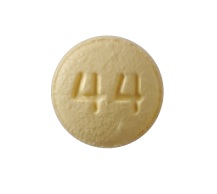
Risedronate (Monograph)
Brand names: Actonel, Atelvia
Drug class: Bone Resorption Inhibitors
- Bone Resorption Inhibitors
VA class: HS900
Chemical name: [1-hydroxy-2-(3-pyridinyl)ethylidene]bis-phosphonic acid monosodium salt
Molecular formula: C7H10NNaO7P2
CAS number: 115436-72-1
Introduction
Synthetic bisphosphonate; bone resorption inhibitor.
Uses for Risedronate
Osteoporosis
Prevention of osteoporosis in postmenopausal women. Risk factors for postmenopausal osteoporosis and related fractures include early menopause, advanced age, low bone mineral density (BMD), low body mass index (BMI), previous fracture or family history of fracture/osteoporosis, excessive alcohol intake, smoking, inadequate physical activity, low calcium and vitamin D intake, certain drugs (e.g., glucocorticoids), and medical conditions or diseases (e.g., rheumatoid arthritis, diabetes mellitus, Cushing syndrome, hyperparathyroidism).
Treatment of osteoporosis in postmenopausal women.
Used in men with osteoporosis to increase bone mass.
In addition to adequate intake of calcium/vitamin D and other lifestyle modifications (e.g., exercise, avoidance of excessive alcohol and tobacco use), experts recommend that pharmacologic therapy for osteoporosis be considered in postmenopausal women and men (≥50 years of age) with previous hip or vertebral fractures or low BMD; pharmacologic therapy also may be considered in postmenopausal women and men (≥50 years of age) with low bone mass, although there is less evidence supporting overall fracture risk reduction in such patients.
Use of a drug with proven efficacy in reducing fracture risk is recommended; bisphosphonates (e.g., alendronate, risedronate, zoledronic acid, ibandronate) are recommended as one of several first-line drugs.
Individualize choice of therapy based on potential benefits (with respect to fracture risk reduction) and adverse effects of therapy, patient preferences, comorbidities, and risk factors.
Has been used concomitantly with hormone replacement therapy in postmenopausal women.
Glucocorticoid-induced Osteoporosis
Prevention and treatment of glucocorticoid-induced osteoporosis in patients initiating or already receiving therapy with glucocorticoids (at a daily dosage ≥7.5 mg of prednisone or equivalent).
American College of Rheumatology (ACR) recommends optimizing calcium and vitamin D intake and lifestyle modifications (e.g., diet, smoking cessation, weight-bearing or resistance-training exercise) in all patients receiving long-term glucocorticoid therapy; in addition, pharmacologic therapy with an oral bisphosphonate is recommended in patients who are considered to be at moderate-to-high risk of fracture. Oral bisphosphonates generally are preferred because of their demonstrated antifracture benefits, safety, and low cost.
Paget Disease of Bone
Treatment of Paget disease of bone (osteitis deformans).
Risedronate Dosage and Administration
General
-
Correct hypocalcemia and other disturbances of bone and mineral metabolism prior to initiation of therapy.
-
Supplemental calcium and vitamin D recommended if daily dietary intake is inadequate, particularly in patients with Paget disease of bone.
Oral Administration (Immediate-release Tablets)
Administer orally with a full glass (180–240 mL) of plain water ≥30 minutes before the first food or beverage of the day.
Administer in an upright position (sitting or standing). Avoid lying down for ≥30 minutes following administration. (See Upper GI Effects under Cautions.)
Do not suck or chew tablets; potential for oropharyngeal irritation. (See Upper GI Effects under Cautions.)
Do not administer at the same time as other beverages, foods, antacids, or mineral supplements containing calcium, aluminum, or magnesium. (See Antacids or Mineral Supplements Containing Divalent Cations under Interactions.)
Missed dose in patients taking weekly 35-mg dose of risedronate sodium: take the missed dose the morning after it is remembered, then resume the regular weekly schedule. Do not take two 35-mg tablets on the same day.
Missed dose in patients taking monthly 150-mg dose: If next scheduled dose is >7 days away, take the missed dose the morning after it is remembered and resume the regular schedule. If the next scheduled dose is 1–7 days away, maintain the regular schedule; do not take more than one 150-mg tablet within the same week.
Missed dose(s) in patients taking 2 consecutive daily 75-mg doses each month and next scheduled dose is >7 days away: If one dose is missed, take the missed dose the morning after it is remembered, then resume the regular schedule. If both doses are missed, take one missed dose the morning after it is remembered and the next missed dose on the next consecutive morning, then resume the regular schedule. Do not take more than two 75-mg tablets within the same week.
Missed dose(s) in patients taking 2 consecutive daily 75-mg doses each month and next scheduled dose is 1–7 days away: Maintain the regular schedule (i.e., wait until time of next month’s scheduled dose). Do not take more than two 75-mg tablets within the same week.
Oral Administration (Delayed-release Tablets)
Administer the 35-mg delayed-release tablets in the morning immediately following breakfast; do not administer under fasting conditions to minimize risk of abdominal pain. Swallow tablets whole with at least 120 mL of plain water; do not chew, cut, or crush.
Administer in an upright position (sitting or standing). Avoid lying down for ≥30 minutes following administration.
Dosage
Available as risedronate sodium; dosage expressed in terms of the salt.
Adults
Osteoporosis
Prevention of Postmenopausal Osteoporosis
Oral5 mg once daily, 35 mg once weekly, or 150 mg monthly (given as a 150-mg tablet once monthly or a 75-mg tablet on 2 consecutive days each month).
Treatment in Postmenopausal Women
Oral5 mg once daily, 35 mg (given as immediate-release or delayed-release tablets) once weekly, or 150 mg monthly (given as a 150-mg tablet once monthly or a 75-mg tablet on 2 consecutive days each month).
Optimal duration of treatment not established. Safety and efficacy based on data over 3 years (for immediate-release tablets) or 1 year (for 35-mg delayed-release tablets). Reevaluate need for continued therapy periodically in all patients receiving bisphosphonates. Consider discontinuance of bisphosphonate therapy after 3–5 years in patients at low risk of fracture. Evaluate fracture risk periodically in patients who discontinue therapy.
Treatment in Men
Oral35 mg once weekly.
Glucocorticoid-induced Osteoporosis
Prevention
Oral5 mg once daily. Safety and efficacy of use for duration >1 year not established.
Treatment
Oral5 mg once daily. Safety and efficacy of use for duration >1 year not established.
Paget Disease of Bone
Oral
30 mg once daily for 2 months.
Consider retreatment (same dosage and duration) after a 2-month posttreatment evaluation period if relapse occurs or if initial treatment failed to normalize serum alkaline phosphatase concentrations.
Prescribing Limits
Adults
Paget Disease of Bone
Oral
Safety and efficacy not established for >1 course of retreatment.
Special Populations
Hepatic Impairment
Dosage adjustments not necessary.
Renal Impairment
Dosage adjustments not necessary in patients with mild to moderate impairment (Clcr ≥30 mL/minute). Use not recommended in patients with severe impairment (Clcr <30 mL/minute).
Geriatric Patients
Dosage adjustments not necessary.
Cautions for Risedronate
Contraindications
-
Abnormalities of the esophagus that delay esophageal emptying (e.g., stricture, achalasia).
-
Inability to stand or sit upright for ≥30 minutes.
-
Hypocalcemia.
-
Known hypersensitivity to risedronate or any ingredient in the formulation.
Warnings/Precautions
Formulation Considerations
Risedronate immediate-release tablets (e.g., Actonel) and risedronate delayed-release tablets (Atelvia) contain the same active ingredient; patients should not receive both formulations concomitantly.
Upper GI Effects
Possible severe adverse esophageal effects (e.g., esophagitis, esophageal ulcers, erosions, strictures, perforation). (See Administration under Dosage and Administration.) Monitor for any manifestations and discontinue if dysphagia, odynophagia, new or worsening heartburn, or retrosternal pain occurs.
Risk of severe adverse esophageal effects greater in patients who do not drink the recommended amount of water with risedronate, do not avoid lying down for ≥30 minutes following oral administration, and/or continue to take drug after developing symptoms suggesting esophageal irritation. Instruct patients carefully about proper administration and give copy of patient instructions provided by manufacturer.
Use with caution in patients with active upper GI disease (e.g., Barrett’s esophagus, dysphagia, other esophageal diseases, gastritis, duodenitis, ulcers). Gastric and duodenal ulcers (some severe and with complications) reported during postmarketing experience.
Osteonecrosis of the Jaw
Osteonecrosis and osteomyelitis of the jaw reported in patients receiving bisphosphonates. Mostly associated with tooth extraction and/or local infection with delayed healing. Known risk factors include invasive dental procedures (e.g., tooth extraction, dental implants, boney surgery), cancer, concomitant therapies (e.g., chemotherapy, corticosteroids, angiogenesis inhibitors), poor oral hygiene, and comorbid disorders (e.g., periodontal and/or other preexisting dental disease, anemia, coagulopathy, infection, ill-fitting dentures). Risk also may increase with increased duration of bisphosphonate use.
If osteonecrosis of the jaw develops, consult an oral surgeon for treatment. Dental surgery may exacerbate condition.
In patients requiring dental procedures, discontinuance of therapy prior to procedure may reduce the risk of osteonecrosis of the jaw. Base management of patients requiring dental treatment on an individual assessment of risks and benefits.
Musculoskeletal Pain
Severe and occasionally incapacitating bone, joint, and/or muscle pain reported infrequently with bisphosphonate therapy. Time to onset varied from 1 day to years (mean onset about 3 months) after treatment initiation.
If severe symptoms occur, discontinue drug. Such pain generally improves following discontinuance of the drug, but may recur upon subsequent rechallenge with the same drug or another bisphosphonate.
Atypical Fracture of the Femur
Atypical (subtrochanteric or diaphyseal), low-energy or low-trauma femur fractures reported rarely with long-term use (>3 years) of bisphosphonates, mostly in patients receiving these drugs for osteoporosis. Often occurs with minimal or no trauma, and may be bilateral. Causality not established; atypical fractures also occur in osteoporotic patients not receiving bisphosphonates. Risk may be increased with concomitant use of glucocorticoid, estrogen, and proton-pump inhibitor therapy.
Evaluate patients who present with new thigh or groin pain for possibility of an atypical femoral fracture; include assessment of the contralateral limb. Consider interruption of bisphosphonate therapy in patients with manifestations of possible femoral fracture; weigh risks versus benefits of continued treatment. Discontinue if a femoral shaft fracture is confirmed.
Potential Risk of Esophageal Cancer
Some evidence (from postmarketing experience and observational studies) suggests a possible association between use of oral bisphosphonates and an increased risk of esophageal cancer. However, because of conflicting data, additional study needed to confirm such findings.
FDA states that benefits of oral bisphosphonates continue to outweigh their potential risks in patients with osteoporosis; it is important to consider that esophageal cancer is rare, especially in women.
Avoidance of oral bisphosphonates in patients with Barrett’s esophagus, a known precursor to esophageal adenocarcinoma, has been recommended.
Metabolic Effects
Possible asymptomatic decreases in serum calcium and phosphorus concentrations.
Correct hypocalcemia and other disturbances of bone and mineral metabolism before initiating therapy. If daily dietary intake is inadequate, administer supplemental calcium and vitamin D.
Endocrine Effects
Before initiating therapy in patients receiving long-term glucocorticoid therapy, measure sex hormones and consider replacement therapy, if appropriate.
Atrial Fibrillation
Although data are conflicting, possible increased risk of atrial fibrillation with use of bisphosphonates. FDA analysis of data from long-term (6 months to 3 years) controlled trials identified a higher rate of atrial fibrillation in patients receiving bisphosphonates (alendronate, ibandronate, risedronate, or zoledronic acid) versus placebo; however, only a few events reported in each study. FDA is continuing to monitor this safety concern.
Specific Populations
Pregnancy
Category C.
Lactation
Distributed into milk in rats; not known whether distributed into human milk. Discontinue nursing or the drug.
Pediatric Use
Safety and efficacy not established. Not indicated in pediatric patients.
Geriatric Use
No substantial differences in safety and efficacy relative to younger adults, but increased sensitivity cannot be ruled out.
Hepatic Impairment
Safety and efficacy not established.
Renal Impairment
Decreased clearance; use not recommended in patients with severe renal impairment (Clcr <30 mL/minute). (See Renal Impairment under Dosage and Administration.)
Common Adverse Effects
Postmenopausal osteoporosis: Infection (unspecified), back pain, arthralgia, accidental injury, pain (unspecified), constipation, abdominal pain, urinary tract infection, nausea, diarrhea, dyspepsia, flu syndrome, hypertension, bronchitis, headache, arthritis, traumatic bone fracture, sinusitis, rash, dizziness, joint disorder, depression, myalgia, cataract, rhinitis, pharyngitis, increased cough.
Paget disease: Arthralgia, diarrhea, headache, abdominal pain, rash, flu syndrome, nausea, peripheral edema, chest pain, constipation, dizziness.
Drug Interactions
Does not induce or inhibit CYP isoenzymes and is not metabolized.
Antacids or Mineral Supplements Containing Divalent Cations
Potential decreased risedronate absorption when administered with divalent cations (e.g., calcium, magnesium, iron). Do not administer these supplements and antacids at the same time as risedronate.
Drugs Affecting Hepatic Microsomal Enzymes
Pharmacokinetic interaction unlikely.
Specific Drugs
|
Drug |
Interaction |
|---|---|
|
Histamine H2-receptor antagonists |
No evidence of increased adverse upper GI effects |
|
Hormone replacement therapy |
Potential additive effects on bone mineral density |
|
NSAIAs |
No evidence of increased adverse upper GI effects |
|
Proton pump inhibitors |
No evidence of increased adverse upper GI effects |
Risedronate Pharmacokinetics
Absorption
Bioavailability
The mean absolute oral bioavailability is 0.63%.
Onset
Reduction of bone turnover evident within 14 days of beginning therapy; maximal effects observed in about 6 months.
Food
When administered 30 minutes or 1 hour prior to breakfast, the extent of absorption is reduced by 55 or 30%, respectively, compared to the fasting state. However, drug is effective when administered ≥30 minutes before breakfast.
Distribution
Extent
Mean steady-state volume of distribution is 6.3 L/kg. In animal studies, 60% of a dose distributed into bone.
Animal data indicate that the drug crosses placenta and is distributed into fetal bones.
Distributed into milk in animals. Not known whether the drug is distributed into human milk.
Plasma Protein Binding
About 24%.
Elimination
Metabolism
There is no evidence of systemic metabolism.
Elimination Route
Eliminated mainly in urine; only unabsorbed drug is excreted in feces.
Half-life
Initial half-life is about 1.5 hours and terminal exponential half-life is 480 hours. The terminal half-life is thought to represent the dissociation of the drug from the surface of bone.
Special Populations
Renal clearance is decreased by 70% in patients with severe renal impairment (i.e., Clcr <30 mL/minute).
Stability
Storage
Oral
Tablets
20–25 °C.
Actions and Spectrum
-
Inhibits osteoclast-mediated bone resorption.
-
Maintains or increases bone mineral density.
Advice to Patients
-
Importance of providing a copy of the manufacturer’s patient information.
-
Importance of proper administration (e.g., avoiding foods and beverages other than plain water, not lying down for 30 minutes following administration).
-
Importance of swallowing tablets whole, without crushing, chewing, or sucking.
-
Importance of discontinuing and informing clinician if symptoms of esophageal disease (e.g., difficulty or pain on swallowing; retrosternal, abdominal, or esophageal pain; severe or persistent heartburn) develop.
-
Importance of adhering to recommended life-style modifications (e.g., weight-bearing exercise, calcium and vitamin D consumption, avoidance of excessive cigarette smoking and/or alcohol consumption).
-
Importance of women informing clinicians if they are or plan to become pregnant or plan to breast-feed.
-
Importance of informing clinicians of severe kidney disease.
-
Importance of informing clinicians of existing or contemplated concomitant therapy, including prescription and OTC drugs.
-
Importance of advising patients of other important precautionary information. (See Cautions.)
Preparations
Excipients in commercially available drug preparations may have clinically important effects in some individuals; consult specific product labeling for details.
Please refer to the ASHP Drug Shortages Resource Center for information on shortages of one or more of these preparations.
* available from one or more manufacturer, distributor, and/or repackager by generic (nonproprietary) name
|
Routes |
Dosage Forms |
Strengths |
Brand Names |
Manufacturer |
|---|---|---|---|---|
|
Oral |
Tablets, film-coated |
5 mg* |
Actonel |
Warner Chilcott |
|
Risedronate Sodium Tablets |
||||
|
30 mg* |
Actonel |
Warner Chilcott |
||
|
Risedronate Sodium Tablets |
||||
|
35 mg* |
Actonel |
Warner Chilcott |
||
|
Risedronate Sodium Tablets |
||||
|
75 mg* |
Actonel |
Warner Chilcott |
||
|
Risedronate Sodium Tablets |
||||
|
150 mg* |
Actonel |
Warner Chilcott |
||
|
Risedronate Sodium Tablets |
||||
|
Tablets, delayed-release |
35 mg* |
Atelvia |
Warner Chilcott |
|
|
Risedronate Sodium Delayed-release Tablets |
AHFS DI Essentials™. © Copyright 2025, Selected Revisions March 12, 2018. American Society of Health-System Pharmacists, Inc., 4500 East-West Highway, Suite 900, Bethesda, Maryland 20814.
Reload page with references included
Related/similar drugs
More about risedronate
- Check interactions
- Compare alternatives
- Pricing & coupons
- Reviews (79)
- Drug images
- Side effects
- Dosage information
- Patient tips
- During pregnancy
- Drug class: bisphosphonates
- Breastfeeding
- En español