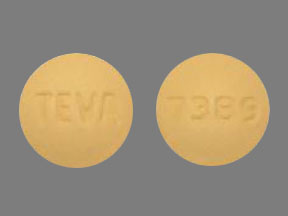
Risedronate Side Effects
Medically reviewed by Drugs.com. Last updated on Apr 20, 2023.
Applies to risedronate: oral tablet, oral tablet delayed release.
Serious side effects of Risedronate
Along with its needed effects, risedronate may cause some unwanted effects. Although not all of these side effects may occur, if they do occur they may need medical attention.
Check with your doctor immediately if any of the following side effects occur while taking risedronate:
More common
- Abdominal or stomach pain
- skin rash
Less common
- Abdominal or stomach pain (severe)
- belching
- bone pain
- cramping of the stomach
- trouble swallowing
Rare
- Red, sore eyes
Incidence not known
- Bone, joint, or muscle pain, severe and occasionally incapacitating
- chest pain
- heartburn
- pain or burning in the throat
- sores, ulcers, or white spots on the lips or tongue or inside the mouth
- vomiting
Get emergency help immediately if any of the following symptoms of overdose occur while taking risedronate:
Symptoms of overdose
- Confusion
- convulsions
- difficulty with breathing
- irregular heartbeats
- muscle cramps in the hands, arms, feet, legs, or face
- numbness and tingling around the mouth, fingertips, or feet
- shortness of breath
- tremor
Other side effects of Risedronate
Some side effects of risedronate may occur that usually do not need medical attention. These side effects may go away during treatment as your body adjusts to the medicine. Also, your health care professional may be able to tell you about ways to prevent or reduce some of these side effects.
Check with your health care professional if any of the following side effects continue or are bothersome or if you have any questions about them:
More common
- Back pain
- cough or hoarseness
- diarrhea
- fever or chills
- headache
- joint pain
- lower back or side pain
- painful or difficult urination
Less common
- Acid or sour stomach
- bladder pain
- bloody or cloudy urine
- blurred vision or change in vision
- body aches or pains
- congestion
- constipation
- difficult, burning, or painful urination
- difficulty with moving
- dizziness
- dry eyes
- dryness or soreness of the throat
- frequent urge to urinate
- general feeling of discomfort or illness
- indigestion
- leg cramps
- muscle pain or stiffness
- nausea
- nervousness
- pain, swelling, or redness in the joints
- pounding in the ears
- ringing in the ears
- runny nose
- slow or fast heartbeat
- stomach discomfort or upset
- swelling of the feet or lower legs
- tender swollen glands in the neck
- voice changes
- weakness
Rare
- Fainting
- fear
- itching skin
- loss of appetite
- pale skin
- passing of gas
- redness, swelling, or soreness of the tongue
- sneezing
- stomach fullness
- tightness in the chest
- troubled breathing
- troubled breathing with exertion
- unusual bleeding or bruising
- unusual tiredness or weakness
- wheezing
Incidence not known
- Eye pain
- large, hive-like swelling on the face, eyelids, lips, tongue, throat, hands, legs, feet, or sex organs
- muscle pain
- redness of the eye
- sensitivity of the eye to light
- skin blisters
- tearing
For Healthcare Professionals
Applies to risedronate: oral delayed release tablet, oral tablet.
General
Abdominal and musculoskeletal pain were commonly reported adverse effects.[Ref]
Cardiovascular
Very common (10% or more): Hypertension (up to 10.5%)
Common (1% to 10%): Arrhythmia (2%) in men with osteoporosis
Frequency not reported: Syncope, vasodilation[Ref]
Gastrointestinal
Very common (10% or more): Constipation (up to 12.9%), diarrhea (up to 10.8%), dyspepsia (up to 10.8%), nausea (up to 10.5%)
Common (1% to 10%): Abdominal pain, vomiting, abdominal upper pain, gastritis, gastroesophageal reflux disease, gastroenteritis
Uncommon (0.1% to 1%): Duodenitis, glossitis
Rare (less than 0.1%): Esophageal stricture
Postmarketing reports: Esophagitis, esophageal or gastric ulcers[Ref]
Genitourinary
Very common (10% or more): Urinary tract infection (up to 11.1%)
Common (1% to 10%): Nocturia (1.6%), cystitis, hemorrhoids, Hiatus hernia, urinary disorders, reproductive system and breast disorders[Ref]
Musculoskeletal
Very common (10% or more): Arthralgia (up to 23.7%)
Common (1% to 10%): Back pain, pain in extremity, musculoskeletal pain, bone pain, muscle spasms, myalgia, neck pain, arthritis, traumatic bone fracture, join disorder, leg cramps, myasthenia (1.6%), osteoarthritis, tendonitis
Rare (less than 0.1%): Severe or incapacitating bone, join, or muscle pain; osteonecrosis of the jaw (ONJ); atypical subtrochanteric and diaphyseal femoral fractures (bisphosphonate class adverse reaction)
Frequency not reported: Muscle spasms[Ref]
Other
Very common (10% or more): Accidental injury (up to 16.9%), pain (up to 14.1%), flu syndrome (up to 11.6%)
Common (1% to 10%): Tinnitus (1.6%), asthenia, peripheral edema, contusion, herpes zoster (1% to 2.6%), ear and labyrinth disorders, vertigo[Ref]
Respiratory
Very common (10% or more): Bronchitis (up to 10%)
Common (1% to 10%): Influenza, upper respiratory infection, chest pain, sinusitis, rhinitis, pharyngitis, increased cough, apnea (1.6%)
Postmarketing reports: Asthma exacerbations[Ref]
Dermatologic
Common (1% to 10%): Rash
Frequency not reported: Pruritus[Ref]
Endocrine
Common (1% to 10%): Elevated levels of parathyroid hormone (PTH), endocrine disorders[Ref]
Hematologic
Common (1% to 10%): Anemia (1% to 2.6%), blood and lymphatic system disorders[Ref]
Hepatic
In most of the postmarketing reported cases the patients were also treated with other products known to cause hepatic disorders.[Ref]
Common (1% to 10%): Colitis (1.6%), hepatobiliary disorders
Rare (less than 0.1%): Abnormal liver function test
Postmarketing reports: Serious hepatic disorders[Ref]
Hypersensitivity
Common (1% to 10%): Allergic reactions
Postmarketing reports: Angioedema, generalized rash, bullous skin reactions, Stevens-Johnson syndrome and toxic epidermal necrolysis, anaphylactic reactions[Ref]
Immunologic
Common (1% to 10%): Immune system disorders[Ref]
Metabolic
Transient decreases from baseline in serum calcium (less than 1%) and serum phosphate (less than 3%) were observed within 6 months in patients in osteoporosis clinical trials treated with doses of 5 mg daily immediate-release.[Ref]
Common (1% to 10%): Decreased weight, hypocalcemia (1.6%), transient decreases from baseline of serum calcium and phosphate, hypercholesterolemia[Ref]
Nervous system
Common (1% to 10%): Dizziness, headache, insomnia, sciatica (0.6% to 2.3%)[Ref]
Ocular
Common (1% to 10%): Cataract; amblyopia, corneal lesion and dry eye (1.6%)
Uncommon (0.1% to 1%): Iritis
Rare (less than 0.1%): Eye inflammation including uveitis[Ref]
Oncologic
Common (1% to 10%): Benign prostatic hyperplasia (5%) in men with osteoporosis; neoplasms benign, malignant and unspecified (including cysts and polyps)[Ref]
Psychiatric
Common (1% to 10%): Depression, psychiatric disorders[Ref]
Renal
Common (1% to 10%): Nephrolithiasis (3%) in men with osteoporosis, renal disorders[Ref]
More about risedronate
- Check interactions
- Compare alternatives
- Pricing & coupons
- Reviews (79)
- Drug images
- Dosage information
- Patient tips
- During pregnancy
- Drug class: bisphosphonates
- Breastfeeding
- En español
Patient resources
- Risedronate drug information
- Risedronate (Advanced Reading)
- Risedronate Delayed-Release Tablets
- Risedronate Tablets
Other brands
Professional resources
Other brands
Related treatment guides
References
1. Product Information. Actonel (risedronate). Procter and Gamble Pharmaceuticals. 2001;PROD.
2. Delmas PD, Balena R, Confravreux E, Hardouin C, Hardy P, Bremond A. Bisphosphonate risedronate prevents bone loss in women with artificial menopause due to chemotherapy of breast cancer: a double blind, placebo-controlled study. J Clin Oncol. 1997;15:955-62.
3. Lourwood DL. The pharmacology and therapeutic utility of bisphosphonates. Pharmacotherapy. 1998;18:779-89.
4. Cerner Multum, Inc. UK Summary of Product Characteristics.
5. Cerner Multum, Inc. Australian Product Information.
6. Reginster JY, Colson F, Morlock G, Combe B, Ethgen D, Geusens P. Evaluation of the efficacy and safety of oral tiludronate in Paget's disease of bone. A double-blind, multiple-dosage, placebo-controlled study [published erratum appears in Arthritis Rheum 199 Jan;36(1):134]. Arthritis Rheum. 1992;35:967-74.
7. Taggart H, Bolognese MA, Lindsay R, et al. Upper gastrointestinal tract safety of risedronate: a pooled analysis of 9 clinical trials. Mayo Clin Proc. 2002;77:262-70.
Further information
Always consult your healthcare provider to ensure the information displayed on this page applies to your personal circumstances.
Some side effects may not be reported. You may report them to the FDA.