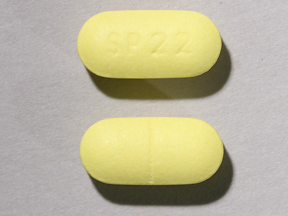
Penbutolol (Oral)
Generic name: penbutolol [ pen-BUE-toe-lol-SUL-fate ]
Brand name: Levatol
Drug class: Non-cardioselective beta blockers
Medically reviewed by Drugs.com. Last updated on Mar 19, 2025.
Uses for penbutolol
Penbutolol is used alone or together with other medicines, including a diuretic or "water pill" such as hydrochlorothiazide (HCTZ) to treat high blood pressure (hypertension). High blood pressure adds to the workload of the heart and arteries. If it continues for a long time, the heart and arteries may not function properly. This can damage the blood vessels of the brain, heart, and kidneys, resulting in a stroke, heart failure, or kidney failure. High blood pressure may also increase the risk of heart attacks. These problems may be less likely to occur if blood pressure is controlled.
This medicine is a beta-blocker. It works by affecting the response to nerve impulses in certain parts of the body, like the heart. As a result, the heart beats slower and decreases the blood pressure. When the blood pressure is lowered, the amount of blood and oxygen is increased to the heart.
This medicine is available only with your doctor's prescription.
Before using penbutolol
In deciding to use a medicine, the risks of taking the medicine must be weighed against the good it will do. This is a decision you and your doctor will make. For this medicine, the following should be considered:
Allergies
Tell your doctor if you have ever had any unusual or allergic reaction to this medicine or any other medicines. Also tell your health care professional if you have any other types of allergies, such as to foods, dyes, preservatives, or animals. For non-prescription products, read the label or package ingredients carefully.
Pediatric
Appropriate studies have not been performed on the relationship of age to the effects of penbutolol in the pediatric population. Safety and efficacy have not been established.
Geriatric
Appropriate studies performed to date have not demonstrated geriatric-specific problems that would limit the usefulness of penbutolol in the elderly. However, elderly patients are more likely to have age-related liver, kidney, or heart problems, which may require caution and an adjustment in the dose for patients receiving penbutolol.
Breast Feeding
There are no adequate studies in women for determining infant risk when using this medication during breastfeeding. Weigh the potential benefits against the potential risks before taking this medication while breastfeeding.
Interactions with Medicines
Although certain medicines should not be used together at all, in other cases two different medicines may be used together even if an interaction might occur. In these cases, your doctor may want to change the dose, or other precautions may be necessary. When you are taking this medicine, it is especially important that your healthcare professional know if you are taking any of the medicines listed below. The following interactions have been selected on the basis of their potential significance and are not necessarily all-inclusive.
Using this medicine with any of the following medicines is usually not recommended, but may be required in some cases. If both medicines are prescribed together, your doctor may change the dose or how often you use one or both of the medicines.
- Albuterol
- Ceritinib
- Clonidine
- Crizotinib
- Darunavir
- Diltiazem
- Dronedarone
- Epinephrine
- Fenoldopam
- Fexinidazole
- Fingolimod
- Formoterol
- Indacaterol
- Iobenguane I 131
- Iohexol
- Lacosamide
- Levalbuterol
- Olodaterol
- Oxymetazoline
- Ponesimod
- Rivastigmine
- Salmeterol
- Siponimod
- Terbutaline
- Verapamil
- Vilanterol
Using this medicine with any of the following medicines may cause an increased risk of certain side effects, but using both drugs may be the best treatment for you. If both medicines are prescribed together, your doctor may change the dose or how often you use one or both of the medicines.
- Acarbose
- Aceclofenac
- Acemetacin
- Acetyldigoxin
- Albiglutide
- Alfuzosin
- Alogliptin
- Amtolmetin Guacil
- Aspirin
- Bromfenac
- Bufexamac
- Bunazosin
- Canagliflozin
- Celecoxib
- Chlorpropamide
- Choline Salicylate
- Clonixin
- Dapagliflozin
- Deslanoside
- Dexibuprofen
- Dexketoprofen
- Diclofenac
- Diflunisal
- Digitoxin
- Digoxin
- Dipyrone
- Doxazosin
- Droxicam
- Dulaglutide
- Empagliflozin
- Ertugliflozin
- Etodolac
- Etofenamate
- Etoricoxib
- Exenatide
- Felbinac
- Fenoprofen
- Fepradinol
- Feprazone
- Floctafenine
- Flufenamic Acid
- Flurbiprofen
- Glimepiride
- Glipizide
- Glyburide
- Ibuprofen
- Indomethacin
- Insulin Aspart, Recombinant
- Insulin Degludec
- Insulin Detemir
- Insulin Glargine, Recombinant
- Insulin Glulisine
- Insulin Human Inhaled
- Insulin Human Isophane (NPH)
- Insulin Human Regular
- Insulin Lispro, Recombinant
- Ketoprofen
- Ketorolac
- Lidocaine
- Linagliptin
- Liraglutide
- Lixisenatide
- Lornoxicam
- Loxoprofen
- Lumiracoxib
- Meclofenamate
- Mefenamic Acid
- Meloxicam
- Metformin
- Metildigoxin
- Miglitol
- Morniflumate
- Moxisylyte
- Nabumetone
- Naproxen
- Nateglinide
- Nepafenac
- Niflumic Acid
- Nimesulide
- Nimesulide Beta Cyclodextrin
- Oxaprozin
- Oxyphenbutazone
- Parecoxib
- Phenoxybenzamine
- Phentolamine
- Phenylbutazone
- Piketoprofen
- Pioglitazone
- Piroxicam
- Pramlintide
- Pranoprofen
- Prazosin
- Proglumetacin
- Propyphenazone
- Proquazone
- Repaglinide
- Rofecoxib
- Rosiglitazone
- Salicylic Acid
- Salsalate
- Saxagliptin
- Sitagliptin
- Sodium Salicylate
- St John's Wort
- Sulindac
- Tamsulosin
- Tenoxicam
- Terazosin
- Tiaprofenic Acid
- Tolazamide
- Tolbutamide
- Tolfenamic Acid
- Tolmetin
- Trimazosin
- Urapidil
- Valdecoxib
- Vildagliptin
Interactions with Food/Tobacco/Alcohol
Certain medicines should not be used at or around the time of eating food or eating certain types of food since interactions may occur. Using alcohol or tobacco with certain medicines may also cause interactions to occur. Discuss with your healthcare professional the use of your medicine with food, alcohol, or tobacco.
Other Medical Problems
The presence of other medical problems may affect the use of this medicine. Make sure you tell your doctor if you have any other medical problems, especially:
- Anaphylactic reaction (severe), history of—May increase risk for repeated anaphylactic reactions.
- Angina (severe chest pain) or
- Heart attack, recent or
- Heart failure, history of or
- Heart or blood vessel disease (e.g., coronary artery disease)—Use with caution. May make these conditions worse.
- Asthma or
- Bradycardia (slow heartbeat) or
- Cardiogenic shock (shock caused by heart attack) or
- Heart block—Should not be used in patients with these conditions.
- Diabetes or
- Hyperthyroidism (overactive thyroid) or
- Hypoglycemia (low blood sugar)—May cover up some of the signs and symptoms of these diseases, such as a fast heartbeat.
- Kidney disease—Use with caution. The effects may be increased because of slower removal from the body.
- Lung disease (e.g., bronchitis, emphysema)—Use with caution. May cause difficulty with breathing in patients with this condition.
Proper use of penbutolol
In addition to the use of this medicine, treatment for your high blood pressure may include weight control and changes in the types of foods you eat, especially foods high in sodium (salt). Your doctor will tell you which of these are most important for you. You should check with your doctor before changing your diet.
Many patients who have high blood pressure will not notice any signs of the problem. In fact, many may feel normal. It is very important that you take your medicine exactly as directed and that you keep your appointments with your doctor even if you feel well.
Remember that this medicine will not cure your high blood pressure, but it does help control it. You must continue to take it as directed if you expect to lower your blood pressure and keep it down. You may have to take high blood pressure medicine for the rest of your life. If high blood pressure is not treated, it can cause serious problems such as heart failure, blood vessel disease, stroke, or kidney disease.
You may take this medicine with or without food.
Dosing
The dose of this medicine will be different for different patients. Follow your doctor's orders or the directions on the label. The following information includes only the average doses of this medicine. If your dose is different, do not change it unless your doctor tells you to do so.
The amount of medicine that you take depends on the strength of the medicine. Also, the number of doses you take each day, the time allowed between doses, and the length of time you take the medicine depend on the medical problem for which you are using the medicine.
- For oral dosage form (tablets):
- For high blood pressure:
- Adults—At first, 20 milligrams (mg) once a day. Your doctor may increase your dose if needed.
- Children—Use and dose must be determined by your doctor.
- For high blood pressure:
Missed Dose
If you miss a dose of this medicine, take it as soon as possible. However, if it is almost time for your next dose, skip the missed dose and go back to your regular dosing schedule. Do not double doses.
Storage
Store the medicine in a closed container at room temperature, away from heat, moisture, and direct light. Keep from freezing.
Keep out of the reach of children.
Do not keep outdated medicine or medicine no longer needed.
Ask your healthcare professional how you should dispose of any medicine you do not use.
Precautions while using penbutolol
It is very important that your doctor check your progress at regular visits to make sure this medicine is working properly and to check for unwanted effects.
This medicine may cause heart failure in some patients. Stop using this medicine and check with your doctor right away if you are having chest pain or discomfort; dilated neck veins; extreme fatigue; irregular breathing; an irregular heartbeat; shortness of breath; swelling of the face, fingers, feet, or lower legs; weight gain; or wheezing.
Do not interrupt or stop taking this medicine without first checking with your doctor. Your doctor may want you to gradually reduce the amount you are taking before stopping it completely. Some conditions may become worse when the medicine is stopped suddenly, which can be dangerous.
This medicine may cause a serious type of allergic reaction called anaphylaxis. Anaphylaxis can be life-threatening and requires immediate medical attention. Call your doctor right away if you have a rash; itching; hoarseness; trouble breathing; trouble swallowing; or any swelling of your hands, face, or mouth while you are using this medicine.
Make sure any doctor or dentist who treats you knows that you are using this medicine. Do not stop taking this medicine before surgery without your doctor's approval.
This medicine may cause changes in your blood sugar levels. Also, this medicine may cover up signs of low blood sugar, such as a rapid pulse rate. Check with your doctor if you have these problems or if you notice a change in the results of your blood or urine sugar tests.
Do not take other medicines unless they have been discussed with your doctor. This includes prescription or nonprescription (over-the-counter [OTC]) medicines and herbal or vitamin supplements.
Side Effects of penbutolol
Along with its needed effects, a medicine may cause some unwanted effects. Although not all of these side effects may occur, if they do occur they may need medical attention.
Check with your doctor immediately if any of the following side effects occur:
Less common
- Chest pain
- difficult or labored breathing
- increased sweating
- pain in the limbs
- shortness of breath
- tightness in the chest
- wheezing
Incidence not known
- Abdominal or stomach tenderness
- abdominal or stomach pain, usually after eating a meal
- black, tarry stools
- blood in the urine
- bloody nose
- bloody stools
- constipation
- cough or hoarseness
- diarrhea
- fever with or without chills or sore throat
- general feeling of tiredness or weakness
- heavier menstrual periods
- lower back or side pain
- nausea
- painful or difficult urination
- pinpoint red spots on the skin
- rectal bleeding
- skin rash
- sore throat
- sores, ulcers, or white spots on the lips or in the mouth
- unusual bleeding or bruising
- unusual tiredness or weakness
- vomiting
- worsening of heart block
Some side effects may occur that usually do not need medical attention. These side effects may go away during treatment as your body adjusts to the medicine. Also, your health care professional may be able to tell you about ways to prevent or reduce some of these side effects. Check with your health care professional if any of the following side effects continue or are bothersome or if you have any questions about them:
Symptoms of overdose
- Blurred vision
- chest pain or discomfort
- confusion
- difficulty with breathing
- dilated neck veins
- dizziness, faintness, or lightheadedness when getting up suddenly from a lying or sitting position
- extreme fatigue
- irregular breathing
- noisy breathing
- slow or irregular heartbeat
- sweating
- swelling of the face, fingers, feet, or lower legs
- weight gain
Some side effects may occur that usually do not need medical attention. These side effects may go away during treatment as your body adjusts to the medicine. Also, your health care professional may be able to tell you about ways to prevent or reduce some of these side effects. Check with your health care professional if any of the following side effects continue or are bothersome or if you have any questions about them:
More common
- Headache
Less common
- Acid or sour stomach
- belching
- body aches or pain
- chills
- difficulty with breathing
- ear congestion
- fever
- heartburn
- indigestion
- lack or loss of strength
- loss of voice
- nasal congestion
- nausea
- runny nose
- sleeplessness
- sneezing
- sore throat
- stomach discomfort, upset, or pain
- trouble sleeping
- unable to sleep
Rare
- Decreased interest in sexual intercourse
- inability to have or keep an erection
- loss in sexual ability, desire, drive, or performance
Incidence not known
- Crying
- decreased awareness or responsiveness
- depersonalization
- dysphoria
- euphoria
- hair loss or thinning of the hair
- memory loss
- mental depression
- mimicry of speech or movements
- mutism
- negativism
- pain of the penis on erection
- paranoia
- peculiar postures or movements, mannerisms or grimacing
- quick to react or overreact emotionally
- rapidly changing moods
- reddened skin
- severe sleepiness
- skin rash
Other side effects not listed may also occur in some patients. If you notice any other effects, check with your healthcare professional.
Call your doctor for medical advice about side effects. You may report side effects to the FDA at 1-800-FDA-1088.
Related/similar drugs
Commonly used brand name(s)
In the U.S.
- Levatol
Pharmacologic Class: Penbutolol
More about penbutolol
- Check interactions
- Compare alternatives
- Side effects
- Dosage information
- During pregnancy
- Drug class: non-cardioselective beta blockers
- Breastfeeding
Patient resources
Other brands
Related treatment guides
Further information
Always consult your healthcare provider to ensure the information displayed on this page applies to your personal circumstances.