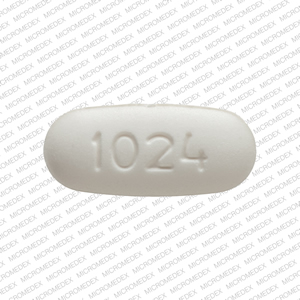
Nefazodone
Generic name: nefazodone [ ne-FAZ-oh-done ]
Brand name: Serzone
Dosage form: oral tablet (100 mg; 150 mg; 200 mg; 250 mg; 50 mg)
Drug class: Phenylpiperazine antidepressants
What is nefazodone?
Nefazodone is an antidepressant that is used to treat depression, including major depressive disorder.
Nefazodone is not chemically similar to other groups of antidepressants, such as selective serotonin reuptake inhibitors or "SSRIs", tricyclic antidepressants, or monoamine oxidase inhibitors or "MAOIs."
Nefazodone may also be used for other purposes not listed in this medication guide.
Nefazodone side effects
Get emergency medical help if you have signs of an allergic reaction: hives; difficult breathing; swelling of your face, lips, tongue, or throat.
Report any new or worsening symptoms to your doctor, such as: mood or behavior changes, anxiety, panic attacks, trouble sleeping, or if you feel impulsive, irritable, agitated, hostile, aggressive, restless, hyperactive (mentally or physically), more depressed, or have thoughts about suicide or hurting yourself.
Nefazodone may cause serious side effects. Call your doctor at once if you have:
-
problems with vision;
-
a seizure;
-
a light-headed feeling, like you might pass out;
-
manic episodes--racing thoughts, increased energy, decreased need for sleep, risk-taking behavior, being agitated or talkative; or
-
liver problems--loss of appetite, stomach pain (upper right side), tiredness, itching, dark urine, clay-colored stools, jaundice (yellowing of the skin or eyes).
Common side effects of nefazodone may include:
-
drowsiness, dizziness, weakness;
-
vision problems;
-
nausea, constipation;
-
confusion, agitation; or
-
dry mouth.
This is not a complete list of side effects and others may occur. Call your doctor for medical advice about side effects. You may report side effects to FDA at 1-800-FDA-1088.
Related/similar drugs
Warnings
Some young people have thoughts about suicide when first taking an antidepressant. Stay alert to changes in your mood or symptoms. Report any new or worsening symptoms to your doctor.
Tell your doctor about all your other medicines. Some drugs should not be used with nefazodone.
Before taking this medicine
You should not take nefazodone if you are allergic to nefazodone or trazodone, or if you have ever had liver problems caused by taking nefazodone.
Some drugs should not be used with nefazodone. Your treatment plan may change if you also use:
-
cisapride;
-
pimozide; or
-
an MAO inhibitor such as isocarboxazid, linezolid, methylene blue injection, phenelzine, or tranylcypromine.
You must wait at least 14 days after stopping an MAO inhibitor before you can take nefazodone. You must wait 7 days after stopping nefazodone before you can take an MAOI.
Tell your doctor if you have ever had:
-
epilepsy or other seizure disorder;
-
suicidal thoughts or actions;
-
heart disease or recent heart attack;
-
liver disease (especially cirrhosis); or
-
narrow-angle glaucoma.
Some young people have thoughts about suicide when first taking an antidepressant. Your doctor should check your progress at regular visits. Your family or other caregivers should also be alert to changes in your mood or symptoms.
Tell your doctor if you are pregnant or breastfeeding.
Not approved for use by anyone younger than 18 years old.
How should I take nefazodone?
Follow all directions on your prescription label and read all medication guides or instruction sheets. Your doctor may occasionally change your dose. Use the medicine exactly as directed.
Take the medicine at the same time each day, with or without food.
You may need frequent blood tests to check your liver function.
Your symptoms may not improve for up to several weeks.
Tell your doctor if you have a planned surgery.
Store at room temperature away from moisture and heat.
Nefazodone dosing information
Usual Adult Dose for Depression:
Initial dose: 200 mg orally per day in two divided doses
Maintenance dose: 300 to 600 mg orally per day
Comments:
-Dose increases should occur in increments of 100 mg per day to 200 mg per day, on a 2 times a day schedule, and at intervals of no less than 1 week.
-Several weeks may be required for full effect.
-Patients in long-term studies were followed for up to 52 weeks; patients receiving prolonged treatment should be periodically assessed for usefulness.
Use: Treatment of depression, including major depressive disorder
Usual Geriatric Dose for Depression:
Elderly or debilitated patients:
-Initial dose: 100 mg orally per day administered in two divided doses
-Maintenance dose: Up to 300 to 600 mg orally per day
Comments:
-Since these patients often have reduced drug clearance and/or increased sensitivity to the side effects, it may be appropriate to modify the rate of subsequent dose titration.
-Several weeks may be required for full effect.
-Patients in long-term studies were followed for up to 52 weeks; patients receiving prolonged treatment should be periodically assessed for usefulness.
Use: Treatment of depression, including major depressive disorder
What happens if I miss a dose?
Skip the missed dose and use your next dose at the regular time. Do not use two doses at one time.
What happens if I overdose?
Seek emergency medical attention or call the Poison Help line at 1-800-222-1222.
What should I avoid while taking nefazodone?
Avoid drinking alcohol.
Avoid driving or hazardous activity until you know how nefazodone will affect you. Your reactions could be impaired.
Avoid getting up too fast from a sitting or lying position, or you may feel dizzy.
What other drugs will affect nefazodone?
Using nefazodone with other drugs that make you drowsy can worsen this effect. Ask your doctor before using opioid medication, a sleeping pill, a muscle relaxer, or medicine for anxiety or seizures.
Tell your doctor about all your other medicines, especially:
-
buspirone;
-
digoxin;
-
fluoxetine, Prozac, Symbyax;
-
propranolol;
-
cholesterol medication--atorvastatin, lovastatin, simvastatin;
-
immunosuppressive medicine--cyclosporine, tacrolimus; or
-
a sedative like Valium--alprazolam, estazolam, midazolam, triazolam, Xanax, Versed, Halcion.
This list is not complete and many other drugs may affect nefazodone. This includes prescription and over-the-counter medicines, vitamins, and herbal products. Not all possible drug interactions are listed here.
More about nefazodone
- Check interactions
- Compare alternatives
- Pricing & coupons
- Reviews (168)
- Drug images
- Side effects
- Dosage information
- During pregnancy
- Drug class: phenylpiperazine antidepressants
- Breastfeeding
- En español
Patient resources
Other brands
Professional resources
Related treatment guides
Further information
Remember, keep this and all other medicines out of the reach of children, never share your medicines with others, and use this medication only for the indication prescribed.
Always consult your healthcare provider to ensure the information displayed on this page applies to your personal circumstances.
Copyright 1996-2025 Cerner Multum, Inc. Version: 8.02.