Midazolam, Midazolam Hydrochloride (Monograph)
Brand names: Nayzilam, Seizalam
Drug class: Benzodiazepines
Warning
- Respiratory Effects
-
Associated with respiratory depression and respiratory arrest, especially when used for sedation in noncritical care settings.
-
Death or hypoxic encephalopathy has resulted when respiratory depression was not recognized promptly and treated effectively.
-
Use IV and oral midazolam only in hospital and ambulatory care settings equipped to provide continuous monitoring of cardiorespiratory function; resuscitative drugs, equipment, and personnel should be immediately available.
-
For deeply sedated pediatric patients, an individual other than the clinician performing the procedure should be dedicated to monitoring the patient throughout the procedure.
- IV Dosage and Administration Considerations
-
Must individualize dosage. Initial IV dose for healthy adults should not exceed 2.5 mg.
-
Lower dosages are necessary in patients >60 years of age, debilitated patients, and patients receiving concomitant opiates or other CNS depressants.
-
Titrate initial and subsequent dosages slowly; administer the appropriate dose over ≥2 minutes and wait an additional 2 or more minutes to fully evaluate the sedative effect.
-
Administer by direct IV injection as the 1-mg/mL solution or dilute the 1- or 5-mg/mL solution to facilitate slower administration.
-
Calculate pediatric dosage for sedation on a mg/kg basis. Initial dose is dependent on age, procedure, and route; titrate subsequent dosages slowly.
-
Do not administer by rapid IV injection in neonates. Severe hypotension and seizures have been reported following rapid IV administration, particularly with concomitant administration of fentanyl.
- Concomitant Use with Opiates
-
Concomitant use of benzodiazepines and opiates may result in profound sedation, respiratory depression, coma, and death.
-
Reserve concomitant use for patients in whom alternative treatment options are inadequate; use lowest effective dosages and shortest possible duration of concomitant therapy and monitor closely for respiratory depression and sedation.
Introduction
Benzodiazepine; anticonvulsant, anxiolytic, sedative/hypnotic, and has amnestic properties.
Uses for Midazolam, Midazolam Hydrochloride
Preoperative Sedation, Anxiolysis, and Amnesia
Used preoperatively to produce sedation, anxiolysis, and anterograde amnesia.
Particularly useful when relief of anxiety and diminished recall of events associated with the surgical procedure are desired.
Some clinicians consider midazolam the benzodiazepine of choice for preoperative use for short surgical procedures because of its relatively rapid onset and short duration of effect and improved local tolerance at the site of injection compared with other currently available parenteral benzodiazepines.
Use only in monitored settings. (See Boxed Warning.)
Procedural Sedation
Used alone or in combination with other CNS depressants for procedural sedation, anxiolysis, and amnesia. Has been administered prior to dental or other minor surgical procedures; diagnostic, therapeutic, or endoscopic procedures such as upper GI endoscopy, bronchoscopy, or cystoscopy; cardiac catheterization; coronary angiography; oncology procedures; radiologic procedures (e.g., computerized tomography); and suture of lacerations.
Particularly useful when relief of anxiety and diminished recall of events associated with the procedure are desired.
Produces amnestic and sedative effects, but no analgesia; therefore, usually administered in conjunction with an analgesic agent.
Some clinicians consider midazolam the benzodiazepine of choice for moderate sedation (formerly known as conscious sedation) prior to short procedures because of its relatively rapid onset, short duration of action, pronounced amnesic effect, and improved local tolerance at the site of injection compared with other currently available IV benzodiazepines.
Use only in monitored settings. (See Boxed Warning.)
Induction and Maintenance of Anesthesia
Used IV for induction of general anesthesia prior to administration of other anesthetic agents.
Induction with midazolam provides anxiolysis, anterograde amnesia, and dose-related hypnotic effects (progressing from sedation to loss of consciousness), but not analgesia.
Also may be used for maintenance of anesthesia during short surgical procedures, usually in conjunction with inhalation anesthetic agents, balanced anesthesia (e.g., nitrous oxide and oxygen), and/or opiate agonists (e.g., fentanyl). Should not be used alone for maintenance of anesthesia.
Sedation in Critical Care Settings
Used as a continuous IV infusion for sedation of intubated and mechanically ventilated patients in critical care settings (e.g., ICU).
Nonbenzodiazepine sedatives (dexmedetomidine or propofol) are generally preferred to benzodiazepines in mechanically ventilated critically ill adults because of some modest clinical benefits that have been demonstrated (e.g., reduced duration of mechanical ventilation, shorter time to extubation, reduced risk of delirium).
When selecting an appropriate sedative agent, consider patient's individual sedation goals in addition to specific drug-related (e.g., pharmacology, pharmacokinetics, adverse effects, availability, cost) and patient-related (e.g., comorbid conditions such as anxiety, seizures, or alcohol withdrawal) factors.
Status Epilepticus
Used IM for treatment of status epilepticus.
Benzodiazepines are considered initial drugs of choice for management of status epilepticus because of their rapid onset of action, demonstrated efficacy, safety, and tolerability. Evidence supports use of IV lorazepam, IV diazepam, or IM midazolam. Individualize choice of therapy based on local availability, route of administration, pharmacokinetics, cost, and other factors (e.g., treatment setting).
IM midazolam may be useful when IV administration of a benzodiazepine is not possible (e.g., in a prehospital setting).
Acute Repetitive Seizures or Seizure Clusters
Used intranasally for acute treatment of intermittent, stereotypic episodes of frequent seizure activity (i.e., seizure clusters, acute repetitive seizures) that are distinct from the patient's usual seizure pattern.
Agitation
Has been used for management of acute agitation† [off-label].
Midazolam, Midazolam Hydrochloride Dosage and Administration
General
-
Administer IV and oral midazolam in a monitored setting equipped to provide continuous monitoring of cardiorespiratory function; resuscitative drugs, personnel, and equipment for airway and ventilation management should be immediately available. (See Boxed Warning.)
-
When used for status epilepticus, administer IM midazolam in a setting that allows for immediate access to resuscitative drugs; continuously monitor patient's cardiorespiratory function until stabilized.
-
In patients at increased risk of benzodiazepine-induced respiratory depression, consider administration of midazolam nasal spray under supervision of a healthcare professional.
Administration
Administer orally, by IM injection, or by slow IV injection or IV infusion. Has been used in IV patient-controlled analgesia (PCA). Also may be administered intranasally. Avoid intra-arterial injection or extravasation of the drug. Do not administer intrathecally or epidurally.
Oral Administration
Oral solution intended for use in monitored settings (e.g., hospital or ambulatory care setting); do not use for chronic or home use.
Consult manufacturer’s labeling for instruction on use of the special press-in bottle adapter and oral dispensers for administration of the oral solution.
Administer from the individual oral dispenser directly into the child’s mouth; do not mix the oral solution with any other liquid (e.g., grapefruit juice) prior to administration.
Effect of food on absorption of the oral solution has not been determined, but food intake generally is precluded prior to procedural sedation in pediatric patients.
IM Administration
Administer IM injection deeply into a large muscle mass.
In patients with status epilepticus, administer IM injection (Seizalam) into mid-outer thigh (vastus lateralis muscle). Manufacturer recommends administration by a clinician who is adequately trained in the recognition and management of status epilepticus.
IV Administration
Administer by IV injection for procedural or preoperative sedation or for induction of general anesthesia. Administer by continuous IV infusion for sedation in critical care settings.
IV injections should be made in incremental doses.
Use of the 1-mg/mL injection is recommended to facilitate slow direct IV injection of the drug; the 1- and 5-mg/mL injections may be diluted with a compatible diluent to facilitate slower injection.
For administration as a continuous IV infusion, the manufacturer recommends dilution of the 5-mg/mL injection to a concentration of 0.5 mg/mL with a compatible diluent. Other standard concentrations for continuous IV infusion of midazolam have been recommended by ASHP's Standardize 4 Safety initiative in adults and pediatric patients (see Standardize 4 Safety section below).
Standardize 4 Safety
Standardized concentrations for IV midazolam have been established through Standardize 4 Safety (S4S), a national patient safety initiative to reduce medication errors, especially during transitions of care. Multidisciplinary expert panels were convened to determine recommended standard concentrations. Because recommendations from the S4S panels may differ from the manufacturer’s prescribing information, caution is advised when using concentrations that differ from labeling, particularly when using rate information from the label. For additional information on S4S (including updates that may be available), see [Web].
|
Patient Population |
Concentration Standard |
Dosing Units |
|---|---|---|
|
Adults |
1 mg/mL 5 mg/mL |
mg/hr |
|
Pediatric patients (<50 kg) |
0.3 mg/mL (easier pump programming than 0.35 mg/mL less decimal) |
mg/kg/hr |
|
1 mg/mL |
||
|
5 mg/mL |
|
Patient Population |
Concentration Standard |
Dosing Units |
|---|---|---|
|
Adults |
1 mg/mL |
mg/kg/hr |
|
5 mg/mL |
||
|
Pediatric patients (<50 kg) |
0.1 mg/mL |
mg/kg/hr |
|
2 mg/mL |
||
|
5 mg/mL |
Rate of Administration in Pediatric Patients
IV injection for preoperative or procedural sedation: Administer IV injection over 2–3 minutes; wait an additional 2–3 minutes to fully evaluate the sedative effect before initiating a procedure or repeating a dose.
Do not administer by rapid IV injection in neonates. (See Boxed Warning.)
Continuous IV infusion: Individualize the infusion rate.
Rate of Administration in Adults
IV injection for procedural sedation: Administer appropriate dose as a 1-mg/mL solution over ≥2 minutes; allow ≥2 minutes to evaluate the sedative effect.
IV injection for induction of anesthesia: Administer appropriate dose over 20–30 seconds.
Continuous IV infusion: Individualize infusion rate.
Intranasal Administration
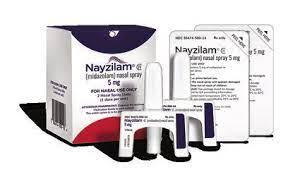
Administer intranasally using single-dose nasal spray unit supplied by manufacturer. Each nasal spray unit delivers 5 mg of midazolam in 0.1 mL of solution.
Commercially available in boxes of 2 nasal spray units; each unit is contained within an individual blister pack that should not be opened until ready to use. Do not test or prime nasal spray unit before use.
Consult manufacturer's instructions for additional information on use of midazolam nasal spray.
Dosage
Commercially available as midazolam or midazolam hydrochloride; dosage expressed in terms of midazolam.
Individualize dosage, particularly when used with other drugs capable of producing CNS depression. Dosage requirements will vary depending on patient response, type and duration of procedure, and concomitantly administered drugs.
Pediatric Patients
Unlike adults, pediatric patients generally receive increments of midazolam on a mg/kg basis; calculate dosage in obese children based on ideal body weight. Pediatric patients generally require higher dosages on a mg/kg basis than adults; patients <6 years of age generally require higher drug dosages on a mg/kg basis than older children and may require closer monitoring.
Preoperative Sedation, Anxiolysis, and Amnesia
Oral
Children 6 months to 16 years of age: 0.25–0.5 mg/kg as a single dose, depending on the status of the patient and the desired effect (up to maximum of 20 mg).
A dose of 0.25 mg/kg may be sufficient for older children 6–16 years of age or for cooperative patients, especially if the anticipated intensity and duration of sedation is less critical.
Younger children (e.g., 6 months to <6 years of age) and less cooperative patients may require a higher than usual dose of up to 1 mg/kg (maximum 20 mg).
Consider a dose of 0.25 mg/kg for patients with cardiac or respiratory compromise, other higher-risk surgical patients, and those who have received concomitant opiates or other CNS depressants.
IV
Nonintubated patients <6 months of age: Limited dosing information is available. Dosing recommendations are unclear because of uncertainty about when a patient transfers from a neonatal to pediatric physiology. However, titration of the dose in small increments to clinical effect and careful monitoring are essential, since such patients are vulnerable to airway obstruction and hypoventilation.
Children 6 months to 5 years of age: Initially, 0.05–0.1 mg/kg; a total dose of up to 0.6 mg/kg may be required to reach the desired endpoint, but total dose usually does not exceed 6 mg.
Children 6–12 years of age: Initially, 0.025–0.05 mg/kg; a total dose of up to 0.4 mg/kg may be required to reach the desired endpoint, but total dose usually does not exceed 10 mg.
Adolescents 12–16 years of age: Dose as adults; although some patients in this age range may require higher than recommended adult doses, total dose usually does not exceed 10 mg.
Wait 2–3 minutes to fully evaluate sedative effect before initiating procedure or repeating a dose. If further sedation is necessary, continue to titrate in small increments until appropriate level of sedation is achieved.
Dosage must be reduced in pediatric patients receiving opiates or other sedatives as premedications; higher-risk or debilitated patients may require lower dosages regardless of whether sedating premedication was administered.
IM
Non-neonatal pediatric patients: Usual dose is 0.1–0.15 mg/kg; doses up to 0.5 mg/kg have been used for more anxious patients. Total dose usually does not exceed 10 mg, although this has not been systematically studied.
If midazolam is administered with an opiate, reduce the initial dose of each drug.
Procedural Sedation
The depth of sedation/anxiolysis needed depends on the type of procedure performed. Sedation is a continuum ranging from minimal sedation to general anesthesia; titrate dosage slowly to desired clinical effect.
Oral
Children 6 months to 16 years of age: 0.25–0.5 mg/kg as a single dose, depending on the status of the patient and the desired effect (up to maximum of 20 mg).
A dose of 0.25 mg/kg may be sufficient for older children 6–16 years of age or for cooperative patients, especially if the anticipated intensity and duration of sedation are less critical.
Younger children (e.g., 6 months to <6 years of age) and less cooperative patients may require a higher than usual dose of up to 1 mg/kg (maximum 20 mg).
Consider an initial dose of 0.25 mg/kg for patients with cardiac or respiratory compromise, other higher-risk surgical patients, and those who have received concomitant opiates or other CNS depressants.
IV
Nonintubated patients <6 months of age: Limited dosing information is available. Dosing recommendations are unclear because of uncertainty about when a patient transfers from a neonatal to pediatric physiology; however, titration of the dose in small increments to clinical effect and careful monitoring are essential, since such patients are vulnerable to airway obstruction and hypoventilation.
Children 6 months to 5 years of age: Initially, 0.05–0.1 mg/kg; a total dose of up to 0.6 mg/kg may be required to reach the desired endpoint, but total dose usually does not exceed 6 mg.
Children 6–12 years of age: Initially, 0.025–0.05 mg/kg; a total dose of up to 0.4 mg/kg may be required to reach the desired endpoint, but total dose usually does not exceed 10 mg.
Adolescents 12–16 years of age: Dose as adults; some patients may require higher than recommended adult doses, but total dose usually does not exceed 10 mg.
Wait 2–3 minutes to fully evaluate sedative effect before initiating procedure or repeating a dose. If further sedation is necessary, continue to titrate in small increments until appropriate level of sedation is achieved.
Dosage must be reduced in pediatric patients receiving opiates or other sedatives as premedications; higher-risk or debilitated patients may require lower dosages regardless of whether premedication was administered.
IM
Non-neonatal pediatric patients: Usual dose is 0.1–0.15 mg/kg; doses up to 0.5 mg/kg have been used for more anxious patients. Total dose usually does not exceed 10 mg, although this has not been systematically studied.
If midazolam is administered with an opiate, reduce the initial dose of each drug.
Sedation in Critical Care Settings
Neonates (Intubated)
IVIV loading doses should not be used in neonates; rather, the infusion may be administered more rapidly for the first several hours to establish therapeutic plasma drug concentrations.
Preterm neonates (born at <32 weeks’ gestation): Initially, 0.03 mg/kg per hour (0.5 mcg/kg per minute).
Term neonates (born after 32 weeks’ gestation): Initially, 0.06 mg/kg per hour (1 mcg/kg per minute).
Reassess infusion rate carefully and frequently, particularly after the first 24 hours, to administer the lowest possible effective dosage and reduce potential for drug accumulation. This is particularly important because of the potential for adverse effects related to benzyl alcohol metabolism if not using the preservative-free formulation.
Non-neonatal Pediatric Patients (Intubated)
IVInitially, 0.05–0.2 mg/kg over at least 2–3 minutes as a loading dose; may be followed by a continuous IV infusion initiated at a rate of 0.06–0.12 mg/kg per hour (1–2 mcg/kg per minute) to maintain the clinical effect.
Increase or decrease the infusion rate as required, generally by 25% of the initial or subsequent infusion rate, or administer supplemental IV doses to increase or maintain the desired effect. Perform frequent patient assessments at regular intervals using standard pain/sedation scales.
Midazolam infusions have been used in children whose trachea was intubated but who were allowed to breathe spontaneously; however, assisted ventilation is recommended in those who are receiving other CNS depressants (e.g., opiates).
In hemodynamically compromised children, initiate therapy by titrating the usual loading dose in small increments; monitor the patient closely for hemodynamic instability (e.g., hypotension).
Status Epilepticus
IMSome clinicians recommend an IM dose of 10 mg for patients weighing >40 kg and a dose of 5 mg for those 13–40 kg.
Other clinicians have recommended usual dose of 0.15–0.3 mg/kg.
Acute Repetitive Seizures or Seizure Clusters
IntranasalPediatric patients ≥12 years of age: 1 spray (5 mg) into one nostril. May administer an additional spray into opposite nostril after 10 minutes if no response to first dose; however, a second dose should not be administered if patient has difficulty breathing or excessive sedation that is uncharacteristic for the patient during a seizure cluster episode.
Do not use more than 2 doses to treat a single seizure episode.
Manufacturer recommends not to use to treat more than one seizure episode every 3 days and more than 5 seizure episodes a month.
Adults
Preoperative Sedation, Anxiolysis, and Amnesia
IM
Adults <60 years of age with good risk (ASA Physical Status I and II): Usual dose is 0.07–0.08 mg/kg (about 5 mg), administered by IM injection approximately 30–60 minutes prior to surgery.
Reduce dose in patients with COPD, higher-risk surgical patients, patients ≥60 years of age, and patients who have received concomitant therapy with opiate agonists or other CNS depressants.
Procedural Sedation
Sedation is a continuum ranging from minimal sedation to general anesthesia; titrate dosage slowly to desired clinical effect.
IV
Healthy adults <60 years of age: Titrate dose slowly to desired sedative effect (e.g., onset of slurred speech). Manufacturer states that no more than 2.5 mg should be administered initially; some patients may respond to as little as 1 mg. Wait at least 2 minutes to fully evaluate the sedative effect. If additional sedation is necessary, continue to titrate using small increments to the appropriate level of sedation. Total dose of ≤5 mg generally is adequate.
Reduce dose in patients ≥60 years of age and debilitated or chronically ill patients, and patients with decreased pulmonary reserve.
If a thorough clinical evaluation clearly indicates a need for additional doses to maintain the desired level of sedation, administer additional doses in increments of approximately 25% of the initial dose used to reach the first sedative end point.
Some clinicians recommend initiating dosing with 0.5–2 mg and repeating doses, as necessary, at 2- to 3-minute intervals up to a total dose of 0.1–0.15 mg/kg.
When used concomitantly with an opiate agonist or other CNS depressant, reduce midazolam dosage by about 30% in healthy adults <60 years of age and by at least 50% in patients ≥60 years of age and debilitated or chronically ill patients, and patients with decreased pulmonary reserve.
Induction and Maintenance of Anesthesia
IV
Individual response is variable, especially when opiate agonist premedication is not used; therefore, titrate dosage carefully to the desired clinical effect, taking into consideration the patient’s age and clinical status.
When used prior to other anesthetic agents for the induction of general anesthesia, the initial dose of each of these agents may be substantially reduced, in some instances to as low as 25% of the usual initial dose of the individual agents.
Induction without Opiate or Sedative Premedication
IVAverage adults <55 years of age: Usual initial dose is 0.3–0.35 mg/kg administered IV over 20–30 seconds for induction of anesthesia; allow approximately 2 minutes for clinical effect. Some clinicians have suggested a lower initial dose of 0.2 mg/kg.
Supplemental doses of about 25% of the initial dose may be given as necessary to complete induction. Alternatively, induction of anesthesia may be completed with inhalation agents.
Total IV induction doses of up to 0.6 mg/kg may be required in some resistant patients, but such doses may prolong recovery from anesthesia.
Induction with Opiate or Sedative Premedication
IVAverage adults <55 years of age: Usual induction dose is 0.25 mg/kg administered IV over 20–30 seconds; allow approximately 2 minutes for clinical effect.
Maintenance of Anesthesia
IVFor maintenance of anesthesia (as a component of balanced anesthesia) during surgical procedures, administer in incremental IV doses of approximately 25% of the induction dose when lightening of anesthesia is evident. Repeat as necessary according to patient’s response to maintain the required level of anesthesia. Premedication with an opiate agonist is especially recommended when midazolam is used for maintenance.
Sedation in Critical Care Settings
IV
If a loading dose is necessary to initiate sedation rapidly, 0.01–0.05 mg/kg (approximately 0.5–4 mg for a typical adult) administered slowly or infused over several minutes. May repeat this dose at 10- to 15-minute intervals until adequate sedation is achieved. Usual initial infusion rate for maintenance of sedation is 0.02–0.1 mg/kg per hour (approximately 1–7 mg per hour). Higher loading doses or maintenance infusion rates occasionally may be required.
In patients with residual effects from anesthetic agents or in those currently receiving other sedatives or opiates, use the lowest recommended dosage.
Infuse at the lowest rate that produces the desired level of sedation. Assess sedation at regular intervals and adjust the infusion rate up or down by 25–50% of the initial infusion rate to ensure adequate titration of the sedation level. Larger adjustments or even a small, incremental dose may be necessary if rapid changes in the level of sedation are required. Decrease infusion rate by 10–25% every few hours to find the minimum effective infusion rate.
Consider administering an opiate concomitantly in patients experiencing agitation, hypertension, or tachycardia in response to noxious stimuli but who otherwise are adequately sedated. Addition of an opiate generally will reduce the minimum effective midazolam infusion rate.
Status Epilepticus
IM
Manufacturer recommends single dose of 10 mg.
Some clinicians recommend usual dose of 0.15–0.3 mg/kg.
Acute Repetitive Seizures or Seizure Clusters
Intranasal
1 spray (5 mg) into one nostril. May administer an additional spray into opposite nostril after 10 minutes if no response to first dose; however, a second dose should not be administered if patient has difficulty breathing or excessive sedation that is uncharacteristic for the patient during a seizure cluster episode.
Do not use more than 2 doses to treat a single seizure episode.
Manufacturer recommends not to use to treat more than 1 seizure episode every 3 days and more than 5 seizure episodes a month.
Prescribing Limits
Pediatric Patients
Preoperative Sedation, Anxiolysis, and Amnesia or Procedural Sedation
Oral
Children 6 months to 16 years of age: Maximum 20 mg.
IV
Manufacturer states that the total dose usually does not exceed 6 mg in pediatric patients 6 months to 5 years of age or 10 mg in those 6–16 years of age.
IM
Manufacturer states that the total dose usually does not exceed 10 mg in non-neonatal pediatric patients, although this has not been systematically studied.
Acute Repetitive Seizures or Seizure Clusters
Intranasal
Children ≥12 years of age: Maximum of 2 doses for a single seizure episode. Manufacturer recommends not to use to treat more than 1 seizure episode every 3 days and more than 5 episodes a month.
Adults
Procedural Sedation
IV
Initial dose for sedation should not exceed 2.5 mg (or 1.5 mg in patients ≥60 years of age or chronically ill or debilitated patients).
Acute Repetitive Seizures or Seizure Clusters
Intranasal
Maximum of 2 doses for a single seizure episode. Do not use to treat more than 1 seizure episode every 3 days and more than 5 episodes a month.
Special Populations
Renal Impairment
Use with caution and individualize dosage carefully.
CHF
Use with caution and individualize dosage carefully.
Geriatric Patients
Reduce initial dose since some degree of organ impairment frequently is present. Dosage requirements in this age group generally appear to decrease with increasing age; consider possibility of profound and/or prolonged effects in older and/or debilitated patients. Low doses usually are required when midazolam is administered with or without premedication.
Dosage titration should be more gradual in patients ≥60 years of age receiving midazolam for procedural sedation and in those ≥55 years of age receiving the drug for induction of anesthesia.
Use smallest effective dose. Excessive doses or rapid or single large IV injections may result in respiratory depression and/or arrest.
Safe oral dosing regimen not established in geriatric patients.
Preoperative Sedation, Anxiolysis, and Amnesia in Patients ≥60 Years of Age
IM: In patients ≥60 years of age who did not receive concomitant opiate agonist therapy, doses of 2–3 mg (0.02–0.05 mg/kg) have produced adequate preoperative sedation; 1 mg may be sufficient in some geriatric patients if the anticipated intensity and duration of sedation are less critical.
Procedural Sedation in Patients ≥60 Years of Age
IV: Administer initial dose of 1–1.5 mg over ≥2 minutes; wait ≥2 minutes to fully evaluate the clinical response. If further sedation is required, dosage may be further titrated in incremental doses of no more than 1 mg to the desired effect (e.g., onset of slurred speech). Total dose of ≤3.5 mg usually is adequate.
If a thorough clinical evaluation clearly indicates a need for additional doses to maintain the desired level of sedation, administer additional doses that are reduced by ≥25%.
When used concomitantly with an opiate or other CNS depressant, midazolam dosage requirements may be reduced by at least 50%.
Induction and Maintenance of Anesthesia in Patients ≥55 Years of Age
IV: Manufacturer recommends an initial IV induction dose of 0.3 mg/kg if premedication has not been given.
If premedication has been given, manufacturer recommends an initial induction dose of 0.2 mg/kg if the patient is a good risk (e.g., ASA I and II) surgical patient.
Other Populations
Preoperative Sedation, Anxiolysis, and Amnesia in Patients with COPD or Other Higher-risk Surgical Patients
IM: Individualize and reduce dosage in patients with COPD and in other higher-risk surgical patients.
Procedural Sedation in Chronically Ill or Debilitated Patients
IV: Smaller increments in dosage and slower rate of injection recommended in patients with chronic debilitating illnesses (e.g., CHF) or decreased pulmonary reserve because of the increased risk of underventilation or apnea and because the peak drug effect may occur later.
Administer initial dose of 1–1.5 mg over ≥2 minutes; wait ≥2 minutes to fully evaluate the clinical response. If further sedation is required, dosage may be further titrated in incremental doses of no more than 1 mg to the desired effect (e.g., onset of slurred speech). Total dose of ≤3.5 mg usually is adequate.
If a thorough clinical evaluation clearly indicates a need for additional doses to maintain the desired level of sedation, administer additional doses that are reduced by ≥25%.
When used concomitantly with an opiate or other CNS depressant, midazolam dosage requirements may be decreased by at least 50%.
Induction and Maintenance of Anesthesia in Patients with Severe Systemic Disease or Other Debilitation
IV: Initial dose of 0.2–0.25 mg/kg usually is adequate if premedication has not been given; doses as low as 0.15 mg/kg may be adequate for induction in some patients.
If premedication has been given, initial induction dose of 0.15 mg/kg may be sufficient.
Cautions for Midazolam, Midazolam Hydrochloride
Contraindications
-
Known hypersensitivity to midazolam or any ingredient in the formulation; oral solution contraindicated in patients with allergies to cherries.
-
Acute angle-closure glaucoma (but may be administered to patients with open-angle glaucoma who are receiving appropriate therapy).
-
Preparations containing benzyl alcohol are not intended for intrathecal or epidural administration.
Warnings/Precautions
Warnings
Concomitant Use with Opiates
Concomitant use of benzodiazepines, including midazolam, and opiates may result in profound sedation, respiratory depression, coma, and death. (See Boxed Warning.) Substantial proportion of fatal opiate overdoses involve concurrent benzodiazepine use.
Reserve concomitant use of midazolam and opiates for patients in whom alternative treatment options are inadequate.
Respiratory and Cardiovascular Effects
Serious and occasionally fatal adverse effects, including respiratory depression, airway obstruction, oxygen desaturation, apnea, respiratory arrest, and/or cardiac arrest reported, sometimes resulting in death or permanent neurologic injury. (See Boxed Warning.) Risk is increased in patients receiving midazolam concomitantly with other CNS depressants, patients undergoing procedures involving the airway without the protective effect of an endotracheal tube, geriatric or debilitated patients, and patients with limited pulmonary reserve or unstable cardiovascular status; risk also increased if the drug is administered IV too rapidly.
Possible hypotensive episodes requiring treatment during or following diagnostic or surgical manipulation. Concomitant administration of an opiate agonist may increase the risk of severe hypotension.
Do not administer parenterally to patients with shock, those who are comatose, or those with acute alcohol intoxication and accompanying depression of vital signs. Exercise caution if administered IV to patients with uncompensated acute illnesses, including severe fluid or electrolyte imbalances.
Slow administration and individualized titration of dosage is required.
Administer orally or IV only in settings in which continuous monitoring of respiratory and cardiac function (i.e., pulse oximetry) is possible. Potential for hypoxia and/or cardiac arrest if early signs of hypoventilation, airway obstruction, or apnea are not corrected immediately. Monitoring of vital signs should continue during recovery period.
Should be used for sedation, anxiolysis, and amnesia only in the presence of personnel experienced in early detection of underventilation, maintenance of an adequate airway, and respiratory support. For deeply sedated pediatric patients, an individual other than the clinician performing the procedure should be dedicated to monitoring the patient throughout the procedure.
Facilities, resuscitative drugs, oxygen, age- and size-appropriate equipment for bag/mask/valve ventilation and intubation, drugs, and skilled personnel necessary for maintenance of a patent airway and support of ventilation should be immediately available when IV or oral midazolam is administered.
Immediate availability of a specific benzodiazepine reversal agent (e.g., flumazenil) is highly recommended when the drug is used for induction or maintenance of anesthesia or for diagnostic or therapeutic procedures.
CNS Depression
Performance of activities requiring mental alertness or physical coordination (e.g., operating machinery, driving a motor vehicle) may be impaired; such activities should not be performed until the effects of the drug (e.g., drowsiness) have subsided or until the day after anesthesia and surgery, whichever is longer.
Concurrent use of other CNS depressants may increase extent and duration of impaired performance, cause excessive sedation, and interfere with recall and recognition of events on the day of surgery and the following day.
Paradoxical Reactions
Agitation, involuntary movements, hyperactivity, and/or combativeness reported with midazolam used for sedation; may be manifestations of paradoxical reactions or may be signs of inadequate or excessive dosing, improper administration, or cerebral hypoxia. Evaluate patient’s response to each dose as well as to any concomitantly administered drug, including local anesthetics, before proceeding.
Intra-arterial Injection
Local reactions and isolated reports of seizure activity (causal relationship not established) reported following intra-arterial injection. Avoid extravasation and take precautions against unintended intra-arterial injection.
Withdrawal Syndrome
Patients receiving continuous infusions of midazolam in critical care settings over an extended period of time may experience symptoms of withdrawal following discontinuance.
Suicidality Risk with Use of Midazolam Nasal Spray
Increased risk of suicidality (suicidal behavior or ideation) observed in an analysis of studies using various anticonvulsants in patients with epilepsy, psychiatric disorders, and other conditions; risk in patients receiving anticonvulsants (0.43%) was approximately twice that in patients receiving placebo (0.24%). Increased suicidality risk was observed ≥1 week after initiation of anticonvulsant therapy and continued through 24 weeks. Relative risk was higher for patients with epilepsy compared with those receiving anticonvulsants for other conditions.
Closely monitor all patients currently receiving or beginning anticonvulsant therapy for changes in behavior that may indicate emergence or worsening of suicidal thoughts or behavior or depression.
Balance risk of suicidality with risk of untreated illness. Epilepsy and other illnesses treated with anticonvulsants are themselves associated with morbidity and mortality and an increased risk of suicidality. If suicidal thoughts or behavior emerges during anticonvulsant therapy, consider whether these symptoms may be related to the illness itself.
General Precautions
General Anesthesia
Does not fully prevent the increase in intracranial pressure or the cardiovascular effects (e.g., increase in BP and/or heart rate) associated with endotracheal intubation under light general anesthesia.
Does not appear to prevent the usual cardiovascular stimulatory effects associated with administration of some neuromuscular blocking agents (e.g., succinylcholine, pancuronium) or the increase in intracranial pressure associated with succinylcholine.
Interactions with CYP3A4 Inhibitors
Expect more intense and prolonged sedation when midazolam is administered concomitantly with a CYP3A4 inhibitor; use concomitantly with caution. Consider dosage adjustments.
Specific Populations
Pregnancy
Category D.
Based on animal data, repeated or prolonged use of general anesthetics and sedation drugs, including midazolam, during the third trimester of pregnancy may result in adverse neurodevelopmental effects in the fetus.
Use for obstetric procedures not recommended.
Lactation
Distributed into milk. Use with caution.
Pediatric Use
Safety and efficacy of the oral solution not established in infants <6 months of age.
Safety and efficacy of the nasal spray not established in pediatric patients <12 years of age.
Safety and efficacy of the injection for status epilepticus not established in pediatric patients. Manufacturer states that benzodiazepines are not recognized as a treatment for status epilepticus in neonates and should not be used in this population.
Children generally require a higher parenteral dosage on a mg/kg basis than do adults; children <6 years of age generally require higher drug dosages on a mg/kg basis than do older pediatric patients and may require closer monitoring. Higher-risk surgical patients may require lower doses, whether or not concomitant sedating drugs have been administered.
Increased potential for respiratory depression, airway obstruction, or hypoventilation when administered in conjunction with opiates or other sedatives.
Take particular care to ensure safe ambulation following sedation.
Children with cardiac or respiratory compromise may be unusually sensitive to the respiratory depressant effects. Pediatric patients undergoing procedures involving the upper airway (e.g., upper endoscopy, dental care) are particularly vulnerable to episodes of oxygen desaturation and hypoventilation secondary to partial airway obstruction.
Neonates are vulnerable to profound and/or prolonged adverse respiratory effects because of reduced and/or immature organ function. Do not administer by rapid IV injection (i.e., over <2 minutes) in neonates, since rapid administration has been associated with severe hypotension (particularly when coadministered with fentanyl) and seizures.
Repeated or prolonged use of general anesthetics and sedation drugs, including midazolam, in children <3 years of age or during the third trimester of pregnancy may adversely affect neurodevelopment. In animals, use for >3 hours of anesthetic and sedation drugs that block N-methyl-d-aspartic acid (NMDA) receptors and/or potentiate GABA activity leads to widespread neuronal apoptosis in the brain and long-term deficits in cognition and behavior; clinical relevance to humans is unknown. Some evidence suggests similar deficits may occur in children following repeated or prolonged exposure to anesthesia early in life. Some evidence also indicates that a single, relatively brief exposure to general anesthesia in generally healthy children is unlikely to cause clinically detectable deficits in global cognitive function or serious behavioral disorders. Most studies to date have substantial limitations; further research needed to fully characterize effects, particularly for prolonged or repeated exposures and in more vulnerable populations (e.g., less healthy children). Consider benefits and potential risks when determining the timing of elective procedures requiring anesthesia. FDA states that medically necessary procedures should not be delayed or avoided.
Some preparations of midazolam contain benzyl alcohol and should not be used in neonates or infants. Large amounts of benzyl alcohol (i.e., 100–400 mg/kg daily) have been associated with toxicity in neonates. Each mL of midazolam hydrochloride injection in these preparations contains 10 mg of benzyl alcohol.
Geriatric Use
Safety and efficacy of midazolam oral solution not established in geriatric patients. Increased incidence of hypoxia reported in geriatric patients receiving midazolam hydrochloride 7.5 mg as premedication prior to general anesthesia. Until further information available, oral midazolam not recommended in geriatric patients.
Clinical studies of the intranasal preparation did not include sufficient numbers of geriatric patients ≥65 years of age to determine whether they respond differently than younger adults
Select parenteral dosage carefully, since distribution may be altered and patients may have decreased hepatic and/or renal function. Reduce the dosage, particularly in those ≥70 years of age.
When used for induction of anesthesia, time to recovery may be delayed.
Fatalities (possibly associated with cardiac or respiratory depression) reported rarely in geriatric and/or high-risk surgical patients receiving IV or IM midazolam (often in combination with other CNS depressants [e.g., opiates]). Monitor closely for signs of cardiac or respiratory depression.
Hepatic Impairment
Plasma clearance may be decreased in some patients with chronic liver disease.
Renal Impairment
Use with caution since the pharmacokinetics of the drug may be altered. Induction of anesthesia may occur more rapidly, and recovery may be prolonged.
Common Adverse Effects
Parenteral administration: Changes in respiratory rate, BP, pulse rate.
IM administration for status epilepticus: Upper airway obstruction, agitation, pyrexia.
Oral administration: Emesis, nausea, hypoxia, laryngospasm, agitation.
Intranasal administration: Somnolence, headache, nasal discomfort, throat irritation, rhinorrhea.
Drug Interactions
Metabolized by CYP3A4.
Drugs Affecting Hepatic Microsomal Enzymes
Potential pharmacokinetic interaction (increased plasma midazolam concentrations) with inhibitors of CYP3A4. Use concomitantly with caution and monitor for excessive sedation. Dosage adjustment of midazolam and/or other drugs may be needed.
Potential pharmacokinetic interaction (decreased plasma midazolam concentrations) with inducers of CYP3A4. Use concomitantly with caution. Dosage adjustment of midazolam and/or other drugs may be needed.
Commonly Used Drugs During Anesthesia or Surgery
No adverse interactions when midazolam was administered concomitantly with common premedications or drugs used during anesthesia or surgery (e.g., atropine, scopolamine, glycopyrrolate, diazepam, hydroxyzine, succinylcholine, nondepolarizing neuromuscular blocking agents, topical local anesthetics).
Specific Drugs and Foods
|
Drug or Food |
Interaction |
Comments |
|---|---|---|
|
Aminophylline |
Possible antagonism of sedative effect during anesthesia |
|
|
Anesthetic agents, inhalation |
Patients who have received midazolam as an induction agent may require reduced amounts of inhalation agents during maintenance of anesthesia |
|
|
Anticonvulsants (e.g., carbamazepine, phenobarbital, phenytoin) |
Substantially decreased peak plasma concentrations and AUC of midazolam with concomitant use of phenytoin or carbamazepine; similar effects expected with phenobarbital |
Use concomitantly with caution and consider dosage adjustments if necessary |
|
Antifungals, azole (fluconazole, itraconazole, ketoconazole) |
Substantially increased peak plasma concentrations and AUC of midazolam; potential for intense and prolonged sedation and respiratory depression |
Use concomitantly with caution and consider dosage adjustments Administer oral midazolam concomitantly with itraconazole or ketoconazole only if absolutely necessary and with appropriate equipment and personnel available to manage respiratory insufficiency |
|
Antimycobacterials (rifabutin, rifampin) |
Substantially decreased peak plasma concentrations and AUC of midazolam with concomitant use of rifampin; similar effects expected with rifabutin |
Use concomitantly with caution and consider dosage adjustments if necessary |
|
Calcium-channel blocking agents (diltiazem, nifedipine, verapamil) |
Substantially increased peak plasma concentrations and AUC of midazolam with concomitant use of diltiazem or verapamil; potential for increased and prolonged sedation Pharmacokinetic interaction unlikely with nifedipine |
Use concomitantly with caution and consider dosage adjustments |
|
CNS depressants (e.g., barbiturates, sedatives, anesthetics, alcohol) |
Additive CNS effects, possibly resulting in respiratory depression and profound and/or prolonged underventilation or apnea |
Use with caution and adjust dosage appropriately to avoid overdosage |
|
Delavirdine |
Potential for decreased midazolam metabolism resulting in intense and prolonged sedation and respiratory depression |
Manufacturer of delavirdine states that concomitant use is contraindicated; however, some experts state that a single midazolam dose can be used with caution for procedural sedation in monitored situations |
|
Efavirenz |
Potential for decreased midazolam metabolism resulting in intense and prolonged sedation and respiratory depression |
Manufacturer of efavirenz states that concomitant use is contraindicated; however, some experts state that a single midazolam dose can be used with caution for procedural sedation in monitored situations |
|
Grapefruit juice |
Increased bioavailability of oral midazolam with concomitant administration; does not appear to interfere with metabolism following IV administration |
Manufacturer states that oral midazolam should not be taken in conjunction with grapefruit juice |
|
Histamine H2-receptor antagonists (e.g., cimetidine, ranitidine) |
Possible increased plasma midazolam concentrations |
Carefully observe patient for CNS and respiratory depression; reduce midazolam dosage if necessary |
|
HIV protease inhibitors (e.g., atazanavir, fosamprenavir, indinavir, lopinavir/ritonavir, nelfinavir, ritonavir, saquinavir, tipranavir) |
Substantially increased plasma concentrations and AUC of midazolam with concomitant use of saquinavir; potential for intense and prolonged sedation and respiratory depression |
Manufacturers of HIV protease inhibitors state that concomitant use is contraindicated; however, some experts state that a single midazolam dose can be used with caution for procedural sedation in monitored situations |
|
Ketamine |
Midazolam may antagonize the cardiovascular stimulatory effects and postoperative emergence delirium usually associated with ketamine |
|
|
Macrolide antibiotics |
Decreased clearance and increased plasma concentrations of midazolam with concomitant use of erythromycin; potential for increased and prolonged sedation Pharmacokinetic interaction unlikely with azithromycin |
Manufacturer states that caution is advised if midazolam is used concomitantly with erythromycin Some clinicians state that erythromycin should not be given to patients receiving midazolam or, alternatively, that the midazolam dosage should be reduced in patients receiving the anti-infective |
|
Neuromuscular blocking agents |
Pancuronium: Has been used concomitantly in adults without clinically important changes in dosage, onset, or duration Succinylcholine: Has been used concomitantly in adults without clinically important changes in dosage, onset, or duration of a single intubating dose |
|
|
Opiate agonists and partial agonists (e.g., fentanyl) |
Increased risk of hypotension and prolongation of the recovery period; severe hypotension reported with concomitant administration of fentanyl in neonates Risk of profound sedation, respiratory depression, airway obstruction, hypoventilation, coma, and death |
Monitor patients closely for respiratory depression and sedation and adjust midazolam dosage appropriately to avoid overdosage Opiate analgesics: Use concomitantly only if alternative treatment options are inadequate; use lowest effective dosages and shortest possible duration of concomitant therapy; monitor closely for respiratory depression and sedation Opiate antitussives: Avoid concomitant use |
|
Quinupristin and Dalfopristin |
Increased peak plasma concentrations and AUC of midazolam |
Use concomitantly with caution; monitor patients for excessive sedation |
|
Terbinafine |
No change in midazolam pharmacokinetics |
Midazolam, Midazolam Hydrochloride Pharmacokinetics
Absorption
Bioavailability
Rapidly absorbed following IM administration, with peak plasma concentrations generally attained within 30–45 minutes. Absolute bioavailability is >90%.
Rapidly absorbed from the GI tract following oral administration, with peak plasma concentrations usually attained within 1–2 hours. The drug undergoes substantial first-pass metabolism in the liver and intestine; only about 40–50% (range: 28–72%) of a dose reaches systemic circulation unchanged.
Following intranasal administration, peak plasma concentrations attained in approximately 17 minutes. Absolute bioavailability is approximately 44%.
Onset
Following IM administration, effects usually are apparent within 5–15 minutes but may not be maximal until 15–60 minutes.
Following IV administration, the onset of sedative, anxiolytic, and amnesic action usually occurs within 1–5 minutes.
Induction of anesthesia usually occurs in about 1.5 minutes when midazolam is administered concurrently with opiate agonists and in 2–2.5 minutes when administered without an opiate agonist or other sedatives.
Following administration of the oral solution in children, pharmacologic effects usually are apparent within 10–20 minutes.
Following intranasal administration, the onset of sedative and psychomotor impairment effects usually occurs within 10 minutes with maximal effects achieved within 30 minutes to 2 hours.
Duration
Following IM administration, the duration of action usually is about 2 hours (range: 1–6 hours). Duration of anterograde amnesia following IM administration is about 1 hour.
Following IV administration, duration of action is usually <2 hours; however, effects may persist up to 6 hours in some patients, and the duration of action appears to be dose related. Anterograde amnesia persists for about 20–40 minutes following a single IV dose.
Distribution
Extent
Rapidly and widely distributed following IV administration.
Crosses the blood-brain barrier and distributes into CSF.
Crosses the placenta and is distributed into milk.
Plasma Protein Binding
Approximately 94–97% (mainly to serum albumin ) in adults and children >1 year of age. Degree of protein binding appears to be independent of plasma concentration.
Special Populations
Distribution may be altered in geriatric patients.
Elimination
Metabolism
Extensively metabolized in the liver and intestine by CYP3A4 to active and inactive metabolites. Metabolites undergo rapid conjugation with glucuronic acid in the liver. Activity is related principally to the parent drug.
Elimination Route
Excreted in urine almost entirely as conjugated metabolites. Approximately 2–10% of an oral dose is excreted in feces.
Half-life
Biphasic; following IV administration, half-life in the initial distribution phase averages 6–20 minutes in adults; terminal half-life averages 1–4 hours (range: 1–12.3 hours).
Terminal elimination half-life of 2.6–6.8 hours reported in pediatric patients 6 months to <16 years of age; terminal elimination half-life is substantially prolonged (i.e., 6.5–12 hours) in seriously ill neonates.
Elimination half-life approximately 4 hours following IM injection.
Elimination half-life 2.1–6.2 hours following intranasal administration.
Special Populations
Half-life may be prolonged in geriatric patients.
Half-life prolonged in patients receiving the drug for induction of anesthesia associated with major surgical procedures.
In some patients with chronic liver disease, plasma clearance may be decreased.
In patients with CRF, total plasma clearance and volume of distribution of total (bound and unbound) midazolam are increased, but these alterations are attributable to changes in protein binding.
In patients with CHF, prolonged elimination half-life, increased volume of distribution, and delayed onset of action secondary to prolonged circulation time.
Stability
Storage
Oral
Solution
20–25°C.
Parenteral
Injection
20–25°C (may be exposed to 15–30°C).
Preservative-free preparation: 20–25°C.
Intranasal
Solution
20–25°C (may be exposed to 15–30°C).
Actions
-
Effects appear to be mediated through the inhibitory neurotransmitter GABA; the site and mechanism of action within the CNS appear to involve a macromolecular complex (GABAA-receptor-chloride ionophore complex) that includes GABAA receptors, high-affinity benzodiazepine receptors, and chloride channels.
Advice to Patients
-
Importance of advising patients and caregivers to read the patient information (medication guide) and instructions for use for midazolam nasal spray.
-
Importance of informing patients of the pharmacologic effects of midazolam (e.g., sedation, lack of recall), which in some patients may be profound.
-
Risk of potentially fatal additive effects (e.g., profound sedation, respiratory depression, coma) if used concomitantly with opiates, either therapeutically or illicitly. Avoid concomitant use of opiate antitussives; also avoid concomitant use of opiate analgesics unless use is supervised by clinician.
-
Potential for midazolam to impair mental alertness or physical coordination; avoid driving or operating machinery until the effects of the drug (e.g., drowsiness) have subsided or until the day after anesthesia and surgery, whichever is longer.
-
Importance of ensuring safe ambulation in pediatric patients receiving oral midazolam.
-
Importance of informing clinicians of existing or contemplated concomitant therapy, including prescription and OTC drugs, as well as any concomitant illnesses. Use caution with simultaneous ingestion of alcohol during treatment.
-
Risk of suicidality (anticonvulsants, including intranasal midazolam, may increase risk of suicidal thoughts or actions in about 1 in 500 people). Importance of patients, family members, and caregivers being alert to day-to-day changes in mood, behavior, and actions and immediately informing clinician of any new or worrisome behaviors (e.g., talking or thinking about wanting to hurt oneself or end ones life, withdrawing from friends and family, becoming depressed, or experiencing worsening of existing depression, becoming preoccupied with death and dying, giving away prized possessions).
-
When procedures requiring general anesthetics or sedation drugs, including midazolam, are considered for young children or pregnant women, importance of discussing with the patient, parent, or caregiver the benefits, risks (including potential risk of adverse neurodevelopmental effects), and appropriate timing and duration of the procedure.
-
Importance of women informing clinicians if they are or plan to become pregnant or plan to breast-feed.
-
Importance of informing patients of other important precautionary information.
Additional Information
The American Society of Health-System Pharmacists, Inc. represents that the information provided in the accompanying monograph was formulated with a reasonable standard of care, and in conformity with professional standards in the field. Readers are advised that decisions regarding use of drugs are complex medical decisions requiring the independent, informed decision of an appropriate health care professional, and that the information contained in the monograph is provided for informational purposes only. The manufacturer’s labeling should be consulted for more detailed information. The American Society of Health-System Pharmacists, Inc. does not endorse or recommend the use of any drug. The information contained in the monograph is not a substitute for medical care.
Preparations
Excipients in commercially available drug preparations may have clinically important effects in some individuals; consult specific product labeling for details.
Please refer to the ASHP Drug Shortages Resource Center for information on shortages of one or more of these preparations.
Subject to control under the Federal Controlled Substances Act of 1970 as a schedule IV (C-IV) drug.
|
Routes |
Dosage Forms |
Strengths |
Brand Names |
Manufacturer |
|---|---|---|---|---|
|
Nasal |
Solution |
5 mg/0.1 mL |
Nayzilam Nasal Spray (C-IV) |
UCB |
* available from one or more manufacturer, distributor, and/or repackager by generic (nonproprietary) name
|
Routes |
Dosage Forms |
Strengths |
Brand Names |
Manufacturer |
|---|---|---|---|---|
|
Oral |
Solution |
2 mg (of midazolam) per mL* |
Midazolam Hydrochloride Syrup ( C-IV ) |
|
|
Parenteral |
Injection |
1 mg (of midazolam) per mL* |
Midazolam Hydrochloride Injection ( C-IV ) |
|
|
5 mg (of midazolam) per mL* |
Midazolam Hydrochloride Injection ( C-IV ) |
|||
|
Seizalam (C-IV) |
Meridian |
AHFS DI Essentials™. © Copyright 2025, Selected Revisions November 10, 2024. American Society of Health-System Pharmacists, Inc., 4500 East-West Highway, Suite 900, Bethesda, Maryland 20814.
† Off-label: Use is not currently included in the labeling approved by the US Food and Drug Administration.
Reload page with references included
Related/similar drugs
Frequently asked questions
More about midazolam
- Check interactions
- Compare alternatives
- Pricing & coupons
- Reviews (147)
- Latest FDA alerts (4)
- Side effects
- Dosage information
- During pregnancy
- Drug class: benzodiazepines
- Breastfeeding