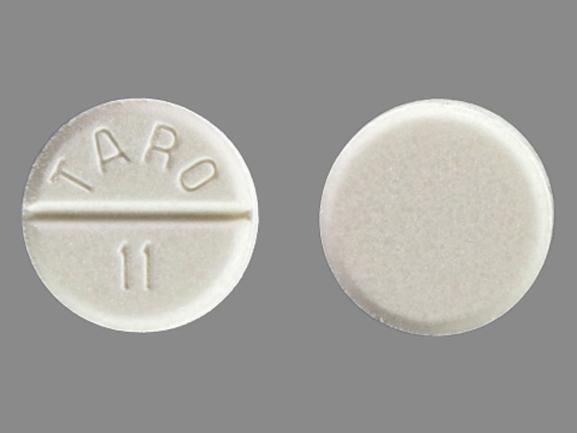
Carbamazepine (Monograph)
Brand names: Carbatrol, Carnexiv, Epitol Equetro, TEGretol
Drug class: Anticonvulsants, Miscellaneous
VA class: CN400
CAS number: 298-46-4
Warning
- Serious Dermatologic Reactions and HLA-B*1502 Allele
-
Serious and sometimes fatal dermatologic reactions, including toxic epidermal necrolysis (TEN) and Stevens-Johnson syndrome (SJS), reported.
-
Such reactions are estimated to occur in 1–6 per 10,000 new users of carbamazepine in countries with mainly Caucasian populations; however, risk in some Asian countries estimated to be approximately 10 times higher.
-
Strong association demonstrated between risk of developing SJS and TEN and presence of human leukocyte antigen (HLA)-B*1502, an inherited allelic variant of the HLA-B gene. (See Pharmacogenomics of Carbamazepine-induced Cutaneous Reactions under Cautions.) The HLA-B*1502 allele is found almost exclusively in patients with ancestry across broad areas of Asia.
-
Screen patients with ancestry in genetically at-risk populations for presence of HLA-B*1502 prior to initiating carbamazepine therapy. (See Pharmacogenetic Testing under Dosage and Administration.) Patients who test positive for the allele should not receive carbamazepine therapy unless benefits clearly outweigh risks.
- Hematologic Effects
-
Aplastic anemia and agranulocytosis reported.
-
Risk in patients receiving carbamazepine appears to be 5–8 times greater than that in general population, but overall risk of these reactions in untreated general population is low (about 6 or 2 cases per million population year for agranulocytosis or aplastic anemia, respectively).
-
Transient or persistent minor hematologic changes (e.g., decreased leukocyte or platelet counts) are not uncommon, but, in most cases, have not progressed to more serious conditions (e.g., aplastic anemia, agranulocytosis).
-
Determine baseline hematologic function before initiation of therapy; closely monitor patients exhibiting abnormalities during therapy. Most hematologic changes observed during periodic monitoring are unlikely to signal occurrence of aplastic anemia or agranulocytosis.
-
Consider discontinuance if evidence of substantial bone marrow depression develops.
Introduction
Anticonvulsant; also an antimanic agent and specific analgesic for trigeminal neuralgia.
Uses for Carbamazepine
Seizure Disorders
Monotherapy or adjunctive therapy (i.e., in combination with other anticonvulsants) of partial seizures with complex symptomatology (psychomotor or temporal lobe seizures), generalized tonic-clonic (grand mal) seizures, and mixed seizure patterns that include partial seizures with complex symptomatology, generalized tonic-clonic seizures, or other partial or generalized seizures.
Greater improvement seen in patients with partial seizures with complex symptomatology than with other types of seizures.
Response in patients with mixed seizures may be variable.
Ineffective in management of absence (petit mal) seizures or myoclonic and akinetic seizures.
Neuropathic Pain
Symptomatic treatment of pain associated with true trigeminal neuralgia.
Beneficial results also reported in glossopharyngeal neuralgia.
Symptomatic treatment of chronic pain arising from other peripheral neuropathic syndromes† [off-label], including pain of diabetic neuropathy† [off-label].
Not a simple analgesic; do not use for relief of trivial aches or pain.
Bipolar Disorder
Treatment of acute manic or mixed episodes in patients with bipolar I disorder.
American Psychiatric Association (APA) considers carbamazepine an alternative treatment option for patients who do not respond adequately to first-line drugs (e.g., lithium, valproate, antipsychotic agents [e.g., olanzapine]).
Schizophrenia
Symptomatic management of the acute phase of schizophrenia† [off-label], as an adjunct to therapy with an antipsychotic agent in patients who fail to respond to an adequate trial of the antipsychotic agent alone.
APA states that, with the exception of schizophrenic patients whose illness has strong affective components, carbamazepine therapy alone (i.e., monotherapy rather than adjunctive therapy) has not been shown to be substantially effective in the long-term treatment of schizophrenia.
Other Uses
Management of aggression (e.g., uncontrolled rage outbursts) and/or loss of control (dyscontrol) in patients with or without an underlying seizure disorder (e.g., as features of intermittent explosive disorder, conduct disorder, antisocial personality disorder, borderline personality disorder, dementia)† [off-label].
Treatment of alcohol withdrawal syndrome† [off-label].
Relief of neurogenic pain and/or control of seizures in a variety of conditions including “lightning” pains of tabes dorsalis†.
Relief of pain and control of paroxysmal symptoms of multiple sclerosis†, paroxysmal kinesigenic choreoathetosis†, Klüver-Bucy syndrome†, post-hypoxic action myoclonus†, and acute idiopathic polyneuritis (Landry-Guillain-Barré syndrome)†.
Relief of pain of posttraumatic paresthesia† and relief of hemifacial spasm† and dystonia† in children.
Carbamazepine Dosage and Administration
General
-
Therapeutic drug monitoring may be useful for optimizing dosage, minimizing toxicity and adverse effects, and verifying drug compliance.
-
Withdraw gradually in patients with seizure disorders to minimize potential for increased seizure frequency and status epilepticus. (See Discontinuance of Therapy under Cautions.)
-
Closely monitor for marked changes in behavior that could indicate emergence or worsening of suicidal thoughts or behavior or depression. (See Suicidality Risk under Cautions.)
Pharmacogenetic Testing
-
Pharmacogenetic testing for the variant HLA-B*1502 allele is recommended in patients who may be at increased risk of carbamazepine-induced SJS and TEN. (See Boxed Warning.)
-
Prior to initiating carbamazepine therapy, screen patients in genetically at-risk populations for HLA-B*1502.
-
High-resolution HLA-B*1502 typing recommended; the test is considered positive if 1 or 2 copies of HLA-B*1502 are detected and negative if no copies are detected.
-
Do not initiate therapy in HLA-B*1502-positive patients unless benefits clearly outweigh risks.
-
Also may consider genetic testing for presence of HLA-A*3101, another variant allele associated with a wider range of carbamazepine hypersensitivity reactions.
-
Because of limitations, HLA genotyping must not substitute for appropriate clinical vigilance and patient management.
-
Many HLA-B*1502- and HLA-A*3101-positive patients treated with carbamazepine will never develop SJS, TEN, or other hypersensitivity reactions, and such reactions may develop infrequently in HLA-B*1502- and HLA-A*3101-negative patients of any ethnicity.
-
For additional information and guidance on how to interpret and apply results of HLA-B*1502 and HLA-A*3101 testing, consult the Clinical Pharmacogenetics Implementation Consortium (CPIC) guideline for HLA genotype and use of carbamazepine and oxcarbazepine.
Administration
Usually administered orally; however, an IV preparation is available for temporary (i.e., ≤7 days) use in adults with seizure disorders when oral administration not feasible.
Oral Administration
Administer orally as conventional tablets, chewable tablets, extended-release tablets, extended-release capsules, or oral suspension.
Extended-release Capsules
Administer orally (usually twice daily) without regard to meals. Swallow extended-release capsules whole or administer by opening capsule and sprinkling contents over food (e.g., teaspoonful of applesauce). Do not crush or chew extended-release capsules or their contents.
Conventional and Chewable Tablets
Administer orally 2–4 times daily with meals.
Extended-release Tablets
Administer orally (usually twice daily) with meals.
Swallow extended-release tablets whole; do not crush or chew. Inspect visually for chips or cracks; do not use damaged tablets.
Extended-release tablet coating is not absorbed and may be noticeable in stools.
Suspension
Administer orally 3 or 4 times daily with meals. Shake well before administration.
Do not administer simultaneously with other liquid medications and diluents. (See Compatibility under Stability.)
IV Administration
Administer by IV infusion over 30 minutes. When converting from oral to IV therapy, administer corresponding total daily IV dosage (equivalent to 70% of the total daily oral dosage) in 4 equally divided 30-minute infusions at 6-hour intervals.
Bioequivalence demonstrated between oral carbamazepine and 30-minute IV infusions of the drug. IV route intended for temporary use only; switch patients back to oral therapy (at the previously administered oral dose and frequency) as soon as clinically appropriate. Use of IV carbamazepine for >7 days not recommended.
Prior to administration, dilute commercially available concentrate for injection with a compatible diluent (0.9% sodium chloride injection, lactated Ringer’s injection, or 5% dextrose injection). Withdraw appropriate volume of concentrate for injection (based on prescribed dose) and dilute in 100 mL of diluent. (See Storage under Stability.)
Vials are for single dose only; discard unused portions.
Dosage
Adjust dosage carefully according to individual requirements and response. Initiate with a low dosage and increase gradually . Once a therapeutic effect has been achieved, attempt to reduce dosage to minimum effective dosage.
When transferring patients from conventional, immediate-release formulations to extended-release capsules or tablets, administer same total daily dosage in 2 divided doses. Following the transition, closely monitor patients and adjust dosage as needed.
Because a given dose administered as oral suspension will produce higher peak plasma concentrations than when administered as tablets, initiate therapy with oral suspension with low, frequent doses and increase slowly to reduce risk of adverse effects (e.g., sedation).
When transferring patients from oral tablets to oral suspension, divide total daily dosage administered as tablets into smaller, more frequent doses of suspension (e.g., transfer from twice-daily divided dosing of tablets to 3-times-daily divided dosing of suspension).
To achieve therapeutic plasma carbamazepine concentrations more rapidly in pediatric patients (in about 2 hours), some clinicians have administered a loading-dose regimen using the oral suspension.
Pediatric Patients
Seizure Disorders
When carbamazepine is added to an existing anticonvulsant regimen, introduce the drug gradually while maintaining or gradually decreasing dosage of other anticonvulsant(s); certain enzyme-inducing anticonvulsants (e.g., phenytoin) may require an increase in dosage. (See Specific Drugs, Foods, and Laboratory Tests under Interactions.)
Oral (tablets or oral suspension)
Children <6 years of age: Initially, 10–20 mg/kg daily in 2 or 3 divided doses (as chewable or conventional tablets) or 4 divided doses (as oral suspension). Increase dosage at weekly intervals to achieve optimal clinical response, which is generally achieved at maintenance dosages <35 mg/kg daily. If clinical response not achieved, determine whether plasma carbamazepine concentrations in therapeutic range. Safety of dosages >35 mg/kg in a 24-hour period not established.
Children 6–12 years of age: Initially, 100 mg twice daily as tablets (chewable, conventional, or extended-release) or 50 mg 4 times daily as oral suspension. Increase dosage at weekly intervals by increments of up to 100 mg daily using a twice-daily divided dosing regimen (if using extended-release tablets) or a 3- or 4-times-daily divided dosing regimen (if using conventional or chewable tablets or oral suspension) until optimal response obtained; do not exceed maximum dosage of 1 g daily. Once adequate seizure control is achieved, adjust dosage to minimum effective level, usually 400–800 mg daily.
If rapid attainment of therapeutic serum carbamazepine concentrations is desired, some clinicians recommend an initial loading dose (as oral suspension) of 10 mg/kg in children <12 years of age.
Children >12 years of age: Initially, 200 mg twice daily as tablets (conventional, chewable, or extended-release) or 100 mg 4 times daily as oral suspension. Increase dosage at weekly intervals by increments of up to 200 mg daily using a twice-daily divided dosing regimen (if using extended-release dosage forms) or a 3- or 4-times-daily divided dosing regimen (if using conventional or chewable tablets or oral suspension) until optimal response obtained; do not exceed maximum dosage of 1 or 1.2 g daily in children 12–15 or >15 years of age, respectively. Once adequate seizure control is achieved, adjust dosage to minimum effective level, usually 800 mg to 1.2 g daily.
If rapid attainment of therapeutic serum carbamazepine concentrations is desired, some clinicians recommend an initial loading dose (as oral suspension) of 8 mg/kg in children ≥12 years of age.
Oral (extended-release capsules)
Children <12 years of age: Optimal clinical response generally achieved at dosages of <35 mg/kg daily. If satisfactory response not achieved, determine whether plasma carbamazepine concentrations in therapeutic range; safety of dosages >35 mg/kg in 24 hours not established.
Children >12 years of age: Initially, 200 mg twice daily. Increase dosage at weekly intervals by increments of up to 200 mg daily using a twice-daily divided dosing regimen until optimal response obtained; do not exceed maximum dosage of 1 or 1.2 g daily in children 12–15 or >15 years of age, respectively. Once adequate seizure control is achieved, adjust dosage to minimum effective level, usually 800 mg to 1.2 g daily.
Bipolar Disorder†
Oral
Manufacturer states that efficacy and safety of carbamazepine in pediatric patients not established; however, initial dosages of 200–600 mg daily, given in 3 or 4 divided doses, have been used in children >12 years of age.
In hospitalized patients with acute mania, some experts state that dosage may be increased as tolerated in 200-mg daily increments up to 800 mg to 1 g daily, with slower increases thereafter as indicated.
In less acutely ill outpatients, adjust dosage at a slower rate because rapid increases may increase risk of adverse GI or CNS effects. If such adverse effects occur, consider temporary dosage reduction. May increase dosage again more slowly once adverse effects resolve.
Maintenance dosages average about 1 g daily, but may range from 200 mg to 1.6 g daily in routine clinical practice.
Adults
Seizure Disorders
When carbamazepine is added to an existing anticonvulsant regimen, introduce the drug gradually while maintaining or gradually decreasing dosage of other anticonvulsant(s); certain enzyme-inducing anticonvulsants (e.g., phenytoin) may require an increase in dosage. (See Specific Drugs, Foods, and Laboratory Tests under Interactions.)
Oral
Initially, 200 mg twice daily (as chewable, conventional, or extended-release tablets, or extended-release capsules) or 100 mg 4 times daily (as oral suspension).
Increase dosage by increments of up to 200 mg daily at weekly intervals using a twice-daily divided dosing regimen (if using extended-release dosage forms) or a 3- or 4-times-daily divided dosing regimen (if using conventional or chewable tablets or oral suspension) until optimal response obtained. Dosage generally should not exceed 1.2 g daily; however, some patients have required dosages up to 1.6 g daily.
Once adequate seizure control is achieved, adjust dosage to minimum effective level, usually 800 mg to 1.2 g daily.
IV
When oral therapy is temporarily not feasible, may administer by IV infusion in a total daily dosage equivalent to 70% of the total daily oral dosage; administer total daily IV dosage in 4 equally divided 30-minute IV infusions at 6-hour intervals (e.g., a patient receiving an oral dosage of 400 mg daily should receive a corresponding IV dosage of 280 mg daily, administered as 70 mg every 6 hours).
Neuropathic Pain
Trigeminal Neuralgia
OralInitially, 100 mg twice daily as tablets (conventional, chewable, or extended-release), 200 mg once daily as extended-release capsules, or 50 mg 4 times daily as oral suspension on the first day of therapy.
Increase dosage gradually by up to 200 mg daily using 100-mg increments every 12 hours for tablets or capsules, or 50-mg increments 4 times daily for the suspension until pain is relieved.
After pain control is achieved, maintenance dosage of 400–800 mg daily is usually adequate; some patients may require as little as 200 mg daily while others may require as much as 1.2 g daily. Manufacturers state that a dosage of 1.2 g daily should not be exceeded.
At least once every 3 months, make attempt to decrease dosage to minimum effective level or discontinue drug.
Bipolar Disorder
Oral
Initially, 200 mg twice daily (as extended-release capsules). Increase dosage as tolerated by increments of 200 mg daily until optimal clinical response is achieved.
In hospitalized patients with acute mania, some experts state that dosage may be increased as tolerated in 200-mg daily increments up to 800 mg to 1 g daily, with slower increases thereafter as indicated.
In less acutely ill outpatients, adjust dosage at a slower rate because rapid increases may increase risk of adverse GI or CNS effects. If such adverse effects occur, consider temporary dosage reduction. May increase dosage again more slowly once adverse effects resolve.
Maintenance dosages average about 1 g daily, but may range from 200 mg to 1.6 g daily in routine clinical practice.
Prescribing Limits
Pediatric Patients
Seizure Disorders
Oral
Children <6 years of age: Safety of dosages exceeding 35 mg/kg in a 24-hour period not established.
Children 6–15 years of age: Generally should not exceed 1 g daily.
Children >15 years of age: Generally should not exceed 1.2 g daily.
Adults
Seizure Disorders
Oral
In general, do not exceed 1.2 g daily; however, some patients have required up to 1.6–2.4 g daily.
Neuropathic Pain
Trigeminal Neuralgia
OralMaximum 1.2 g daily.
Bipolar Disorder
Oral
Dosages >1.6 g daily not recommended.
Special Populations
Hepatic Impairment
When switching from oral to IV therapy in patients with hepatic impairment, increased plasma concentrations of carbamazepine may occur due to reduced first-pass metabolism; monitor plasma carbamazepine concentrations in such patients. (See Absorption: Special Populations, under Pharmacokinetics.)
Cautions for Carbamazepine
Contraindications
-
History of bone marrow depression.
-
Hypersensitivity to carbamazepine or any tricyclic antidepressant (e.g., amitriptyline, desipramine, imipramine, nortriptyline, protriptyline).
-
Current or recent (i.e., within 2 weeks) MAO inhibitor therapy. (See Specific Drugs, Foods, and Laboratory Tests under Interactions.)
-
Concomitant use of nefazodone. (See Specific Drugs, Foods, and Laboratory Tests under Interactions.)
The manufacturer of voriconazole states that concomitant use of carbamazepine and voriconazole is contraindicated. (See Specific Drugs, Foods, and Laboratory Tests under Interactions.)
Warnings/Precautions
Warnings
Serious Dermatologic Reactions
Serious and sometimes fatal dermatologic reactions, including TEN and SJS, reported. Risk is higher in some Asian populations. (See Boxed Warning and also see Pharmacogenomics of Carbamazepine-induced Cutaneous Reactions under Cautions.)
Discontinue carbamazepine at first sign of rash, unless rash is clearly not drug related. If signs or symptoms suggest SJS or TEN, do not resume carbamazepine; consider alternative therapy.
Pharmacogenomics of Carbamazepine-induced Cutaneous Reactions
Retrospective, case-control studies in patients of Chinese ancestry demonstrated a strong association between risk of developing carbamazepine-induced SJS and TEN and presence of the HLA-B*1502 allele. (See Boxed Warning.)
Frequency of HLA-B*1502 is >15% in Hong Kong, Thailand, Malaysia, and parts of the Philippines compared with about 10% in Taiwan and 4% in North China. South Asians, including Indians, appear to have an intermediate prevalence (2–4%). HLA-B*1502 is present in <1% of Japanese and Korean populations and largely absent in individuals not of Asian origin (e.g., Caucasians, African-Americans, Hispanics, Native Americans).
HLA-A*3101 is another variant allele associated with a wider range of carbamazepine-induced hypersensitivity reactions. Retrospective, case-control studies demonstrated a moderate association between risk of hypersensitivity reactions (including multi-organ hypersensitivity, maculopapular exanthema, SJS, and TEN) and presence of HLA-A*3101 in patients receiving carbamazepine.
Frequency of HLA-A*3101 varies from >15% in patients with Japanese, Native American, South Indian, and some Arabic ancestry to ≤5–10% in patients with Chinese, Korean, European, Latin American, African-American, Thai, Taiwanese, and other Indian ancestry.
Prior to initiating carbamazepine therapy, screen patients with ancestry in genetically at-risk populations for presence of HLA-B*1502. (See Pharmacogenetic Testing under Dosage and Administration.) HLA-B*1502-positive patients should not receive carbamazepine therapy unless benefits clearly outweigh risks. Patients who test negative are considered to have a low risk of developing SJS and TEN.
Consider risks versus benefits of therapy in patients who test positive for HLA-A*3101. Experts recommend that carbamazepine should not be used in treatment-naive, HLA-A*3101-positive patients if alternative therapies are available; however, may consider cautious use in HLA-A*3101-positive patients who have previously received the drug for >3 months without experiencing a cutaneous reaction.
Hematologic Effects
Aplastic anemia and agranulocytosis reported. (See Boxed Warning.) Although transient or persistent minor hematologic changes (e.g., decreased leukocyte or platelet counts) are not uncommon with carbamazepine, most cases have not progressed to more serious conditions (e.g., aplastic anemia, agranulocytosis).
Pancytopenia, bone marrow depression, thrombocytopenia, leukopenia, leukocytosis, eosinophilia, and acute intermittent porphyria reported.
Increased risk of hematologic effects in patients exhibiting baseline hematologic abnormalities, receiving other potentially myelotoxic drugs, or with a history of adverse hematologic reaction to any drug; monitor closely.
Obtain baseline pretreatment CBC, including platelets and possibly reticulocytes and serum iron. If patient exhibits low or decreased leukocyte or platelet counts during therapy, monitor closely. Consider discontinuance of therapy if any evidence of significant bone marrow depression develops.
Because acute attacks of porphyria have been reported, do not use carbamazepine in patients with a history of hepatic porphyria.
Suicidality Risk
Increased risk of suicidality (suicidal ideation or behavior) observed in an analysis of suicidality reports from placebo-controlled studies involving 11 anticonvulsants, including carbamazepine, in patients with epilepsy, psychiatric disorders (e.g., bipolar disorder, depression, anxiety), and other conditions (e.g., migraine, neuropathic pain); risk in patients receiving anticonvulsants (0.43%) was approximately twice that in patients receiving placebo (0.24%). Increased suicidality risk was observed as early as 1 week after initiation of anticonvulsant therapy and continued through 24 weeks. Risk was higher for patients with epilepsy compared with those receiving anticonvulsants for other conditions.
Closely monitor all patients currently receiving or beginning anticonvulsant therapy for changes in behavior that may indicate emergence or worsening of suicidal thoughts or behavior or depression.
Balance risk of suicidality with the risk of untreated illness. Epilepsy and other illnesses treated with anticonvulsants are themselves associated with morbidity and mortality and an increased risk of suicidality. If suicidal thoughts or behavior emerge during anticonvulsant therapy, consider whether these symptoms may be related to the illness itself. (See Advice to Patients.)
Sensitivity Reactions
Dermatologic and Sensitivity Reactions
For warnings regarding serious and sometimes fatal dermatologic reactions, including TEN and SJS, see Boxed Warning and also see Serious Dermatologic Reactions under Cautions.
Hypersensitivity Reactions
Possible cross-hypersensitivity between carbamazepine and other anticonvulsants including phenytoin, primidone, and phenobarbital. Approximately one-third of patients who demonstrated hypersensitivity reactions to carbamazepine may experience hypersensitivity reactions to oxcarbazepine. Obtain patient’s history of hypersensitivity. If previous reaction reported, carefully consider risks versus benefits of carbamazepine therapy; if used, carefully monitor patients for hypersensitivity.
Anaphylaxis and angioedema involving the larynx, glottis, lips, and eyelids reported rarely; can be fatal. If a serious hypersensitivity reaction develops, discontinue carbamazepine and initiate alternative therapy; do not rechallenge.
Multi-organ Hypersensitivity
Multi-organ hypersensitivity (also known as drug reaction with eosinophilia and systemic symptoms [DRESS]) reported; can be fatal or life-threatening. Clinical presentation is variable but typically includes eosinophilia, fever, rash, lymphadenopathy, and/or facial swelling associated with other organ system involvement (e.g., hepatitis, nephritis, hematologic abnormalities, myocarditis, myositis).
If manifestations of multi-organ hypersensitivity occur, evaluate patient immediately. If an alternative cause cannot be identified, discontinue carbamazepine.
General Precautions
Obtain detailed history and physical examination before therapy initiation. Use only after critical benefit-risk appraisal in patients with history of cardiac, hepatic, or renal damage; cardiac conduction disturbance; adverse hematologic or hypersensitivity reaction to other drugs, including reactions to other anticonvulsants; or interrupted courses of carbamazepine therapy.
Discontinuance of Therapy
Abrupt withdrawal of therapy may result in increased seizure frequency or status epilepticus; withdraw gradually and reduce dosage slowly.
Cognitive/Neuropsychiatric Effects
Possible adverse neuropsychiatric effects include dizziness, vertigo, drowsiness, fatigue, ataxia, disturbances of coordination, confusion, headache, visual hallucinations, speech disturbances, and abnormal involuntary movements. Rarely, peripheral neuritis and paresthesia, depression with agitation, talkativeness, and tinnitus have occurred. (See Advice to Patients.)
Consider possibility of activation of latent psychosis, and in geriatric patients, confusion or agitation because of relationship to other tricyclic agents.
Fetal/Neonatal Morbidity and Mortality
May cause fetal harm; possible association between carbamazepine use during pregnancy and congenital malformations and developmental disorders (e.g., spina bifida, craniofacial defects, cardiovascular malformations, anomalies involving various body systems). If used during pregnancy or patient becomes pregnant, apprise of potential fetal hazard. Consider tests to detect fetal abnormalities using currently accepted procedures as part of routine prenatal care.
Neonatal seizures and respiratory depression reported with concomitant maternal use of carbamazepine and other anticonvulsants. Neonatal vomiting, diarrhea, and/or decreased feeding also reported; may represent neonatal withdrawal syndrome.
Do not discontinue in pregnant women in whom anticonvulsant is administered to prevent major seizures due to strong possibility of precipitating status epilepticus with attendant hypoxia and threat to life. Risks of minor seizures to developing embryo or fetus unknown. Consider risks and benefits of therapy in pregnant women.
Possible Prescribing and Dispensing Errors
Ensure accuracy of prescription; similarity in spelling between Tegretol or Tegretol-XR (trade names for carbamazepine) and Toprol-XL (metoprolol succinate, a β-adrenergic blocking agent) may result in errors. These medication errors have been associated with serious adverse events sometimes requiring hospitalization as a result of either lack of the intended medication (e.g., seizure recurrence, return of hallucinations, suicide attempt, hypertension recurrence) or exposure to the wrong drug (e.g., bradycardia in a patient erroneously receiving metoprolol).
Risk of Seizure Exacerbation
Risk of increased frequency of generalized convulsions in patients with mixed seizure disorders that include atypical absence seizures; use with caution and consider possibility that worsening seizures after initiation may be drug induced.
Hepatic Effects
Possible hepatic complications, including slight increases in hepatic enzymes, cholestatic and hepatocellular jaundice, hepatitis, and rarely, hepatic failure; hepatic effects may progress despite discontinuance in some cases.
Obtain baseline and periodic evaluations of hepatic function, particularly in patients with a history of hepatic disease. Consider discontinuance in patients with evidence of liver disease based on clinical judgment; some manufacturers recommend immediate discontinuance if worsening liver dysfunction or active liver disease observed.
Monitoring
HLA-B*1502 genotyping is recommended in high-risk patients. (See Pharmacogenetic Testing under Dosage and Administration.)
Baseline and periodic eye examinations, including slit-lamp, funduscopy, and tonometry, recommended.
Baseline and periodic complete urinalysis and BUN determinations recommended.
Due to mild anticholinergic activity, observe patients with increased intraocular pressure closely during therapy.
Specific Populations
Pregnancy
May cause fetal harm. (See Fetal/Neonatal Morbidity and Mortality under Cautions.)
North American Antiepileptic Drug (NAAED) Pregnancy Registry at 888-233-2334 (for patients) or [Web].
Lactation
Carbamazepine and its active metabolite, carbamazepine 10,11-epoxide (CBZ-E), are distributed into milk. Discontinue nursing or the drug because of potential risk to nursing infant.
Pediatric Use
Anticonvulsant efficacy in children is based on extrapolation of demonstrated efficacy in adults and in vitro studies that confirmed pathogenic mechanisms associated with seizure propagation and mechanism of carbamazepine action in treating seizures are essentially the same in adults and children. Safety data from long-term (>6 months) clinical studies in children are not available.
Geriatric Use
Safety and efficacy not specifically studied in geriatric patients. Possible confusion or agitation; use with caution.
Hepatic Impairment
Use only after careful benefit-to-risk evaluation in patients with a history of hepatic damage.
The effect of hepatic impairment on carbamazepine pharmacokinetics not known. (See Hepatic Impairment under Dosage and Administration.)
Renal Impairment
Use only after careful benefit-to-risk evaluation in patients with a history of renal damage.
Manufacturer of carbamazepine injection states the drug generally should not be used in patients with moderate or severe renal impairment.
Common Adverse Effects
Dizziness, drowsiness, unsteadiness, nausea, vomiting.
Drug Interactions
Metabolized by CYP3A4. Potent inducer of CYP3A4; also induces CYP1A2, 2B6, and 2C9/19.
Induces P-glycoprotein (P-gp) and uridine diphosphate glucuronosyltransferase (UGT) 1A1.
Active metabolite (carbamazepine 10,11-epoxide [CBZ-E]) is metabolized by epoxide hydrolase.
Drugs Affecting Hepatic Microsomal Enzymes
CYP3A4 inhibitors: Potential increased plasma concentrations of carbamazepine and increased adverse effects of the drug. (See Specific Drugs, Foods, and Laboratory Tests under Interactions.)
CYP3A4 inducers: Potential decreased plasma concentrations of carbamazepine and reduced efficacy of the drug. (See Specific Drugs, Foods, and Laboratory Tests under Interactions.)
Drugs Metabolized by Hepatic Microsomal Enzymes
CYP3A4 substrates: Potential decreased plasma substrate concentrations. (See Specific Drugs, Foods, and Laboratory Tests under Interactions.)
Drugs Affected by P-gp Transport
P-gp substrates: Potential reduced plasma concentrations of substrate drug.
Drugs Metabolized by UGT
UGT1A1 substrates: Potential reduced plasma concentrations of drugs metabolized by UGT1A1.
Drugs Associated with SJS and TEN
Consider avoidance of other drugs associated with SJS and TEN in HLA-B*1502-positive patients when alternative therapies are available. (See Boxed Warning.)
Drugs that Inhibit Epoxide Hydrolase
Drugs that inhibit epoxide hydrolase can increase plasma concentrations of the active CBZ-E metabolite of carbamazepine.
Specific Drugs, Foods, and Laboratory Tests
|
Drug, Food, or Test |
Interaction |
Comments |
|---|---|---|
|
Acetaminophen |
Carbamazepine may induce metabolism of and decrease plasma concentrations of acetaminophen |
Plasma concentration monitoring or dosage adjustment of acetaminophen may be necessary |
|
Acetazolamide |
Possible increased plasma carbamazepine concentrations |
Closely monitor plasma concentrations of carbamazepine and adjust dosage accordingly |
|
Albendazole |
Carbamazepine may induce metabolism of and decrease plasma concentrations of albendazole |
Plasma concentration monitoring or dosage adjustment of albendazole may be necessary |
|
Alcohol |
Risk of additive CNS depression (e.g., sedation) |
Use with caution |
|
Alprazolam |
Substantially increased oral clearance and decreased elimination half-life of alprazolam |
Plasma concentration monitoring or dosage adjustment of alprazolam may be necessary |
|
Anticoagulants (e.g., apixaban, dabigatran, edoxaban, rivaroxaban, warfarin) |
Warfarin: Carbamazepine may induce metabolism of and decrease plasma concentrations of warfarin Apixaban, dabigatran, edoxaban, rivaroxaban: Possible decreased plasma concentrations and reduced efficacy of the anticoagulant |
Warfarin: Closely monitor patient and adjust dosage of warfarin as necessary Apixaban, dabigatran, edoxaban, rivaroxaban: Some manufacturers recommend that concomitant use be avoided |
|
Anticonvulsants |
Felbamate, fosphenytoin, methsuximide, phenobarbital, phenytoin, primidone: Possible decreased plasma carbamazepine concentrations Valproic acid: May affect plasma concentrations of both carbamazepine and CBZ-E, but interaction is complex and resultant changes may be unpredictable Clonazepam, eslicarbazepine, ethosuximide, lamotrigine, methsuximide, oxcarbazepine, phenytoin, tiagabine, topiramate, valproate, zonisamide: Carbamazepine may induce metabolism of and decrease plasma concentrations of these anticonvulsants Felbamate: Interaction is complex and resultant changes may be unpredictable Primidone: Carbamazepine may inhibit metabolism of and increase plasma concentrations of primidone Lacosamide: No substantial pharmacokinetic interaction observed Brivaracetam: Modest decrease in peak plasma concentrations and systemic exposure of brivaracetam; systemic exposure of carbamazepine not substantially altered, but exposure to its active metabolite markedly increased Levetiracetam: No effect on plasma carbamazepine concentrations Alterations in thyroid function reported with combination anticonvulsant therapy |
Felbamate, fosphenytoin, methsuximide, phenobarbital, phenytoin, primidone: Closely monitor plasma concentrations of carbamazepine and adjust dosage accordingly Clonazepam, eslicarbazepine, ethosuximide, lamotrigine, methsuximide, oxcarbazepine, phenytoin, tiagabine, topiramate, valproate, zonisamide: Plasma concentration monitoring or dosage adjustment of these concomitantly administered anticonvulsants may be necessary Phenytoin: Because interaction can result in either increased or decreased concentrations of phenytoin, closely monitor plasma phenytoin concentrations Primidone: Dosage reduction of primidone may be necessary when initiating carbamazepine therapy |
|
Antifungals, azoles (e.g., fluconazole, itraconazole, ketoconazole, voriconazole) |
Possible increased plasma carbamazepine concentrations Itraconazole, voriconazole: Carbamazepine may induce metabolism of and decrease plasma concentrations of the antifungal |
Closely monitor carbamazepine concentrations and adjust dosage accordingly Itraconazole, voriconazole: Dosage increase of itraconazole may be necessary; manufacturer of voriconazole states concomitant use contraindicated |
|
Antimalarial agents |
Quinine: Possible increased plasma concentrations of carbamazepine Chloroquine and mefloquine: May antagonize activity of carbamazepine |
Quinine: If used concomitantly, dosage reduction of carbamazepine may be necessary |
|
Antimycobacterials (e.g., isoniazid, rifampin) |
Isoniazid: Possible increased plasma carbamazepine concentrations Rifampin: Possible decreased plasma carbamazepine concentrations May increase isoniazid-induced hepatotoxicity |
Closely monitor plasma concentrations of carbamazepine and adjust dosage accordingly |
|
Antipsychotic agents (e.g., aripiprazole, clozapine, haloperidol, loxapine, olanzapine, quetiapine, risperidone, ziprasidone) |
Aripiprazole, clozapine, olanzapine, paliperidone, risperidone, ziprasidone: Carbamazepine may induce metabolism of and decrease plasma concentrations of these antipsychotic agents; reduced efficacy of the antipsychotic may occur Haloperidol: Substantially decreased plasma concentrations and efficacy of haloperidol Clozapine: Neuroleptic malignant syndrome reported rarely with concomitant use; possible increased risk of adverse hematologic effects Olanzapine: Possible increased plasma carbamazepine concentrations Loxapine, quetiapine: Can inhibit epoxide hydrolase activity and increase plasma concentrations of CBZ-E |
Aripiprazole, olanzapine, paliperidone, risperidone, ziprasidone: Plasma concentration monitoring or dosage adjustment of the antipsychotic agent may be necessary Aripiprazole: If carbamazepine is added to aripiprazole therapy, double aripiprazole dosage and make additional increases based on clinical evaluation; if carbamazepine is withdrawn from combination therapy, reduce aripiprazole dosage accordingly Haloperidol: Carefully monitor patients for loss of antipsychotic efficacy and adjust haloperidol dosage accordingly; consider possibility of haloperidol toxicity after carbamazepine discontinuance Clozapine: Concomitant use not recommended; if used concomitantly, plasma concentration monitoring or dosage adjustment of clozapine may be necessary Loxapine, quetiapine, olanzapine: Monitor plasma concentrations of carbamazepine and adjust dosage accordingly |
|
Antiretrovirals, HIV nonnucleoside reverse transcriptase inhibitors (NNRTIs) |
Delavirdine: Possible decreased plasma concentrations of delavirdine (by 90%) and loss of virologic response; plasma concentrations of carbamazepine may be increased Efavirenz: Possible decreased plasma concentrations of efavirenz and loss of virologic response; plasma concentrations of carbamazepine may be reduced, but exposure to CBZ-E not substantially altered |
Some manufacturers state concomitant use with NNRTIs contraindicated |
|
Antiretrovirals, HIV protease inhibitors (PIs) |
Concomitant use with PIs that inhibit CYP3A4 may increase plasma concentrations of carbamazepine Carbamazepine can induce metabolism of and decrease plasma concentrations of PIs |
Closely monitor plasma concentrations of carbamazepine and adjust dosage accordingly Plasma concentration monitoring or dosage adjustment of the PI may be necessary |
|
Aprepitant |
Possible increased plasma concentrations of carbamazepine Carbamazepine may induce metabolism of and decrease plasma concentrations of aprepitant |
Closely monitor plasma concentrations of carbamazepine and adjust dosage accordingly Plasma concentration monitoring or dosage adjustment of aprepitant may be necessary |
|
Buprenorphine |
Carbamazepine may induce metabolism of and decrease plasma concentrations of buprenorphine |
Plasma concentration monitoring or dosage adjustment of buprenorphine may be necessary |
|
Bupropion |
Carbamazepine may induce metabolism of and decrease plasma concentrations of bupropion |
Plasma concentration monitoring or dosage adjustment of bupropion may be necessary |
|
Calcium-channel blocking agents (e.g., diltiazem, felodipine, verapamil) |
Diltiazem, verapamil: Possible increased carbamazepine concentrations and increased toxicity Dihydropyridine calcium-channel blocking agents (e.g., felodipine): Carbamazepine may induce metabolism of and decrease plasma concentrations of the calcium-channel blocker |
Diltiazem, verapamil: Closely monitor plasma concentrations of carbamazepine and for manifestations of carbamazepine-induced toxicity; adjust dosage accordingly If verapamil is initiated in patients receiving carbamazepine, 40–50% reduction in carbamazepine dosage may be necessary; if verapamil is discontinued, increase carbamazepine dosage to avoid loss of seizure control Dihydropyridine calcium-channel blockers: Plasma concentration monitoring or dosage adjustment of the calcium-channel blocker may be necessary |
|
Cimetidine |
Possible increased plasma carbamazepine concentrations |
Closely monitor plasma concentrations of carbamazepine and adjust dosage accordingly |
|
Ciprofloxacin |
Possible increased plasma carbamazepine concentrations |
Closely monitor plasma concentrations of carbamazepine and adjust dosage accordingly |
|
Cisplatin |
Possible decreased plasma carbamazepine concentrations |
Closely monitor plasma concentrations of carbamazepine and adjust dosage accordingly |
|
Clomipramine |
Possible increased plasma clomipramine concentrations |
Dosage reduction of clomipramine may be necessary when initiating carbamazepine |
|
Clonazepam |
Carbamazepine may induce metabolism of and decrease plasma concentrations of clonazepam |
Plasma concentration monitoring or dosage adjustment of clonazepam may be necessary |
|
Corticosteroids (e.g., dexamethasone, prednisolone) |
Carbamazepine may induce metabolism of and decrease plasma concentrations of corticosteroids |
Plasma concentration monitoring or dosage adjustment of the corticosteroid may be necessary |
|
Cyclophosphamide |
Carbamazepine may increase rate of metabolism of cyclophosphamide prodrug to its active metabolite, resulting in possible toxicity |
|
|
Danazol |
Possible increased plasma carbamazepine concentrations |
Closely monitor plasma concentrations of carbamazepine and adjust dosage accordingly |
|
Dantrolene |
Possible increased plasma carbamazepine concentrations |
Closely monitor plasma concentrations of carbamazepine and adjust dosage accordingly |
|
Diuretics (e.g., hydrochlorothiazide, furosemide) |
May increase risk of symptomatic hyponatremia |
|
|
Dolutegravir |
Decreased peak plasma concentrations and systemic exposure of dolutegravir |
Increase in dolutegravir dosage recommended |
|
Doxorubicin |
Possible decreased plasma carbamazepine concentrations |
Closely monitor plasma concentrations of carbamazepine and adjust dosage accordingly |
|
Doxycycline |
Carbamazepine may induce metabolism of and decrease plasma concentrations of doxycycline |
Plasma concentration monitoring or dosage adjustment of doxycycline may be necessary |
|
Everolimus |
Carbamazepine may induce metabolism of and decrease plasma concentrations of everolimus |
Plasma concentration monitoring or dosage adjustment of everolimus may be necessary |
|
Fexofenadine |
Substantially decreased peak plasma concentrations and systemic exposure of fexofenadine observed |
|
|
Grapefruit juice |
Substantially increased peak plasma concentrations, trough concentrations, and systemic exposure of carbamazepine observed |
Closely monitor plasma concentrations of carbamazepine and adjust dosage accordingly |
|
Hormonal contraceptives |
Carbamazepine can induce metabolism of and decrease concentrations of hormonal contraceptives; breakthrough bleeding and unintended pregnancies reported |
Consider use of alternative or additional contraceptive methods during carbamazepine therapy |
|
Ibuprofen |
Possible increased plasma carbamazepine concentrations |
Closely monitor plasma concentrations of carbamazepine and adjust dosage accordingly |
|
Imatinib |
Carbamazepine may induce metabolism of and decrease plasma concentrations of imatinib |
Plasma concentration monitoring or dosage adjustment of imatinib may be necessary |
|
Immunosuppressive agents (e.g., cyclosporine, sirolimus, tacrolimus) |
Cyclosporine, sirolimus, tacrolimus: Carbamazepine may induce metabolism of and decrease plasma concentrations of these immunosuppressive agents |
Plasma concentration monitoring or dosage adjustment of the immunosuppressive agent may be necessary |
|
Lapatinib |
Carbamazepine may induce metabolism of and decrease plasma concentrations of lapatinib |
Generally avoid concomitant use If carbamazepine is initiated in a patient receiving lapatinib, gradually increase dosage of lapatinib; if carbamazepine is withdrawn from therapy, decrease dosage of lapatinib |
|
Levothyroxine |
Carbamazepine may induce metabolism of and decrease plasma concentrations of levothyroxine |
Plasma concentration monitoring or dosage adjustment of levothyroxine may be necessary |
|
Lithium |
Increased risk of adverse neurologic effects |
|
|
Loratadine |
Possible increased plasma carbamazepine concentrations |
Closely monitor plasma concentrations of carbamazepine and adjust dosage accordingly |
|
Macrolides (e.g., clarithromycin, erythromycin) |
Possible increased plasma carbamazepine concentrations |
Closely monitor plasma concentrations of carbamazepine and adjust dosage accordingly; some clinicians suggest use of alternative to erythromycin |
|
MAO inhibitors |
Possible serotonin syndrome |
Concomitant use contraindicated; allow ≥14 days to elapse between discontinuance of an MAO inhibitor and initiation of carbamazepine |
|
Methadone |
Carbamazepine may induce metabolism of and decrease plasma concentrations of methadone |
Plasma concentration monitoring or dosage adjustment of methadone may be necessary |
|
Midazolam |
Carbamazepine may induce metabolism of and decrease plasma concentrations of midazolam |
Plasma concentration monitoring or dosage adjustment of midazolam may be necessary |
|
Mirtazapine |
Carbamazepine may induce metabolism of and decrease plasma concentrations of mirtazapine |
Plasma concentration monitoring or dosage adjustment of mirtazapine may be necessary |
|
Nefazodone |
Plasma concentrations of nefazodone and its active metabolite may decrease substantially, resulting in levels insufficient to achieve an antidepressant effect |
Concomitant use contraindicated |
|
Neuromuscular blocking agents, nondepolarizing (e.g., cisatracurium, pancuronium, rocuronium, vecuronium) |
Cisatracurium, pancuronium, rocuronium, vecuronium: Resistance to these nondepolarizing neuromuscular blocking agents reported in patients receiving long-term carbamazepine therapy; not known whether the same effect occurs with other neuromuscular blocking agents |
Monitor closely for more rapid than normal recovery from neuromuscular blockade; higher dosages of the neuromuscular blocking agent may be required |
|
Niacinamide |
Possible increased plasma carbamazepine concentrations |
Closely monitor plasma concentrations of carbamazepine and adjust dosage accordingly |
|
Omeprazole |
Increased plasma carbamazepine concentrations demonstrated |
Closely monitor plasma concentrations of carbamazepine and adjust dosage accordingly |
|
Oxybutynin |
Possible increased plasma carbamazepine concentrations |
Closely monitor plasma concentrations of carbamazepine and adjust dosage accordingly |
|
Praziquantel |
Carbamazepine may induce metabolism of and decrease plasma concentrations of praziquantel |
Plasma concentration monitoring or dosage adjustment of praziquantel may be necessary |
|
Pregnancy tests |
Carbamazepine may interfere with some pregnancy tests |
|
|
Propoxyphene |
Possible increased plasma carbamazepine concentrations |
Closely monitor plasma concentrations of carbamazepine and adjust dosage accordingly |
|
Quinine |
Possible increased plasma carbamazepine concentrations |
Closely monitor plasma concentrations of carbamazepine and adjust dosage accordingly |
|
Quinupristin/dalfopristin |
Possible increased plasma carbamazepine concentrations |
Closely monitor plasma concentrations of carbamazepine and adjust dosage accordingly |
|
Selective serotonin-reuptake inhibitors (SSRIs) |
Citalopram: Carbamazepine may induce metabolism of and decrease plasma concentrations of citalopram; citalopram does not appear to alter plasma concentrations of carbamazepine Sertraline: Carbamazepine may induce metabolism of and decrease plasma concentrations of sertraline Fluoxetine, fluvoxamine: Possible increased plasma concentrations of carbamazepine |
Citalopram, sertraline: Plasma concentration monitoring or dosage adjustment of the SSRI may be necessary Fluoxetine, fluvoxamine: Closely monitor plasma concentrations of carbamazepine and adjust dosage accordingly |
|
Simvastatin |
Decreased peak plasma concentrations and systemic exposure of simvastatin and simvastatin acid observed |
Some experts recommend that concomitant use be avoided; if concomitant use is necessary, increase dosage of simvastatin |
|
Tadalafil |
Carbamazepine may induce metabolism of and decrease plasma concentrations of tadalafil |
Plasma concentration monitoring or dosage adjustment of tadalafil may be necessary |
|
Temsirolimus |
Carbamazepine can induce metabolism of and decrease plasma concentrations of temsirolimus |
Generally avoid concomitant therapy; if concomitant use is necessary, consider dosage adjustment of temsirolimus |
|
Theophylline |
Carbamazepine and theophylline may induce each other’s metabolism, with resultant changes in elimination half-life and plasma concentrations |
Closely monitor plasma concentrations of both drugs and adjust dosages accordingly |
|
Ticlopidine |
Possible increased plasma carbamazepine concentrations |
Closely monitor plasma concentrations of carbamazepine and adjust dosage accordingly |
|
Tramadol |
Carbamazepine may induce metabolism of and decrease plasma concentrations of tramadol |
Plasma concentration monitoring or dosage adjustment of tramadol may be necessary |
|
Trazodone |
Decreased plasma concentrations of trazodone and active metabolite, m-chlorophenylpiperazine observed Possible increased plasma concentrations of carbamazepine |
Closely monitor patient and increase trazodone dosage if necessary Closely monitor plasma concentrations of carbamazepine and adjust dosage accordingly |
|
Tricyclic antidepressants (e.g., amitriptyline, imipramine, nortriptyline) |
Carbamazepine may induce metabolism of and decrease plasma concentrations of tricyclic antidepressants |
Plasma concentration monitoring or dosage adjustment of the tricyclic antidepressant may be necessary |
|
Zileuton |
Possible increased plasma carbamazepine concentrations |
Dosage reduction of carbamazepine may be necessary |
|
Zolpidem |
Reduced bioavailability of zolpidem; however, clinical importance not known |
Carbamazepine Pharmacokinetics
Absorption
Bioavailability
Slowly absorbed from GI tract. Following chronic oral administration of tablets, suspension, extended-release tablets, or extended-release capsules, peak plasma concentrations are reached in 4–5, 1.5, 3–12, or 4.1–7.7 hours, respectively.
Oral bioavailabilities of tablets and suspension reportedly are equivalent, although rate of absorption is faster for suspension. Bioavailability of extended-release tablets is reportedly 89% of that of suspension.
2–4 days of oral therapy may be required to achieve steady-state plasma concentrations.
Following IV administration at a dosage adjusted by the 70% oral-to-IV conversion factor, systemic exposure was comparable to that observed following oral administration. Pharmacokinetics of carbamazepine 10,11-epoxide (CBZ-E) were similar following oral and IV dosing.
Food
Rate but not extent of absorption increased following administration of carbamazepine extended-release capsules (400-mg single dose) with a high-fat meal.
Plasma Concentrations
Optimal therapeutic plasma concentrations suitable for all patients not yet determined.
For both anticonvulsant effects and relief of pain of trigeminal neuralgia, therapeutic plasma concentrations are usually 3–14 mcg/mL.
Nystagmus frequently occurs with plasma concentrations >4 mcg/mL.
Ataxia, dizziness, and anorexia often occur with plasma concentrations ≥10 mcg/mL.
Special Populations
Patients with hepatic impairment may exhibit increased plasma concentrations when switching from oral to IV therapy because of a reduction in first-pass metabolism.
Distribution
Extent
Widely distributed throughout the body; detected in CSF, brain, duodenal fluids, bile, and saliva. CBZ-E also detected in CSF.
Rapidly crosses placenta and accumulates in fetal tissues, with higher concentrations in liver and kidney than in brain and lungs. Carbamazepine and CBZ-E are distributed into breast milk.
Plasma Protein Binding
75–90%.
Elimination
Metabolism
Metabolic fate not completely elucidated, but major metabolic pathway appears to be oxidation by CYP3A4 to form CBZ-E, which is almost completely metabolized to trans-10,11-dihydroxy-10,11-dihydrocarbamazepine. CBZ-E has anticonvulsant activity in animals.
Induces own metabolism; autoinduction is complete after 3–5 weeks of a fixed dosage regimen.
Elimination Route
After oral administration, 72 and 28% recovered in urine and feces, respectively; only 1–3% excreted in urine unchanged.
Half-life
25–65 hours initially; 12–17 hours with multiple dosing.
Special Populations
In children <15 years of age, carbamazepine is more rapidly metabolized to CBZ-E than in adults. CBZ-E/CBZ ratio is inversely related to increasing age in children <15 years of age.
In patients with mild renal impairment (Clcr 60–89 mL/minute), clearance of carbamazepine not altered; effects of moderate or severe renal impairment on carbamazepine pharmacokinetics not known.
Effects of hepatic impairment on carbamazepine pharmacokinetics not known.
Stability
Storage
Oral
Capsules
Extended-release capsules: Tight, light-resistant containers at 25°C (may be exposed to 15–30°C); protect from moisture.
Tablets
Conventional and chewable tablets: Tight containers at ≤30°C; protect from moisture. Protect chewable tablets from light.
Extended-release tablets: Tight containers at 25°C (may be exposed to 15–30°C).
Suspension
Tight, light-resistant containers at ≤30°C; avoid freezing.
Parenteral
Injection
20–25°C (may be exposed to 15–30°C).
Following dilution, may store prepared infusion solution for ≤4 hours at room temperature (20–25°C) or ≤24 hours at 2–8°C.
Compatibility
Oral
Suspension
Coadministration of carbamazepine suspension with certain liquid preparations (e.g., chlorpromazine, thioridazine) has resulted in a rubbery, orange precipitate. The extent to which this interaction occurs with other liquid preparations is not known.
Parenteral
Solution Compatibility
|
Compatible |
|---|
|
Dextrose 5% in water |
|
Ringer’s injection, lactated |
|
Sodium chloride 0.9% |
Actions
-
Pharmacologic actions appear to be qualitatively similar to those of hydantoin-derivative anticonvulsants.
-
Anticonvulsant activity principally involves limitation of seizure propagation by reduction of posttetanic potentiation of synaptic transmission.
-
Appears to provide relief of pain in trigeminal neuralgia by reducing synaptic transmission within the trigeminal nucleus; demonstrates only slight analgesic properties.
-
Demonstrates sedative, anticholinergic, antidepressant, muscle relaxant, antiarrhythmic, antidiuretic, and neuromuscular transmission-inhibitory actions.
Advice to Patients
-
Importance of instructing patients to read the patient information (medication guide) before taking carbamazepine.
-
Importance of immediately reporting early manifestations of adverse hematologic, dermatologic, hypersensitivity, or hepatic reactions, such as fever, sore throat, infection, rash, mouth ulcers, easy bruising, lymphadenopathy, petechial or purpuric hemorrhage, anorexia, nausea/vomiting, or jaundice. Advise patients to report these manifestations even if mild in severity or occur after extended use.
-
Risk of suicidality (anticonvulsants, including carbamazepine, may increase risk of suicidal thoughts or actions in about 1 in 500 people). Importance of patients, family, and caregivers being alert to day-to-day changes in mood, behavior, and actions and immediately informing clinician of any new or worrisome behaviors (e.g., talking or thinking about wanting to hurt oneself or end one’s life, withdrawing from friends and family, becoming depressed or experiencing worsening of existing depression, becoming preoccupied with death and dying, giving away prized possessions).
-
Risk of dizziness or drowsiness; avoid driving, operating machinery, or performing hazardous tasks until effects on individual are known.
-
Importance of exercising caution regarding alcohol use because of possible additive sedative effects.
-
Importance of not abruptly discontinuing therapy.
-
Importance of women informing clinicians if they are or plan to become pregnant or to breast-feed; advise pregnant women of risk to fetus.
-
Importance of informing clinicians of existing or contemplated concomitant therapy, including prescription and OTC drugs and herbal products.
-
Importance of informing patients of other important precautionary information. (See Cautions.)
Preparations
Excipients in commercially available drug preparations may have clinically important effects in some individuals; consult specific product labeling for details.
Please refer to the ASHP Drug Shortages Resource Center for information on shortages of one or more of these preparations.
* available from one or more manufacturer, distributor, and/or repackager by generic (nonproprietary) name
|
Routes |
Dosage Forms |
Strengths |
Brand Names |
Manufacturer |
|---|---|---|---|---|
|
Oral |
Capsules, extended-release |
100 mg* |
carBAMazepine Extended-release Capsules |
|
|
Carbatrol |
Shire |
|||
|
Equetro |
Validus |
|||
|
200 mg* |
carBAMazepine Extended-release Capsules |
|||
|
Carbatrol |
Shire |
|||
|
Equetro |
Validus |
|||
|
300 mg* |
carBAMazepine Extended-release Capsules |
|||
|
Carbatrol |
Shire |
|||
|
Equetro |
Validus |
|||
|
Suspension |
100 mg/5 mL* |
carBAMazepine Suspension |
||
|
TEGretol |
Novartis |
|||
|
Tablets |
200 mg* |
carBAMazepine Tablets |
||
|
Epitol (scored) |
Teva |
|||
|
TEGretol (scored) |
Novartis |
|||
|
Tablets, chewable |
100 mg* |
carBAMazepine Chewable Tablets |
||
|
TEGretol (scored) |
Novartis |
|||
|
200 mg* |
carBAMazepine Chewable Tablets |
|||
|
Tablets, extended-release |
100 mg* |
carBAMazepine Extended-release Tablets |
||
|
TEGretol-XR |
Novartis |
|||
|
200 mg* |
carBAMazepine Extended-release Tablets |
|||
|
TEGretol-XR |
Novartis |
|||
|
400 mg* |
carBAMazepine Extended-release Tablets |
|||
|
TEGretol-XR |
Novartis |
|||
|
Parenteral |
Concentrate, for injection, for IV infusion |
10 mg/mL |
Carnexiv |
Lundbeck |
AHFS DI Essentials™. © Copyright 2025, Selected Revisions November 12, 2018. American Society of Health-System Pharmacists, Inc., 4500 East-West Highway, Suite 900, Bethesda, Maryland 20814.
† Off-label: Use is not currently included in the labeling approved by the US Food and Drug Administration.
Reload page with references included
Related/similar drugs
More about carbamazepine
- Check interactions
- Compare alternatives
- Pricing & coupons
- Reviews (356)
- Drug images
- Side effects
- Dosage information
- Patient tips
- During pregnancy
- Drug class: dibenzazepine anticonvulsants
- Breastfeeding
- En español
Patient resources
Professional resources
- Carbamazepine prescribing information
- Carbamazepine Capsules (FDA)
- Carbamazepine Chewable (FDA)
- Carbamazepine ER (FDA)
- Carbamazepine Oral Suspension (FDA)
Other brands
Tegretol, Carbatrol, Equetro, Epitol, Carnexiv