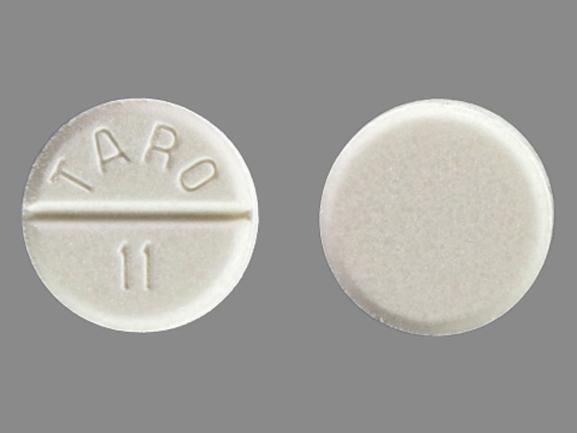
Carbamazepine Side Effects
Medically reviewed by Drugs.com. Last updated on Nov 22, 2024.
Applies to carbamazepine: oral capsule extended release, oral suspension, oral tablet, oral tablet chewable, oral tablet extended release.
Important warnings
This medicine can cause some serious health issues
Oral route (tablet; tablet, chewable; suspension; tablet, extended release; capsule, extended release)
Serious and sometimes fatal dermatologic reactions (including Stevens-Johnson syndrome and toxic epidermal necrolysis) have been reported, especially in patients with the inherited allelic variant HLA-B*1502.
Screen genetically at-risk patients prior to receiving carbamazepine.
Do not start carbamazepine in patients who test positive for the allele unless the benefit clearly outweighs the risk.
Discontinue if you suspect that the patient has a serious dermatologic reaction. Aplastic anemia and agranulocytosis have also been reported.
Obtain pretreatment hematological testing and periodically monitor CBC.
Consider drug discontinuation if significant bone marrow depression develops.
Precautions
It is very important that your doctor check your or your child's progress at regular visits to make sure this medicine is working properly. Blood and urine tests may be needed to check for unwanted effects.
Using this medicine while you are pregnant can harm your unborn baby. Use an effective form of birth control to keep from getting pregnant. If you think you have become pregnant while using the medicine, tell your doctor right away.
Do not take carbamazepine together with a monoamine oxidase inhibitor (MAOI) or during the first 14 days after you stop taking a MAOI. MAOIs are used for depression and some examples are isocarboxazid (Marplan®), phenelzine (Nardil®), procarbazine (Matulane®), selegiline (Eldepryl®), or tranylcypromine (Parnate®). Do not use this medicine together with nefazodone (Serzone®) and certain medicines for HIV/AIDS (such as delavirdine, efavirenz, Atripla®, Sustiva®, Rescriptor®).
If you plan to have children, talk with your doctor before using this medicine. Some men using this medicine have become infertile (unable to have children).
Carbamazepine may cause some people to be agitated, irritable, or display other abnormal behaviors. It may also cause some people to have suicidal thoughts and tendencies or to become more depressed. If you, your child, or your caregiver notice any of these unwanted effects, tell your doctor right away.
Check with your doctor right away if a fever, sore throat, rash, ulcers in the mouth, nosebleeds, bleeding gums, swollen glands, or small red or purple spots on the skin occur. These could be symptoms of a serious blood problem.
This medicine may cause serious skin reactions (eg, Stevens-Johnson syndrome and toxic epidermal necrolysis), which can be life-threatening and require immediate medical attention. Check with your doctor right away if you or your child has blistering, peeling, or loosening of the skin, chills, cough, diarrhea, itching, joint or muscle pain, red irritated eyes, red skin lesions, often with a purple center, sore throat, sores, ulcers, or white spots in the mouth, or on the lips, or unusual tiredness or weakness while you are using this medicine.
This medicine may cause a condition called drug reaction with eosinophilia and systemic symptoms (DRESS), which is a serious allergic reaction affecting multiple body organs (eg, liver or kidney). Check with your doctor right away if you have fever, dark urine, headache, rash, stomach pain, swollen, painful, or tender lymph glands in the neck, armpit, or groin, unusual tiredness, or yellow eyes or skin.
This medicine may cause some people to be agitated, irritable, or display other abnormal behaviors. It may also cause some people to have suicidal thoughts and tendencies or to become more depressed. If you, your child, or your caregiver notice any of these side effects, tell your doctor or your child's doctor right away.
This medicine may cause serious allergic reactions, including anaphylaxis and angioedema, which can be life-threatening and require immediate medical attention. Tell your doctor right away if you or your child have a rash, itching, hoarseness, trouble breathing, trouble swallowing, or any swelling of your hands, face, or mouth after using this medicine.
This medicine will add to the effects of alcohol and other CNS depressants (medicines that cause drowsiness). Some examples of CNS depressants are antihistamines or medicine for hay fever, other allergies, or colds, sedatives, tranquilizers, or sleeping medicine, prescription pain medicine or narcotics, medicine for seizures (eg, barbiturates), muscle relaxants, or anesthetics, including some dental anesthetics. Check with your doctor before taking any of the above while you or your child are using this medicine.
This medicine may cause some people to become drowsy, dizzy, lightheaded, or less alert than they are normally, especially when they are starting treatment or increasing the dose. It may also cause blurred or double vision, weakness, or loss of muscle control in some people. Do not drive or do anything else that could be dangerous until you know how this medicine affects you.
Check with your doctor immediately if blurred vision, difficulty in reading, or any other changes in vision occur during or after treatment. Your doctor may want you to have your eyes checked by an ophthalmologist (eye doctor).
Some people who take carbamazepine may become more sensitive to sunlight than they are normally. Exposure to sunlight, even for brief periods of time, may cause skin rash, itching, redness or other discoloration of the skin, or a severe sunburn. When you begin taking this medicine:
- Stay out of direct sunlight, especially between the hours of 10:00 AM and 3:00 PM, if possible.
- Wear protective clothing, including a hat. Also, wear sunglasses.
- Apply a sun block product that has a sun protection factor (SPF) of at least 15. Some patients may require a product with a higher SPF number, especially if they have a fair complexion. If you have any questions about this, check with your doctor.
- Apply a sun block lipstick that has an SPF of at least 15 to protect your lips.
- Do not use a sunlamp or tanning bed or booth.
If you have a severe reaction from the sun, check with your doctor.
Before having any medical tests, tell the medical doctor in charge that you are taking this medicine. The results of some pregnancy tests may be affected by this medicine.
Do not Stop taking carbamazepine without first checking with your doctor. Your doctor may want you or your child to gradually reduce the amount you are using before stopping it completely. This may help prevent worsening of seizures and reduce the possibility of withdrawal symptoms.
Birth control pills containing estrogen may not work properly if you take them while you are taking carbamazepine. Unplanned pregnancies may occur. Use a different or additional means of birth control while you are taking carbamazepine. If you have any questions about this, check with your doctor.
Do not take other medicines unless they have been discussed with your doctor. This includes prescription or nonprescription (over-the-counter [OTC]) medicines and herbal or vitamin supplements.
Serious side effects of carbamazepine
Along with its needed effects, carbamazepine may cause some unwanted effects. Although not all of these side effects may occur, if they do occur they may need medical attention.
Check with your doctor immediately if any of the following side effects occur while taking carbamazepine:
More common side effects
- blurred vision or double vision
- continuous back-and-forth eye movements
Less common side effects
- actions that are out of control
- behavioral changes (especially in children)
- confusion, agitation, or hostility (especially in the elderly)
- diarrhea (severe)
- discouragement
- drooling
- fear
- feeling of unreality
- feeling sad or empty
- headache (continuing)
- increase in seizures
- irritability
- lack of appetite
- loss of balance control
- loss of interest or pleasure
- muscle trembling, jerking, or stiffness
- nausea (severe)
- other problems with muscle control or coordination
- sense of detachment from self or body
- shakiness and unsteady walk
- shuffling walk
- stiffness of the arm or leg
- sudden, wide mood swings
- talking, feeling, and acting with excitement
- thoughts or attempts of killing oneself
- tiredness
- trouble concentrating
- trouble sleeping
- twisting movements of the body
- uncontrolled movements, especially of the face, neck, and back
- unusual drowsiness
- vomiting (severe)
Rare side effects
- black, tarry stools
- blood in the urine or stools
- bone or joint pain
- chest pain or tightness
- cough
- darkening of the urine
- difficulty with speaking or slurred speech
- fainting
- frequent urination
- hoarseness
- irregular, pounding, or unusually slow heartbeat
- lower back or side pain
- mental depression with restlessness and nervousness or other mood or mental changes
- muscle or stomach cramps
- nosebleeds or other unusual bleeding or bruising
- numbness, tingling, pain, or weakness in the hands and feet
- pain, tenderness, swelling, or bluish color in the leg or foot
- painful or difficult urination
- pale stools
- pinpoint red spots on the skin
- rapid weight gain
- rigidity
- ringing, buzzing, or other unexplained sounds in the ears
- skin rash, hives, or itching
- sores, ulcers, or white spots on the lips or in the mouth
- swelling of the face, hands, feet, or lower legs
- swollen or painful glands
- sudden decrease in the amount of urine
- trembling
- trouble breathing
- uncontrolled body movements
- unusual tiredness or weakness
- visual hallucinations (seeing things that are not there)
- yellow eyes or skin
Incidence not known
- blistering, peeling, or loosening of the skin
- chills
- decreased urine output
- dilated neck veins
- extreme tiredness or weakness
- general feeling of discomfort or illness
- irregular breathing
- irregular heartbeat
- joint or muscle pain
- red skin lesions, often with a purple center
- red, irritated eyes
- sore throat
- swelling of the face, fingers, feet, or lower legs
- thickening of bronchial secretions
- unusual bleeding or bruising
- weight gain
Other side effects of carbamazepine
Some side effects of carbamazepine may occur that usually do not need medical attention. These side effects may go away during treatment as your body adjusts to the medicine. Also, your health care professional may be able to tell you about ways to prevent or reduce some of these side effects.
Check with your health care professional if any of the following side effects continue or are bothersome or if you have any questions about them:
More common side effects
- dizziness (mild)
- drowsiness (mild)
- lightheadedness
- nausea (mild)
- vomiting (mild)
Incidence not known
- accidental injury
- aching joints or muscles
- back pain
- belching
- constipation
- dryness of the mouth
- headache
- heartburn
- increased sensitivity of the skin to sunlight (skin rash, itching, redness or other discoloration of the skin, or severe sunburn)
- increased sweating
- indigestion
- irritation or soreness of the tongue or mouth
- lack or loss of strength
- loss of hair
- loss of memory
- problems with memory
- sexual problems in males
- sleepiness
- stomach pain, upset, or discomfort
See also:
Vraylar
Vraylar is a once a day antipsychotic medication used to treat mental health or mood disorders ...
Tegretol
Tegretol (carbamazepine) is used to treat seizures, nerve pain and bipolar disorder. Includes ...
Caplyta
Caplyta is used to treat schizophrenia or depression associated with bipolar disorder. It is taken ...
Carbatrol
Carbatrol is used for epilepsy, schizoaffective disorder, trigeminal neuralgia
Tegretol XR
Tegretol XR is used for epilepsy, schizoaffective disorder, trigeminal neuralgia
Equetro
Equetro (carbamazepine) is used for the treatment of acute manic and mixed episodes associated with ...
For healthcare professionals
Applies to carbamazepine: compounding powder, intravenous solution, oral capsule extended release, oral suspension, oral tablet, oral tablet chewable, oral tablet extended release.
Gastrointestinal adverse events
- Very common (10% or more): Nausea (29%), vomiting (18%), constipation (10%)
- Very rare (less than 0.01%): Colitis, glossitis, stomatitis, pancreatitis
- Frequency not reported: Dryness of the mouth, with suppositories occasional rectal irritation may occur, diarrhea, oral ulceration
- Postmarketing reports: Gastric distress, abdominal pain, anorexia[Ref]
Endocrine
- Very rare (less than 0.01%): Increase in prolactin (with or without symptoms such as gynecomastia or galactorrhea), impaired male fertility and/or abnormal spermatogenesis, abnormal thyroid function tests (e.g., decreased L-thyroxine [FT4, T4, T3] and increased TSH)
- Frequency not reported: Lower serum testosterone, lower free androgen indexes, increased cerebrospinal fluid thyrotropin-releasing hormone levels[Ref]
Carbamazepine increases the rate of T4 and T3 metabolism and may lead to hypothyroidism in patients with hypothyroidism who are being treated with T4. Carbamazepine may also cause a 20% to 40% decrease in serum total and free T4 concentrations and a smaller decrease in serum total and free T3 concentrations in patients who have no thyroid disease.[Ref]
Hematologic
- Very common (10% or more): Leucopenia
- Common (1% to 10%): Eosinophilia, thrombocytopenia, neutropenia
- Rare (0.01% to 0.1%): Leukocytosis, lymphadenopathy, folic acid deficiency
- Very rare (less than 0.01%): Agranulocytosis, aplastic anemia, pure red cell aplasia, megaloblastic anemia, acute intermittent porphyria, reticulocytosis, hemolytic anemia
- Frequency not reported: Aplastic anemia, pancytopenia, bone marrow depression, leukopenia, thrombophlebitis, thromboembolism, adenopathy[Ref]
Thrombocytopenia is the most common hematologic effect of carbamazepine and may be either mild and transient or severe. Significant decreases in white blood cell counts may occur although the values may still be within the normal range. Often counts will return to baseline during continued therapy, and therefore, discontinuation of carbamazepine may not be necessary. Dose reductions may also result in normalization of white blood cell counts. Aplastic anemia has been reported (although many of the reported cases had confounding exposures to other medications). The manufacturer reports an incidence of 2 per 1,000,000 patients for aplastic anemia and 6 per 1,000,000 patients for agranulocytosis. Cases of reticulocytosis have been reported rarely in association with carbamazepine therapy as well. In addition, cases of hemolytic anemia and erythroid arrest have been reported.
Both humoral and nonimmune mechanisms have been implicated in the etiology of carbamazepine-induced bone marrow suppression.[Ref]
Cardiovascular
- Rare (0.01% to 0.1%): Disturbances of cardiac conduction
- Very rare (less than 0.01%): Bradycardia, arrhythmias, AV-block with syncope, collapse, congestive heart failure, hypertension or hypotension, aggravation of coronary artery disease, thrombophlebitis, thromboembolism
- Frequency not reported: Edema[Ref]
Most of the cases of cardiovascular effects reported have occurred in patients receiving carbamazepine for trigeminal neuralgia. The reported effects included congestive heart failure, edema, hypotension, syncope and arrhythmias. In general, the doses were titrated quickly because of severe pain. Many of the doses were higher than those used to treat epilepsy. Many of the reported cardiovascular effects resolved after discontinuation of carbamazepine.[Ref]
Nervous system
- Very common (10% or more): Dizziness (44%), somnolence (32%), ataxia (15%)
- Common (1% to 10%): Headache, tremor
- Uncommon (0.1% to 1%): Abnormal involuntary movements (tremor, asterixis, dystonia, tics)
- Rare (less than 0.1%): Choreoathetotic disorders, orofacial dyskinesia, oculomotor disturbances, speech disorders (e.g., dysarthria or slurred speech), peripheral neuritis, paresthesia, paretic symptoms, neuroleptic malignant syndrome
- Frequency not reported: Drowsiness, fatigue, taste disturbances[Ref]
Rigidity and oculogyric crises have been reported. Impairment of psychomotor function has been noted in association with use of the liquid suspension of carbamazepine. Additionally, impaired cognition, exacerbations of focal seizures and asterixis have been reported in association with carbamazepine treatment. One case of a lingual-facial-buccal extrapyramidal reaction has also been described.
One study has suggested that gradual withdrawal of carbamazepine over ten days results in significantly fewer generalized tonic-clonic seizures compared to rapid withdrawal over four days.
One study has suggested that the epoxide metabolite of carbamazepine may be responsible for the occasional occurrence of seizure exacerbations in patients receiving carbamazepine.[Ref]
Hypersensitivity
- Rare (0.01% to 0.1%): A delayed multi-organ hypersensitivity disorder (of serum sickness type) with fever, skin rashes, vasculitis, lymphadenopathy, disorders mimicking lymphoma, arthralgia, leucopenia, eosinophilia, hepato-splenomegaly and abnormal liver function tests, occurring in various combinations, other organs may also be affected (e.g., lungs, kidneys, pancreas, myocardium, colon)
- Very rare (less than 0.01%): Aseptic meningitis (with myoclonus and peripheral eosinophilia), anaphylactic reaction, angioedema
- Frequency not reported: Multiorgan hypersensitivity reactions occurring days, weeks, or months after initiating treatment[Ref]
Rash and pruritus often resolve after discontinuation of carbamazepine therapy. Both cases of lupus-like syndrome resolved after discontinuation of carbamazepine. Stevens-Johnson syndrome, erythema multiforme, and a mononucleosis-like syndrome have also been reported.[Ref]
Hepatic
- Very common (10% or more): Elevated gamma-GT (due to hepatic enzyme induction) usually not clinically relevant
- Common (1% to 10%): Elevated alkaline phosphatase
- Uncommon (0.1% to 1%): Elevated transaminases
- Rare (0.01% to 0.1%): Cholestatic and hepatocellular jaundice, hepatitis of cholestatic, parenchymal (hepatocellular), or mixed type
- Very rare (less than 0.01%): Granulomatous hepatitis, hepatic failure
- Frequency not reported: Liver function test abnormalities, variegate porphyria, porphyria cutanea tarda[Ref]
Alterations in liver function tests may progress to hepatotoxicity including cholangitis, granuloma formation, fever and hepatocellular necrosis. Discontinuation of carbamazepine often results in improvement in laboratory abnormalities and liver injury.[Ref]
Renal
- Very rare (less than 0.01%): Interstitial nephritis, renal failure, renal dysfunction (including albuminuria, hematuria, oliguria, and elevated BUN/azotemia)[Ref]
Respiratory
- Very rare (less than 0.01%): Pulmonary hypersensitivity (characterized by fever, dyspnea, pneumonitis or pneumonia), pulmonary embolism[Ref]
Dermatologic
- Very common (10% or more): Allergic skin reactions, urticaria
- Common (1% to 10%): Pruritus, rash, paresthesia
- Uncommon (0.1% to 1%): Exfoliative dermatitis, erythroderma
- Rare (0.01% to 0.1%): Systemic lupus erythematosus-like syndrome
- Very rare (less than 0.01%): Stevens-Johnson syndrome (SJS), toxic epidermal necrolysis (TEN), photosensitivity, erythema multiforme, erythema nodosum, alterations in skin pigmentation, purpura, acne, sweating, alopecia, hirsutism, unusual bruising, pruritic and erythematous rashes, diaphoresis, onychomycosis, dermatitis
- Frequency not reported: Psoriasiform eruption[Ref]
Dangerous, sometimes fatal skin reactions (Stevens Johnson syndrome and toxic epidermal necrolysis), that can be caused by carbamazepine therapy are significantly more common in patients with the human leukocyte antigen (HLA) allele, HLA-B 1502. This allele occurs almost exclusively in patients with ancestry across broad areas of Asia, including South Asian Indians. Patients with ancestry from areas in which HLA-B 1502 is present should be screened for the HLA-B 1502 allele before starting treatment with carbamazepine. If these individuals test positive, carbamazepine should not be started unless the expected benefit clearly outweighs the increased risk of serious skin reactions. Patients who have been taking carbamazepine for more than a few months without developing skin reactions are at low risk of these events ever developing from carbamazepine. This is true for patients of any ethnicity or genotype, including patients who test positive for HLA-B 1502.[Ref]
Ocular
- Common (1% to 10%): Diplopia, accommodation disorders (blurred vision)
- Very rare (less than 0.01%): Lens opacities, conjunctivitis
- Postmarketing reports: Diplopia, oculomotor disturbances, nystagmus, photosensitivity, visual hallucinations, scattered punctate cortical lens opacities, overall impairment of the chromatic and achromatic systems, increased intraocular pressure[Ref]
Oncologic
- Frequency not reported: Disorders mimicking lymphoma[Ref]
Immunologic
- Frequency not reported: Antibody deficiency, hypogammaglobulinemia
- Postmarketing reports: Aseptic meningitis (with myoclonus and peripheral eosinophilia)[Ref]
Psychiatric
- Common (1% to 10%): Abnormal thinking
- Rare (0.01% to 0.1%): Hallucinations (visual or acoustic), depression, loss of appetite, restlessness, aggressive behavior, agitation, confusion, talkativeness
- Very rare (less than 0.01%): Activation of psychosis, rebound mania following discontinuation of therapy
- Frequency not reported: Euphoria, abuse[Ref]
Euphoria has also been reported and has led to abuse of carbamazepine in some patients[Ref]
Genitourinary
- Very rare (less than 0.01%): Sexual disturbances/impotence, abnormal spermatogenesis (with decreased sperm count and/or motility)
- Frequency not reported: Urinary frequency, acute urinary retention, oliguria with elevated blood pressure, azotemia, albuminuria, glycosuria, elevated BUN, microscopic deposits in the urine[Ref]
Metabolic
- Common (1% to 10%): Hyponatremia, fluid retention, edema, weight gain, reduced plasma osmolarity due to an antidiuretic hormone (ADH)-like effect (leading in rare cases to water intoxication accompanied by lethargy)
- Very rare (less than 0.01%): Elevated cholesterol (including HDL cholesterol), elevated triglycerides[Ref]
Musculoskeletal
- Rare (0.01% to 0.1%): Muscle weakness
- Very rare (less than 0.01%): Arthralgia
- Frequency not reported: Osteoporosis, disturbances of bone metabolism (decrease in plasma calcium and 25-OH-cholecalciferol) leading to osteomalacia, decreased levels of plasma calcium[Ref]
Other
- Common (1% to 10%): Vertigo
- Very rare (less than 0.01%): Tinnitus, hyperacusis, hypoacusis, changes in pitch perception
- Frequency not reported: Fever and chills[Ref]
References
1. Pellock JM (1987) "Carbamazepine side effects in children and adults." Epilepsia, 28, s64-70
2. Soman M, Swenson C (1985) "A possible case of carbamazepine-induced pancreatitis." Drug Intell Clin Pharm, 19, p. 925-7
3. (2002) "Product Information. Tegretol (carbamazepine)." Novartis Pharmaceuticals
4. Tsao CY, Wright FS (1993) "Acute chemical pancreatitis associated with carbamazepine intoxication." Epilepsia, 34, p. 174-6
5. Hebert AA, Ralston JP (2001) "Cutaneous reactions to anticonvulsant medications." J Clin Psychiatry, 62, p. 22-6
6. Cerner Multum, Inc. "UK Summary of Product Characteristics."
7. Cerner Multum, Inc. "Australian Product Information."
8. Kalff R, Houtkooper MA, Meyer JW, et al. (1984) "Carbamazepine and serum sodium levels." Epilepsia, 24, p. 390-7
9. Uhde TW, Post RM (1983) "Effects of carbamazepine on serum electrolytes: clinical and theoretical implications." J Clin Psychopharmacol, 3, p. 103-6
10. Strandjord RE, AAnderud S, Myking OL, Johannessen SI (1981) "Influence of carbamazepine on serum thyroxine and triiodothyronine in patients with epilepsy." Acta Neurol Scand, 63, p. 111-21
11. Isojarvi JI, Airaksinen KE, Repo M, Pakarinen AJ, Salmela P, Myllyla VV (1993) "Carbamazepine, serum thyroid hormones and myocardial function in epileptic patients." J Neurol Neurosurg Psychiatry, 56, p. 710-2
12. Tormey WP (1993) "Mechanisms of carbamazepine-induced antidiuresis." J Neurol Neurosurg Psychiatry, 56, p. 567
13. Kamiyama T, Iseki K, Kawazoe N, Takishita S, Fukiyama K (1993) "Carbamazepine-induced hyponatremia in a patient with partial central diabetes insipidus." Nephron, 64, p. 142-5
14. Gandelman MS (1994) "Review of carbamazepine-induced hyponatremia." Prog Neuropsychopharmacol Biol Psychiatry, 18, p. 211-33
15. Delzompo M, Bocchetta A, Loviselli A, Martino E, Post RM, Ketter TA (1994) "Thyroid function during carbamazepine." Biol Psychiatry, 36, p. 135-6
16. Brewerton TD, Jackson CW (1994) "Prophylaxis of carbamazepine-induced hyponatremia by demeclocycline in 6 patients." J Clin Psychiatry, 55, p. 249-51
17. Otto C, Richter WO (1994) "Syndrome of inappropriate antidiuretic hormone secretion induced by different drugs." Ann Pharmacother, 28, p. 1199-200
18. Marangell LB, George MS, Bissette G, Pazzaglia P, Huggins T, Post RM (1994) "Carbamazepine increases cerebrospinal fluid thyrotropin-releasing hormone levels in affectively ill patients." Arch Gen Psychiatry, 51, p. 625-8
19. Isojarvi JIT, Pakarinen AJ, Rautio A, Pelkonen O, Myllyla VV (1994) "Liver enzyme induction and serum lipid levels after replacement of carbamazepine with oxcarbazepine." Epilepsia, 35, p. 1217-20
20. Verrotti A, Basciani F, Morresi S, Morgese G, Chiarelli F (2001) "Thyroid hormones in epileptic children receiving carbamazepine and valproic acid." Pediatr Neurol, 25, p. 43-6
21. Kuz GM, Manssourian A (2005) "Carbamazepine-induced hyponatremia: assessment of risk factors." Ann Pharmacother, 39, p. 1943-6
22. Lofgren E, Tapanainen JS, Koivunen R, Pakarinen A, Isojarvi JI (2006) "Effects of carbamazepine and oxcarbazepine on the reproductive endocrine function in women with epilepsy." Epilepsia, 47, p. 1441-6
23. Sobotka JL, Alexander B, Cook BL (1990) "A review of carbamazepine's hematologic reactions and monitoring recommendations." DICP, 24, p. 1214-9
24. Tohen M, Castillo J, Cole JO, et al. (1991) "Thrombocytopenia associated with carbamazepine: a case series." J Clin Psychiatry, 52, p. 496-8
25. Stroink AR, Skillrud DM, Kiely JM, Sundt TM Jr (1984) "Carbamazepine-induced hemolytic anemia." Acta Haematol, 72, p. 346-8
26. Shoenfeld Y, Ben Baruch N, Livni E, et al. (1982) "Carbamazepine (tegretol)-induced thrombocytopenia." Acta Haematol, 68, p. 74
27. Medberry CA, Pappas AA, Ackerman BH (1987) "Carbamazepine and erythroid arrest." Drug Intell Clin Pharm, 21, p. 439-41
28. Ponte CD (1983) "Carbamazepine-induced thrombocytopenia, rash, and hepatic dysfunction." Drug Intell Clin Pharm, 17, p. 642-4
29. Baciewicz G, Yerevanian BI (1984) "Thrombocytopenia associated with carbamazepine: case report and review." J Clin Psychiatry, 45, p. 315-6
30. Hawson GA, Bain BJ, Whyte I (1980) "Agranulocytosis after administration of carbamazepine." Med J Aust, Jan, p. 82-3
31. Rush JA, Beran RG (1984) "Leucopenia as an adverse reaction to carbamazepine therapy." Med J Aust, 140, p. 426-8
32. Schweiger FJ, Kelton JG, Messner H, et al. (1988) "Anticonvulsant-induced marrow suppression and immune thrombocytopenia." Acta Haematol, 80, p. 54-8
33. Terao T (1993) "Reticulocyte increase and carbamazepine." Am J Psychiatry, 150, p. 1271-2
34. Terao T (1993) "Transient thrombocytopenia while continuing carbamazepine." Am J Psychiatry, 150, p. 1750-1
35. Levander HG (1980) "Granulomatous hepatitis in a patient receiving carbamazepine." Acta Med Scand, 208, p. 333-5
36. Boesen F, Andersen EB, Jensen EK, Ladefoged SD (1983) "Cardiac conduction disturbances during carbamazepine therapy." Acta Neurol Scand, 68, p. 49-52
37. Kenneback G, Bergfeldt L, Vallin H, et al. (1991) "Electrophysiologic effects and clinical hazards of carbamazepine treatment for neurologic disorders in patients with abnormalities of thecardiac conduction system." Am Heart J, 121, p. 1421-9
38. Weig SG, Pollack P (1993) "Carbamazepine-induced heart block in a child with tuberous sclerosis and cardiac rhabdomyoma - implications for evaluation and follow-up." Ann Neurol, 34, p. 617-9
39. Steckler TL (1994) "Lithium- and carbamazepine-associated sinus node dysfunction: nine-year experience in a psychiatric hospital." J Clin Psychopharmacol, 14, p. 336-9
40. Verma SP, Yunis N, Lekos A, Crausman RS (2000) "Carbamazepine-induced systemic lupus erythematosus presenting as cardiac tamponade." Chest, 117, p. 597-8
41. Hennessy MJ, Tighe MG, Binnie CD, Nashef L (2001) "Sudden withdrawal of carbamazepine increases cardiac sympathetic activity in sleep." Neurology, 57, p. 1650-4
42. Joyce RP, Gunderson CH (1980) "Carbamazepine-induced orofacial dyskinesia." Neurology, 30, p. 1333-4
43. Ambrosetto G, Riva R, Baruzzi A (1984) "Hyperammonemia in asterixis induced by carbamazepine: two case reports." Acta Neurol Scand, 69, p. 186-9
44. Stuppaeck CH, Whitworth AB, Fleischhacker WW (1993) "Abuse potential of carbamazepine." J Nerv Ment Dis, 181, p. 519-20
45. Wildin JD, Pleuvry BJ, Mawer GE (1993) "Impairment of psychomotor function at modest plasma concentrations of carbamazepine after administration of the liquid suspension to naive subjects." Br J Clin Pharmacol, 35, p. 14-9
46. Neufeld MY (1993) "Exacerbation of focal seizures due to carbamazepine treatment in an adult patient." Clin Neuropharmacol, 16, p. 359-61
47. Malow BA, Blaxton TA, Stertz B, Theodore WH (1993) "Carbamazepine withdrawal - effects of taper rate on seizure frequency." Neurology, 43, p. 2280-4
48. Pulliainen V, Jokelainen M (1994) "Effects of phenytoin and carbamazepine on cognitive functions in newly diagnosed epileptic patients." Acta Neurol Scand, 89, p. 81-6
49. So EL, Ruggles KH, Cascino GD, Ahmann PA, Weatherford KW (1994) "Seizure exacerbation and status epilepticus related to carbamazepine-10,11-epoxide." Ann Neurol, 35, p. 743-6
50. Smith KR, Goulding PM, Wilderman D, Goldfader PR, Holtermanhommes P, Wei FF (1994) "Neurobehavioral effects of phenytoin and carbamazepine in patients recovering from brain trauma: a comparative study." Arch Neurol, 51, p. 653-60
51. Roberts DL, Marks R (1981) "Skin reactions to carbamazepine." Arch Dermatol, 117, p. 273-5
52. Bateman DE (1985) "Carbamazepine induced systemic lupus erythematosus: case report." Br Med J, 291, p. 632-3
53. De Giorgio CM, Rabinowicz AL, Olivas RD (1991) "Carbamazepine-induced antinuclear antibodies and systemic lupus erythematosus-like syndrome." Epilepsia, 32, p. 128-9
54. Meisel S, North CQ (1984) "Carbamazepine-associated erythema multiforme with extreme eosinophilia." Clin Pharm, 3, p. 15-9
55. Merino N, Duran JA, Jimenez MC, Ravella R (1994) "Multisystem hypersensitivity reaction to carbamazepine." Ann Pharmacother, 28, p. 402-3
56. Takahashi N, Aizawa H, Takata S, Matsumoto K, Koto H, Inoue H, Hara N (1993) "Acute interstitial pneumonitis induced by carbamazepine." Eur Respir J, 6, p. 1409-11
57. Parha S, Garoufi A, Yiallouros P, Theodoridis C, Karpathios T (1993) "Carbamazepine hypersensitivity and rickettsiosis mimicking kawasaki disease." Eur J Pediatr, 152, p. 1040-1
58. Richens A, Davidson DLW, Cartlidge NEF, Easter DJ (1994) "A multicentre comparative trial of sodium valproate and carbamazepine in adult onset epilepsy." J Neurol Neurosurg Psychiatry, 57, p. 682-7
59. Roujeau JC, Kelly JP, Naldi L, et al. (1995) "Medication use and the risk of Stevens-Johnson syndrome or toxic epidermal necrolysis." N Engl J Med, 333, p. 1600-7
60. Suzuki Y, Fukuda M, Tohyama M, Ishikawa M, Yasukawa M, Ishii E (2008) "Carbamazepine-induced drug-induced hypersensitivity syndrome in a 14-year-old Japanese boy." Epilepsia, 49, p. 2118-21
61. Fsadni C, Fsadni P, Piscopo T, Mallia Azzopardi C (2008) "Carbamazepine-induced drug reaction with eosinophilia and systemic symptoms syndrome in a 35-year-old man with epilepsy." Clin Neuropharmacol, 31, p. 295-8
62. Levy M, Goodman MW, Van Dyne BJ, Sumner HW (1981) "Granulomatous hepatitis secondary to carbamazepine." Ann Intern Med, 95, p. 64-5
63. Larrey D, Hadengue A, Pessayre D, et al. (1987) "Carbamazepine-induced acute cholangitis." Dig Dis Sci, 32, p. 554-7
64. Horowitz S, Patwardhan R, Marcus E (1988) "Hepatotoxic reactions associated with carbamazepine therapy." Epilepsia, 29, p. 149-54
65. Hopen G, Nesthus I, Laerum OD (1981) "Fatal carbamazepine-associated hepatitis." Acta Med Scand, 210, p. 333-5
66. Sheridan WP, King RW, Gerstman M (1982) "Fever as an adverse reaction to carbamazepine." Aust N Z J Med, 12, p. 520-2
67. Swinburn BA, Croxson MS, Miller MV, Crawford KB (1986) "Carbamazepine induced granulomatous hepatitis." N Z Med J, Mar, p. 167
68. Soffer EE, Taylor RJ, Bertram PD, et al. (1983) "Carbamazepine-induced liver injury." South Med J, 76, p. 681-3
69. Laspina I, Secchi P, Grampa G, Uccellini D, Porazzi D (1994) "Acute cholangitis induced by carbamazepine." Epilepsia, 35, p. 1029-31
70. Hogg RJ, Sawyer M, Hecox K, Eigenbrodt E (1981) "Carbamazepine-induced acute tubulointerstitial nephritis." J Pediatr, 98, p. 830-2
71. Hegbrant J, Kurkus J, Oqvist B (1993) "Carbamazepine-related acute renal failure." Neurology, 43, p. 446-7
72. Jubert P, Almirall J, Casanovas A, Garcia M (1994) "Carbamazepine-induced acute renal failure." Nephron, 66, p. 121
73. King GG, Barnes DJ, Hayes MJ (1994) "Carbamazepine-induced pneumonitis." Med J Aust, 160, p. 126-7
74. Brenner S, Wolf R, Landau M, Politi Y (1994) "Psoriasiform eruption induced by anticonvulsants." Isr J Med Sci, 30, p. 283-6
75. Mecarelli O, Rinalduzzi S, Accornero N (2001) "Changes in color vision after a single dose of vigabatrin or carbamazepine in healthy volunteers." Clin Neuropharmacol, 24, p. 23-6
76. DiLernia V, Viglio A, Cattania M, Paulli M (2001) "Carbamazepine-induced, CD30(+), primary, cutaneous, anaplastic large-cell lymphoma." Arch Dermatol, 137, p. 675-6
77. Hayman G, Bansal A (2002) "Antibody deficiency associated with carbamazepine." BMJ, 325, p. 1213
78. Sanacora G, Kendell SF, Fenton L, Coric V, Krystal JH (2004) "Riluzole augmentation for treatment-resistant depression." Am J Psychiatry, 161, p. 2132
More about carbamazepine
- Check interactions
- Compare alternatives
- Pricing & coupons
- Reviews (353)
- Drug images
- Dosage information
- Patient tips
- During pregnancy
- Drug class: dibenzazepine anticonvulsants
- Breastfeeding
- En español
Patient resources
Other brands
Tegretol, Carbatrol, Tegretol XR, Equetro, ... +2 more
Professional resources
- Carbamazepine monograph
- Carbamazepine (FDA)
- Carbamazepine Capsules (FDA)
- Carbamazepine Chewable (FDA)
- Carbamazepine ER (FDA)
- Carbamazepine Oral Suspension (FDA)
Other brands
Tegretol, Carbatrol, Equetro, Epitol, Carnexiv
Related treatment guides
Further information
Carbamazepine side effects can vary depending on the individual. Always consult your healthcare provider to ensure the information displayed on this page applies to your personal circumstances.
Note: Medication side effects may be underreported. If you are experiencing side effects that are not listed, submit a report to the FDA by following this guide.