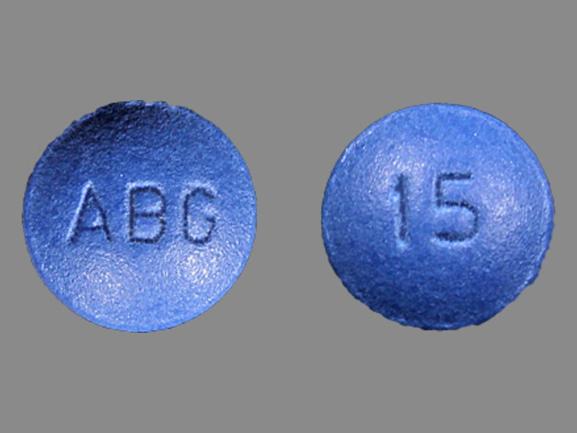
Morphine Sulfate (Monograph)
Brand names: Duramorph, Infumorph, MS Contin
Drug class: Opioid Agonists
Warning
Risk Evaluation and Mitigation Strategy (REMS):
FDA approved a REMS for morphine under a shared REMS system (Opioid Analgesic REMS) to ensure that the benefits outweigh the risks. The REMS may apply to one or more preparations of morphine and consists of the following: medication guide and elements to assure safe use. See https://www.accessdata.fda.gov/scripts/cder/rems/.
Warning
- Addiction, Abuse, and Misuse
-
Schedule II controlled substance; exposes users to the risks of addiction, abuse, and misuse which can lead to overdose and death.
-
Potential for abuse in a manner similar to other legal or illicit opiates. Consider abuse potential when prescribing or dispensing morphine preparations in situations where the clinician or pharmacist is concerned about increased risk of misuse, abuse, or diversion.
- Life-threatening Respiratory Depression
-
Serious, life-threatening, or fatal respiratory depression may occur, especially during initiation or following a dosage increase. To reduce the risk of respiratory depression, proper dosing and titration is essential.
-
Because of the risk of acute or delayed respiratory depression up to 24 hours when the epidural or intrathecal route of administration is employed, patients must be observed in a fully equipped and staffed environment for at least 24 hours after the initial dose.
-
Rapid IV administration may result in overdosing because of delay (30 minutes) in maximum CNS effect with IV administered morphine.
-
Swallow extended-release preparations whole. Chewing, crushing, or dissolving any of these extended-release preparations (including capsule pellets) could result in rapid release and absorption of a potentially fatal dose.
-
Do not consume alcoholic beverages or prescription or nonprescription preparations containing alcohol during therapy with extended-release capsules; concomitant use could result in rapid release and absorption of a potentially fatal dose of morphine.
- Concomitant Use with Benzodiazepines or Other CNS Depressant
-
Concomitant use of opioid agonists with benzodiazepines or other CNS depressants, including alcohol, may result in profound sedation, respiratory depression, coma, and death.
-
Reserve concomitant use of opioid analgesics and benzodiazepines or other CNS depressants for patients in whom alternative treatment options are inadequate; use lowest effective dosages and shortest possible duration of concomitant therapy and monitor closely for respiratory depression and sedation.
- Neonatal Opioid Withdrawal Syndrome
-
Use for an extended period during pregnancy can result in withdrawal in the neonate, which may be life-threatening if not recognized and treated. Ensure that appropriate treatment will be available if used in pregnant women for an extended period.
- Risk of Accidental Overdose and Death due to Medication Errors
-
Accidental ingestion, especially by children, can result in a fatal overdose.
-
When prescribing, dispensing, and administering morphine sulfate oral solution, avoid dosing errors that may result from confusion between mg and mL and confusion with oral solutions of different concentrations. Ensure that the dose is communicated clearly and dispensed accurately.
Introduction
Opioid agonist; phenanthrene derivative.
Uses for Morphine Sulfate
Pain
Used to relieve acute or chronic pain severe enough to require an opioid analgesic and for which alternative treatments are inadequate. Because of the risks of addiction, abuse, and misuse with opioids, which can occur at any dosage or duration, reserve use in patients for whom alternative treatment options (e.g., non-opioid analgesics or opioid combination products) have not been tolerated (or not expected to be tolerated) or have not provided (or not expected to provide) adequate analgesia.
Should not be used for an extended period of time unless pain remains severe enough to require an opioid analgesic and for which alternative treatment options continue to be inadequate.
Commercially available in various preparations and formulations including immediate-release tablets, oral solution, extended-release tablets, extended-release capsules, rectal suppositories, and injection solutions for IV, IM, epidural, or intrathecal use.
Preservative-free injection solutions are indicated for IV, epidural, or intrathecal use. The preservative-free concentrated morphine sulfate injection (Infumorph) is indicated for use only in continuous microinfusion devices as an epidural or intrathecal infusion; designated an orphan drug by FDA for intraspinal administration using microinfusion devices in the treatment of intractable chronic pain.
Extended-release oral preparations may be used in patients with severe and persistent pain requiring prolonged treatment with a daily opioid analgesic and for which alternative treatment options are inadequate. Extended-release preparations should not be used on an as-needed (“prn”) basis.
Pain management should be individualized, patient-centered, and multimodal. Opioids can be essential, but associated with considerable potential harm including opioid use disorder and overdose. Therefore, safer and more effective treatments should be considered prior to initiating opioid therapy.
Multiple nonpharmacologic treatments (e.g., exercise, physical therapy, psychological therapies) and nonopioid drugs (e.g., serotonin and norepinephrine reuptake inhibitors [SNRIs], gabapentinoids, NSAIAs) have been shown to be at least as effective as opioids for many types of common pain conditions.
If opioids are used, clinicians should carefully evaluate risk of opioid-related harms and incorporate appropriate risk-mitigation strategies into treatment plan, including offering naloxone. If opioid therapy is required, oral administration of an immediate-release preparation at the lowest effective dosage generally is preferred.
CDC guidelines provide recommendations for the management of acute (duration <1 month), subacute (duration 1–3 months), and chronic pain (duration >3 months) in adults in the outpatient setting. Other guidelines provide recommendations for management of specific types of pain such as postoperative pain, cancer-related pain, sickle-cell pain, and pain associated with palliative care; although specific recommendations vary across these guidelines, common elements include risk mitigation strategies, careful dosage titration, and consideration of risks versus benefits.
Acute Coronary Syndrome (ACS)
Relief of pain and anxiety related to ACS.
Considered analgesic of choice for pain relief in patients with ST-segment-elevation MI (STEMI).
Considered reasonable in patients with non-ST-segment-elevation (NSTE) ACS who continue to experience pain despite treatment with maximally tolerated anti-ischemic drugs (e.g., nitrates). However, use of morphine should not preclude use of other anti-ischemic drugs with proven benefit.
Neonatal Opioid Withdrawal
Has been used to manage manifestations of opiate abstinence syndrome (i.e., postnatal withdrawal) in neonates† [off-label] exposed to opiates in utero.
Opioids are recommended as first-line pharmacologic therapy when environmental and supportive measures (e.g., minimization of external stimuli, maximization of mother-infant contact [e.g., parental “rooming in”], breast-feeding when not contraindicated, swaddling and gentle handling) are inadequate. May add other adjunctive therapy (e.g., clonidine, phenobarbital) if response to opiates is inadequate.
Morphine has been used more extensively than other opioids in the management of neonatal opiate abstinence syndrome; however, some studies suggest methadone or buprenorphine may be associated with shorter treatment durations and hospital stays. Additional study needed to establish optimal dosage schedules and preferred opioids and to evaluate longer-term (e.g., neurodevelopmental) outcomes.
Use of standardized protocols for identification, evaluation, and treatment recommended.
Morphine Sulfate Dosage and Administration
General
Pretreatment Screening
-
Prior to initiation, carefully evaluate risks and benefits of opioid therapy, and assess for opioid-related harms (e.g., addiction, abuse, misuse). Incorporate risk mitigation strategies into the treatment plan, including offering naloxone. Consider a discontinuation plan in case treatment needs to be withdrawn if benefits do not outweigh risks.
-
Review the patient’s history of controlled substance prescriptions using state prescription drug monitoring program (PDMP) data to determine whether the patient is receiving opioid dosages or combinations that put the patient at high risk for overdose.
-
Screen patients for sleep-related breathing disorders including central sleep apnea and sleep-related hypoxemia.
Patient Monitoring
-
When opioids are used for subacute or chronic pain, evaluate the benefits and risks within 1–4 weeks following initiation of therapy or an increase in dosage, and re-evaluate on an ongoing basis
-
Monitor patients closely for signs of sedation and respiratory depression, particularly when initiating therapy and following dosage increases.
-
Monitor and manage common adverse effects of opioid therapy (e.g., constipation, nausea and vomiting, cognitive and psychomotor impairment).
Dispensing and Administration Precautions
-
Based on the Institute for Safe Medication Practices (ISMP), morphine is a high-alert medication that has a heightened risk of causing significant patient harm when used in error.
- Handling and Disposal
-
Advise patients to store opioids in a secure and preferably locked location and discuss options for safe disposal of unused opioids.
- Administration Precautions for Oral Solution
-
Ensure accuracy when prescribing, dispensing, and administering morphine sulfate oral solution to avoid dosing errors due to confusion between mg and mL, and with other morphine sulfate oral solutions of different concentrations, which could result in accidental overdose and death. Ensure the proper dose is communicated and dispensed. When writing prescriptions, include both the total dose in mg and the total dose in volume.
-
Instruct patients and caregivers on how to accurately measure and administer the correct dose of morphine sulfate oral solution.
-
Strongly advise patients and caregivers to always use a graduated oral syringe when administering morphine sulfate oral solution to ensure the dose is measured and administered accurately.
- Administration Precautions for Parenteral Preparations
-
Dosing errors can result in accidental overdose and death. Avoid dosing errors that may result from confusion between mg and mL and with morphine injections of different concentrations when prescribing, dispensing, and administering morphine sulfate injection. Ensure that the dose is communicated and dispensed accurately.
-
Use parenteral preparations only for the intended, labeled route of administration (e.g., IV injection, continuous infusion, epidural, intrathecal) and with the appropriate infusion device (e.g., microinfusion, patient-controlled analgesia [PCA]).
-
Epidural or intrathecal morphine should be administered by or under the direction of a physician experienced in the techniques of epidural or intrathecal administration.
-
Because of the risk of severe adverse reactions when preservative-free morphine sulfate injection is administered by the epidural or intrathecal route, patients must be observed in a fully equipped and staffed environment for at least 24 hours after the initial dose.
REMS
-
FDA approved a REMS for morphine under a shared REMS system (Opioid Analgesic REMS).
-
The goals are to reduce the occurrence of addiction, unintentional overdosage, and death resulting from inappropriate prescribing, misuse, and abuse of opioid analgesics.
-
The REMS program consists of educational programs for health professionals, a patient counseling guide, and a product-specific medication guide for patients.
Administration
Administer by the oral, rectal, IV, IM, intrathecal, or epidural routes.
Parenteral Administration
Administer by IM or slow IV injection, or by IV infusion.
Preservative-free injections may also be administered epidurally or intrathecally.
Also has been administered sub-Q† [off-label].
Morphine sulfate 2, 4, 5, 8, and 10 mg/mL injections are available in single-dose prefilled syringes for direct IV or IM injection. IV injection should be administered slowly; rapid IV administration may result in chest wall rigidity.
Morphine sulfate 50 mg/mL injection is for continuous IV infusion only and should not be injected directly. Dilute commercially available injection in 5% dextrose or 0.9% sodium chloride injection to a concentration of 0.1–5 mg/mL. Individualize rate of IV infusion according to response and patient tolerance.
Morphine sulfate 0.5 and 1 mg/mL preservative-free injections may be administered IV, epidurally, or intrathecally. The Duramorph preparation is not for use in continuous microinfusion devices.
Morphine sulfate 10 and 25 mg/mL preservative-free injections are intended for use only with a continuous microinfusion device for intrathecal or epidural infusion.
Highly concentrated preservative-free morphine sulfate injections intended for continuous epidural or intrathecal infusion via a controlled-microinfusion device (e.g., Infumorph 10 or 25 mg/mL) are not recommended for IV, IM, or sub-Q administration of individual doses of the drug because of the large amount of morphine sulfate contained in each ampul (200 mg/20 mL, 500 mg/20 mL) and the attendant risk of substantial overdosage.
Morphine sulfate 1 mg/mL preservative-free injection is intended for use only with a compatible infusion device for PCA.
When administered IM, IV, epidurally, or intrathecally, an opioid antagonist and facilities for administration of oxygen and control of respiration should be available.
Single-dose neuraxial administration may result in acute or delayed respiratory depression; administer in a setting where adequate monitoring is possible and observe patients for at least 24 hours after initial dose.
When administered via continuous controlled microinfusion, monitor for at least 24 hours after administration of each test dose and for several days after surgical implantation of the catheter as appropriate.
Morphine sulfate injections are subject to substantial risk of overdosage, diversion, and abuse; implement special control measures within the institution, including restricted access, rigid accounting, and rigorous control of waste disposal.
Epidural and Intrathecal Administration
Specialized techniques are required for epidural or intrathecal administration; administer only by qualified individuals.
Epidural or intrathecal administration should be limited to the lumbar region; administration in the thoracic region associated with substantially increased frequency of respiratory depression, even at low doses.
Use epidural rather than intrathecal route whenever possible because of lower potential for adverse effects.
For additional information on epidural administration, consult the prescribing information for individual morphine sulfate preparations.
Highly concentrated, preservative-free morphine sulfate injections intended for continuous epidural or intrathecal infusion via a controlled-microinfusion device (e.g., Infumorph 10 or 25 mg/mL) should not be used for individual-dose epidural or intrathecal injection.
Standardize 4 Safety
Standardized concentrations for morphine have been established through Standardize 4 Safety (S4S), a national patient safety initiative to reduce medication errors, especially during transitions of care. Because recommendations from the S4S panels may differ from the manufacturer’s prescribing information, caution is advised when using concentrations that differ from labeling, particularly when using rate information from the label. For additional information on S4S (including updates that may be available), see [Web].
The S4S panel recommends trying to standardize dosing units but understand some protocols may use “flat” dosing while others may require weight-based dosing.
|
Patient Population |
Concentration Standard |
Dosing Units |
|---|---|---|
|
Adults |
1 mg/mL |
mg/hr |
|
5 mg/mL (based on high dose requirements) |
||
|
Pediatric patients (<50 kg) |
0.2 mg/mL |
mg/kg/hr |
|
0.5 mg/mL |
||
|
1 mg/mL |
|
Patient Population |
Concentration Standard |
Dosing Units |
|---|---|---|
|
Adults |
1 mg/mL(caution is advised if both hydromorphone and morphine are used to avoid confusion in selection as both have the same concentration) |
mg |
|
5 mg/mL |
||
|
10 mg/mL |
||
|
Pediatric patients (<50 kg) |
0.25 mg/mL |
mg/kg/hr |
|
1 mg/mL (caution is advised if both hydromorphone and morphine are used to avoid confusion in selection as both have the same concentration) |
||
|
5 mg/mL |
|
Patient Population |
Concentration Standard |
|---|---|
|
Adults |
0.5 mg/mL |
|
1 mg/mL |
|
|
Pediatric patients (<50 kg) |
0.5 mg/mL |
|
1 mg/mL |
|
Drug Combinations |
Anesthetic Concentration |
Narcotic Concentration |
|---|---|---|
|
Bupivacaine with morphine |
1. Bupivacaine 0.0625% |
1. Morphine 0.5 mg/mL |
|
2. Bupivacaine 0.125% |
2. Morphine 1 mg/mL |
|
|
Ropivacaine with morphine |
1. Ropivacaine 0.1% |
1. Morphine 0.5 mg/mL |
|
2. Ropivacaine 0.2% |
2. Morphine 1 mg/mL |
|
Drug Combinations |
Anesthetic Concentration |
Narcotic Concentration |
|---|---|---|
|
Bupivacaine with morphine |
1. Bupivacaine 0.0625% |
1. Morphine 0.5 mg/mL |
|
2. Bupivacaine 0.125% |
2. Morphine 0.5 mg/mL |
|
|
Ropivacaine with hydromorphone |
1. Ropivacaine 0.1% |
1. Morphine 0.5 mg/mL |
Oral Administration
Administer orally as a solution, immediate-release tablets, or extended-release preparations.
Extended-release Preparations
Swallow extended-release tablets whole; do not break, crush, or chew.
Swallow extended-release capsules whole. Alternatively, may sprinkle entire contents of capsules on a small amount of applesauce and swallow mixture. Do not crush, chew, or dissolve pellets. Following administration, drink a glass of water to ensure that the pellets are swallowed. Do not store mixture of applesauce and pellets for future use. Do not administer contents of the extended-release capsules through a nasogastric or gastric tube.
Oral Solution
The oral solution is commercially available in various concentrations (2 mg/mL, 4 mg/mL, and 20 mg/mL). Serious adverse events and deaths have occurred as a result of inadvertent overdosage of concentrated morphine oral solutions. In most cases, the oral solutions prescribed in mg were mistakenly interchanged for mL of the concentrated preparation, resulting in 20-fold overdoses.
The 20 mg/mL concentration is indicated for use only in patients who are opioid tolerant (i.e., individuals who have been receiving ≥60 mg of oral morphine sulfate daily, ≥30 mg of oral oxycodone daily, ≥8 mg of hydromorphone hydrochloride daily, or an equianalgesic dosage of another opiate daily for ≥1 week) and have been titrated to a stable analgesic dosage using a preparation containing a lower concentration of morphine sulfate. Always use the manufacturer-supplied graduated oral syringe to ensure that the dose is measured and administered accurately.
To avoid medication errors, prescriptions should clearly specify concentration of oral solution, intended dose of morphine in mg, and corresponding volume in mL (in parentheses). It is important that the prescription be filled with the proper concentration of morphine sulfate oral solution to prevent potential medication errors.
Provide careful instructions to patients receiving morphine oral solutions.
Rectal Administration
Administer rectally as suppositories. Administer carefully according to manufacturer’s instructions.
Extemporaneously Compounded Oral Solution
An extemporaneously compounded oral solution of morphine sulfate containing 0.4 mg/mL has been prepared.
Standardize 4 Safety
Standardized concentrations for an extemporaneously prepared oral liquid formulation of morphine have been established through Standardize 4 Safety (S4S), a national patient safety initiative to reduce medication errors, especially during transitions of care. Because recommendations from the S4S panels may differ from the manufacturer’s prescribing information, caution is advised when using concentrations that differ from labeling, particularly when using rate information from the label. For additional information on S4S (including updates that may be available), see [Web].
|
Concentration Standards |
|---|
|
400 mcg/mL |
Morphine Sulfate Conversions
Common Conversions
Common opioid medications and their doses in MME equivalents is provided in Table 7. These conversions are intended as a guide to help inform clinician-patient decision-making; dosage should be individualized based on the patient and clinical setting.
Multiply the dose for each opioid by the conversion factor to determine the dose in MMEs. For example, tablets containing hydrocodone 5 mg and acetaminophen 325 mg taken 4 times a day would contain a total of 20 mg of hydrocodone daily, equivalent to 20 MME daily; extended-release tablets containing oxycodone 10 mg and taken twice a day would contain a total of 20 mg of oxycodone daily, equivalent to 30 MME daily. The following cautions should be noted: 1) All doses are in mg/day except for fentanyl, which is mcg/hr. 2) Equianalgesic dose conversions are only estimates and cannot account for individual variability in genetics and pharmacokinetics. 3) Do not use the calculated dose in MMEs to determine the doses to use when converting one opioid to another; when converting opioids, the new opioid is typically dosed at a substantially lower dose than the calculated MME dose to avoid overdose because of incomplete cross-tolerance and individual variability in opioid pharmacokinetics. 4) Use caution with methadone dose conversions because methadone has a long and variable half-life, and peak respiratory depressant effect occurs later and lasts longer than peak analgesic effect. 5) Use caution with transdermal fentanyl because it is dosed in mcg/hr instead of mg/day, and its absorption is affected by heat and other factors. 6) Buprenorphine products approved for the treatment of pain are not included in the table because of their partial μ-receptor agonist activity and resultant ceiling effects compared with full μ-receptor agonists. 7) These conversion factors should not be applied to dosage decisions related to the management of opioid use disorder.
Tapentadol is a μ-receptor agonist and norepinephrine reuptake inhibitor. MMEs are based on degree of μ-receptor agonist activity; however, it is unknown whether tapentadol is associated with overdose in the same dose-dependent manner as observed with medications that are solely μ-receptor agonists.
Tramadol is a μ-receptor agonist and norepinephrine and serotonin reuptake inhibitor. MMEs are based on degree of μ-receptor agonist activity; however, it is unknown whether tramadol is associated with overdose in the same dose dependent manner as observed with medications that are solely μ-receptor agonists.
|
Opioid Agonist |
Conversion Factor |
|---|---|
|
Codeine |
0.15 |
|
Fentanyl transdermal (in mcg/hr) |
2.4 |
|
Hydrocodone |
1 |
|
Hydromorphone |
5 |
|
Methadone |
4.7 |
|
Morphine |
1 |
|
Oxycodone |
1.5 |
|
Oxymorphone |
3 |
|
Tapentadol |
0.4 |
|
Tramadol |
0.2 |
Conversion from Other Opioids to Morphine Sulfate Immediate-release Products
There is inter-patient variability in the potency of opioid drugs and opioid formulations. Therefore, a conservative approach is advised when determining the total daily dosage of morphine sulfate immediate-release tablets and oral solution. It is safer to underestimate a patient’s 24-hour tablet or oral solution dosage than to overestimate the 24-hour dosage and manage an adverse reaction due to overdose.
Conversion from Morphine Sulfate Immediate-release Preparations to Extended-Release Morphine
For a given dose, the same total amount of morphine sulfate is available from immediate-release tablets and extended-release formulations.
The extended duration of release of morphine from extended-release formulations results in reduced maximum and increased minimum plasma concentrations than with shorter acting products.
Conversion from immediate-release tablets to the same total daily dose of an extended-release formulation could lead to excessive sedation at peak serum levels.
Conversion from Other Oral Morphine Preparations to Morphine Sulfate Extended-release Tablets
Patients receiving other oral preparations may be converted to extended-release tablets by administering one-half of the patient's 24-hour requirement as the extended-release tablets on an every 12-hour schedule or by administering one-third of the patient's daily requirement as the extended-release tablets on an every-8-hour schedule.
Conversion from Other Oral Morphine Preparations to Morphine Sulfate Extended-Release Capsules
Patients receiving other oral formulations may be converted to extended-release capsules by administering the patient’s total daily oral morphine dose as the extended-release capsules once-daily.
Monitor patients closely when initiating the extended-release capsule therapy and adjust dosage as needed.
Do not administer extended-release capsules more frequently than every 24 hours.
Conversion from Parenteral Morphine to Oral Morphine Sulfate Preparations
For conversion from parenteral morphine to oral preparations, 3 to 6 mg of oral morphine sulfate may be required to provide pain relief equivalent to 1 mg of parenteral morphine.
Discontinuation of Morphine
Do not abruptly discontinue morphine in patients who may be physically dependent on opioids.
If withdrawal symptoms arise, it may be necessary to pause the taper for a period of time or increase dose to the previous dose, and then proceed with a slower taper.
Oral Morphine Sulfate Preparations
When decreasing dose or discontinuing therapy in an opioid-dependent patient, consider the total daily dose of opioids the patient has been taking, duration of treatment, type of pain being treated, and physical and psychological attributes of the patient.
When opioid analgesics are being discontinued due to a suspected substance use disorder, evaluate and treat patient, or refer for evaluation and treatment of the substance use disorder. Treatment should include evidence-based approaches, such as medication-assisted treatment. Complex patients with co-morbid pain and substance use disorders may benefit from referral to a specialist.
There is no standard opioid tapering schedule suitable for all patients. Experts recommend a patient-specific plan to taper the dose of an opioid gradually.
For patients taking morphine who are physically opioid-dependent, initiate the taper by a small increment (e.g., no greater than 10% to 25% of the total daily dose) to avoid withdrawal symptoms, and proceed with dose lowering at an interval of every 2 to 4 weeks. Patients who have been taking opioids for briefer periods of time may tolerate a more rapid taper.
It may be necessary to provide the patient with a lower dosage preparation strength to accomplish a successful taper.
Reassess patient frequently to manage pain and withdrawal symptoms.
Rectal Morphine
When discontinuing therapy in a patient who may be physically dependent, taper the dose of the suppositories gradually, by 25% to 50% every 2 to 4 days; monitor carefully for signs and symptoms of withdrawal.
If patient develops signs or symptoms of withdrawal, increase dose to previous level and taper more slowly, either by increasing interval between decreases, decreasing amount of change in dose, or both.
Parenteral Morphine
For patients receiving a parenteral preparation regularly and who may be physically dependent or no longer requires therapy, taper the dose gradually, by 25% to 50% every 2 to 4 days; monitor carefully for signs and symptoms of withdrawal.
If patient develops signs or symptoms of withdrawal, increase dose to previous level and taper more slowly, either by increasing interval between decreases, decreasing amount of change in dose, or both.
Dosage
Pediatric Patients
Pain
Administer lowest effective dosage and for shortest duration of therapy consistent with the treatment goals of the patient.
Titrate dose based on individual patient response to initial dose; titate to a dose that provides adequate analgesia and minimizes adverse reactions.
Continually re-evaluate patients to assess pain control, signs and symptoms of opioid withdrawal, other adverse reactions, and development of addiction, abuse, or misuse.
If pain increases after dosage stabilization, attempt to identify source before increasing dosage. Adjust dosage to obtain an appropriate balance between management of pain and opioid-related adverse reactions.
Immediate-release Tablets
OralRecommended initial dosage in pediatric patients ≥50 kg is 15 mg every 4 hours as needed for pain; use lowest effective dosage.
Not recommended for pediatric patients <50 kg.
Oral Solution
OralRecommended initial dosage in pediatric patients ≥2 years of age is 0.15–0.3 mg/kg every 4 hours as needed for pain; use lowest effective dosage.
Continuous IV Infusion
IVRecommended initial dosage in pediatric patients ≥1 year of age weighing ≥50 kg is 1,500 mcg/hour (1.5 mg/hour).
Recommended initial dosage in pediatric patients ≥1 year of age weighing <50 kg is 20–30 mcg/kg per hour (0.02-0.03 mg/kg per hour).
Recommended initial dosage in pediatric patients <1 year of age, including neonates, is 0.005–0.01 mg/kg per hour.
Titrate dosage according to patient's response. For opioid-tolerant patients, including patients with a high analgesic requirement (e.g., terminal cancer pain, sickle-cell disease crisis), higher initial doses may be required.
Recommended maintenance dosage in pediatric patients ≥1 year of age weighing <60 kg is 10–60 mcg/kg per hour (0.01–0.06 mg/kg per hour).
For pediatric patients ≥1 year of age weighing ≥60 kg, recommended maintenance dosage is 0.8-3 mg/hour.
Adults
Pain
Immediate-release Tablets
OralRecommended initial dosage is 15–30 mg orally every 4 hours as needed for pain; use lowest effective dosage.
Oral Solution
OralRecommended initial dosage is 10–20 mg every 4 hours as needed for pain; use lowest effective dosage.
Extended-release Capsules
OralRecommended initial dose in opioid-naïve patients or in those who are not opioid tolerant is 30 mg orally every 24 hours. Adjust the dosage in increments no greater than 30 mg every 3 to 4 days.
Patients who experience breakthrough pain may require a dosage increase or may need rescue medication with an appropriate dose of an immediate-release analgesic.
Because steady-state plasma concentrations are approximated within 2 to 3 days, dosage may be adjusted every 3 to 4 days.
Limit daily dose of extended-release capsules to a maximum of 1600 mg/day; higher amounts contain a quantity of fumaric acid that has not been demonstrated to be safe.
Extended-release Tablets
OralRecommended initial dose in opioid-naïve patients is 15 mg every 8 or 12 hours. Recommended initial dose in opioid non-tolerant patients is 15 mg every 12 hours.
Patients who experience breakthrough pain may require a dose increase or may need rescue medication with an appropriate dose of an immediate-release analgesic.
Because steady-state plasma concentrations are approximated in 1 day, dosage may be adjusted every 1 to 2 days.
Suppositories
RectalRecommended initial dosage is 10–20 mg every 4 hours as needed for pain; use lowest dosage necessary.
IV Injection Dosage
IVThe usual starting dosage of morphine sulfate injection is 0.1–0.2 mg/kg every 4 hours as needed by slow IV injection.
An initial IV dosage range of 2–10 mg based on a patient’s weight of 70 kg has been recommended by some manufacturers.
Continuous IV Infusion
IVRecommended initial dosage is 0.02-0.1 mg/kg per hour as needed by continuous IV infusion. Titrate according to patient response.
For opioid-naïve patients, do not exceed maximum dosing rate of 10 mg/hour. For opioid-tolerant patients, including patients who have a high analgesic requirement (e.g., terminal cancer pain), dosing rates as high as 30 mg/hour or higher may be required.
PCA
IVWhen administered by multiple, slow IV injections for PCA, adjust dosage according to pain severity and patient response; consult operator’s manual for instructions on how to use patient-controlled infusion device.
Usual dose is a 1 mg bolus, with a range of 0.2 to 3 mg for each incremental dose. Recommended time between doses is 6 minutes (lockout period).
Patients with a high degree of opioid tolerance may require a larger bolus size to be comfortable without excessively frequent triggering of the device. In such patients, a bolus dose of 2–3 mg is usually adequate, although up to a 5 mg bolus has been used in opioid-tolerant patients.
For opioid-naïve patients, the combination of dosing rate and lockout should not permit a maximal dosing rate greater than 10 mg/hour (1 mg possible every 6 minutes), while for opioid-tolerant patients maximal dosing rates up to 30 mg/hour are common (3 mg every 6 minutes) and greater rates may be needed in selected patients.
IM Injection Dosage
IMInitial IM dose is 10 mg every 4 hours as needed to manage pain (based on a 70 kg adult).
Epidural Dosage
Epidural0.5 mg/mL or 1 mg/mL injection: Recommended initial injection of 5 mg in the lumbar region may provide satisfactory pain relief for up to 24 hours. If adequate pain relief not achieved within 1 hour, carefully administer incremental doses of 1 to 2 mg at intervals sufficient to assess effectiveness. Do not administer more than 10 mg per 24 hours.
Continuous epidural infusion (using 10 mg/mL or 25 mg/mL morphine sulfate injection): Recommended initial epidural dosage in patients who are not tolerant to opioids is 3.5–7.5 mg/day. Based on limited experience, the usual initial epidural dosage for continuous infusion in patients with some degree of opioid tolerance is 4.5–10 mg/day. Epidural dosage requirements may increase substantially during chronic therapy, frequently to 20–30 mg daily; individualize the upper daily limit for each patient.
Intrathecal Dosage
Intrathecal0.5 mg/mL or 1 mg/mL injection: Recommended initial injection of 0.2–1 mg may provide satisfactory pain relief for up to 24 hours. For morphine sulfate injection (Duramorph) preparation, this is only 0.4 to 2 mL of the 5 mg/10 mL ampul or 0.2 to 1 mL of the 10 mg/10 mL ampul. Do not inject more than 2 mL of the 5 mg/10 mL ampul or 1 mL of the 10 mg/10 mL ampul intrathecally.
Repeated intrathecal injections of morphine sulfate injection are not recommended. If pain recurs, consider alternative routes of administration. A constant IV infusion of naloxone 0.6 mg/hr for 24 hours after intrathecal injection may be used to reduce the incidence of potential side effects.
Continuous intrathecal Infusion: The recommended initial lumbar intrathecal dose range in patients with no tolerance to opioids is 0.2 to 1 mg/day. The published range of doses for individuals who have some degree of opioid tolerance varies from 1 to 10 mg/day. Individualize the upper daily dosage limit for each patient.
ACS
IV
In patients with STEMI, initial IV dose of 2–4 mg recommended; additional doses of 2–8 mg may be administered every 5–15 minutes as needed.
In patients with NSTE ACS who continue to experience pain despite maximally tolerated anti-ischemic therapy, may administer an IV dose of 1–5 mg during IV nitroglycerin therapy; additional doses may be given every 5–30 minutes to relieve symptoms and maintain patient comfort.
Neonatal Opioid Withdrawal† [off-label]
Oral
Use protocols that base initiation, adjustment, and tapering of dosage on standardized patient assessments performed at regular intervals (e.g., Finnegan scoring system [original or modified versions] performed every 3–4 hours).
Treatment protocols vary in recommended dosages, thresholds for treatment initiation, incremental changes and thresholds for dosage adjustment, and tapering strategies. Further study needed to define optimal strategies.
Under various protocols, treatment initiated at a dosage of 0.04–0.05 mg/kg (as oral solution) every 3–4 hours based on Finnegan score (e.g., score >8 on 2 or 3 occasions, sum of 3 consecutive scores ≥24, 1 score or 2 consecutive scores ≥12); under other protocols, initial dosage may vary depending on severity of withdrawal, with higher initial dosages recommended for neonates with higher Finnegan scores. Some clinicians state usual initial dosage is 0.03–0.1 mg/kg every 3–4 hours.
If Finnegan score remains elevated (e.g., 1 score or 2 consecutive scores ≥12, 2 consecutive scores ≥8, sum of 3 scores ≥24 ), increase dosage, generally by 0.02–0.05 mg/kg per dose or by 10–20% depending on the protocol and/or Finnegan score, to achieve stabilization. Some clinicians recommend usual maximum dosage of 1.2–1.3 mg/kg daily or 0.2 mg/kg per dose.
Once patient is stable (generally, no score >8 ) for ≥48 hours, taper dosage, typically in decrements of approximately 0.02 mg/kg per dose or approximately 10% of the highest (stabilization) dose at intervals of approximately 24–48 hours. Dosage at which morphine is discontinued varies by protocol.
Monitor neonate for ≥48 hours after morphine is discontinued.
Special Populations
Hepatic Impairment
Morphine pharmacokinetics significantly altered in patients with cirrhosis. Initiate with a lower than usual dosage and titrate slowly while regularly evaluating for signs of respiratory depression, sedation, and hypotension.
Renal Impairment
Morphine pharmacokinetics are altered in patients with renal failure. Initiate with a lower than usual dosage and titrate slowly while regularly evaluating for signs of respiratory depression, sedation, and hypotension.
Geriatric Patients
Elderly patients (≥65 years or age) may have increased sensitivity to morphine. In general, use caution when selecting a dose for an elderly patient, usually starting at the low end of the dosing range.
Titrate dosage slowly in geriatric patients and frequently re-evaluate for signs of CNS and respiratory depression.
Pharmacogenomic Considerations
There are no therapeutic recommendations for dosing opioids based on either OPRM1 (gene coding for the mu opioid receptor mu1) or COMT (enzyme responsible for methyl conjugation of catecholamines) genotype.
UGT metabolism has not been shown to alter production of main metabolites or patient response to morphine.
Cautions for Morphine Sulfate
Contraindications
-
Significant respiratory depression.
-
Acute or severe bronchial asthma in an unmonitored setting or in the absence of resuscitative equipment.
-
Concurrent use of monoamine oxidase inhibitors (MAOIs) or use of MAOIs within the last 14 days.
-
Known or suspected GI obstruction, including paralytic ileus.
-
Hypersensitivity to morphine (e.g., anaphylaxis).
-
Neuraxial administration of morphine sulfate injection (Duramorph) in patients with infection at the injection microinfusion site, concomitant anticoagulant therapy, uncontrolled bleeding diathesis, or the presence of any other concomitant therapy or medical condition which would render epidural or intrathecal administration especially hazardous.
Warnings/Precautions
Warnings
Addiction, Abuse, and Misuse
Risks of addiction, abuse, and misuse (see Boxed Warning). Addiction can occur at recommended dosages and if the drug is misused or abused. Greater risk of overdose and death with extended-release products, which deliver the drug over an extended period of time.
Assess each patient’s risk for opioid addiction, abuse, or misuse prior to prescribing morphine and continue to assess during therapy.
Risks are increased in patients with a personal or family history of substance abuse (e.g., drug or alcohol abuse or addiction) or mental illness (e.g., major depression). The potential for these risks should not, however, prevent proper management of pain in any given patient. Patients at increased risk may be prescribed opioid agonists, but use necessitates intensive counseling about the risks and proper use of the drug along with frequent reevaluation for signs of addiction, abuse, and misuse.
Consider prescribing naloxone for the emergency treatment of opioid agonist overdose.
Abuse or misuse of extended-release products by crushing, chewing, snorting, or injecting the dissolved product will result in the uncontrolled delivery of morphine and can result in overdose and death.
Strategies to reduce these risks include prescribing the smallest appropriate quantity and advising patient on careful storage of the drug during treatment and proper disposal of unused drug. Contact a state professional licensing board or state-controlled substances authority for information on how to prevent and detect abuse or diversion.
Life-threatening Respiratory Depression
Risk of serious, life-threatening, or fatal respiratory depression, even when used as recommended (see Boxed Warning). Can occur at any time, but risk is greatest during initiation of therapy or following a dosage increase.
Management may include close observation, supportive measures, and use of opioid antagonists, depending on patient’s clinical status.
Morphine sulfate oral solution 20 mg/mL is intended for use only in opioid-tolerant adult patients. May cause fatal respiratory depression when administered to patients who are not tolerant to the respiratory depressant effects of opioid agonists.
Rapid IV administration of morphine sulfate injection can cause delay (30 minutes) in the maximum CNS effect and may result in overdosing. Respiratory depression may be severe and require intervention.
Neuraxial administration may result in acute or delayed respiratory depression for periods at least as long as 24 hours. Intrathecal use has been associated with a higher incidence of respiratory depression than epidural use. Follow recommended precautions when administered via neuraxial route.
Improper or erroneous substitution of concentrated morphine sulfate injection (Infumorph 200 or 500 [10 or 25 mg/mL, respectively]) for conventional morphine injection (e.g., Duramorph 0.5 or 1 mg/mL) is likely to result in serious overdosage, leading to seizures, respiratory depression, and death.
Monitor patients closely for respiratory depression, especially within the first 24–72 hours of initiating therapy and following dosage increases.
To reduce risk of respiratory depression, proper dosing and titration are essential.
Overestimating the dosage when converting patients from another opioid agonist product can result in fatal overdose with the first dose.
Accidental ingestion of even one dose of morphine sulfate, especially by children, can result in respiratory depression and death due to overdose.
Educate patients and caregivers on how to recognize respiratory depression and emphasize importance of calling 911 or seeking emergency medical assistance immediately in the event of a known or suspected overdose.
Patient Access to Naloxone for Emergency Treatment of Opioid Overdose
Discuss availability of naloxone for the emergency treatment of opioid agonist overdose with patients and caregivers and assess the potential need for access to naloxone.
Risks from Concomitant Use with Benzodiazepines or Other CNS Depressants
Profound sedation, respiratory depression, coma, and death may result from concomitant use of morphine with benzodiazepines and/or other CNS depressants, including alcohol (e.g., non-benzodiazepine sedatives/hypnotics, anxiolytics, tranquilizers, muscle relaxants, general anesthetics, antipsychotics, other opioids) (see Boxed Warning).
Reserve concomitant prescribing of these drugs for patients in whom alternative treatment options are inadequate.
If a benzodiazepine or other CNS depressant is used concomitantly with an opioid analgesic, prescribe lowest effective dosages and minimum durations of concomitant use.
In patients are already receiving an opioid analgesic, prescribe a lower initial dose of the benzodiazepine or other CNS depressant, and titrate based on clinical response.
If an opioid analgesic is initiated in a patient already taking a benzodiazepine or other CNS depressant, prescribe a lower initial dose of the opioid analgesic, and titrate based on clinical response.
In clinical settings, monitor patients closely for signs and symptoms of respiratory depression and sedation. For ambulatory use, inform patients and caregivers of this potential interaction and educate them on the signs and symptoms of respiratory depression (including sedation).
If concomitant use is warranted, consider prescribing naloxone for the emergency treatment of opioid overdose.
Patients must not consume alcoholic beverages or alcohol-containing products while receiving treatment with extended-release capsules. May result in increased plasma levels and potentially fatal overdose.
Neonatal Opioid Withdrawal Syndrome
Use of morphine for an extended period during pregnancy can result in withdrawal in the neonate (see Boxed Warning).
Neonatal opioid withdrawal syndrome may be life-threatening if not recognized and treated, and requires management according to protocols developed by neonatology experts.
Observe newborns for signs of neonatal opioid withdrawal syndrome and manage accordingly.
Advise pregnant women using opioids for an extended period of the risk of neonatal opioid withdrawal syndrome and ensure that appropriate treatment will be available.
Risk of Accidental Overdose and Death due to Medication Errors
Dosing errors can result in accidental overdose and death (see Boxed Warning). Avoid dosing errors that may result from confusion between mg and mL and with morphine sulfate oral solutions of different concentrations, when prescribing, dispensing, and administering morphine sulfate oral solution. Ensure that the dose is communicated clearly and dispensed accurately.
Instruct patients and caregivers on how to measure and take or administer the correct dose of morphine sulfate oral solution and to use extreme caution when measuring the dose.
Parenteral administration of narcotics in patients receiving epidural or intrathecal morphine may result in overdosage.
Other Warnings and Precautions
Opioid-Induced Hyperalgesia and Allodynia
Opioid-induced hyperalgesia (OIH) may occur when an opioid analgesic paradoxically causes an increase in pain, or an increase in sensitivity to pain. Symptoms may include increased levels of pain upon opioid dosage increase, decreased levels of pain upon opioid dosage decrease, or pain from ordinarily non-painful stimuli (allodynia).
If OIH is suspected, carefully consider decreasing dose of the current opioid analgesic or switch to a different opioid.
Life-Threatening Respiratory Depression in Patients with Chronic Pulmonary Disease or in Elderly, Cachectic, or Debilitated Patients
Use in patients with acute or severe bronchial asthma in an unmonitored setting or in the absence of resuscitative equipment is contraindicated.
Patients with significant COPD or cor pulmonale, and those with a substantially decreased respiratory reserve, hypoxia, hypercapnia, or pre-existing respiratory depression are at increased risk of decreased respiratory drive including apnea, even at recommended dosages.
Life-threatening respiratory depression is also more likely to occur in elderly, cachectic, or debilitated patients because they may have altered pharmacokinetics or altered clearance compared to younger, healthier patients.
Interaction with Monoamine Oxidase Inhibitors
MAOIs may potentiate the effects of morphine, including respiratory depression, coma, and confusion.
Do not use in patients taking MAOIs or within 14 days of stopping such treatment.
Adrenal Insufficiency
Adrenal insufficiency reported with opioid use, usually with longer duration of use.
If adrenal insufficiency is suspected, confirm diagnosis as soon as possible. If diagnosed, treat with physiologic replacement doses of corticosteroids. Wean patient from the opioid to allow adrenal function to recover and continue corticosteroid treatment until recovery.
Severe Hypotension
Risk of severe hypotension, including orthostatic hypotension and syncope, in ambulatory patients. Regularly evaluate patients for signs of hypotension after initiating or titrating dosage.
In patients with circulatory shock, may cause vasodilation that can further reduce cardiac output and BP; avoid use in such patients.
In ambulatory patients with reduced circulating blood volume, impaired myocardial function, or on sympatholytic drugs receiving single-dose neuraxial morphine, monitor for orthostatic hypotension.
Risks of Use in Patients with Increased Intracranial Pressure, Brain Tumors, Head Injury, or Impaired Consciousness
In patients who may be susceptible to the intracranial effects of CO2 retention (e.g., those with evidence of increased intracranial pressure or brain tumors), morphine may reduce respiratory drive; resultant CO2 retention can further increase intracranial pressure.
Monitor patients for signs of sedation and respiratory depression, particularly when initiating therapy. Opioids may also obscure the clinical course in a patient with head injuries. Avoid use in patients with impaired consciousness or coma.
Risks in Patients with GI Conditions
Contraindicated in patients with GI obstruction, including paralytic ileus; may cause spasm of the sphincter of Oddi.
Opioids may cause increases in serum amylase.
Monitor patients with biliary tract disease, including acute pancreatitis for worsening symptoms.
Risk of Seizures
May increase frequency of seizures in patients with seizure disorders and may increase risk of seizures in other clinical settings associated with seizures. Regularly evaluate patients with a history of seizure disorders for worsened seizure control during morphine therapy.
Excitation of the CNS, resulting in convulsions, may result from high doses of morphine given by IV administration.
Withdrawal
Do not abruptly discontinue in a patient physically dependent on opioids; must gradually taper dosage.
Avoid use of mixed agonists/antagonists (e.g., pentazocine, nalbuphine, and butorphanol) or partial agonists (e.g., buprenorphine) in patients receiving a full opioid agonist analgesic, including morphine. Such use may precipitate withdrawal symptoms.
Risks of Driving and Operating Machinery
May impair the mental or physical abilities needed to perform potentially hazardous activities such as driving a car or operating machinery.
Warn patients not to drive or operate dangerous machinery unless they are tolerant to the effects of morphine and know how they will react to the medication.
Risk of Tolerance and Myoclonic Activity
Patients sometimes manifest unusual acceleration of neuraxial morphine requirements; these patients may benefit from hospitalization and detoxification. Myoclonic-like spasm of the lower extremities in patients receiving more than 20 mg/day of intrathecal morphine reported.
After detoxification, it might be possible to resume treatment at lower doses; some patients have been successfully transitioned from continuous epidural morphine to continuous intrathecal morphine. Repeat detoxification may be indicated at a later date. Individualize the upper daily dosage limit for each patient during continuous treatment.
Cardiovascular Instability
High doses of IV morphine are excitatory, resulting from sympathetic hyperactivity and increase in circulatory catecholamines.
Ensure that naloxone and resuscitative equipment are immediately available for use in case of life-threatening or intolerable side effects and whenever IV morphine is being initiated.
Risks with Neuraxial Administration
When administering epidurally or intrathecally, administer by or under the direction of a physician experienced in the techniques and management problems associated with epidural or intrathecal drug administration.
Use epidural route whenever possible because of less potential for adverse effects than intrathecal route.
Administration by the epidural or intrathecal routes should be limited to the lumbar area.
Thoracic epidural administration has been shown to dramatically increase incidence of early and late respiratory depression, even with doses of 1 to 2 mg.
Chest Wall Rigidity
Rapid IV administration of morphine sulfate may result in chest wall rigidity.
Risks in Patients with Urinary System Disorders
Urinary retention, which may persist 10 to 20 hours following a single epidural or intrathecal administration, is frequently associated with neuraxial opioid administration.
Urinary retention may also occur during the first several days of hospitalization for the initiation of continuous intrathecal or epidural morphine therapy.
Early recognition is necessary.
Patients who develop urinary retention have responded to cholinomimetic treatment and/or judicious use of catheters.
CNS Toxicity
Dysphoric reactions may occur after any size dose; toxic psychoses reported.
Exposure, Hypothermia, Immersion and Shock
Use caution when injecting any opioid IM into chilled areas or in patients with hypotension or shock since impaired perfusion may prevent complete absorption; if repeated injections are administered, an excessive amount may be suddenly absorbed if normal circulation is re-established.
Risk of Inflammatory Masses
Inflammatory masses such as granulomas reported in patients receiving continuous infusion of opioid analgesics including morphine via indwelling intrathecal catheter. Carefully monitor patients for new neurologic signs or symptoms.
PCA
PCA administration has resulted in adverse outcomes and episodes of respiratory depression. Appropriate monitoring for excessive sedation, respiratory depression, or other adverse effects is essential.
Specific Populations
Pregnancy
No available data in pregnant women to inform a drug-associated risk for major birth defects and miscarriage. Clinical studies have not reported a clear association between morphine and major birth defects. Based on animal findings, advise pregnant women of potential risk to fetus.
Opioids cross placenta and may produce respiratory depression and psycho-physiologic effects in neonates. An opioid antagonist, such as naloxone, must be available for reversal of opioid-induced respiratory depression in the neonate. Morphine is not recommended during and immediately prior to labor, when use of shorter-acting analgesics or other analgesic techniques are more appropriate.
Opioid analgesics can prolong labor. Monitor neonates exposed to opioid analgesics during labor for signs of excessive sedation and respiratory depression.
Use of opioid analgesics for extended periods during pregnancy can cause neonatal opioid withdrawal syndrome. Observe newborns for signs of this condition and manage accordingly.
Lactation
Use with caution in nursing women; morphine distributes into human milk.
Consider developmental and health benefits of breastfeeding along with the mother's clinical need for morphine and any potential adverse effects on the breastfed infant from the drug or underlying maternal condition. Breastfeeding is not recommended during treatment with extended-release capsules or tablets.
Monitor infants for excessive sedation and respiratory depression. Withdrawal symptoms can occur in breastfed infants when maternal administration of morphine is stopped, or when breastfeeding is stopped.
Females and Males of Reproductive Potential
Use of opioids for an extended period of time may cause reduced fertility in females and males of reproductive potential. Not known whether these effects are reversible. In animal studies, morphine administration adversely effected fertility and reproductive endpoints.
Pediatric Use
Safety and effectiveness in pediatric patients vary based on route of administration and preparation.
Safety and effectiveness of immediate-release tablets established in pediatric patients ≥50 kg.
Safety and effectiveness of oral solution (2 mg/mL and 4 mg/mL) established in pediatric patients 2 to 17 years of age. Safety and effectiveness of oral solution not established in pediatric patients <2 years of age.
Safety and effectiveness of continuous IV infusion established in pediatric patients of all age groups.
Safety and efficacy of rectal suppositories not established in pediatric patients.
Safety and efficacy of epidural or intrathecal injection not established in pediatric patients.
Safety and efficacy of PCA not established in pediatric patients.
Safety and efficacy of extended-release capsules not established in pediatric patients.
Safety and efficacy of extended-release tablets not established in pediatric patients.
Geriatric Use
Geriatric patients ≥65 years of age may have increased sensitivity to morphine. In general, use caution when selecting dosage in geriatic patients.
Respiratory depression is main risk for geriatric patients treated with opioids and has occurred after administration of large initial doses to patients who were not opioid-tolerant or when opioids were co-administered with other drugs that depress respiration.
Titrate dosage of morphine slowly in geriatric patients and frequently monitor for CNS and respiratory depression.
Morphine is substantially excreted by the kidney; risk of adverse reactions may be greater in patients with impaired renal function, and elderly patients are more likely to have decreased renal function.
Hepatic Impairment
Morphine pharmacokinetics are significantly altered in patients with cirrhosis. Initiate treatment with a lower than usual dosage and titrate slowly while regularly evaluating for signs of respiratory depression, sedation, and hypotension.
Renal Impairment
Morphine pharmacokinetics are altered in patients with renal failure. Initiate treatment with a lower than usual dosage and titrate slowly while regularly evaluating for signs of respiratory depression, sedation, and hypotension.
Common Adverse Effects
Common adverse effects in adults: constipation, nausea, somnolence, lightheadedness, dizziness, sedation, vomiting, headache, sweating. Serious adverse effects include apnea, circulatory depression, respiratory depression or arrest, shock, and cardiac arrest.
Common adverse effects in pediatric patients (>5%): nausea, vomiting, constipation, decreased oxygen saturation, flatulence.
Drug Interactions
Not significantly metabolized by CYP3A4; does not induce or inhibit CYP enzymes.
Substrate of P-glycoprotein (P-gp). Mainly metabolized by UDP-glucuronosyltransferases (UGTs) with specific affinity for the UGT2B7 isoenzyme.
Drugs Affecting or Affected by Transport Systems
Concomitant use of P-gp inhibitors (e.g., quinidine, verapamil) can increase exposure to morphine by two-fold and can increase risk of hypotension, respiratory depression, profound sedation, coma, and death.
Evaluate patients for signs of respiratory depression that may be greater than otherwise expected and decrease dosage of morphine and/or the P-gp inhibitor as necessary.
Drugs that inhibit UGT2B7 may alter the amount of metabolites available from morphine metabolism. Most potent inhibitors of this pathway include tamoxifen, diclofenac, naloxone, carbamazepine, tricyclic and heterocyclic antidepressants, and benzodiazepines.
Specific Drugs
|
Drug |
Interaction |
Comments |
|---|---|---|
|
Alcohol |
Increased morphine plasma levels and potentially fatal overdose with extended-release capsules |
Instruct patients not to consume alcoholic beverages or use prescription or non-prescription products containing alcohol during treatment with the extended-release capsules |
|
Anticholinergic drugs |
Increased risk of urinary retention and/or severe constipation, which may lead to paralytic ileus |
Evaluate patients for signs of urinary retention or reduced gastric motility when used concomitantly with anticholinergic drugs |
|
Benzodiazepines |
Additive pharmacologic effect; increased risk of hypotension, respiratory depression, profound sedation, coma, and death |
Reserve concomitant use for patients in whom alternative treatment options are inadequate Limit dosages and durations to the minimum required If concomitant use is warranted, consider prescribing naloxone for the emergency treatment of opioid overdose |
|
Cimetidine |
Concomitant use reported to precipitate apnea, confusion, increase risk of hypotension, respiratory depression, profound sedation, coma, and death |
Monitor patients for increased respiratory and CNS depression; decrease dosage of morphine and/or cimetidine as necessary |
|
CNS depressants (e.g., sedatives/hypnotics, anxiolytics, tranquilizers and muscle relaxants, general anesthetics, antipsychotics, other opioids) |
Additive pharmacologic effect; increased risk of hypotension, respiratory depression, profound sedation, coma, and death |
Reserve concomitant use for patients in whom alternative treatment options are inadequate Limit dosages and durations to the minimum required If concomitant use is warranted, consider prescribing naloxone for the emergency treatment of opioid overdose |
|
Diuretics |
Morphine may reduce efficacy of diuretics by inducing the release of antidiuretic hormone |
Evaluate patients for signs of diminished diuresis and/or effects on BP; increase dosage of the diuretic as needed |
|
MAO inhibitors [e.g., phenelzine, tranylcypromine, linezolid, IV methylene blue]) |
Concomitant use may manifest as serotonin syndrome or opioid toxicity (e.g., respiratory depression, coma) |
Do not use morphine in patients taking MAO inhibitors or within 14 days of stopping such treatment |
|
Mixed agonist/antagonist and partial agonist opioid analgesics (butorphanol, nalbuphine, pentazocine, buprenorphine) |
Reduced analgesic effect and/or precipitation of withdrawal symptoms |
Avoid concomitant use |
|
Muscle relaxants (e.g., cyclobenzaprine, metaxalone) |
Increased degree of respiratory depression with concomitant use |
Decrease dosage of morphine and/or the muscle relaxant as necessary Consider prescribing naloxone for the emergency treatment of opioid overdose |
|
Oral P2Y12 inhibitors (e.g., clopidogrel, prasugrel, ticagrelor) |
Decreased absorption and peak plasma concentration of the P2Y12 inhibitor and delayed onset of the antiplatelet effect with concomitant use of IV morphine |
Consider use of a parenteral antiplatelet agent in the setting of ACS requiring co-administration of IV morphine sulfate |
Morphine Sulfate Pharmacokinetics
Absorption
Bioavailability
About two-thirds absorbed from the GI tract. Oral bioavailability 20–40%, but large inter-individual variability due to extensive pre-systemic metabolism.
Extent of absorption from immediate-release and extended-release oral preparations is essentially the same, but time to peak plasma concentrations is longer and peak plasma concentrations are lower with extended-release preparations.
Intrathecal or epidural administration: Time-to-peak plasma concentrations are similar (5–10 minutes) after epidural or intrathecal bolus administration. Circumvents meningeal diffusion barriers and, therefore, lower intrathecal doses produce comparable analgesia to that induced by epidural route.
Food
Food may decrease rate of GI absorption, but does not appear to affect extent of absorption.
Distribution
Extent
Distributed into muscle, kidneys, liver, GI tract, lungs, spleen, and brain.
Approximately 4% of an epidural dose distributes into CSF; distribution across the dura is slow, with peak CSF concentrations occurring 60–90 minutes after epidural administration.
Crosses placenta. Small amounts distributed into human milk.
Plasma Protein Binding
Approximately 20–36%.
Elimination
Metabolism
Metabolized principally in the liver and undergoes conjugation with glucuronic acid. Secondary conjugation also occurs, which forms a pharmacologically active metabolite. Plasma concentrations of the active metabolite substantially exceed those of unchanged drug, and the active metabolite appears to contribute substantially to the drug’s pharmacologic activity.
Elimination Route
Excreted in urine mainly as metabolites (M3G, M6G); 10% of a dose is eliminated as unchanged drug in urine; 7–10% of a dose is excreted in feces.
Half-life
IV or IM: Mean terminal half-life is 1.5–2 hours, although up to 15 hours reported.
Epidural administration: Mean terminal plasma half-life is 90 minutes and mean terminal half-life in CSF is about 6 hours.
Intrathecal administration: Mean terminal half-life in CSF is 90 minutes.
Special Populations
Clearance reduced in patients with hepatic impairment.
Renal impairment: Accumulation of active metabolite occurs, which can result in enhanced and prolonged opiate activity.
Stability
Storage
Oral
Immediate-release Tablets and Solution
Store immediate-release tablets and oral solution at 20-25°C. Store extended-release tablets and extended-release capsules at 25°C with excursions permitted between 15-30°C.
Extended-release Capsules and Tablets
25°C, excursions permitted between 15-30°C.
Parenteral
Injection
20-25°C; protect from light and do not freeze.
Preservative-free Injection
20-25°C, with excursion permitted to 15-30°C; do not freeze.
Preservative-free patient-controlled infusion: 20-25°C; protect from light and do not freeze.
Suppositories
Store at 20-25°C.
Actions
-
A potent analgesic; full opioid agonist that is relatively selective for the μ-opioid receptor.
-
Precise mechanism of action not fully elucidated; opiate agonists act at several CNS sites, involving several neurotransmitter systems to produce analgesia.
-
Pain perception is altered in the spinal cord and higher CNS. Opiate agonists act at specific receptor binding sites in the CNS and other tissues; opiate receptors are concentrated in the limbic system, brain stem, thalamus, and spinal cord.
-
Agonist activity at the opiate μ- or κ-receptor can result in analgesia, sedation, respiratory depression, decreased GI motility, peripheral vasodilation, and miosis.
-
Agonist activity at the μ-receptor can also result in suppression of opiate withdrawal (and antagonist activity can result in precipitation of withdrawal).
-
Produces respiratory depression by direct action on brain stem respiratory centers. Respiratory depression involves reduction in responsiveness of the brain stem respiratory centers to both increases in carbon dioxide tension and electrical stimulation.
Advice to Patients
-
Inform patients that the use of morphine, even when taken as recommended, can result in addiction, abuse, and misuse, which can lead to overdose and death. Instruct patients not to share morphine preparations with others and to take steps to protect the drug from theft or misuse.
-
Inform patients of the risk of life-threatening respiratory depression, including information that the risk is greatest when starting morphine or when the dosage is increased, and that it can occur even at recommended dosages. Educate patients and caregivers on how to recognize respiratory depression and emphasize the importance of calling 911 or seeking emergency medical assistance immediately in the event of a known or suspected overdose.
-
Advise patients and caregivers not to increase opioid dosage without first consulting a clinician. Advise patients to seek medical attention if they experience symptoms of hyperalgesia, including worsening pain, increased sensitivity to pain, or new pain.
-
Inform patients that opioids could cause a rare but potentially life-threatening condition called serotonin syndrome resulting from concomitant administration of serotonergic drugs. Warn patients of the symptoms of serotonin syndrome and to seek medical attention right away if symptoms develop. Instruct patients to inform their physicians if they are taking, or plan to take serotonergic medications.
-
Inform patients not to take morphine sulfate preparations while using any drugs that inhibit monoamine oxidase. Patients also should not start taking MAOIs while taking morphine sulfate preparations.
-
Inform patients that morphine may impair the ability to perform potentially hazardous activities such as driving a car or operating heavy machinery. Advise patients not to perform such tasks until they know how they will react to the medication.
-
Advise patients of the potential for severe constipation, including management instructions and when to seek medical attention.
-
Inform patients that opioids could cause adrenal insufficiency, a potentially life-threatening condition. Adrenal insufficiency may present with non-specific symptoms and signs such as nausea, vomiting, anorexia, fatigue, weakness, dizziness, and low blood pressure. Advise patients to seek medical attention if they experience a constellation of these symptom.
-
Inform patients that morphine sulfate preparations may cause orthostatic hypotension and syncope. Instruct patients on how to recognize symptoms of low blood pressure and how to reduce the risk of serious consequences should hypotension occur (e.g., sit or lie down, carefully rise from a sitting or lying position).
-
Inform patients that anaphylaxis has been reported with ingredients contained in morphine sulfate. Advise patients how to recognize such a reaction and when to seek medical attention.
-
Advise patients to inform their clinician of existing or contemplated concomitant therapy, including prescription and OTC drugs and dietary or herbal supplements, as well as any concomitant illnesses.
-
Advise women to inform their clinician if they are or plan to become pregnant. Inform patients of reproductive potential that use of morphine for an extended period of time during pregnancy can result in neonatal opioid withdrawal syndrome, which may be life-threatening if not recognized and treated.
-
Inform patients that use of opioids for an extended period of time may cause reduced fertility. It is not known whether these effects on fertility are reversible.
-
Advise women to inform their clinicians if they are breastfeeding. Advise nursing mothers to carefully observe infants for increased sleepiness (more than usual), breathing difficulties, or limpness. Instruct nursing mothers to seek immediate medical care if they notice these signs. Breastfeeding is not recommended during treatment with morphine sulfate extended-release tablets (e.g., MS Contin) or capsules.
-
Inform patients of other important precautionary information.
- Patient Advice Related to Outpatient Use of Morphine
-
Advise patients to store morphine prescriptions securely, out of sight and reach of children, and in a location not accessible by others, including visitors to the home because of the risks associated with accidental ingestion, misuse, and abuse. Inform patients that leaving morphine unsecured can pose a deadly risk to others in the home.
-
Advise patients and caregivers that when medicines are no longer needed, they should be disposed of promptly. Expired, unwanted, or unused morphine preparations should be disposed of by flushing the unused medication down the toilet if a drug take-back option is not readily available. Inform patients that they can visit [Web] for a complete list of medicines recommended for disposal by flushing, as well as additional information on disposal of unused medicines.
-
Inform patients that accidental ingestion, especially by children, may result in respiratory depression or death.
-
Inform patients and caregivers that potentially fatal additive effects may occur if morphine preparations are used with benzodiazepines or other CNS depressants, including alcohol, and not to use these concomitantly unless supervised by a healthcare provider.
-
Discuss with the patient and caregiver the availability of naloxone for the emergency treatment of opioid overdose, both when initiating and renewing treatment with a morphine preparation. Inform patients and caregivers about the various ways to obtain naloxone as permitted by individual state naloxone dispensing and prescribing requirements or guidelines (e.g., by prescription, directly from a pharmacist, or as part of a community-based program). Educate patients and caregivers on how to recognize the signs and symptoms of an overdose and how to use naloxone in the event of an suspected overdose. Explain to patients and caregivers that naloxone’s effects are temporary, and that they must call 911 or get emergency medical help right away in all cases of known or suspected opioid overdose, even if naloxone is administered.
-
Instruct patients how to properly take morphine. Advise patients not to adjust the dose without consulting a physician or other healthcare professional.
-
Instruct patients not to discontinue morphine sulfate without first discussing a tapering plan with the prescriber.
- Patient Advice Related to Oral Solution
-
Strongly advise patients and caregivers to always use a graduated oral syringe when administering morphine sulfate oral solution to correctly measure the prescribed amount of medication.
-
Instruct patients and caregivers to never use household teaspoons or tablespoons to measure morphine sulfate oral solution.
-
Morphine sulfate oral solution 20 mg/mL: Inform patients that the 20 mg/mL formulation is only for adult patients who are already receiving opioid therapy and have demonstrated opioid tolerance. Use of this formulation may cause fatal respiratory depression when administered to patients who have not had previous exposure to opioids. Instruct patients and caregivers how to measure and take or administer the correct dose of morphine oral solution 20 mg/mL using the enclosed graduated oral syringe.
-
Morphine sulfate oral solution 2 mg/mL and 4 mg/mL: Strongly advise patients and caregivers to always use a graduated oral syringe with metric units of measurement (i.e., mL) to correctly measure the prescribed amount of medication. Inform patients that oral syringes may be obtained from their pharmacy.
- Patient Advice Related to Extended-release Preparations
-
Instruct patients to swallow morphine sulfate extended-release tablets or capsules whole.
-
Advise patients to not crush or chew the extended-release tablets or capsules and not dissolve the extended-release tablets or pellets in the extended-release capsules.
-
Instruct patient to use morphine sulfate extended-release tablets or capsules exactly as prescribed to reduce the risk of life-threatening adverse reactions (e.g., respiratory depression).
Additional Information
The American Society of Health-System Pharmacists, Inc. represents that the information provided in the accompanying monograph was formulated with a reasonable standard of care, and in conformity with professional standards in the field. Readers are advised that decisions regarding use of drugs are complex medical decisions requiring the independent, informed decision of an appropriate health care professional, and that the information contained in the monograph is provided for informational purposes only. The manufacturer’s labeling should be consulted for more detailed information. The American Society of Health-System Pharmacists, Inc. does not endorse or recommend the use of any drug. The information contained in the monograph is not a substitute for medical care.
Preparations
Excipients in commercially available drug preparations may have clinically important effects in some individuals; consult specific product labeling for details.
Please refer to the ASHP Drug Shortages Resource Center for information on shortages of one or more of these preparations.
Subject to control under the Federal Controlled Substances Act of 1970 as a schedule II (C-II) drug.
* available from one or more manufacturer, distributor, and/or repackager by generic (nonproprietary) name
|
Routes |
Dosage Forms |
Strengths |
Brand Names |
Manufacturer |
|---|---|---|---|---|
|
Oral |
Capsules, extended-release (containing pellets) |
30 mg* |
Morphine Sulfate Extended-release Capsules ( C-II ) |
|
|
45 mg* |
Morphine Sulfate Extended-release Capsules ( C-II ) |
|||
|
60 mg* |
Morphine Sulfate Extended-release Capsules ( C-II ) |
|||
|
75 mg* |
Morphine Sulfate Extended-release Capsules ( C-II ) |
|||
|
90 mg* |
Morphine Sulfate Extended-release Capsules ( C-II ) |
|||
|
120 mg* |
Morphine Sulfate Extended-release Capsules ( C-II ) |
|||
|
Solution |
10 mg/5 mL* |
Morphine Sulfate Oral Solution ( C-II ) |
||
|
20 mg/5 mL* |
Morphine Sulfate Oral Solution ( C-II ) |
|||
|
100 mg/5 mL* |
Morphine Sulfate Oral Solution ( C-II; with graduated oral syringe) |
|||
|
Tablets |
15 mg* |
Morphine Sulfate Tablets ( C-II; scored) |
||
|
30 mg* |
Morphine Sulfate Tablets ( C-II; scored) |
|||
|
Tablets, extended-release, film-coated |
15 mg |
Morphine Sulfate Tablets ER ( C-II ) |
||
|
MS Contin ( C-II ) |
Rhodes |
|||
|
30 mg |
Morphine Sulfate Tablets ER ( C-II ) |
|||
|
MS Contin ( C-II ) |
Rhodes |
|||
|
60 mg |
Morphine Sulfate Tablets ER ( C-II ) |
|||
|
MS Contin ( C-II ) |
Rhodes |
|||
|
100 mg |
Morphine Sulfate Tablets ER ( C-II ) |
|||
|
MS Contin ( C-II ) |
Rhodes |
|||
|
200 mg |
Morphine Sulfate Tablets ER ( C-II ) |
|||
|
MS Contin ( C-II ) |
Rhodes |
|||
|
Parenteral |
Injection, for IV or IM use |
2 mg/mL* |
Morphine Sulfate Injection ( C-II ) |
|
|
4 mg/mL* |
Morphine Sulfate Injection ( C-II ) |
|||
|
5 mg/mL* |
Morphine Sulfate Injection ( C-II ) |
|||
|
8 mg/mL* |
Morphine Sulfate Injection ( C-II ) |
|||
|
10 mg/mL* |
Morphine Sulfate Injection ( C-II ) |
|||
|
Injection, for epidural, intrathecal, or IV use |
0.5 mg/mL* |
Duramorph ( C-II ) |
Hikma |
|
|
Preservative-free Morphine Sulfate Injection ( C-II ) |
||||
|
1 mg/mL* |
Duramorph ( C-II ) |
Hikma |
||
|
Preservative-free Morphine Sulfate Injection ( C-II ) |
||||
|
Injection, for epidural or intrathecal use via continuous microinfusion device only |
10 mg/mL |
Infumorph ( C-II ) |
Hikma |
|
|
25 mg/mL* |
Infumorph ( C-II ) |
Hikma |
||
|
Morphine Sulfate Injection (C-II) |
||||
|
Injection, for IV infusion via compatible patient-controlled infusion device only |
1 mg/mL* |
Morphine Sulfate Preservative-free Injection ( C-II ) |
||
|
Injection, for IV infusion |
50 mg/mL* |
Morphine Sulfate Injection ( C-II ) |
||
|
Rectal |
Suppositories |
5 mg* |
Morphine Sulfate Suppositories ( C-II ) |
|
|
10 mg* |
Morphine Sulfate Suppositories ( C-II ) |
|||
|
20 mg* |
Morphine Sulfate Suppositories ( C-II ) |
|||
|
30 mg* |
Morphine Sulfate Suppositories ( C-II ) |
AHFS DI Essentials™. © Copyright 2025, Selected Revisions August 10, 2024. American Society of Health-System Pharmacists, Inc., 4500 East-West Highway, Suite 900, Bethesda, Maryland 20814.
† Off-label: Use is not currently included in the labeling approved by the US Food and Drug Administration.
Reload page with references included
Related/similar drugs
Frequently asked questions
- Which drugs cause opioid-induced constipation?
- What drugs cause pinpoint pupils?
- Which painkiller should you use?
- How does fentanyl compare to heroin or other opiates?
More about morphine
- Check interactions
- Compare alternatives
- Pricing & coupons
- Reviews (367)
- Drug images
- Latest FDA alerts (13)
- Side effects
- Dosage information
- Patient tips
- During pregnancy
- Support group
- Drug class: Opioids (narcotic analgesics)
- Breastfeeding
Patient resources
Professional resources
- Morphine ER prescribing information
- Morphine Extended Release Capsules (FDA)
- Morphine Injection (FDA)
- Morphine Oral Solution (FDA)
- Morphine Sulfate (FDA)
Other brands
MS Contin, Kadian, Duramorph, Astramorph PF, ... +4 more