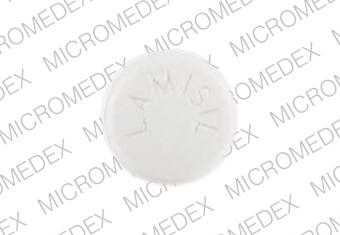
Lamisil
Generic name: terbinafine [ ter-BIN-na-feen ]
Drug class: Miscellaneous antifungals
What is Lamisil?
Lamisil is an antifungal medication that fights infections caused by fungus.
Lamisil tablets are used to treat infections caused by fungus that affect the fingernails or toenails.
Lamisil oral granules are used to treat a fungal infection of scalp hair follicles in children who are at least 4 years old, though this medication is no longer available in the United States.
Warnings
Some people taking Lamisil have developed severe liver damage leading to liver transplant or death.
Call your doctor at once if you have symptoms of liver damage, such as nausea, upper stomach pain, vomiting, loss of appetite, tiredness, dark urine, clay-colored stools, jaundice (yellowing of the skin or eyes). These events can occur whether or not you have ever had liver problems before.
Before taking this medicine
You should not use Lamisil if you are allergic to terbinafine, or if you have:
-
liver disease.
To make sure Lamisil is safe for you, tell your doctor if you have ever had:
-
liver problems;
-
kidney problems;
-
weak immune system (caused by disease or by using certain medicine); or
-
lupus.
It is not known whether terbinafine will harm an unborn baby. You should wait until after your pregnancy to start treating your nail or scalp infection with Lamisil. Tell your doctor if you are pregnant or plan to become pregnant during treatment.
Terbinafine can pass into breast milk and may harm a nursing baby. You should not breast-feed while using this medicine.
How should I take Lamisil?
Take Lamisil exactly as prescribed by your doctor. Follow all directions on your prescription label. Do not take this medicine in larger or smaller amounts or for longer than recommended.
You may take the tablet with or without food.
Lamisil granules should be sprinkled into a spoonful of pudding or mashed potatoes (do not mix with applesauce, fruit juice, or other fruit-based or acidic foods). Swallow this mixture right away without chewing. Do not save the mixture for later use.
Lamisil is usually taken for 6 weeks to treat scalp or fingernail infections, and for 12 weeks to treat a toenail infection.
Use this medicine for the full prescribed length of time. Your symptoms may improve before the infection is completely cleared. Skipping doses may also increase your risk of further infection that is resistant to antifungal medicine. Terbinafine will not treat a viral infection such as the flu or a common cold.
While using this medicine, you may need frequent blood tests.
It may take several months for your nails to return to their normal appearance after your treatment with Lamisil.
Store at room temperature away from moisture, heat, and light. Keep the oral granules in their sealed packet until you are ready to use.
What happens if I miss a dose?
Take the missed dose as soon as you remember. Skip the missed dose if it is almost time for your next scheduled dose. Do not take extra medicine to make up the missed dose.
What happens if I overdose?
Seek emergency medical attention or call the Poison Help line at 1-800-222-1222.
Overdose symptoms may include headache, dizziness, vomiting, stomach pain, rash, and increased urination.
What to avoid
Avoid coffee, tea, cola, energy drinks or other sources of caffeine while taking this medicine. Lamisil may prolong the effects of caffeine.
Avoid exposure to sunlight or tanning beds. Terbinafine can make you sunburn more easily. Wear protective clothing and use sunscreen (SPF 30 or higher) when you are outdoors.
Lamisil side effects
Get emergency medical help if you have signs of an allergic reaction to Lamisil: (hives, difficult breathing, swelling in your face or throat) or a severe skin reaction (fever, sore throat, burning in your eyes, skin pain, red or purple skin rash that spreads and causes blistering and peeling).
Seek medical treatment if you have a serious drug reaction that can affect many parts of your body. Symptoms may include: skin rash, fever, swollen glands, flu-like symptoms, muscle aches, severe weakness, unusual bruising, or yellowing of your skin or eyes. This reaction may occur several weeks after you began using terbinafine.
Some people taking Lamisil have developed severe liver damage leading to liver transplant or death. It is not clear whether terbinafine actually caused the liver damage in these patients. In most cases, the patient had a serious medical condition before taking this medicine.
Call your doctor at once if you have symptoms of liver damage, such as nausea, upper stomach pain, vomiting, loss of appetite, tiredness, dark urine, clay-colored stools, or jaundice (yellowing of the skin or eyes). These events can occur whether or not you have ever had liver problems before.
Also call your doctor if you have:
-
changes in your sense of taste or smell;
-
depressed mood, sleep problems, lack of interest in daily activity, feeling anxious or restless;
-
pale skin, easy bruising, unusual bleeding (nose, mouth, vagina, or rectum), purple or red pinpoint spots under your skin;
-
swelling, rapid weight gain, little or no urinating;
-
blood in your urine or stools;
-
weight loss due to taste changes or loss of appetite; or
-
skin sores, butterfly-shaped skin rash on your cheeks and nose (worsens in sunlight).
Common Lamisil side effects may include:
-
diarrhea, nausea, gas, stomach pain or upset;
-
rash;
-
headache; or
-
abnormal liver function tests.
This is not a complete list of side effects and others may occur. Call your doctor for medical advice about side effects. You may report side effects to FDA at 1-800-FDA-1088.
Related/similar drugs
Griseofulvin
Griseofulvin systemic is used for dermatophytosis, onychomycosis, fingernail, onychomycosis ...
Ciclopirox topical
Ciclopirox topical is used for cutaneous candidiasis, onychomycosis, fingernail, onychomycosis ...
Aqneursa
Aqneursa information from Drugs.com, includes Aqneursa side effects, interactions and indications.
Lotrisone
Lotrisone is used to treat fungal skin infections such as athletes foot, jock itch, and ringworm ...
Miconazole topical
Miconazole topical is used for balanoposthitis, cutaneous candidiasis, intertrigo, oral thrush ...
Itraconazole
Itraconazole systemic is used for aspergillosis, aspergilloma, aspergillosis, invasive ...
Ketoconazole topical
Ketoconazole topical is used for androgenetic alopecia, cutaneous candidiasis, dandruff, seborrheic ...
Jublia
Jublia (efinaconazole) is an antifungal solution used to treat onychomycosis of the toenails ...
Nystop
Nystop is used for cutaneous candidiasis, vaginal yeast infection
What other drugs will affect Lamisil?
Other drugs may interact with terbinafine, including prescription and over-the-counter medicines, vitamins, and herbal products. Tell each of your health care providers about all medicines you use now and any medicine you start or stop using.
Popular FAQ
What home remedies work well for toenail fungus?
Toenail fungus can be challenging to treat, especially when severe. Trim and debride nails before treatment for better results. Maintain foot hygiene by washing, drying, and wearing appropriate footwear. Keep nails short and treat athlete's foot if present. Home remedies can improve affected nails but may not fully eliminate the problem, especially for severe cases. Consulting a doctor is advisable, as oral medications may be necessary for severe infections. For minor cases, home remedies such as apple cider vinegar, tea tree oil (Malaleuca alternifolia), oregano oil, Listerine, baking Soda and epsom Salts, garlic, or coconut oil, may help. Continue reading
How do I get rid of nail fungus?
The most effective treatments for a fungal infection of the nail (onychomycosis) include prescription oral antifungal medicines you take by mouth or prescription topical medicines you apply to the nail and surrounding skin. In some cases, your doctor may decide to combine oral or topical treatments. Continue reading
What is the best over-the-counter nail fungus treatment?
There really is no ‘best’ over-the-counter (OTC) treatment for nail fungus. OTC products are available to treat fungus on the skin around the nail bed, but are not very effective to treat the hard nail bed. Prescription medicines, which you either take by mouth or apply to the nail, are more effective for nail fungus. Continue reading
More FAQ
More about Lamisil (terbinafine)
- Check interactions
- Compare alternatives
- Reviews (139)
- Drug images
- Side effects
- Dosage information
- During pregnancy
- Support group
- Drug class: miscellaneous antifungals
- Breastfeeding
Patient resources
Other brands
Professional resources
Other formulations
Related treatment guides
Further information
Remember, keep this and all other medicines out of the reach of children, never share your medicines with others, and use Lamisil only for the indication prescribed.
Always consult your healthcare provider to ensure the information displayed on this page applies to your personal circumstances.
Copyright 1996-2025 Cerner Multum, Inc. Version: 15.01.