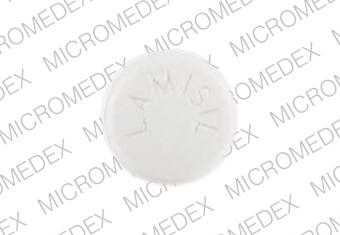
Lamisil Side Effects
Generic name: terbinafine
Medically reviewed by Drugs.com. Last updated on Nov 3, 2023.
Note: This document provides detailed information about Lamisil Side Effects associated with terbinafine. Some dosage forms listed on this page may not apply specifically to the brand name Lamisil.
Applies to terbinafine: oral tablet.
Precautions
It is important that your doctor check the progress of you or your child at regular visits to make sure that this medicine is working properly. Blood tests may be needed to check for any unwanted effects.
If your or your child's symptoms do not improve, or if they become worse, check with your doctor. You may need to take this medicine for several weeks or months before your infection gets better.
This medicine may cause a serious type of allergic reaction called anaphylaxis. Anaphylaxis can be life-threatening and requires immediate medical attention. Call your doctor right away if you have a skin rash, itching, hives, trouble with breathing or swallowing, or any swelling of your hands, face, or mouth while you or your child are using this medicine.
This medicine may cause serious liver problems, including liver failure. Check with your doctor right away if you start having nausea or vomiting, dark urine, light-colored stools, stomach pain, or yellow eyes or skin while you or your child are using this medicine.
This medicine may cause problems with your sense of taste or smell. Tell your doctor right away if you or your child have change or loss of sense of smell, change in taste or loss of taste, poor appetite, or weight loss.
You may become depressed when taking this medicine. Tell your doctor right away if you or your child thinks this medicine is causing changes in your mood or behavior. Other symptoms include feeling very sad or empty, irritable, lack of appetite, loss of interest or pleasure, restlessness, trouble concentrating, or trouble sleeping.
Serious skin reactions can occur with this medicine. Check with your doctor right away if you have blistering, peeling, or loosening of the skin, red skin lesions, severe acne or skin rash, sores or ulcers on the skin, or fever or chills while you or your child are using this medicine.
This medicine can temporarily lower the number of white blood cells in your blood, increasing the chance of getting an infection. If you can, avoid people with infections. Check with your doctor immediately if you think you are getting an infection or if you or your child get a fever or chills, cough or hoarseness, lower back or side pain, or painful or difficult urination.
This medicine may make your skin more sensitive to sunlight. Tell your doctor right away if you or your child have a red, scaly skin rash or unusual sensitivity of the skin to the sun. Use a sunscreen when you are outdoors. Avoid sunlamps and tanning beds.
Do not take other medicines unless they have been discussed with your doctor. This includes prescription or nonprescription (over-the-counter [OTC]) medicines and herbal or vitamin supplements.
Serious side effects of Lamisil
Along with its needed effects, terbinafine (the active ingredient contained in Lamisil) may cause some unwanted effects. Although not all of these side effects may occur, if they do occur they may need medical attention.
Check with your doctor immediately if any of the following side effects occur while taking terbinafine:
More common side effects
- fever
Less common side effects
- body aches or pain
- chills
- cough
- diarrhea
- difficulty with breathing
- ear congestion
- general feeling of discomfort or illness
- headache
- joint pain
- loss of appetite
- loss of voice
- nasal congestion
- nausea
- runny nose
- shivering
- skin rash or itching
- sneezing
- sore throat
- sweating
- trouble with sleeping
- unusual tiredness or weakness
- upper abdominal or stomach pain
- vomiting
Rare side effects
- dark urine
- difficulty with swallowing
- pale skin
- pale stools
- redness, blistering, peeling, or loosening of the skin
- stomach pain
- unusual bleeding or bruising
- yellow skin or eyes
Incidence not known
- black, tarry stools
- bleeding gums
- bloating
- blood in the urine or stools
- chest pain
- constipation
- cough or hoarseness
- dizziness
- fast heartbeat
- feeling of discomfort
- flu-like symptoms
- general feeling of tiredness or weakness
- hair loss
- high fever
- hives
- indigestion
- inflammation of the joints
- large, hive-like swelling on the face, eyelids, lips, tongue, throat, hands, legs, feet, or sex organs
- light-colored stools
- lower back or side pain
- muscle aches
- painful or difficult urination
- pains in the stomach, side, or abdomen, possibly radiating to the back
- persistent loss of appetite
- pinpoint red spots on the skin
- puffiness or swelling of the eyelids or around the eyes, face, lips, or tongue
- red skin lesions, often with a purple center
- red, irritated eyes
- red, scaling, or crusted skin
- sores, ulcers, or white spots on the lips or in the mouth
- sores, welting, or blisters
- stomach pain, continuing
- swollen glands
- swollen lymph glands
- tightness in the chest
- troubled breathing with exertion
- ulcers, sores, or white spots in the mouth
- unexplained bleeding or bruising
Other side effects of Lamisil
Some side effects of terbinafine may occur that usually do not need medical attention. These side effects may go away during treatment as your body adjusts to the medicine. Also, your health care professional may be able to tell you about ways to prevent or reduce some of these side effects.
Check with your health care professional if any of the following side effects continue or are bothersome or if you have any questions about them:
More common side effects
- stomach pain (mild)
Less common side effects
- acid or sour stomach
- bad, unusual, or unpleasant (after) taste
- belching
- change of taste or loss of taste
- heartburn
- toothache
Incidence not known
- decreased vision
- difficulty with moving
- discouragement
- feeling sad or empty
- irritability
- lack of appetite
- loss of interest or pleasure
- loss of sense of smell
- muscle cramps or spasms
- muscle stiffness
- tiredness
- trouble concentrating
See also:
For healthcare professionals
Applies to terbinafine: oral granule, oral tablet.
General adverse events
In general, side effects have been mild to moderate and transient; however, this drug has been associated with serious life-threatening events such as hepatic failure, anaphylaxis, and severe neutropenia. Unless otherwise specified, the listed side effects were reported with the tablets.[Ref]
Nervous system
- Very common (10% or more): Headache (12.9%)
- Common (1% to 10%): Taste disturbance/dysgeusia (including taste loss/ageusia), dizziness
- Uncommon (0.1% to 1%): Hypogeusia, ageusia, paresthesia, hypoesthesia, tinnitus
- Very rare (less than 0.01%): Vertigo, sedation, lightheadedness
- Frequency not reported: Taste alteration
- Postmarketing reports: Smell disturbance (including loss of smell), paresthesia, hypoesthesia, hearing impairment, hypoacusis, anosmia (including permanent anosmia), hyposmia[Ref]
Taste disturbances were typically noticed 5 to 8 weeks after starting therapy and returned to normal within several weeks after stopping the medication. The taste alteration has been rarely accompanied by a discoloration of the tongue and/or a disturbance in the sense of smell.
Hypogeusia (including ageusia) usually recovered within several weeks after this drug was stopped. Isolated cases of prolonged hypogeusia have been reported.
Taste disturbance (including taste loss), paresthesia, hypoesthesia, tinnitus, and vertigo have also been reported during postmarketing experience. Some cases of taste disturbance were severe enough to cause decreased food intake, weight loss, anxiety, and depressive symptoms.[Ref]
Gastrointestinal
- Very common (10% or more): Gastrointestinal symptoms, feeling of fullness, abdominal distension, diarrhea, dyspepsia/gastritis, nausea, abdominal pain, flatulence, vomiting, mild abdominal discomfort, abdominal cramps, belching
- Common (1% to 10%): Upper abdominal pain
- Uncommon (0.1% to 1%): Toothache
- Very rare (less than 0.01%): Parotid swelling
- Frequency not reported: Mild to moderate gastrointestinal discomfort, gastritis, gastric fullness, nausea and vomiting, discoloration of the tongue, hypogeusia, ageusia, metallic taste, severe sialadenitis
- Postmarketing reports: Pancreatitis[Ref]
Vomiting, upper abdominal pain, and toothache have been reported with the oral granules. Vomiting has also been reported during postmarketing experience with the tablets.[Ref]
Dermatologic
- Very common (10% or more): Nonserious forms of skin reactions, rash, urticaria
- Common (1% to 10%): Pruritus, erythema
- Uncommon (0.1% to 1%): Photosensitivity reactions
- Very rare (less than 0.01%): Serious skin reactions (e.g., Stevens-Johnson syndrome, toxic epidermal necrolysis, erythema multiforme, exfoliative dermatitis, bullous dermatitis), photosensitivity (e.g., photodermatosis, photosensitivity allergic reaction, polymorphic light eruption), alopecia/hair loss, psoriasiform eruptions or exacerbation of psoriasis, acute generalized exanthematous pustulosis, toxic skin eruption
- Frequency not reported: Reversible alopecia areata of the scalp, pustular psoriasis, acrodermatitis continua of Hallopeau
- Postmarketing reports: Serious skin reactions (e.g., drug reaction with eosinophilia and systemic symptoms [DRESS] syndrome)[Ref]
An 81-year-old male who had been treated with topical antifungal agents for tinea pedis started this drug (125 mg orally daily) as the lesions did not respond to topical therapy. He was not taking any other medications and had no history of skin disease. No other skin lesions were observed at that time. Two weeks later, he developed erythematous and pustular lesions on his fingers and toes, and an erythematous macular eruption on the limbs. This drug was discontinued, but the eruptions continued to worsen. Histopathology of a punch biopsy from his toe showed intraepidermal sterile pustules containing neutrophils, so-called Kogoj's spongiform pustules. He was then diagnosed with having acrodermatitis continua of Hallopeau and was treated with corticosteroids therapy.
An 80-year-old female experienced DRESS secondary to severe sialadenitis coincident with this drug. The patient was admitted with a generalized pruriginous eruption. She presented with erythematous and edematous widespread confluent plaques, with a scaly annular border. She had initiated therapy 14 days before onset of the generalized rash, for a nonspecific squamous plaque of the trunk. DRESS induced by this drug was diagnosed and therapy was discontinued. Topical therapy was started with 0.5% clobetasol propionate cream applied to the whole body. The rash progressively improved and blood eosinophilia decreased.
A 68-year-old male experienced acute generalized exanthematous pustulosis coincident with this drug. He presented with a symmetrical maculopapular eruption on both lower anterior legs. Within 2 days, the rash generalized with facial involvement. He developed the rash 20 days after initiating oral therapy for onychomycosis. After withdrawal of this drug, the exanthema abated within 10 days under topical therapy with corticosteroids.
Serious skin reactions (e.g., Stevens-Johnson syndrome, toxic epidermal necrolysis, erythema multiforme, exfoliative dermatitis, bullous dermatitis), psoriasiform eruptions or exacerbation of psoriasis, acute generalized exanthematous pustulosis, hair loss, and photosensitivity reactions have also been reported during postmarketing experience.[Ref]
Metabolic
- Very common (10% or more): Decreased appetite/anorexia
- Frequency not reported: Hypoglycemia, decreased food intake (due to taste disturbance)[Ref]
Arthralgia and myalgia have also been reported during postmarketing experience.[Ref]
Musculoskeletal
- Very common (10% or more): Musculoskeletal reactions, arthralgia, myalgia
- Very rare (less than 0.01%): Cutaneous and systemic lupus erythematosus
- Postmarketing reports: Rhabdomyolysis, increased blood creatine phosphokinase, precipitation and exacerbation of cutaneous and systemic lupus erythematosus[Ref]
Hepatic
- Common (1% to 10%): Liver enzyme abnormalities
- Rare (0.01% to 0.1%): Serious liver dysfunction (including hepatic failure, increased hepatic enzymes, jaundice, cholestasis, liver decompensation, hepatitis), transient increases in liver enzymes, hepatobiliary dysfunction, cholestatic jaundice, liver failure (some cases leading to death or liver transplant)
- Frequency not reported: Development of idiosyncratic and symptomatic hepatobiliary dysfunction, drug-induced autoimmune hepatitis
- Postmarketing reports: Idiosyncratic and symptomatic hepatic injury[Ref]
Liver enzyme abnormalities (at least 2 times the upper limit of normal) have been reported in 3.3% of patients.
In most liver failure cases, patients had serious underlying systemic conditions; causal association with this drug was unclear.
A 57-year-old male with chronic hepatitis B virus (HBV) infection developed drug-induced acute autoimmune hepatitis coincident with this drug. He was given 250 mg once daily over a 12-week period for dermatophyte toenail onychomycosis. He developed the side effect just prior to completing the course of therapy. He was not taking any other drugs or herbal supplements, did not drink alcohol, and did not appear to suffer a flare of HBV infection. Liver function studies began to normalize 6 weeks after this drug was discontinued.
Cases of liver failure (some leading to death or liver transplant), hepatitis, cholestasis, and increased hepatic enzymes have also been reported during postmarketing experience.[Ref]
Psychiatric
- Common (1% to 10%): Depression
- Very rare (less than 0.01%): Anxiety
- Frequency not reported: Insomnia
- Postmarketing reports: Anxiety (independent of taste disturbance), depressive symptoms (independent of taste disturbance), anxiety (secondary to taste disturbances), depressive symptoms (secondary to taste disturbances)[Ref]
Other
- Common (1% to 10%): Pyrexia, tiredness/fatigue
- Uncommon (0.1% to 1%): Weight decreased
- Rare (0.01% to 0.1%): Malaise (secondary to dysgeusia)
- Very rare (less than 0.01%): Chest pain
- Frequency not reported: Weight loss (due to taste disturbance), weight decreased (secondary to hypogeusia)
- Postmarketing reports: Influenza-like illness
Pyrexia has been reported with the oral granules; it has also been reported during postmarketing experience with the tablets.
Malaise and fatigue have also been reported during postmarketing experience.
Respiratory
- Common (1% to 10%): Nasopharyngitis, cough, upper respiratory tract infection, influenza, pharyngolaryngeal pain, rhinorrhea, nasal congestion
Nasopharyngitis, cough, upper respiratory tract infection, influenza, pharyngolaryngeal pain, rhinorrhea, and nasal congestion have been reported with the oral granules.
Ocular
- Common (1% to 10%): Visual disturbance
- Frequency not reported: Changes in ocular lens and retina, dyschromatopsia, photopsia
- Postmarketing reports: Reduced visual acuity, visual field defect, blurred vision[Ref]
Changes in the ocular lens and retina have been reported; however, the clinical significance is unknown.
Dyschromatopsia, whereby the patient reported a greenish hue in her vision, and photopsia have occurred in a patient after 3 weeks of therapy. This problem resolved within 1 week of discontinuing the drug.[Ref]
Hematologic
- Uncommon (0.1% to 1%): Anemia
- Very rare (less than 0.01%): Neutropenia, agranulocytosis, thrombocytopenia, pancytopenia
- Frequency not reported: Leukopenia, lymphopenia, transient decreases in hematocrit, transient decreases in hemoglobin, transient decreases in leukocytes
- Postmarketing reports: Severe neutropenia, altered prothrombin time (prolonged and reduced) with concomitant warfarin[Ref]
Agranulocytosis, thrombocytopenia, anemia, and pancytopenia have also been reported during postmarketing experience.[Ref]
Hypersensitivity
- Very rare (less than 0.01%): Anaphylactoid reactions (including angioedema)
- Frequency not reported: Anaphylaxis, hypersensitivity reactions
- Postmarketing reports: Serious hypersensitivity reactions (e.g., angioedema, allergic reactions [including anaphylaxis]), anaphylactic reaction, serum sickness-like reaction[Ref]
Renal
- Frequency not reported: Renal function test impairment, transient increases in serum urea, transient increases in serum creatinine[Ref]
Genitourinary
- Frequency not reported: Hematuria, transient erectile dysfunction in male patients[Ref]
Cardiovascular
- Postmarketing reports: Vasculitis
References
1. (2001) "Product Information. Lamisil (terbinafine)." Sandoz Pharmaceuticals Corporation
2. Villars VV, Jones TC (1992) "Special features of the clinical use of oral terbinafine in the treatment of fungal diseases." Br J Dermatol, 126(suppl, p. 61-9
3. del Palacio Hernandez A, Lopez Gomez S, Gonzalez Lastra F, Moreno Palancar P, Iglesias Diez L (1990) "A comparative double-blind study of terbinafine (Lamisil) and griseofulvin in tinea corporis and tinea cruris." Clin Exp Dermatol, 15, p. 210-6
4. Shear NH, Gupta AK (1995) "Terbinafine for the treatment of pedal onychomycosis: a foot closer to the promised land of cured nails?" Arch Dermatol, 131, p. 937-42
5. Amichai B, Grunwald MH (1998) "Adverse drug reactions of the new oral antifungal agents - terbinafine, fluconazole, and itraconazole." Int J Dermatol, 37, p. 410-5
6. Beutler M, Hartmann K, Kuhn M, Gartmann J (1993) "Taste disorders and terbinafine." BMJ, 307, p. 26
7. Ottervanger JP, Stricker BH (1992) "Loss of taste and terbinafine." Lancet, 340, p. 728
8. Juhlin L (1992) "Loss of taste and terbinafine." Lancet, 339, p. 1483
9. Balfour JA, Faulds D (1992) "Terbinafine. A review of its pharmacodynamic and pharmacokinetic properties, and therapeutic potential in superficial mycoses [published erratum appears in Drugs 1992 May;43(5):699]." Drugs, 43, p. 259-84
10. Stricker BHC, Vanriemsdijk MM, Sturkenboom MCJM, Ottervanger JP (1996) "Taste loss to terbinafine: a case-control study of potential risk factors." Br J Clin Pharmacol, 42, p. 313-8
11. Abecassis S, Roujeau JC, Bocquet H, et al. (2004) "Severe sialadenitis: a new complication of drug reaction with eosinophilia and systemic symptoms." J Am Acad Dermatol, 51, p. 827-30
12. Rzany B, Mockenhaupt M, Gehring W, Schopf E (1994) "Stevens-Johnson syndrome after terbinafine therapy." J Am Acad Dermatol, 30, p. 509
13. Todd P, Halpern S, Munro DD (1995) "Oral terbinafine and erythema multiforme." Clin Exp Dermatol, 20, p. 247-8
14. Wach F, Stolz W, Hein R, Landthaler M (1995) "Severe erythema anulare centrifugum-like psoriatic drug eruption induced by terbinafine." Arch Dermatol, 131, p. 960-1
15. Carstens J, Wendelboe P, Sogaard H, Thestrup-Pedersen K (1994) "Toxic epidermal necrolysis and erythema multiforme following therapy with terbinafine." Acta Derm Venereol, 74, p. 391-2
16. Condon CA, Downs AMR, Archer CB (1998) "Terbinafine-induced acute generalized exanthematous pustulosis." Br J Cancer, 138, p. 709-10
17. Papa CA, Miller OF (1998) "Pustular psoriasiform eruption with leukocytosis associated with terbinafine." J Am Acad Dermatol, 39, p. 115-7
18. Wilson NJE, Evans S (1998) "Severe pustular psoriasis provoked by oral terbinafine." Br J Dermatol, 139, p. 168
19. Bennett ML, Jorizzo JL, White WL (1999) "Generalized pustular eruptions associated with oral terbinafine." Int J Dermatol, 38, p. 596-600
20. Bonsmann G, Schiller M, Luger TA, Stander S (2001) "Terbinafine-induced subacute cutaneous lupus erythematosus." J Am Acad Dermatol, 44, p. 925-31
21. Nishiwaki F, Matsumura Y, Morita N, Kore-Eda S, Miyachi Y, Omoto M (2007) "Acrodermatitis continua of Hallopeau due to oral terbinafine." Br J Dermatol, 157, p. 1073-4
22. Verros CD, Rallis E (2012) "The role of terbinafine in induction and/or exacerbation of psoriasis." Int J Dermatol, 52, p. 1155-6
23. Lowe G, Green C, Jennings P (1993) "Hepatitis associated with terbinafine treatment." BMJ, 306, p. 248
24. Lazaros GA, Papatheodoridis GV, Delladetsima JK, Tassopoulos NC (1996) "Terbinafine-induced cholestatic liver disease." J Hepatol, 24, p. 753-6
25. Fernandes NF, Geller SA, Fong TL (1998) "Terbinafine hepatotoxicity: Case report and review of the literature." Am J Gastroenterol, 93, p. 459-60
26. Gupta AK, DelRosso JQ, Lynde CW, Brown GH, Shear NH (1998) "Hepatitis associated with terbinafine therapy: three case reports and a review of the literature." Clin Exp Dermatol, 23, p. 64-7
27. (2001) "Itracanazole, terbinafine possibly linked to liver failure." Am J Health Syst Pharm, 58, p. 1076
28. Paredes AH, Lewis JH (2007) "Terbinafine-induced acute autoimmune hepatitis in the setting of hepatitis B virus infection." Ann Pharmacother, 41, p. 880-4
29. Cerner Multum, Inc. "UK Summary of Product Characteristics."
30. Gupta AK, Gonder JR, Shear NH, Dilworth GR (1996) "The development of green vision in association with terbinafine therapy." Arch Dermatol, 132, p. 845-6
31. Kovacs MJ, Alshammari S, Guenther L, Bourcier M (1994) "Neutropenia and pancytopenia associated with oral terbinafine." J Am Acad Dermatol, 31, p. 806
32. Gupta AK, Soori GS, DelRosso JQ, Bartos PB, Shear NH (1998) "Severe neutropenia associated with oral terbinafine therapy." J Am Acad Dermatol, 38, p. 765-7
33. Grunwald MH, Amichai B (1998) "Thrombocytopenia associated with oral terbinafine." Int J Dermatol, 37, p. 634
34. Shapiro M, Li LJ, Miller J (1999) "Terbinafine-induced neutropenia." Br J Dermatol, 140, p. 1196-7
35. Adverse Drug Reactions Advisory Committee (ADRAC) and the Adverse Drug Reactions Unit of the TGA (2007) Australian Adverse Drug Reactions Bulletin. http://www.tga.gov.au/adr/aadrb/aadr0608.htm
36. Gupta AK, Kopstein JB, Shear NH (1997) "Hypersensitivity reaction to terbinafine." J Am Acad Dermatol, 36, p. 1018-9
37. Beltraminelli HS, Lerch M, Arnold A, Bircher AJ, Haeusermann P (2005) "Acute generalized exanthematous pustulosis induced by the antifungal terbinafine: case report and review of the literature." Br J Dermatol, 152, p. 780-3
38. Rossetti G, Livio F, Roulet E, Hofer MF (2005) "Anaphylactic reaction and unrelated, subsequent, known side effects during therapy with thiethylperazine." Pediatr Allergy Immunol, 16, p. 453-5
39. Hull PR, Vismer HF (1992) "Treatment of cutaneous sporotrichosis with terbinafine." Br J Dermatol, 126 Suppl, p. 51-5
Frequently asked questions
- What home remedies work well for toenail fungus?
- How do I get rid of nail fungus?
- What is the best over-the-counter nail fungus treatment?
- What are the most common skin conditions? (with photos)
More about Lamisil (terbinafine)
- Check interactions
- Compare alternatives
- Reviews (139)
- Drug images
- Dosage information
- During pregnancy
- Support group
- Drug class: miscellaneous antifungals
- Breastfeeding
Patient resources
Other brands
Professional resources
Other formulations
Related treatment guides
Further information
Lamisil side effects can vary depending on the individual. Always consult your healthcare provider to ensure the information displayed on this page applies to your personal circumstances.
Note: Medication side effects may be underreported. If you are experiencing side effects that are not listed, submit a report to the FDA by following this guide.