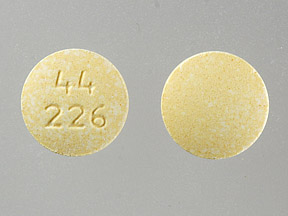
Caffeine
Generic name: Caffeine
Brand names: NoDoz, Vivarin, Revive, Stay Awake, Enerjets, Lucidex
Drug class: CNS stimulants
Companies: various generic manufacturers, Novartis Consumer Health, Inc. (NoDoz), GlaxoSmithKline Consumer Healthcare (Viviarin)
What is Caffeine?
Caffeine is a central nervous system stimulant. It works by stimulating the brain. Caffeine is found naturally in foods and beverages such as coffee, tea, colas, energy and chocolate. Botanical sources of caffeine include kola nuts, guarana, and yerba mate. Caffeine is also available in prescription and non-prescription medications.
Caffeine is used to restore mental alertness or wakefulness during fatigue or drowsiness. Caffeine is also found in some headache and migraine medications, in certain dietary supplements used for weight loss, and in many popular energy drinks.
Caffeine citrate (Cafcit) is available by prescription only. It is used for short-term treatment of neonatal apnea (breathing problems).
Caffeine may also be used for other conditions as determined by your health care provider.
Do NOT use caffeine:
- if you are allergic to any ingredient in caffeine or caffeine products
- in children less than 12 years of age; over-the-counter (OTC) caffeine formulations are not proven safe and effective for use in this age group
- as a substitute for sleep
What Should I Know Before Using Caffeine?
Some medical conditions may interact with caffeine. Tell your health care provider if you have ANY medical conditions, especially if any of the following apply to you:- if you have allergies to caffeine, other medicines, foods, or other substances
- if you are taking any prescription or nonprescription medicine, or herbal or dietary supplement
- if you have anxiety, agitation or nervousness, liver or stomach (ulcer) problems, insomnia (trouble sleeping), seizures (convulsions), or heart disease, especially any abnormal heart rhythms or high blood pressure
- if you are pregnant, planning to become pregnant, or are breast-feeding
- Quinolones (i.e., ciprofloxacin)
- Theophyllines
- Duloxetine
- Ephedra or Guarana
- Rasagiline
- Tizanidine
This is NOT a complete drug interaction list. Check with your health care provider before you start, stop, or change the dose of any medicine. A complete drug interaction check should be completed prior to your use of caffeine or any medication.
How Should I Use Caffeine?
Use caffeine as directed by your health care provider. If the medication is OTC, check the label on the bottle for the exact dosing instructions. If you have any questions about the use of an OTC medication, ask your pharmacist.- Caffeine may be taken with or without food. If caffeine upsets your stomach, take it with food.
- Do not exceed the recommended dose of caffeine. Caffeine can be habit-forming.
- Most OTC medications used for mental alertness contain 200 milligrams of caffeine per tablet or capsule. The usual maximum recommended dose of OTC caffeine is no more than 200 mg every 3-4 hours, or 1600 mg per day.
- Do not double-up on your caffeine dose if you should miss the time for next dose.
- The average cup of coffee contains 150-200 milligrams (mg) of caffeine per cup, while a cup of tea will have about 60 mg of caffeine. Cola products have about 30-40 mg of caffeine, and most energy drinks have about 60-70 mg. Be sure to account for any dietary caffeine that is consumed.
Ask your health care provider any questions you may have about how to use caffeine.
Important safety information:
- Caffeine may cause dizziness. Do not drive or operate machinery, or engage in dangerous tasks until you know how caffeine might affect you.
- Avoid large amounts of caffeine-containing foods and beverages, such as coffee, tea, cocoa, cola drinks, energy drinks and chocolate if you are taking higher doses of caffeine tablets. This also includes any herbal, dietary, or prescription medications that contain caffeine.
- Caffeine is not to be used as a substitute for sleep.
- Caffeine use may alter blood sugar levels. Diabetes patients should more closely regulate their blood sugar while taking caffeine.
- Caffeine is not recommended for use in children less than 12 years of age. Safety and effectiveness in this age group have not been confirmed.
- If you are pregnant, discuss with your health care provider if caffeine is appropriate for your use.
- Caffeine is excreted into breast milk. Consult with your health care provider about the risks of using caffeine while you are breast-feeding. Caffeine may cause side effects in your baby.
Common side effects of Caffeine:
- difficulty sleeping (insomnia)
- nervousness or anxiety
- irritability
- nausea
- headache
Seek medical attention right away if any of these severe side effects occur:
- serious allergic reactions (difficult breathing, chest tightness, swelling of the mouth, face, lips, or tongue, rash, hives, or itching)
- diarrhea
- vomiting
- rapid heart rate or palpitations
- increased blood pressure
- chest pain
This is not a complete list of all side effects that may occur. Call your health care provider for medical advice about side effects.
In case of overdose:
- immediately contact your local poison control center, or emergency room
- call 1-800-222-1222 (the American Association of Poison Control Centers).
Symptoms of overdose may include agitation; anxiety; confusion; frequent urination; irregular or fast heartbeat; muscle twitching; ringing in the ears; seizures; stomach pain; trouble sleeping.
Proper storage of Caffeine:
Store caffeine at room temperature, between 59 and 86 degrees F (15 and 30 degrees C), in a tightly closed container. Store away from heat, moisture, and light. Do not store in the bathroom. Keep caffeine out of the reach of children and away from pets.
General information:
- If you have any questions about caffeine, please talk with your health care provider.
- If your symptoms do not improve or if they become worse, check with your health care provider.
- Check with your pharmacist about how to dispose of unused medicine.
This information is a summary only. Consult with your health care provider for additional questions or concerns about the use of caffeine.
More Caffeine resources
- Caffeine Side Effects (in more detail)
- Caffeine Use in Pregnancy & Breastfeeding
- Drug Images
- Caffeine Drug Interactions
- Reviews for Caffeine
- Caffeine Professional Patient Advice (Wolters Kluwer)
- caffeine Oral, Parenteral Advanced Consumer (Micromedex) - Includes Dosage Information
- Cafcit Prescribing Information (FDA)
- Cafcit Concise Consumer Information (Cerner Multum)
- Caffeine; Caffeine and Sodium Benzoate Injection; Caffeine Citrate Monograph (AHFS DI)
Compare Caffeine with other medications for
Popular FAQ
How much caffeine is in Fioricet?
Fioricet contains 40 mg of caffeine, similar to a cup of tea. The following shows the average amount of caffeine in some common beverages:
- 8 oz of coffee: 80 to 100 mg of caffeine
- 8 oz green or black tea: 30 to 50 mg of caffeine
- 12 oz caffeinated soda: 30 to 40 mg of caffeine
Does caffeine affect Vraylar (cariprazine)?
Caffeine is not listed as having a drug interaction with the atypical antipsychotic medicine Vraylar (generic name: cariprazine). However, Vraylar may lead to restlessness, the feeling of the need to move around (akathisia), or trouble with sleeping (insomnia) in some patients. Call a health care provider right away if you or your family member has any of these symptoms while receiving Vraylar. Continue reading
How much caffeine is in this drug?
Each tablet of Excedrin Migraine contains 65 milligrams (mg) of caffeine, 250 mg of acetaminophen, and 250 mg of aspirin. The dose for adults is 2 caplets or geltabs with a glass of water. Do not take more than two tablets in any 24-hour period, unless directed by a doctor. Continue reading
Does Maxalt have caffeine in it?
No, Maxalt does not contain caffeine. Maxalt contains rizatriptan benzoate, a medicine in a class of prescription drugs known as “triptans” used for migraine headaches. Continue reading
Does caffeine help migraines?
Caffeine has been shown to increase the effects of pain relievers like aspirin and acetaminophen for migraine headaches, increasing the effectiveness of these medicines by up to 40%. Continue reading
More FAQ
- How long do caffeine withdrawal headaches last?
- Does caffeine cause high blood pressure?
- Does coffee help with asthma?
References
More about caffeine
- Check interactions
- Compare alternatives
- Pricing & coupons
- Reviews (39)
- Drug images
- Side effects
- Dosage information
- During pregnancy
- Support group
- Drug class: CNS stimulants
- Breastfeeding
Patient resources
- Caffeine citrate advanced reading
- Caffeine Capsules and Tablets
- Caffeine Citrate Injection Solution
- Caffeine Citrate Oral Solution
Other brands
Vivarin, Cafcit, Stay Awake, NoDoz, ... +2 more
Professional resources
Other brands
Related treatment guides
Further information
Always consult your healthcare provider to ensure the information displayed on this page applies to your personal circumstances.