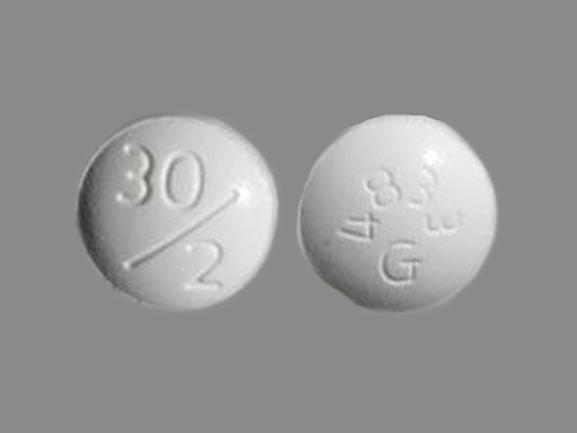
Duetact
Generic name: glimepiride and pioglitazone [ glye-MEP-ir-ide-and-PYE-oh-GLI-ta-zone ]
Drug class: Antidiabetic combinations
What is Duetact?
Duetact contains a combination of glimepiride and pioglitazone, both are oral diabetes medicines that help control blood sugar levels.
Duetact is used together with diet and exercise to improve blood sugar control in adults with type 2 diabetes mellitus.
Duetact is not for treating type 1 diabetes.
Warnings
You should not use Duetact if you have severe or uncontrolled heart failure, active bladder cancer, or diabetic ketoacidosis (call your doctor for treatment).
Duetact can cause or worsen congestive heart failure. Call your doctor at once if you have shortness of breath (even with mild exertion), swelling, or rapid weight gain.
Before taking this medicine
You should not use Duetact if you are allergic to glimepiride, pioglitazone, or sulfa drugs, or if you have:
-
severe or advanced heart failure;
-
active bladder cancer; or
-
diabetic ketoacidosis (call your doctor for treatment).
Pioglitazone may increase your risk of serious heart problems. However, not treating your diabetes can damage your heart and other organs. Talk to your doctor about the risks and benefits of taking Duetact.
Tell your doctor if you have ever had:
-
congestive heart failure or heart disease;
-
bladder cancer;
-
liver disease;
-
kidney disease;
-
a genetic enzyme deficiency called glucose-6-phosphate dehydrogenase (G6PD) deficiency;
-
eye problems caused by diabetes; or
-
a heart attack or stroke.
Duetact may increase your risk of developing bladder cancer. Talk with your doctor about your specific risk.
Follow your doctor's instructions about using this medicine if you are pregnant or you become pregnant. Controlling diabetes is very important during pregnancy, and having high blood sugar may cause complications in both the mother and the baby. However, you may need to stop taking Duetact for a short time just before your due date.
Women may be more likely to have a broken bone while taking Duetact. Talk with your doctor about ways to keep your bones healthy.
Pioglitazone may cause you to ovulate and get pregnant, even if you are premenopausal or do not have regular periods. Talk with your doctor about the need for birth control.
It may not be safe to breastfeed while using this medicine. Ask your doctor about any risk.
How should I take Duetact?
Take Duetact exactly as prescribed by your doctor. Follow all directions on your prescription label and read all medication guides or instruction sheets. Your doctor may occasionally change your dose. Use the medicine exactly as directed.
Take Duetact with your first meal of the day.
Low blood sugar (hypoglycemia) can happen to everyone who has diabetes. Symptoms include headache, hunger, sweating, irritability, dizziness, nausea, and feeling shaky. To quickly treat low blood sugar, always keep a fast-acting source of sugar with you such as fruit juice, hard candy, crackers, raisins, or non-diet soda.
Your doctor can prescribe a glucagon emergency injection kit to use in case you have severe hypoglycemia and cannot eat or drink. Be sure your family and close friends know how to give you this injection in an emergency.
Also watch for signs of high blood sugar (hyperglycemia) such as increased thirst or urination, blurred vision, headache, and tiredness.
Blood sugar levels can be affected by stress, illness, surgery, exercise, alcohol use, or skipping meals. Ask your doctor before changing your dose or medication schedule.
Duetact is only part of a treatment program that may also include diet, exercise, weight control, blood sugar testing, vision exams, and special medical care. Follow your doctor's instructions very closely.
Store at room temperature away from moisture, heat, and light. Keep the bottle tightly closed when not in use.
Dosing information
Usual Adult Dose for Diabetes Type 2:
Individualize dose based on safety, efficacy, and prior therapy
Initial dose: pioglitazone 30 mg-glimepiride 2 mg or pioglitazone 30 mg-glimepiride 4 mg orally once a day
-For patients inadequately controlled on glimepiride monotherapy: pioglitazone 30 mg-glimepiride 2 mg or pioglitazone 30 mg-glimepiride 4 mg orally once a day
-For patients inadequately controlled on pioglitazone monotherapy: pioglitazone 30 mg-glimepiride 2 mg orally once a day
-For patients receiving pioglitazone and glimepiride as individual components: Initiate with the combination product containing doses that are as close as possible to the dose of each component
-For patients currently on a different sulfonylurea monotherapy or switching from combination therapy of pioglitazone plus a different sulfonylurea: pioglitazone 30 mg-glimepiride 2 mg orally once a day
-For patients with systolic dysfunction, initiate with pioglitazone monotherapy and only initiate combination therapy after titration from pioglitazone 15 mg to 30 mg has been safely tolerated.
Maintenance Dose: Gradually titrate dose based on adequacy of therapeutic response and tolerability for each component
Comments:
-Take with first meal of the day.
-For patients switching from a different sulfonylurea, carefully monitor for hypoglycemia for 1 to 2 weeks due to a potential overlapping drug effect.
-If hypoglycemia occurs in a patient coadministered an insulin secretagogue, the dose of the insulin secretagogue should be reduced.
-If hypoglycemia occurs in a patient's coadministered insulin, the insulin dose should be decreased by 10% to 25% with further adjustments based on glycemic response.
Use: As an adjunct to diet and exercise, to improve glycemic control in adult patients with type 2 diabetes mellitus who are already treated with a thiazolidinedione and sulfonylurea or who have inadequate glycemic control in a thiazolidinedione alone or a sulfonylurea alone.
What happens if I miss a dose?
Skip the missed dose and use your next dose at the regular time. Do not use two doses at one time.
What happens if I overdose?
Seek emergency medical attention or call the Poison Help line at 1-800-222-1222. A Duetact overdose can cause life-threatening hypoglycemia. Symptoms of severe hypoglycemia include extreme weakness, nausea, tremors, sweating, confusion, trouble speaking, fast heartbeats, or seizure.
What to avoid
Avoid alcohol. It lowers blood sugar and may interfere with your diabetes treatment.
This medicine could make you sunburn more easily. Avoid sunlight or tanning beds. Wear protective clothing and use sunscreen (SPF 30 or higher) when you are outdoors.
Duetact side effects
Get emergency medical help if you have signs of an allergic reaction to Duetact (hives, difficult breathing, swelling in your face or throat) or a severe skin reaction (fever, sore throat, burning eyes, skin pain, red or purple skin rash with blistering and peeling).
Call your doctor at once if you have:
-
pink or red urine, painful or difficult urination, new or worsening urge to urinate;
-
changes in your vision;
-
sudden unusual pain in your hand, arm, or foot;
-
liver problems - upper stomach pain, vomiting, tiredness, loss of appetite, dark urine, jaundice (yellowing of the skin or eyes); or
-
symptoms of heart failure - shortness of breath (even while lying down), swelling in your legs or feet, rapid weight gain.
Common Duetact ide effects may include:
-
headache;
-
nausea, diarrhea; or
-
cold symptoms such as stuffy nose, sinus pain, sneezing, sore throat.
This is not a complete list of side effects and others may occur. Call your doctor for medical advice about side effects. You may report side effects to FDA at 1-800-FDA-1088.
Related/similar drugs
Ozempic
Learn about Ozempic (semaglutide) for type 2 diabetes treatment, weight management, cardiovascular ...
Rybelsus
Rybelsus tablets are used to improve blood sugar control in adults with type 2 diabetes, and may ...
Mounjaro
Mounjaro is used for type 2 diabetes to help lower blood sugar levels. Mounjaro has also been shown ...
Trulicity
Trulicity is an injectable diabetes medicine that is used together with diet and exercise to ...
Lantus
Lantus is a long acting form of insulin used to treat type 1 or type 2 diabetes. Learn about side ...
Tresiba
Tresiba (insulin degludec) is used to treat diabetes mellitus. Includes Tresiba side effects ...
Victoza
Victoza helps control blood sugar levels and reduce the risk of serious heart problems in people ...
Levemir
Levemir (insulin detemir) is a long acting insulin used to treat diabetes in adults and children ...
Basaglar
Basaglar (insulin glargine) is a long-acting insulin that is used to improve blood sugar control in ...
What other drugs will affect Duetact?
Tell your doctor if you use insulin. Taking Duetact while you are using insulin may increase your risk of serious heart problems.
Duetact may not work as well when you use other medicines at the same time. This includes prescription and over-the-counter medicines, vitamins, and herbal products. Not all possible interactions are listed here. Tell your doctor about all medicines you start or stop using.
More about Duetact (glimepiride / pioglitazone)
- Check interactions
- Compare alternatives
- Pricing & coupons
- Drug images
- Side effects
- Dosage information
- During pregnancy
- Generic availability
- FDA approval history
- Drug class: antidiabetic combinations
- En español
Professional resources
Related treatment guides
Further information
Remember, keep this and all other medicines out of the reach of children, never share your medicines with others, and use Duetact only for the indication prescribed.
Always consult your healthcare provider to ensure the information displayed on this page applies to your personal circumstances.
Copyright 1996-2025 Cerner Multum, Inc. Version: 6.02.