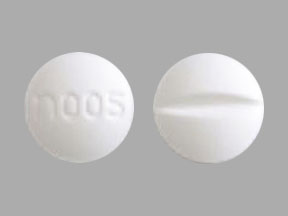
Oxybutynin
Generic name: oxybutynin (oral) [ OX-i-BUE-ti-nin ]
Brand name: Ditropan XL
Dosage forms: oral syrup (5 mg/5 mL), oral tablet (5 mg), oral tablet, extended release (10 mg/24 hr; 15 mg/24 hr; 5 mg/24 hours)
Drug class: Urinary antispasmodics
What is oxybutynin?
Oxybutynin reduces muscle spasms of the bladder and urinary tract.
Oxybutynin is used to treat symptoms of overactive bladder, such as frequent or urgent urination, incontinence (urine leakage), and increased night-time urination.
Oxybutynin is also used in children at least 5 years old with overactive bladder related to a neurologic condition such as spina bifida.
Oxybutynin extended-release tablets are also used in children at least 6 years old with overactive bladder related to a neurologic condition such as spina bifida.
Warnings
You should not use oxybutynin if you have untreated or uncontrolled narrow-angle glaucoma, a blockage in your digestive tract (stomach or intestines), or if you are unable to urinate.
Before using oxybutynin, tell your doctor if you have glaucoma, liver or kidney disease, an enlarged prostate, myasthenia gravis, ulcerative colitis, a blockage in your stomach or intestines, or a stomach disorder such as gastroesophageal reflux disease (GERD) or slow digestion.
Avoid becoming overheated or dehydrated during exercise and in hot weather. Oxybutynin can decrease perspiration and you may be more prone to heat stroke.
This medication may cause blurred vision and may impair your thinking or reactions. Be careful if you drive or do anything that requires you to be alert and able to see clearly.
There are many other medicines that can interact with oxybutynin. Tell your doctor about all medications you use. This includes prescription, over-the-counter, vitamin, and herbal products. Do not start a new medication without telling your doctor. Keep a list of all your medicines and show it to any healthcare provider who treats you.
Stop using this medication and call your doctor if you have serious side effects such as hot and dry skin, extreme thirst, severe stomach pain or constipation, pain or burning when you urinate, or if you stop urinating.
Before taking this medicine
You should not use oxybutynin if you are allergic to it, or if you have:
-
untreated or uncontrolled narrow-angle glaucoma;
-
a blockage in your digestive tract (stomach or intestines); or
-
if you are unable to urinate.
To make sure you can safely take oxybutynin, tell your doctor if you have ever had:
-
glaucoma;
-
heart disease, hypertension;
-
trouble urinating;
-
dementia, Parkinson's disease;
-
overactive thyroid;
-
prostate disorder;
-
a nerve disorder that affects your heart rate, blood pressure, or digestion;
-
a stomach disorder such as gastroesophageal reflux disease (GERD) or slow digestion.
Serious side effects may be more likely in older adults, in those who are ill or debilitated, or in those with kidney or liver disease.
Tell your doctor if you are pregnant or breastfeeding.
How should I take oxybutynin?
Take oxybutynin exactly as prescribed by your doctor. Follow all directions on your prescription label and read all medication guides or instruction sheets.
Take the extended-release tabletswith a full glass of water, at the same time each day.
You may take oxybutynin with or without food.
Swallow the extended-release tablet whole and do not crush, chew, or break it.
You may take oxybutynin with or without food.
Measure liquid medicine with the supplied measuring device (not a kitchen spoon).
Some tablets are made with a shell that is not absorbed or melted in the body. Part of this shell may appear in your stool. This is normal and will not make the medicine less effective.
Store tightly closed at room temperature away from moisture, light, and heat.
What happens if I miss a dose?
Take the medicine as soon as you can, but skip the missed dose if it is almost time for your next dose. Do not take two doses at one time.
What happens if I overdose?
Seek emergency medical attention or call the Poison Help line at 1-800-222-1222.
Overdose symptoms may include restlessness, tremor, irritability, convulsions, delirium, hallucinations, flushing, fever, dehydration, heart rhythm disorders, vomiting, and urinary retention.
What should I avoid while taking oxybutynin?
Avoid driving or hazardous activity until you know how oxybutynin will affect you. Your reactions could be impaired.
Avoid becoming overheated or dehydrated during exercise and in hot weather. Oxybutynin can decrease sweating and you may be more prone to heat stroke.
Drinking alcohol with this medicine can cause side effects.
Oxybutynin side effects
Get emergency medical help if you have signs of an allergic reaction to oxybutynin: hives; difficult breathing; swelling of your face, lips, tongue, or throat.
Stop using this medicine and call your doctor at once if you have:
-
severe stomach pain or constipation;
-
hallucinations, agitation, confusion, or somnolence;
-
blurred vision, tunnel vision, eye pain, or seeing halos around lights;
-
little or no urination;
-
painful or difficult urination; or
-
dehydration - dizziness, confusion, feeling very thirsty, or less urination.
Common oxybutynin side effects may include:
This is not a complete list of side effects and others may occur. Call your doctor for medical advice about side effects. You may report side effects to FDA at 1-800-FDA-1088.
What other drugs will affect oxybutynin?
Using oxybutynin with other drugs that make you drowsy can worsen this effect. Ask your doctor before using opioid medication, a sleeping pill, a muscle relaxer, or medicine for anxiety or seizures.
Tell your doctor about all your other medicines, especially:
-
antibiotic, antifungal, or antiviral medicine;
-
bronchodilator asthma medication;
-
cold or allergy medicine (Benadryl and others);
-
medicine to treat overactive bladder;
-
medicine to treat dementia;
-
medicine to treat Parkinson's disease; or
-
medicine to treat stomach problems, motion sickness, or irritable bowel syndrome.
This list is not complete. Other drugs may interact with oxybutynin, including prescription and over-the-counter medicines, vitamins, and herbal products. Not all possible drug interactions are listed here.
More about oxybutynin
- Check interactions
- Compare alternatives
- Pricing & coupons
- Reviews (452)
- Drug images
- Side effects
- Dosage information
- Patient tips
- During pregnancy
- Support group
- Drug class: urinary antispasmodics
Patient resources
- Oxybutynin Extended-Release Tablets patient information
- Oxybutynin Tablets
- Oxybutynin Gel
- Oxybutynin Syrup
- Oxybutynin Transdermal System
Other brands
Ditropan, Ditropan XL, Oxytrol, Gelnique, Anturol
Professional resources
Other brands
Ditropan, Ditropan XL, Oxytrol, Gelnique
Related treatment guides
Further information
Remember, keep this and all other medicines out of the reach of children, never share your medicines with others, and use oxybutynin only for the indication prescribed.
Always consult your healthcare provider to ensure the information displayed on this page applies to your personal circumstances.
Copyright 1996-2024 Cerner Multum, Inc. Version: 8.03.