
Ulcerative Colitis
Medically reviewed by Drugs.com. Last updated on Jun 30, 2025.
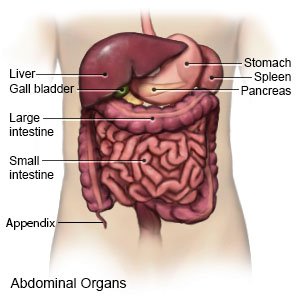
Ulcerative colitis is a chronic disease of the colon (large intestine). Inflammation and ulcers form on the inner lining of your colon. Ulcerative colitis is a type of inflammatory bowel disease. You may have times when signs and symptoms will decrease or disappear (remission). You will need to continue treatment in times of remission.
 |
WHILE YOU ARE HERE:
Informed consent
is a legal document that explains the tests, treatments, or procedures that you may need. Informed consent means you understand what will be done and can make decisions about what you want. You give your permission when you sign the consent form. You can have someone sign this form for you if you are not able to sign it. You have the right to understand your medical care in words you know. Before you sign the consent form, understand the risks and benefits of what will be done. Make sure all your questions are answered.
You may be weighed each day.
Healthcare providers compare your weight from day to day to record how much body fluid you have. You can become dehydrated if you lose too much fluid. You can have shortness of breath or swelling in your legs if you retain (hold) too much fluid.
Medicines:
- Aminosalicylates stop your immune system from releasing substances that can cause inflammation.
- Steroids may be given to decrease inflammation.
- Immunosuppressants may be given to calm your immune system.
- Biologic therapy helps your immune system fight the disease. These medicines increase the risk of serious infection and need careful monitoring.
- Janus Kinase (JAK) inhibitors block inflammation.
- Nutritional supplements , such as vitamins or minerals, may be given.
Related medications
Lialda
Lialda (mesalamine) is used to treat ulcerative colitis, proctitis and proctosigmoiditis. Includes ...
Humira
Humira is a tumor necrosis factor blocker used to treat many inflammatory conditions in adults ...
Botox
Botox is used cosmetically to reduce facial lines and wrinkles and for medical purposes for ...
Entyvio
Entyvio (vedolizumab) is used to treat ulcerative colitis (UC) and Crohn's disease, reducing ...
Stelara
Stelara (ustekinumab) is used to treat Crohn's disease, ulcerative colitis, plaque psoriasis, and ...
Xeljanz
Xeljanz (tofacitinib) is an oral Janus kinase (JAK) inhibitor that may be used alone or with other ...
Remicade
Remicade is used to treat rheumatoid arthritis, psoriatic arthritis, ulcerative colitis and Crohn's ...
Apriso
Apriso (mesalamine) is used to treat ulcerative colitis, proctitis, and proctosigmoiditis. Includes ...
Ustekinumab
Ustekinumab injection is used to treat plaque psoriasis, ulcerative colitis, Crohn’s disease, and p ...
Tofacitinib
Tofacitinib is a janus kinase (JAK) inhibitor and disease modifying anti-rheumatic drug (DMARD). It ...
Treatment options
The following list of medications are related to or used in the treatment of this condition.
Tests:
- Blood tests may be used to show an infection, dehydration, or anemia (low red blood cell levels).
- A bowel movement sample may be tested for blood or infection.
- A barium enema is an x-ray of the colon. A tube is put into your anus, and a liquid called barium is put through the tube. Barium is used so that your healthcare provider can see your colon better.
- CT or MRI pictures may be used to find problems in your intestines. You may be given contrast liquid to help your colon show up better in the pictures. Tell the healthcare provider if you have ever had an allergic reaction to contrast liquid. Do not enter the MRI room with anything metal. The MRI machine uses a powerful magnet. Metal can cause serious injury from the magnet. Tell the healthcare provider if you have any metal in or on your body.
- An endoscopy is a procedure used to look for inflammation, bleeding, or ulcers in your intestines. An endoscope is a thin, flexible tube with a light and camera on the end. A tissue or bowel sample may be taken from your colon to be tested.
Surgery:
You may need surgery to help decrease your symptoms, correct problems, or to remove part or all of your colon.
RISKS:
Without treatment, you may develop a blockage in your colon or an infection in your intestines. Chronic inflammation may weaken the walls of your intestines and cause a hole to form. You may also develop other health problems, such as anemia, osteoporosis, colorectal cancer, and liver disease.
CARE AGREEMENT:
You have the right to help plan your care. Learn about your health condition and how it may be treated. Discuss treatment options with your healthcare providers to decide what care you want to receive. You always have the right to refuse treatment.© Copyright Merative 2025 Information is for End User's use only and may not be sold, redistributed or otherwise used for commercial purposes.
The above information is an educational aid only. It is not intended as medical advice for individual conditions or treatments. Talk to your doctor, nurse or pharmacist before following any medical regimen to see if it is safe and effective for you.
Learn more about Ulcerative Colitis
Treatment options
Care guides
Symptoms and treatments
Further information
Always consult your healthcare provider to ensure the information displayed on this page applies to your personal circumstances.