
Ulcerative Colitis
Medically reviewed by Drugs.com. Last updated on Aug 4, 2025.
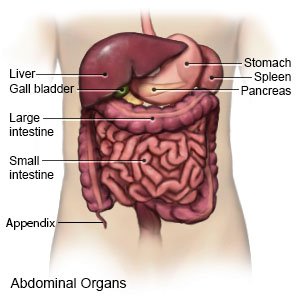
Ulcerative colitis is a chronic disease of the colon (large intestine). Inflammation and ulcers form on the inner lining of your colon. Ulcerative colitis is a type of inflammatory bowel disease. You may have times when signs and symptoms will decrease or disappear (remission). You will need to continue treatment in times of remission.
 |
DISCHARGE INSTRUCTIONS:
Call your local emergency number (911 in the US) if:
- You have sudden trouble breathing.
- You have a fast heart rate, fast breathing, or are too dizzy to stand.
Seek care immediately if:
- You have severe abdominal pain.
- You vomit blood, or your vomit looks like coffee grounds.
- You have tar-colored bowel movements or you see blood in your bowel movements.
Call your doctor or gastroenterologist if:
- You have a fever, chills, a cough, or feel weak and achy.
- Your abdominal pain does not go away, even after treatment.
- Your abdomen is swollen.
- You lose weight without trying.
- You have questions or concerns about your condition or care.
Related medications
Treatment options
The following list of medications are related to or used in the treatment of this condition.
Medicines:
- Medicines may be given to help decrease inflammation or control your immune system.
- Take your medicine as directed. Contact your healthcare provider if you think your medicine is not helping or if you have side effects. Tell your provider if you are allergic to any medicine. Keep a list of the medicines, vitamins, and herbs you take. Include the amounts, and when and why you take them. Bring the list or the pill bottles to follow-up visits. Carry your medicine list with you in case of an emergency.
Self-care:
- Keep a record of everything you eat and drink. Include any symptoms the food or drink causes or makes worse. You may need to avoid certain foods. Dairy, alcohol, hot spices, and high-fiber foods are examples of foods that may worsen your symptoms. Your provider may recommend that you take vitamins or mineral supplements. Always ask your provider before you take vitamins or nutritional supplements.
- Do not take NSAID medicines. NSAIDs such as aspirin and ibuprofen can cause a flare.
- Take your medicines exactly as directed. This may help to keep your disease in remission.
- Drink liquids as directed. Ask how much liquid to drink each day and which liquids are best for you. Do not drink alcohol. This can make your symptoms worse.
- Be physically active. Physical activity, such as exercise, can help prevent constipation and keep your colon healthy. Ask your provider about the best exercise plan for you.

- Manage your stress. Stress may trigger your symptoms. Learn ways to relax, such as deep breathing or meditation.
Follow up with your doctor or gastroenterologist as directed:
Keep a written record of your bowel movements. Include the color, form, and if they were bloody. Bring the record to your follow-up visits. Write down your questions so you remember to ask them during your visits.
For support and more information:
- Crohn's and Colitis Foundation of America, Inc.
386 Park Avenue S, 17th Floor
New York , NY 10016-8004
Phone: 1- 800 - 932-2423
Web Address: http://www.ccfa.org
© Copyright Merative 2025 Information is for End User's use only and may not be sold, redistributed or otherwise used for commercial purposes.
The above information is an educational aid only. It is not intended as medical advice for individual conditions or treatments. Talk to your doctor, nurse or pharmacist before following any medical regimen to see if it is safe and effective for you.
Learn more about Ulcerative Colitis
Treatment options
Care guides
Symptoms and treatments
Further information
Always consult your healthcare provider to ensure the information displayed on this page applies to your personal circumstances.