
Hypothyroidism
Medically reviewed by Drugs.com. Last updated on Jun 30, 2025.
What is hypothyroidism?
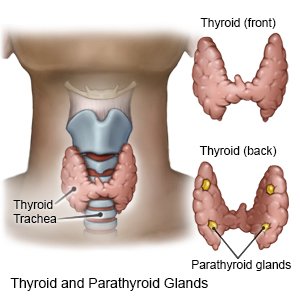
Hypothyroidism is a condition that develops when the thyroid gland does not make enough thyroid hormone. Thyroid hormones help control body temperature, heart rate, growth, and weight.
 |
What causes or increases my risk for hypothyroidism?
- A family history of hypothyroidism
- Age 60 years or older or being female
- Autoimmune disease, such as inflammation of your thyroid, or Hashimoto disease
- Thyroid surgery, head or neck radiation therapy, or medicines such as lithium, sedatives, or narcotics
- Thyroid cancer, a goiter, or a viral infection
- Low iodine level
- Down syndrome or Turner syndrome
What are the signs and symptoms of hypothyroidism?
The signs and symptoms may develop slowly, sometimes over several years.
- Exhaustion, depression, or irritability
- Sensitivity to cold
- Muscle aches, headaches, weakness, or trouble concentrating
- Dry, flaky skin, brittle nails, or thinning hair
- Recent weight gain without overeating, or constipation
- Heavy or irregular monthly periods
- Puffiness around your eyes or swelling in your hands and feet
- Low heart rate, changes in your blood pressure
How is hypothyroidism diagnosed?
Your healthcare provider will ask about your symptoms and what medicines you take. He or she will ask about your medical history and if anyone in your family has hypothyroidism. A blood test will show your thyroid hormone level.
Related medications
Synthroid
Synthroid (levothyroxine) treats hypothyroidism (low thyroid hormone) and different types of ...
Armour Thyroid
Armour Thyroid is used for hashimoto's disease, hypothyroidism, after thyroid removal, thyroid ...
Botox
Botox is used cosmetically to reduce facial lines and wrinkles and for medical purposes for ...
Levoxyl
Levoxyl treats hypothyroidism (low thyroid hormone) and treats or prevents goiter. Learn about side ...
Tirosint
Tirosint is used for hashimoto's disease, hypothyroidism, after thyroid removal, myxedema coma ...
Cytomel
Cytomel is used for hypothyroidism, after thyroid removal, myxedema, myxedema coma, thyroid ...
Euthyrox
Euthyrox (levothyroxine) is used to treat hypothyroidism and to treat or prevent goiter. Includes ...
Unithroid
Unithroid is used for hashimoto's disease, hypothyroidism, after thyroid removal, myxedema coma ...
Levo-T
Levo-T is used for hashimoto's disease, hypothyroidism, after thyroid removal, myxedema coma ...
Liothyronine
Liothyronine is used for hypothyroidism, after thyroid removal, myxedema, myxedema coma, thyroid ...
How is hypothyroidism treated?
Thyroid hormone replacement medicine may bring your thyroid hormone level back to normal. You will need to take this medicine for the rest of your life to control hypothyroidism. It is important to take the medicine every day as directed. You will be given instructions for what to do if you miss a dose. Ask your healthcare provider for more information on other medicines you may need.
Treatment options
The following list of medications are related to or used in the treatment of this condition.
How can I manage hypothyroidism?
- Get more iodine. The thyroid gland uses iodine to work correctly and to make thyroid hormones. Your healthcare provider may tell you to eat foods that are rich in iodine. He or she will tell you how much of these foods to eat. Milk and seafood are good sources of iodine. You may also need iodine supplements.
- Keep track of your blood pressure and weight:
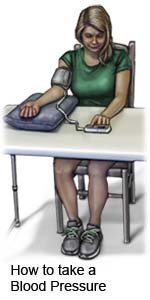
- Check your blood pressure and write it down as often as directed. It is important to measure your blood pressure on the same arm and in the same position each time. Keep track of your blood pressure readings, along with the date and time you took them. Take this record with you to your followup visits.
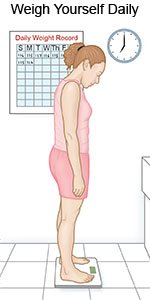
- Weigh yourself daily before breakfast after you urinate. Weight gain may be a sign of extra fluid in your body. Keep track of your daily weights and take the record with you to your followup visits.
- Check your blood pressure and write it down as often as directed. It is important to measure your blood pressure on the same arm and in the same position each time. Keep track of your blood pressure readings, along with the date and time you took them. Take this record with you to your followup visits.
Call your local emergency number (911 in the US) or have someone call if:
- You have sudden chest pain or shortness of breath.
- You have a seizure.
- You feel like you are going to faint.
When should I seek immediate care?
- You have diarrhea, tremors, or trouble sleeping.
- Your legs, ankles, or feet are swollen.
When should I call my doctor?
- You have a fever.
- You have chills, a cough, or feel weak and achy.
- You have pain and swelling in your muscles and joints.
- Your skin is itchy, swollen, or you have a rash.
- Your signs and symptoms return or get worse, even after treatment.
- You have questions or concerns about your condition or care.
Care Agreement
You have the right to help plan your care. Learn about your health condition and how it may be treated. Discuss treatment options with your healthcare providers to decide what care you want to receive. You always have the right to refuse treatment. The above information is an educational aid only. It is not intended as medical advice for individual conditions or treatments. Talk to your doctor, nurse or pharmacist before following any medical regimen to see if it is safe and effective for you.© Copyright Merative 2025 Information is for End User's use only and may not be sold, redistributed or otherwise used for commercial purposes.
Learn more about Hypothyroidism
Treatment options
Care guides
Symptoms and treatments
Medicine.com guides (external)
Further information
Always consult your healthcare provider to ensure the information displayed on this page applies to your personal circumstances.