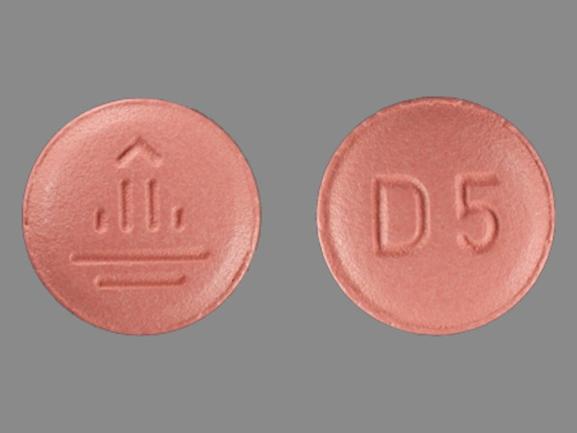
Tradjenta
Generic name: linagliptin [ LIN-a-GLIP-tin ]
Drug class: Dipeptidyl peptidase 4 inhibitors
What is Tradjenta?
Tradjenta is an oral diabetes medicine that helps control blood sugar levels. It works by regulating the levels of insulin your body produces after eating.
Tradjenta is used together with diet and exercise to improve blood sugar control in adults with type 2 diabetes mellitus.
Tradjenta is not for treating type 1 diabetes.
Warnings
Tradjenta can cause severe, life-threatening pancreatitis (inflammation of your pancreas). Stop taking Tradjenta and call your doctor at once if you have pain in your upper stomach that may spread to your back, with or without vomiting.
Also call your doctor if you have symptoms of heart failure, such as swelling, rapid weight gain, or shortness of breath (even while lying down).
You should not use linagliptin if you have diabetic ketoacidosis (call your doctor for treatment).
Before you take Tradjenta, tell your doctor if you have high cholesterol or triglycerides, or a history of pancreatitis.
Tradjenta is only part of a complete program of treatment that may also include diet, exercise, weight control, foot care, eye care, dental care, and testing your blood sugar. Follow your diet, medication, and exercise routines very closely. Changing any of these factors can affect your blood sugar levels.
Before taking this medicine
You should not use Tradjenta if:
-
you have ever had a severe allergic reaction to linagliptin (breathing problems, swelling, severe skin rash); or
-
you have diabetic ketoacidosis (call your doctor for treatment).
To make sure Tradjenta is safe for you, tell your doctor if you have ever had:
-
heart problems;
-
kidney disease;
-
pancreatitis;
-
high triglycerides (a type of fat in the blood);
-
gallstones; or
Tell your doctor if you are pregnant or breastfeeding.
Follow your doctor's instructions about using this medicine if you are pregnant or you become pregnant. Controlling diabetes is very important during pregnancy, and having high blood sugar may cause complications in both the mother and the baby.
This medicine is not approved for use by anyone younger than 18 years old.
How should I take Tradjenta?
Take Tradjenta exactly as prescribed by your doctor. Follow all directions on your prescription label and read all medication guides or instruction sheets. Your doctor may occasionally change your dose.
You may take this medicine with or without food.
You may have low blood sugar (hypoglycemia) and feel very hungry, dizzy, irritable, confused, anxious, or shaky. To quickly treat hypoglycemia, eat or drink a fast-acting source of sugar (fruit juice, hard candy, crackers, raisins, or non-diet soda).
Your doctor may prescribe a glucagon injection kit in case you have severe hypoglycemia. Be sure your family or close friends know how to give you this injection in an emergency.
Blood sugar levels can be affected by stress, illness, surgery, exercise, alcohol use, or skipping meals. Ask your doctor before changing your dose or medication schedule.
Tradjenta is only part of a treatment program that may also include diet, exercise, weight control, blood sugar testing, and special medical care. Follow your doctor's instructions very closely.
Store at room temperature away from moisture and heat.
Dosing information
Usual Adult Dose for Diabetes Type 2:
Recommended dose: 5 mg orally once a day
Comments: When used in combination with insulin or an insulin secretagogue, a lower dose of the insulin secretagogue or insulin may be necessary to reduce the risk of hypoglycemia.
Use: As an adjunct to diet and exercise to improve glycemic control in adults with type 2 diabetes mellitus
What happens if I miss a dose?
Take the medicine as soon as you can, but skip the missed dose if it is almost time for your next dose. Do not take two doses at one time.
What happens if I overdose?
Seek emergency medical attention or call the Poison Help line at 1-800-222-1222.
What to avoid
Follow your doctor's instructions about any restrictions on food, beverages, or activity.
Tradjenta side effects
Get emergency medical help if you have signs of an allergic reaction to Tradjenta: (hives, rash, itching, peeling, difficult breathing, swelling in your face or throat) or a severe skin reaction (fever, sore throat, burning eyes, skin pain, red or purple skin rash with blistering and peeling).
Stop taking Tradjenta and call your doctor right away if you have symptoms of pancreatitis: severe pain in your upper stomach spreading to your back, with or without vomiting.
Call your doctor at once if you have:
-
severe or ongoing pain in your joints;
-
a severe autoimmune reaction - itching, blisters, breakdown of the outer layer of skin; or
-
symptoms of heart failure - shortness of breath (even while lying down), swelling in your legs or feet, rapid weight gain.
Common Tradjenta side effects include:
-
runny or stuffy nose, sore throat;
-
cough; or
This is not a complete list of side effects and others may occur. Call your doctor for medical advice about side effects. You may report side effects to FDA at 1-800-FDA-1088.
What other drugs will affect Tradjenta?
Other drugs may increase or decrease the effects of Tradjenta on lowering your blood sugar. Tell your doctor about all your other medicines, especially:
-
rifampin (to treat tuberculosis); or
-
insulin or other oral diabetes medications.
This list is not complete. Other drugs may interact with linagliptin, including prescription and over-the-counter medicines, vitamins, and herbal products. Not all possible drug interactions are listed here.
More about Tradjenta (linagliptin)
- Check interactions
- Compare alternatives
- Pricing & coupons
- Reviews (74)
- Drug images
- Side effects
- Dosage information
- During pregnancy
- Generic availability
- FDA approval history
- Drug class: dipeptidyl peptidase 4 inhibitors
- Breastfeeding
- En español
Professional resources
Related treatment guides
Further information
Remember, keep this and all other medicines out of the reach of children, never share your medicines with others, and use Tradjenta only for the indication prescribed.
Always consult your healthcare provider to ensure the information displayed on this page applies to your personal circumstances.
Copyright 1996-2024 Cerner Multum, Inc. Version: 6.02.