
Cholesterol and your Health
Medically reviewed by Drugs.com. Last updated on Aug 4, 2025.
What is cholesterol?
Cholesterol is a waxy, fat-like substance. Your body uses cholesterol to make hormones and new cells, and to protect nerves. Cholesterol is made by your body. It also comes from certain foods you eat, such as meat and dairy products. Your healthcare provider can help you set goals for your cholesterol levels. Your provider can help you create a plan to meet your goals.
What are cholesterol level goals?
Your cholesterol level goals depend on your risk for heart disease, your age, and your other health conditions. The following are general guidelines:
- Total cholesterol includes low-density lipoprotein (LDL), high-density lipoprotein (HDL), and triglyceride levels. The total cholesterol level should be lower than 200 mg/dL and is best at about 150 mg/dL.
- LDL cholesterol is called bad cholesterol because it forms plaque in your arteries. As plaque builds up, your arteries become narrow, and less blood flows through. When plaque decreases blood flow to your heart, you may have chest pain. If plaque completely blocks an artery that brings blood to your heart, you may have a heart attack. Plaque can break off and form blood clots. Blood clots may block arteries in your brain and cause a stroke. The level should be less than 130 mg/dL and is best at about 100 mg/dL.
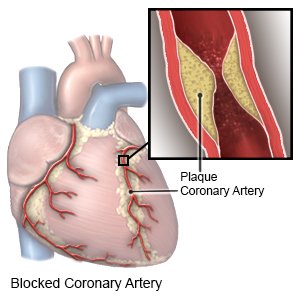
- HDL cholesterol is called good cholesterol because it helps remove LDL cholesterol from your arteries. It does this by attaching to LDL cholesterol and carrying it to your liver. Your liver breaks down LDL cholesterol so your body can get rid of it. High levels of HDL cholesterol can help prevent a heart attack and stroke. Low levels of HDL cholesterol can increase your risk for heart disease, heart attack, and stroke. The level should be at least 40 mg/dL in males or at least 50 mg/dL in females.
- Triglycerides are a type of fat that store energy from foods you eat. High levels of triglycerides also cause plaque buildup. This can increase your risk for a heart attack or stroke. If your triglyceride level is high, your LDL cholesterol level may also be high. The level should be less than 150 mg/dL.
What increases my risk for high cholesterol?
- Smoking or drinking large amounts of alcohol
- Having overweight or obesity, or not getting enough exercise
- A medical condition such as hypertension (high blood pressure) or diabetes
- A family history of high cholesterol
- Age older than 65
What do I need to know about having my cholesterol levels checked?
Adults 20 to 45 years of age should have their cholesterol levels checked every 4 to 6 years. Adults 45 years or older should have their cholesterol checked every 1 to 2 years. You may need your cholesterol checked more often, or at a younger age, if you have risk factors for heart disease. You may also need to have your cholesterol checked more often if you have other health conditions, such as diabetes. Blood tests are used to check cholesterol levels. Blood tests measure your levels of triglycerides, LDL cholesterol, and HDL cholesterol.
Related medications
How do healthy fats affect my cholesterol levels?
Healthy fats, also called unsaturated fats, help lower LDL cholesterol and triglyceride levels. Healthy fats include the following:
- Monounsaturated fats are found in foods such as olive oil, canola oil, avocado, nuts, and olives.
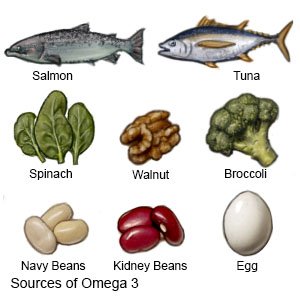
- Polyunsaturated fats, such as omega 3 fats, are found in fish, such as salmon, trout, and tuna. They can also be found in plant foods such as flaxseed, walnuts, and soybeans.
How do unhealthy fats affect my cholesterol levels?
Unhealthy fats increase LDL cholesterol and triglyceride levels. They are found in foods high in cholesterol, saturated fat, and trans fat:
- Cholesterol is found in eggs, dairy, and meat.
- Saturated fat is found in butter, cheese, ice cream, whole milk, and coconut oil. Saturated fat is also found in meat, such as sausage, hot dogs, and bologna.
- Trans fat is found in liquid oils and is used in fried and baked foods. Foods that contain trans fats include chips, crackers, muffins, sweet rolls, microwave popcorn, and cookies.
How is high cholesterol treated?
Treatment for high cholesterol will also decrease your risk of heart disease, heart attack, and stroke. Treatment may include any of the following:
- Lifestyle changes may include food, exercise, weight loss, and quitting smoking. You may also need to decrease the amount of alcohol you drink. Your healthcare provider will want you to start with lifestyle changes. Other treatment may be added if lifestyle changes are not enough. Your healthcare provider may recommend you work with a team to manage hyperlipidemia. The team may include medical experts such as a dietitian, an exercise or physical therapist, and a behavior therapist. Your family members may be included in helping you create lifestyle changes.
- Medicines may be given to lower your LDL cholesterol, triglyceride levels, or total cholesterol level. You may need medicines to lower your cholesterol if any of the following is true:
- You have a history of stroke, TIA, unstable angina, or a heart attack.
- Your LDL cholesterol level is 190 mg/dL or higher.
- You are age 40 to 75 years, have diabetes or heart disease risk factors, and your LDL cholesterol is 70 mg/dL or higher.
- Supplements include fish oil, red yeast rice, and garlic. Fish oil may help lower your triglyceride and LDL cholesterol levels. It may also increase your HDL cholesterol level. Red yeast rice may help decrease your total cholesterol level and LDL cholesterol level. Garlic may help lower your total cholesterol level. Do not take any supplements without talking to your healthcare provider.
What food changes can I make to lower my cholesterol levels?
A dietitian can help you create a healthy eating plan. Your dietitian can show you how to read food labels and choose foods low in saturated fat, trans fats, and cholesterol.
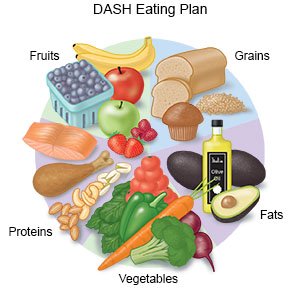 |
- Decrease the total amount of fat you eat. Choose lean meats, fat-free or 1% fat milk, and low-fat dairy products, such as yogurt and cheese. Try to limit or avoid red meats. Limit or do not eat fried foods or baked goods, such as cookies.
- Replace unhealthy fats with healthy fats. Cook foods in olive oil or canola oil. Choose soft margarines that are low in saturated fat and trans fat. Seeds, nuts, and avocados are other examples of healthy fats.
- Eat foods with omega-3 fats. Examples include salmon, tuna, mackerel, walnuts, and flaxseed. Eat fish 2 times per week. Pregnant women should not eat fish that have high levels of mercury, such as shark, swordfish, and king mackerel.
- Increase the amount of high-fiber foods you eat. High-fiber foods can help lower your LDL cholesterol. Aim to get between 20 and 30 grams of fiber each day. Fruits and vegetables are high in fiber. Eat at least 5 servings each day. Other high-fiber foods are whole-grain or whole-wheat breads, pastas, or cereals, and brown rice. Eat 3 ounces of whole-grain foods each day. Increase fiber slowly. You may have abdominal discomfort, bloating, and gas if you add fiber to your diet too quickly.

- Eat healthy protein foods. Examples include low-fat dairy products, skinless chicken and turkey, fish, and nuts.
- Limit foods and drinks that are high in sugar. Your dietitian or healthcare provider can help you create daily limits for high-sugar foods and drinks. The limit may be lower if you have diabetes or another health condition. Limits can also help you lose weight if needed.
What lifestyle changes can I make to lower my cholesterol levels?
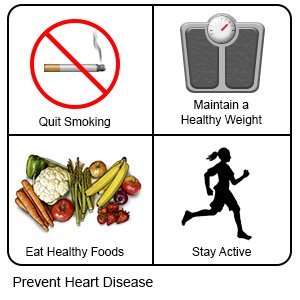
- Maintain a healthy weight. Ask your healthcare provider what a healthy weight is for you. Ask your provider to help you create a weight loss plan if needed. Weight loss can decrease your total cholesterol and triglyceride levels. Weight loss may also help keep your blood pressure at a healthy level.
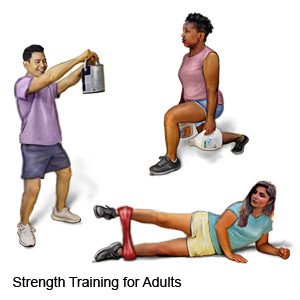
- Be physically active throughout the day. Physical activity, such as exercise, can help lower your total cholesterol level and maintain a healthy weight. Physical activity can also help increase your HDL cholesterol level. Work with your healthcare provider to create an program that is right for you. Get at least 30 to 40 minutes of moderate physical activity most days of the week. Examples of exercise include brisk walking, swimming, or biking. Also include strength training at least 2 times each week. Your healthcare providers can help you create a physical activity plan.

- Do not smoke. Nicotine and other chemicals in cigarettes and cigars can raise your cholesterol levels. Ask your healthcare provider for information if you currently smoke and need help to quit. E-cigarettes or smokeless tobacco still contain nicotine. Talk to your healthcare provider before you use these products.
- Limit or do not drink alcohol. Alcohol can increase your triglyceride levels. Ask your healthcare provider before you drink alcohol. Ask how much is okay for you to drink in 24 hours or 1 week.
Care Agreement
You have the right to help plan your care. Discuss treatment options with your healthcare provider to decide what care you want to receive. You always have the right to refuse treatment. The above information is an educational aid only. It is not intended as medical advice for individual conditions or treatments. Talk to your doctor, nurse or pharmacist before following any medical regimen to see if it is safe and effective for you.© Copyright Merative 2025 Information is for End User's use only and may not be sold, redistributed or otherwise used for commercial purposes.
Further information
Always consult your healthcare provider to ensure the information displayed on this page applies to your personal circumstances.