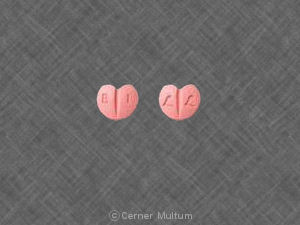
Zebeta Side Effects
Generic name: bisoprolol
Medically reviewed by Drugs.com. Last updated on Feb 10, 2025.
Note: This document provides detailed information about Zebeta Side Effects associated with bisoprolol. Some dosage forms listed on this page may not apply specifically to the brand name Zebeta.
Applies to bisoprolol: oral tablet.
Precautions
It is very important that your doctor check your progress at regular visits to make sure this medicine is working properly and to check for unwanted effects .
Bisoprolol may cause heart failure in some patients. Check with your doctor right away if you are having chest pain or discomfort; dilated neck veins; extreme fatigue; irregular breathing; an irregular heartbeat; shortness of breath; swelling of the face, fingers, feet, or lower legs; weight gain; or wheezing .
This medicine may cause changes in your blood sugar levels. Also, this medicine may cover up signs of low blood sugar, such as a rapid pulse rate. Check with your doctor if you have these problems or if you notice a change in the results of your blood or urine sugar tests .
Make sure any doctor or dentist who treats you knows that you are using this medicine. You may need to stop using this medicine several days before having surgery .
This medicine may cause some people to become less alert than they are normally. If this side effect occurs, do not drive, use machines, or do anything else that could be dangerous if you are not alert while taking bisoprolol (the active ingredient contained in Zebeta) .
Serious side effects of Zebeta
Along with its needed effects, bisoprolol may cause some unwanted effects. Although not all of these side effects may occur, if they do occur they may need medical attention.
Check with your doctor immediately if any of the following side effects occur while taking bisoprolol:
Less common side effects
- body aches or pain
- chest pain
- chills
- cough
- difficult or labored breathing
- ear congestion
- fever
- headache
- loss of voice
- nasal congestion
- pain or tenderness around eyes and cheekbones
- shortness of breath or troubled breathing
- sneezing
- sore throat
- stuffy or runny nose
- tightness in chest
- unusual tiredness or weakness
- wheezing
Rare side effects
- chest discomfort
- lightheadedness, dizziness, or fainting
- slow or irregular heartbeat
Get emergency help immediately if any of the following symptoms of overdose occur while taking bisoprolol:
Symptoms of overdose
- anxiety
- blurred vision
- cold sweats
- coma
- confusion
- cool, pale skin
- decreased urine output
- depression
- dilated neck veins
- dizziness, faintness, or lightheadedness when getting up from a lying or sitting position suddenly
- extreme fatigue
- fast heartbeat
- increased hunger
- irregular breathing
- nausea
- nervousness
- nightmares
- noisy breathing
- seizures
- shakiness
- slurred speech
- sweating
- swelling of face, fingers, feet, or lower legs
- weight gain
Other side effects of Zebeta
Some side effects of bisoprolol may occur that usually do not need medical attention. These side effects may go away during treatment as your body adjusts to the medicine. Also, your health care professional may be able to tell you about ways to prevent or reduce some of these side effects.
Check with your health care professional if any of the following side effects continue or are bothersome or if you have any questions about them:
Less common side effects
- abnormal or decreased touch sensation
- diarrhea
- difficulty in moving
- lack or loss of strength
- muscle pain or stiffness
- pain in joints
- sleeplessness
- trouble sleeping
- unable to sleep
- vomiting
See also:
For healthcare professionals
Applies to bisoprolol: oral tablet.
General adverse events
The more commonly reported side effects observed with this drug are bradycardia, dizziness, and hypotension.[Ref]
Cardiovascular
- Very common (10% or more): Bradycardia (up to 15.2%)
- Common (1% to 10%): Chest pain, heart failure aggravation, hypotension, cold extremities, peripheral edema, ischemia, conduction disorder, left cardiac failure, palpitation, vein disorder
- Uncommon (0.1% to 1%): Atrioventricular (AV) disturbances, orthostatic hypotension
- Frequency not reported: Other rhythm disturbances, claudication[Ref]
Bradycardia occurred as a dose-related event.
Cardiac failure occurred in 18.4% of patients (n=1328) compared with 22.8% of placebo-treated patients (n=1321).[Ref]
Nervous system
- Very common (10% or more): Dizziness (up to 13.3%)
- Common (1% to 10%): Headache, extremity numbness, cerebrovascular disorder, syncope, hypoesthesia
- Frequency not reported: Vertigo, paresthesia, hypoesthesia, hyperesthesia, somnolence, decreased concentration/memory, tremor, taste abnormalities
- Postmarketing reports: Unsteadiness[Ref]
Respiratory
- Very common (10% or more): Dyspnea (up to 13.8%)
- Common (1% to 10%): Pneumonia, bronchitis, coughing, exertional dyspnea, upper respiratory tract infection, respiratory distress, stridor, respiratory tract edema, respiratory tract hemorrhage, sinusitis
- Uncommon (0.1% to 1%): Bronchospasm
- Rare (0.01% to 0.1%): Allergic rhinitis[Ref]
Sinusitis occurred as a dose-related event.[Ref]
Immunologic
- Very common: Antinuclear antibody (ANA) conversions (up to 15%)
- Common (1% to 10%): Viral infection[Ref]
Dermatologic
- Common (1% to 10%): Pruritus
- Uncommon (0.1% to 1%): Sweating
- Rare (0.01% to 0.1%): Itching, flushing, rash
- Very rare (less than 0.01%): Alopecia, psoriasis-like rash, psoriasis exacerbation
- Frequency not reported: Acne, eczema, skin irritation, cutaneous vasculitis
- Postmarketing reports: Dermatitis, exfoliative dermatitis[Ref]
Gastrointestinal
- Common (1% to 10%): Nausea, vomiting, diarrhea, constipation, dyspepsia, epigastric pain (not food related), abdominal pain, gastritis, dry mouth
- Frequency not reported: Gastric pain, peptic ulcer[Ref]
Diarrhea occurred as a dose-related event.[Ref]
Metabolic
- Common (1% to 10%): Purine metabolism disorder, carbohydrate metabolism disturbed, weight changes, cholesterol changes, potassium levels altered, blood lipid changes
- Rare (0.01% to 0.1%): Increased triglycerides
- Frequency not reported: Gout
- Postmarketing reports: Increased uric acid and glucose[Ref]
Uric acid, serum potassium, glucose, and phosphorus increases associated with use of this drug were not of clinical importance and rarely resulted in discontinuation.[Ref]
Musculoskeletal
- Common (1% to 10%): Limb pain, myalgia, arthropathy, arthralgia
- Uncommon (0.1% to 1%): Muscular weakness, cramps
- Frequency not reported: Back pain, neck pain, twitching[Ref]
Other
- Common (1% to 10%): Asthenia, fatigue, body pain, fever, malaise
- Rare (0.01% to 0.1%): Hearing disorders
- Frequency not reported: Earache, tinnitus[Ref]
Fatigue and asthenia occurred as dose-related events.[Ref]
Psychiatric
- Common (1% to 10%): Insomnia, anxiety
- Uncommon (0.1% to 1%): Sleep disorders, depression
- Rare (0.01% to 0.1%): Nightmares, hallucinations
- Frequency not reported: Restlessness[Ref]
Genitourinary
- Common (1% to 10%): Urinary tract infection
- Rare (0.01% to 0.1%): Potency disorders
- Frequency not reported: Decreased libido, Peyronie's disease, polyuria[Ref]
Hepatic
- Common (1% to 10%): Hepatomegaly
- Rare (0.01% to 0.1%): Increased liver enzymes (ALT, AST), hepatitis[Ref]
Transaminase elevations of 1 to 2 times the upper limit of normal were reported in 6.2% of patients, with a multiple occurrence rate of 1.9%. Generally, this increase was the result of underlying disorders or resolved with continued use of this drug.[Ref]
Hypersensitivity
- Rare (0.01% to 0.1%): Hypersensitivity
- Postmarketing reports: Angioedema[Ref]
Of the 15% of patients who developed positive ANA status, one-third of patients converted back to a negative titer with continued use.[Ref]
Ocular
- Rare (0.01% to 0.1%): Reduced tear flow
- Very rare (less than 0.01%): Conjunctivitis
- Frequency not reported: Visual disturbances, ocular pain, ocular pressure[Ref]
Renal
- Frequency not reported: Cystitis, renal colic
- Postmarketing reports: Increased creatinine and BUN[Ref]
Creatinine and BUN were associated with slightly increased levels, but these effects were generally not of clinical importance and rarely resulted in discontinuation.[Ref]
Hematologic
- Postmarketing reports: Purpura, decreases in WBC and platelets[Ref]
During treatment with this drug, decreased levels of WBCs and platelets were not of clinical importance and rarely resulted in discontinuation.[Ref]
References
1. (2001) "Product Information. Zebeta (bisoprolol)." Lederle Laboratories
2. Cerner Multum, Inc. "UK Summary of Product Characteristics."
3. Cerner Multum, Inc. "Australian Product Information."
Frequently asked questions
More about Zebeta (bisoprolol)
- Check interactions
- Compare alternatives
- Reviews (3)
- Drug images
- Dosage information
- During pregnancy
- Drug class: cardioselective beta blockers
- Breastfeeding
Patient resources
Professional resources
Related treatment guides
Further information
Zebeta side effects can vary depending on the individual. Always consult your healthcare provider to ensure the information displayed on this page applies to your personal circumstances.
Note: Medication side effects may be underreported. If you are experiencing side effects that are not listed, submit a report to the FDA by following this guide.