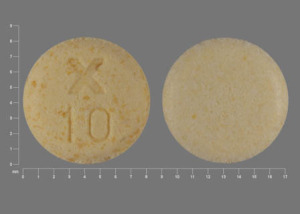
Uroxatral Side Effects
Generic name: alfuzosin
Medically reviewed by Drugs.com. Last updated on Oct 19, 2024.
Note: This document provides detailed information about Uroxatral Side Effects associated with alfuzosin. Some dosage forms listed on this page may not apply specifically to the brand name Uroxatral.
Applies to alfuzosin: oral tablet extended release.
Precautions
It is very important that your doctor check your progress at regular visits to make sure that this medicine is working properly and to check for unwanted effects.
Do not use this medicine if you are taking ketoconazole (Nizoral®), itraconazole (Sporanox®), or ritonavir (Norvir®).
Dizziness, lightheadedness, or fainting may occur after you use this medicine, especially when you get up from a lying or sitting position. Getting up slowly may help lessen this problem. If you feel dizzy, lie down so you do not faint. Then sit for a few moments before standing to prevent the dizziness from returning.
This medicine may cause some people to become dizzy or less alert than they are normally. Do not drive or do anything else that could be dangerous until you know how this medicine affects you.
Tell your eye doctor (ophthalmologist) that you have used or are using this medicine before cataract surgery or any other eye procedure. This medicine may cause a serious eye problem called Intraoperative Floppy Iris Syndrome (IFIS).
Call your doctor right away if you experience a prolonged erection. This is an extremely rare side effect, but if it goes untreated, can result in permanent erectile dysfunction (impotence).
Check with your doctor right away if you have arm, back or jaw pain, chest pain or discomfort, chest tightness or heaviness, fast or irregular heartbeat, nausea, or sweating.
Benign prostatic hyperplasia can have the same symptoms as prostate cancer. They may also often occur together. Your doctor may test for the presence of the cancer before you start using this medicine.
Do not take other medicines unless they have been discussed with your doctor. This includes prescription or nonprescription (over-the-counter [OTC]) medicines and herbal or vitamin supplements.
Common side effects of Uroxatral
Some side effects of alfuzosin may occur that usually do not need medical attention. These side effects may go away during treatment as your body adjusts to the medicine. Also, your health care professional may be able to tell you about ways to prevent or reduce some of these side effects.
Check with your health care professional if any of the following side effects continue or are bothersome or if you have any questions about them:
Less common side effects
- belching
- body aches or pain
- congestion
- cough
- cough producing mucus
- decreased interest in sexual intercourse
- difficulty breathing
- difficulty having a bowel movement
- dryness or soreness of the throat
- ear congestion
- heartburn
- hoarseness
- inability to have or keep an erection
- indigestion
- loss in sexual ability, desire, drive, or performance
- loss of voice
- nasal congestion
- pain
- pain or tenderness around the eyes and cheekbones
- sneezing
- sore throat
- stomach discomfort or upset
- stuffy or runny nose
- tender, swollen glands in the neck
- tightness in the chest
- trouble with swallowing
- unusual tiredness or weakness
- voice changes
Incidence not known
- feeling of warmth
- redness of the face, neck, arms, and occasionally, upper chest
Serious side effects of Uroxatral
Along with its needed effects, alfuzosin (the active ingredient contained in Uroxatral) may cause some unwanted effects. Although not all of these side effects may occur, if they do occur they may need medical attention.
Check with your doctor immediately if any of the following side effects occur while taking alfuzosin:
Rare side effects
- chest pain
- chills
- cold sweats
- confusion
- dizziness, faintness, or lightheadedness when getting up from a lying or sitting position
- fainting
- fast, pounding, or irregular heartbeat or pulse
- painful or prolonged erection of the penis
Incidence not known
- arm, back, or jaw pain
- black, tarry stools
- bleeding gums
- bloody urine
- chest discomfort, tightness, or heaviness
- clay-colored stools
- dark urine
- diarrhea
- fever
- headache
- hives, welts, itching, skin rash
- large, hive-like swelling on the face, eyelids, lips, tongue, throat, hands, legs, feet, or genitals
- loss of appetite
- nausea
- pinpoint red spots on the skin
- stomach pain
- sweating
- swelling
- unpleasant breath odor
- unusual bleeding or bruising
- unusual tiredness or weakness
- vomiting of blood
- yellow eyes or skin
See also:
For healthcare professionals
Applies to alfuzosin: oral tablet extended release.
Nervous system adverse events
- Very common (10% or more): Dizziness (up to 27%), headache (up to 14%), fatigue (up to 14%)
- Common (1% to 10%): Syncope, pain
- Postmarketing reports: Flushing[Ref]
Respiratory
- Very common (10% or more): Upper respiratory tract infection (up to 14%)
- Common (1% to 10%): Bronchitis, sinusitis, pharyngitis
- Postmarketing reports: Rhinitis[Ref]
Cardiovascular
- Common (1% to 10%): Hypotension or postural hypotension
- Postmarketing reports: Tachycardia, chest pain, angina pectoris in patients with preexisting coronary artery disease, atrial fibrillation[Ref]
Gastrointestinal
- Common (1% to 10%): Abdominal pain, dyspepsia, constipation, nausea
- Postmarketing reports: Diarrhea, vomiting[Ref]
Genitourinary
- Common (1% to 10%): Impotence
- Postmarketing reports: Priapism[Ref]
Ocular
- Frequency not reported: Intraoperative Floppy Iris Syndrome (IFIS) has been observed in some patients undergoing phacoemulsification cataract surgery while being treated with alpha-1 blockers[Ref]
Hepatic
- Postmarketing reports: Hepatocellular and cholestatic liver injury (including cases with jaundice leading to drug discontinuation)[Ref]
Dermatologic
- Postmarketing reports: Rash, pruritus, urticaria, angioedema, toxic epidermal necrolysis[Ref]
Hematologic
- Postmarketing reports: Thrombocytopenia
Metabolic
- Postmarketing reports: Edema
References
1. (2002) "Product Information. Xatral (alfuzosin)." Sanofi-Synthelabo Canada Inc
2. (2003) "Product Information. Uroxatral (alfuzosin)." sanofi-aventis
3. Jardin A, Bensadoun H, Delauche-Cavallier MC, Stalla-Bourdillon A, Attali P (1994) "Long-term treatment of benign prostatic hyperplasia with alfuzosin: a 24-30 month survey. BPHALF Group." Br J Urol, 74, p. 579-84
4. Hansen BJ, Nordling J, Mensink HJ, Walter S, Meyhoff HH (1994) "Alfuzosin in the treatment of benign prostatic hyperplasia: effects on symptom scores, urinary flow rates and residual volume. A multicentre, double-blind, placebo-controlled trial. ALFECH Study Group." Scand J Urol Nephrol Suppl, 157, p. 169-76
5. Qazi HA, Ananthakrishnan K, Manikandan R, Fordham MV (2006) "Stuttering priapism after ingestion of alfuzosin." Urology, 68, 890.e5-6
6. Cerner Multum, Inc. "UK Summary of Product Characteristics."
7. Wang YS, Tay YK, Kwok C (2006) "Toxic epidermal necrolysis caused by alfuzosin, an alpha1-adrenoceptor antagonist." Arch Dermatol, 142, p. 938
More about Uroxatral (alfuzosin)
- Check interactions
- Compare alternatives
- Pricing & coupons
- Reviews (21)
- Drug images
- Dosage information
- During pregnancy
- Generic availability
- Drug class: alpha blockers
- En español
Patient resources
Professional resources
Related treatment guides
Further information
Uroxatral side effects can vary depending on the individual. Always consult your healthcare provider to ensure the information displayed on this page applies to your personal circumstances.
Note: Medication side effects may be underreported. If you are experiencing side effects that are not listed, submit a report to the FDA by following this guide.