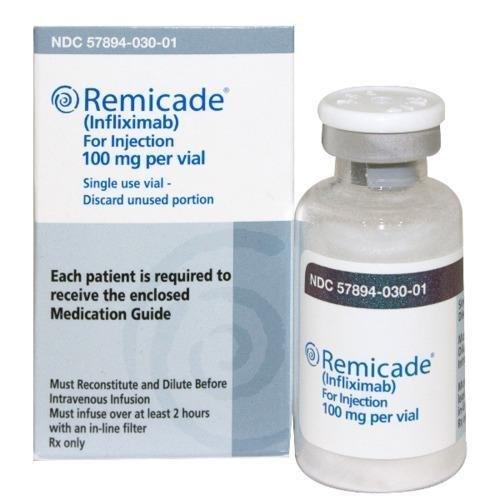
Drug Information
Side Effects > Remicade

Remicade Side Effects

Generic Name: infliximab

Please note - some side effects for Remicade may not be reported. Always consult your doctor or healthcare specialist for medical advice. You may also report side effects to the FDA at http://www.fda.gov/medwatch/ or 1-800-FDA-1088 (1-800-332-1088).


Side Effects of Remicade - for the Consumer

Remicade

All medicines may cause side effects, but many people have no, or minor, side effects. Check with your doctor if any of these most COMMON side effects persist or become bothersome when using Remicade:

Back pain; headache; mild stomach pain or upset; pain, redness, or swelling at the injection site; runny or stuffy nose; tiredness.

Seek medical attention right away if any of these SEVERE side effects occur when using Remicade:

Severe allergic reactions (rash; hives; itching; difficulty breathing; tightness in the chest; swelling of the mouth, face, lips, or tongue); bloody or black, tarry stools; change in the amount of urine produced; chest pain; dark brown-colored urine; dizziness; fainting; fast, slow, or irregular heartbeat; fever, chills, cough, persistent sore throat, or unusual sweating; flu-like symptoms; flushing; joint or muscle pain; numbness or tingling of the skin, arms, or legs; painful urination; persistent feeling of being unwell; rash on the cheeks or arms that gets worse in the sun; red, warm, or painful skin; seizures; severe or persistent headache; severe or persistent stomach or back pain; severe tiredness or weakness; shortness of breath; sudden unexplained weight gain or loss; suicidal thoughts or attempts; swelling of the hands, legs, or ankles; trouble swallowing; unexplained loss of appetite; unusual bruising or bleeding; unusual lumps; unusual vaginal discharge or odor; upper respiratory tract infection; very pale skin; vision changes; weakness in the arms or legs; white patches or sores in the mouth; yellowing of the skin or eyes.

Top

Remicade Side Effects - for the Professional

Remicade

The data described herein reflect exposure to Remicade in 4779 adult patients (1304 patients with rheumatoid arthritis, 1106 patients with Crohn's disease, 202 with ankylosing spondylitis, 293 with psoriatic arthritis, 484 with ulcerative colitis, 1373 with plaque psoriasis, and 17 patients with other conditions), including 2625 patients exposed beyond 30 weeks and 374 exposed beyond one year. (For information on adverse reactions in pediatric patients see ADVERSE REACTIONS – Adverse Reactions in Pediatric Crohn's Disease.) One of the most common reasons for discontinuation of treatment was infusion-related reactions (e.g. dyspnea, flushing, headache and rash). Adverse events have been reported in a higher proportion of rheumatoid arthritis patients receiving the 10 mg/kg dose than the 3 mg/kg dose, however, no differences were observed in the frequency of adverse events between the 5 mg/kg dose and 10 mg/kg dose in patients with Crohn's disease.

Infusion-related Reactions

Infusion reactions

An infusion reaction was defined in clinical trials as any adverse event occurring during an infusion or within 1 to 2 hours after an infusion. Approximately 20% of Remicade-treated patients in all clinical studies experienced an infusion reaction compared to approximately 10% of placebo-treated patients. Among all Remicade infusions, 3% were accompanied by nonspecific symptoms such as fever or chills, 1% were accompanied by cardiopulmonary reactions (primarily chest pain, hypotension, hypertension or dyspnea), and <1% were accompanied by pruritus, urticaria, or the combined symptoms of pruritus/urticaria and cardiopulmonary reactions. Serious infusion reactions occurred in <1% of patients and included anaphylaxis, convulsions, erythematous rash and hypotension. Approximately 3% of patients discontinued Remicade because of infusion reactions, and all patients recovered with treatment and/or discontinuation of the infusion. Remicade infusions beyond the initial infusion were not associated with a higher incidence of reactions. The infusion reaction rates remained stable in psoriasis through 1 year in psoriasis Study I. In psoriasis Study II, the rates were variable over time and somewhat higher following the final infusion than after the initial infusion. Across the 3 psoriasis studies, the percent of total infusions resulting in infusion reactions (i.e. an adverse event occurring within 1 to 2 hours) was 7% in the 3 mg/kg group, 4% in the 5 mg/kg group, and 1% in the placebo group.

Patients who became positive for antibodies to infliximab were more likely (approximately 2- to 3-fold) to have an infusion reaction than were those who were negative. Use of concomitant immunosuppressant agents appeared to reduce the frequency of antibodies to infliximab and infusion reactions.

In post-marketing experience, cases of anaphylactic-like reactions, including laryngeal/pharyngeal edema and severe bronchospasm, and seizure have been associated with Remicade administration.

Delayed Reactions/Reactions following readministration

Plaque Psoriasis

In psoriasis studies, approximately 1% of Remicade-treated patients experienced a possible delayed hypersensitivity reaction, generally reported as serum sickness or a combination of arthralgia and/or myalgia with fever and/or rash. These reactions generally occurred within two weeks after repeat infusion.

Crohn's disease

In a study where 37 of 41 patients with Crohn's disease were retreated with infliximab following a 2 to 4 year period without infliximab treatment, 10 patients experienced adverse events manifesting 3 to 12 days following infusion of which 6 were considered serious. Signs and symptoms included myalgia and/or arthralgia with fever and/or rash, with some patients also experiencing pruritus, facial, hand or lip edema, dysphagia, urticaria, sore throat, and headache. Patients experiencing these adverse events had not experienced infusion-related adverse events associated with their initial infliximab therapy. These adverse events occurred in 39% (9/23) of patients who had received liquid formulation which is no longer in use and 7% (1/14) of patients who received lyophilized formulation. The clinical data are not adequate to determine if occurrence of these reactions is due to differences in formulation. Patients' signs and symptoms improved substantially or resolved with treatment in all cases. There are insufficient data on the incidence of these events after drug-free intervals of 1 to 2 years. These events have been observed only infrequently in clinical studies and post-marketing surveillance with retreatment intervals up to 1 year.

Infections

In Remicade clinical studies, treated infections were reported in 36% of Remicade-treated patients (average of 51 weeks of follow-up) and in 25% of placebo-treated patients (average of 37 weeks of follow-up). The infections most frequently reported were respiratory tract infections (including sinusitis, pharyngitis, and bronchitis) and urinary tract infections. Among Remicade-treated patients, serious infections included pneumonia, cellulitis, abscess, skin ulceration, sepsis, and bacterial infection. In clinical trials, 7 opportunistic infections were reported; 2 cases each of coccidioidomycosis (1 case was fatal) and histoplasmosis (1 case was fatal), and 1 case each of pneumocystosis, nocardiosis and cytomegalovirus. Tuberculosis was reported in 14 patients, 4 of whom died due to miliary tuberculosis. Other cases of tuberculosis, including disseminated tuberculosis, also have been reported post-marketing. Most of these cases of tuberculosis occurred within the first 2 months after initiation of therapy with Remicade and may reflect recrudescence of latent disease. In the 1 year placebo-controlled studies RA I and RA II, 5.3% of patients receiving Remicade every 8 weeks with MTX developed serious infections as compared to 3.4% of placebo patients receiving MTX. Of 924 patients receiving Remicade, 1.7% developed pneumonia and 0.4% developed TB, when compared to 0.3% and 0.0% in the placebo arm respectively. In a shorter (22-week) placebo-controlled study of 1082 RA patients randomized to receive placebo, 3 mg/kg or 10 mg/kg Remicade infusions at 0, 2, and 6 weeks, followed by every 8 weeks with MTX, serious infections were more frequent in the 10 mg/kg Remicade group (5.3%) than the 3 mg/kg or placebo groups (1.7% in both). During the 54 weeks Crohn's II Study, 15% of patients with fistulizing Crohn's disease developed a new fistula-related abscess.

In Remicade clinical studies in patients with ulcerative colitis, infections treated with antimicrobials were reported in 27% of Remicade-treated patients (average of 41 weeks of follow-up) and in 18% of placebo-treated patients (average 32 weeks of follow-up). The types of infections, including serious infections, reported in patients with ulcerative colitis were similar to those reported in other clinical studies.

In post-marketing experience in the various indications, infections have been observed with various pathogens including viral, bacterial, fungal, and protozoal organisms. Infections have been noted in all organ systems and have been reported in patients receiving Remicade alone or in combination with immunosuppressive agents.

The onset of serious infections may be preceded by constitutional symptoms such as fever, chills, weight loss, and fatigue. The majority of serious infections, however, may also be preceded by signs or symptoms localized to the site of the infection.

Autoantibodies/Lupus-like Syndrome

Approximately half of Remicade-treated patients in clinical trials who were antinuclear antibody (ANA) negative at baseline developed a positive ANA during the trial compared with approximately one-fifth of placebo-treated patients. Anti-dsDNA antibodies were newly detected in approximately one-fifth of Remicade-treated patients compared with 0% of placebo-treated patients. Reports of lupus and lupus-like syndromes, however, remain uncommon.

Malignancies

In controlled trials, more Remicade-treated patients developed malignancies than placebo-treated patients.

In a randomized controlled clinical trial exploring the use of Remicade in patients with moderate to severe COPD who were either current smokers or ex-smokers, 157 patients were treated with Remicade at doses similar to those used in rheumatoid arthritis and Crohn's disease. Nine of these Remicade-treated patients developed a malignancy, including 1 lymphoma, for a rate of 7.67 cases per 100 patient-years of follow-up (median duration of follow-up 0.8 years; 95% CI 3.51 - 14.56). There was one reported malignancy among 77 control patients for a rate of 1.63 cases per 100 patient-years of follow-up (median duration of follow-up 0.8 years; 95% CI 0.04 - 9.10). The majority of the malignancies developed in the lung or head and neck.

Malignancies, including non-Hodgkin's lymphoma and Hodgkin's disease, have also been reported in patients receiving Remicade during post-approval use.

Patients with Heart Failure

In a randomized study evaluating Remicade in moderate to severe heart failure (NYHA Class III/IV; left ventricular ejection fraction ≤35%), 150 patients were randomized to receive treatment with 3 infusions of Remicade 10 mg/kg, 5 mg/kg, or placebo, at 0, 2, and 6 weeks. Higher incidences of mortality and hospitalization due to worsening heart failure were observed in patients receiving the 10 mg/kg Remicade dose. At 1 year, 8 patients in the 10 mg/kg Remicade group had died compared with 4 deaths each in the 5 mg/kg Remicade and the placebo groups. There were trends towards increased dyspnea, hypotension, angina, and dizziness in both the 10 mg/kg and 5 mg/kg Remicade treatment groups, versus placebo. Remicade has not been studied in patients with mild heart failure (NYHA Class I/II).

Immunogenicity

Treatment with Remicade can be associated with the development of antibodies to infliximab. The incidence of antibodies to infliximab in patients given a 3-dose induction regimen followed by maintenance dosing was approximately 10% as assessed through 1 to 2 years of Remicade treatment. A higher incidence of antibodies to infliximab was observed in Crohn's disease patients receiving Remicade after drug free intervals >16 weeks. In a study of psoriatic arthritis, where 191 patients received 5 mg/kg with or without MTX, antibodies to infliximab occurred in 15% of patients. The majority of antibody-positive patients had low titers. Patients who were antibody-positive were more likely to have higher rates of clearance, reduced efficacy and to experience an infusion reaction than were patients who were antibody negative. Antibody development was lower among rheumatoid arthritis and Crohn's disease patients receiving immunosuppressant therapies such as 6-MP/AZA or MTX.

In the psoriasis Study II, which included both the 5 mg/kg and 3 mg/kg doses, antibodies were observed in 36% of patients treated with 5 mg/kg every 8 weeks for 1 year, and in 51% of patients treated with 3 mg/kg every 8 weeks for 1 year. In the psoriasis Study III, which also included both the 5 mg/kg and 3 mg/kg doses, antibodies were observed in 20% of patients treated with 5 mg/kg induction (weeks 0, 2 and 6), and in 27% of patients treated with 3 mg/kg induction. Despite the increase in antibody formation, the infusion reaction rates in Studies I and II in patients treated with 5 mg/kg induction followed by every 8 week maintenance for one year and in Study III in patients treated with 5 mg/kg induction (14.1%-23.0%) and serious infusion reaction rates (<1%) were similar to those observed in other study populations. The clinical significance of apparent increased immunogenicity on efficacy and infusion reactions in psoriasis patients as compared to patients with other diseases treated with Remicade over the long term is not known.

The data reflect the percentage of patients whose test results were positive for antibodies to infliximab in an ELISA assay, and are highly dependent on the sensitivity and specificity of the assay. Additionally, the observed incidence of antibody positivity in an assay may be influenced by several factors including sample handling, timing of sample collection, concomitant medication, and underlying disease. For these reasons, comparison of the incidence of antibodies to infliximab with the incidence of antibodies to other products may be misleading.

Hepatotoxicity

Severe liver injury, including acute liver failure and autoimmune hepatitis, has been reported rarely in patients receiving Remicade. Reactivation of hepatitis B virus has occurred in patients receiving TNF-blocking agents, including Remicade, who are chronic carriers of this virus.

In clinical trials in rheumatoid arthritis, Crohn's disease, ulcerative colitis, ankylosing spondylitis, plaque psoriasis, and psoriatic arthritis, elevations of aminotransferases were observed (ALT more common than AST) in a greater proportion of patients receiving Remicade than in controls (Table 11), both when Remicade was given as monotherapy and when it was used in combination with other immunosuppressive agents. In general, patients who developed ALT and AST elevations were asymptomatic, and the abnormalities decreased or resolved with either continuation or discontinuation of Remicade, or modification of concomitant medications.

Table 11 Proportion of patients with elevated ALT in Clinical Trials

1Placebo patients received methotrexate while Remicade patients received both Remicade and methotrexate. Median follow-up was 58 weeks.

2Placebo patients in the 2 Phase III trials in Crohn's disease received an initial dose of 5 mg/kg Remicade at study start and were on placebo in the maintenance phase. Patients who were randomized to the placebo maintenance group and then later crossed over to Remicade are included in the Remicade group in ALT analysis. Median follow-up was 54 weeks.

3Median follow-up was 30 weeks. Specifically, the median duration of follow-up was 30 weeks for placebo and 31 weeks for Remicade.

4Median follow-up was 24 weeks for placebo group and 102 weeks for Remicade group.

5Median follow-up was 39 weeks for Remicade group and 18 weeks for placebo group.

6ALT values are obtained in 2 Phase 3 psoriasis studies with median follow-up of 50 weeks for Remicade and 16 weeks for placebo.

Proportion of patients with elevated ALT
>1 to <3 x ULN ≥3 x ULN ≥5 x ULN
Placebo Remicade Placebo Remicade Placebo Remicade
Rheumatoid arthritis1 24% 34% 3% 4% <1% <1%
Crohn's disease2 34% 39% 4% 5% 0% 2%
Ulcerative colitis3 12% 17% 1% 2% <1% <1%
Ankylosing spondylitis4 15% 51% 0% 10% 0% 4%
Psoriatic arthritis5 16% 50% 0% 7% 0% 2%
Plaque psoriasis6 24% 49% <1% 8% 0% 3%

Adverse Reactions in Pediatric Crohn's Disease

There were some differences in the adverse reactions observed in the pediatric patients receiving Remicade compared to those observed in adults with Crohn's disease. These differences are discussed in the following paragraphs.

The following adverse events were reported more commonly in 103 randomized pediatric Crohn's disease patients administered 5 mg/kg Remicade through 54 weeks than in 385 adult Crohn's disease patients receiving a similar treatment regimen: anemia (11%), blood in stool (10%), leukopenia (9%), flushing (9%), viral infection (8%), neutropenia (7%), bone fracture (7%), bacterial infection (6%), and respiratory tract allergic reaction (6%).

Infections were reported in 56% of randomized pediatric patients in Study Peds Crohn's and in 50% of adult patients in Study Crohn's I. In Study Peds Crohn's, infections were reported more frequently for patients who received every 8 week as opposed to every 12 week infusions (74% and 38%, respectively), while serious infections were reported for 3 patients in the every 8 week and 4 patients in the every 12 week maintenance treatment group. The most commonly reported infections were upper respiratory tract infection and pharyngitis, and the most commonly reported serious infection was abscess. Pneumonia was reported for 3 patients, (2 in the every 8 week and 1 in the every 12 week maintenance treatment groups). Herpes zoster was reported for 2 patients in the every 8 week maintenance treatment group.

In Study Peds Crohn's, 18% of randomized patients experienced one or more infusion reactions, with no notable difference between treatment groups. Of the 112 patients in Study Peds Crohn's, there were no serious infusion reactions, and 2 patients had non-serious anaphylactoid reactions.

Antibodies to Remicade developed in 3% of pediatric patients in Study Peds Crohn's.

Elevations of ALT up to 3 times the upper limit of normal (ULN) were seen in 18% of pediatric patients in Crohn's disease clinical trials; 4% had ALT elevations ≥ 3 x ULN, and 1% had elevations ≥ 5 x ULN. (Median follow-up was 53 weeks.)

Adverse Reactions in Psoriasis Studies

During the placebo-controlled portion across the three clinical trials up to week 16, the proportion of patients who experienced at least 1 SAE (defined as resulting in death, life threatening, requires hospitalization, or persistent or significant disability/incapacity) was 1.7% in the 3 mg/kg Remicade group, 3.2% in the placebo group, and 3.9% in the 5 mg/kg Remicade group.

Among patients in the 2 Phase 3 studies, 12.4% of patients receiving Remicade 5 mg/kg every 8 weeks through one year of maintenance treatment experienced at least 1 SAE in Study I. In Study II, 4.1% and 4.7% of patients receiving Remicade 3 mg/kg and 5 mg/kg every 8 weeks, respectively, through one year of maintenance treatment experienced at least 1 SAE.

One death due to bacterial sepsis occurred 25 days after the second infusion of 5 mg/kg Remicade. Serious infections included sepsis, and abscesses. In Study I, 2.7% of patients receiving Remicade 5 mg/kg every 8 weeks through 1 year of maintenance treatment experienced at least 1 serious infection. In Study II, 1.0% and 1.3% of patients receiving Remicade 3 mg/kg and 5 mg/kg, respectively, through 1 year of treatment experienced at least 1 serious infection. The most common serious infection (requiring hospitalization) were abscesses (skin, throat, and peri-rectal) reported by 5 (0.7%) patients in the 5 mg/kg Remicade group. Two active cases of tuberculosis were reported: 6 weeks and 34 weeks after starting Remicade.

In placebo-controlled portion of the psoriasis studies, 7 of 1123 patients who received Remicade at any dose were diagnosed with at least one NMSC compared to 0 of 334 patients who received placebo.

In the psoriasis studies, 1% (15/1373) of patients experienced serum sickness or a combination of arthralgia and/or myalgia with fever, and/or rash, usually early in the treatment course. Of these patients, 6 required hospitalization due to fever, severe myalgia, arthralgia, swollen joints, and immobility.

Other Adverse Reactions

Safety data are available from 4779 Remicade-treated adult patients, including 1304 with rheumatoid arthritis, 1106 with Crohn's disease, 484 with ulcerative colitis, 202 with ankylosing spondylitis, 293 with psoriatic arthritis, 1373 with plaque psoriasis and 17 with other conditions. (For information on other adverse reactions in pediatric patients, see ADVERSE REACTIONS – Adverse Reactions in Pediatric Crohn's Disease). Adverse events reported in ≥5% of all patients with rheumatoid arthritis receiving 4 or more infusions are in Table 12. The types and frequencies of adverse reactions observed were similar in Remicade-treated rheumatoid arthritis, ankylosing spondylitis, psoriatic arthritis, plaque psoriasis and Crohn's disease patients except for abdominal pain, which occurred in 26% of Remicade-treated patients with Crohn's disease. In the Crohn's disease studies, there were insufficient numbers and duration of follow-up for patients who never received Remicade to provide meaningful comparisons.

Table 12 ADVERSE EVENTS OCCURRING IN 5% OR MORE OF PATIENTS RECEIVING 4 OR MORE INFUSIONS FOR RHEUMATOID ARTHRITIS
Placebo Remicade
(n=350) (n=1129)
Average weeks of follow-up 59 66
Gastrointestinal
   Nausea 20% 21%
   Abdominal Pain 8% 12%
   Diarrhea 12% 12%
   Dyspepsia 7% 10%
Respiratory
   Upper respiratory tract infection 25% 32%
   Sinusitis 8% 14%
   Pharyngitis 8% 12%
   Coughing 8% 12%
   Bronchitis 9% 10%
   Rhinitis 5% 8%
Skin and appendages disorders
   Rash 5% 10%
   Pruritus 2% 7%
Body as a whole-general disorders
   Fatigue 7% 9%
   Pain 7% 8%
Resistance mechanism disorders
   Fever 4% 7%
   Moniliasis 3% 5%
Central and peripheral nervous system disorders
   Headache 14% 18%
Musculoskeletal system disorders
   Back pain 5% 8%
   Arthralgia 7% 8%
Urinary system disorders
   Urinary tract infection 6% 8%
Cardiovascular disorders, general
   Hypertension 5% 7%

Because clinical trials are conducted under widely varying conditions, adverse reaction rates observed in clinical trials of a drug cannot be directly compared to rates in clinical trials of another drug and may not predict the rates observed in broader patient populations in clinical practice.

The most common serious adverse events observed in clinical trials were infections. Other serious, medically relevant adverse events ≥0.2% or clinically significant adverse events by body system were as follows:

Body as a whole: allergic reaction, diaphragmatic hernia, edema, surgical/procedural sequela

Blood: pancytopenia

Cardiovascular: circulatory failure, hypotension, syncope

Gastrointestinal: constipation, gastrointestinal hemorrhage, ileus, intestinal obstruction, intestinal perforation, intestinal stenosis, pancreatitis, peritonitis, proctalgia

Central & Peripheral Nervous: meningitis, neuritis, peripheral neuropathy, dizziness

Heart Rate and Rhythm: arrhythmia, bradycardia, cardiac arrest, tachycardia

Liver and Biliary: biliary pain, cholecystitis, cholelithiasis, hepatitis

Metabolic and Nutritional: dehydration

Musculoskeletal: intervertebral disk herniation, tendon disorder

Myo-, Endo-, Pericardial and Coronary Valve: myocardial infarction

Platelet, Bleeding and Clotting: thrombocytopenia

Neoplasms: basal cell, breast, lymphoma

Psychiatric: confusion, suicide attempt

Red Blood Cell: anemia, hemolytic anemia

Reproductive: menstrual irregularity

Resistance Mechanism: cellulitis, sepsis, serum sickness

Respiratory: adult respiratory distress syndrome, lower respiratory tract infection (including pneumonia), pleural effusion, pleurisy, pulmonary edema, respiratory insufficiency

Skin and Appendages: increased sweating, ulceration

Urinary: renal calculus, renal failure

Vascular (Extracardiac): brain infarction, pulmonary embolism, thrombophlebitis

White Cell and Reticuloendothelial: leukopenia, lymphadenopathy

Top

Side Effects by Body System

General

The use of infliximab in patients with active Crohn's or fistulizing Crohn's disease is limited. It is possible that rarely occurring adverse effects may not have been reported to date. Seven of sixty (12%) patients with fistulizing Crohn's developed an abscess 8 to 16 weeks after the last infliximab infusion compared to 1 of 30 (3.5%) of placebo treated patients during that same time period. During clinical studies with infliximab for the treatment of Crohn's disease, approximately 5% of patients discontinued therapy because of adverse events. The most common reasons for discontinuation of infliximab therapy were infusion reactions and infections. Serious adverse events occurred at a frequency of less than 2% with the majority occurring at a frequency equal to or less than 0.5%.

Treated infections were reported in 36% of patients receiving infliximab and 28% of placebo treated patients during placebo controlled trials. The serious infections reported by infliximab treated patients included pneumonia, cellulitis, abscess, skin ulceration, sepsis, and bacterial infection. Serious and sometimes fatal opportunistic infections including histoplasmosis, listeriosis, and sporotrichosis have also been reported. Other opportunistic infections reported have included coccidioidomycosis (which resulted in death), nocardiosis, and cytomegalovirus. Infections have been reported in all organ systems and have been reported in patients receiving infliximab alone or in combination with immunosuppressants.

Serious events that occurred at a frequency of less than 2% included cholecystitis, dehydration, falls, bacterial infections, sepsis, splenic infarction and splenomegaly.

During clinical trials, an intravenous infusion related reaction occurred in 7% of all patients receiving an initial infusion and in 10% during the second infusion. Subsequent infliximab infusions were not associated with a greater incidence of reactions. In order to avoid the development of delayed severe systemic reactions, some researchers recommend multiple early infusions of infliximab if retreatment is anticipated.

Local

Local side effects have been reported the most frequently. These have included injection site reactions that were mainly erythema, pruritus, rash, and pain of mild to moderate severity. Infusion reactions (17%) consisted mostly of nonspecific symptoms that included headache, dizziness, nausea, and pruritus. Severe acute injection site reactions that resembled acute anaphylactic conditions or led to convulsions have also been reported in 0.5% of patients. At least one case of repeated local infections has also been reported.

Gastrointestinal

Gastrointestinal side effects have been reported the most frequently. These have included nausea (less than 2% to 17%), abdominal pain (less than 2% to 12%), vomiting (less than 2% to 8.5%), and diarrhea (less than 2% to 9.31%). Abdominal hernia, abscess, intestinal obstruction, perforation, stenosis, and proctalgia have also been reported in less than 2% of patients. Gastrointestinal infection, sialadenitis, dental/periodontal infection, and oral mycosis have also been reported. At least four cases of gum infection and at least one case each of rectal abscess and stomatitis have been reported.

Immunologic

Various case reports of non-Crohn's and Crohn's patient, developed clinical symptoms of a lupus-like syndrome. Symptoms resolved and antibodies disappeared when infliximab was discontinued.

Immunologic side effects have included rare symptoms of a lupus-like syndrome and/or development of antinuclear antibodies. The percentage of infliximab patients in all trials positive (+) for antinuclear antibodies (ANA) increased from 24% (85/357) prior to infliximab to 36% (128/357) following infliximab therapy. Anti-dsDNA antibodies developed in approximately 9% of infliximab patients. Crohn's patients with (+) ANA prior to infliximab were approximately 2 times as likely to develop anti-dsDNA antibodies.

During one clinical trial in which patients with active Crohn's disease and fistulizing Crohn's disease were retreated with infliximab 2 to 4 years after an initial treatment serious adverse events occurred in 25% (10/40) and resulted in hospitalization of 6 of the 10 patients. The adverse events appeared to be related to development of an immune response to infliximab and not associated with acute infusion related adverse events. Nine of the 10 patients were initially treated with an investigational liquid formulation (no longer in use), however, one patient was treated with a lyophilized formulation of infliximab. Retreatment with infliximab following a period of more than 2 years without treatment should be administered cautiously and after consideration of potential benefit against risk of possible serious adverse effects.

Seven of 60 (12%) infliximab treated fistulizing Crohn's patients developed an abscess between 8 to 16 weeks after the last infliximab infusion compared to 1 of 30 (3.5%) of placebo treated patients during that same time period. During the 54 weeks Crohn's II study, 15% of patients with fistulizing Crohn's disease developed a new fistula-related abscess.

Inflammation and modulation of cellular immune response are mediated by TNF-alpha. It is possible that therapy with infliximab could affect normal immune responses. A meta-analysis has reported that there is evidence of an increased risk of serious infections in patients with rheumatoid arthritis treated with anti-TNF antibody therapy.

Hypersensitivity

Eighteen patients of those evaluated (134/199) following infliximab therapy developed human anti-chimeric antibodies (HACA). Patients who developed HACA antibodies were more likely to experience infusion related reactions. Crohn's patients who were HACA (+) and on concomitant immunosuppressive therapy such as 6-MP, AZA, or corticosteroids, experienced fewer HACA responses. An infusion reaction was defined in clinical trials as any adverse event occurring during an infusion or within 1 to 2 hours after an infusion.

Hypersensitivity side effects have included reactions (which may be anticipated whenever protein solutions such as infliximab are administered) that may present as urticaria, dyspnea, and hypotension. These symptoms have occurred primarily during infliximab infusion. Leukocytoclastic vasculitis and allergic bronchopulmonary aspergillosis have also been reported.

Nervous system

Nervous system side effects have included headache (17.7% to 23%) and dizziness (8%). Multiple sclerosis has been reported in several patients. Rheumatoid vasculitis has also been reported rarely. It presents with peripheral nervous system symptoms involvement. Herpes zoster and Miller Fisher syndrome have been reported. Peripheral demyelinating disorders (such as Guillain-Barre syndrome, chronic inflammatory demyelinating polyneuropathy, and multifocal motor neuropathy) have been reported during postmarketing experience. At least one case each of hypoesthesia, dysesthesia, meningitis, West Nile virus meningoencephalitis and acute flaccid paralysis, and neurosarcoidosis and at least two cases of acute neuropathy with multiple conduction blocks have been reported.

One patient reported hypoesthesia in the left leg eight hours after her first infliximab infusion.

Another patient reported dysesthesia in the distribution of the left peroneal nerve, after her 6th intravenous infliximab infusion.

Although demyelination observed in postmarketing experience did not show causal relationship between adverse events and infliximab, the neurologic side effects resolved, partially or completely, on discontinuation of therapy.

A 51-year-old female with Crohn's disease experienced meningitis coincident with infliximab therapy. The patient developed a headache, fever, arthralgia, myalgia, and meningismus after receiving an infliximab infusion. Cerebrospinal fluid analysis was remarkable for a neutrophilic pleocytosis and elevated protein. Other potential causes of meningitis were ruled out. The patient's symptoms completely resolved within 24 hours of presentation.

A 28-year-old female with a 7-year history of Crohn disease experienced acute neuropathy with multiple conduction blocks coincident with infliximab therapy. Infliximab (5 mg/kg, 4 infusions in 2 years) therapy was added to azathioprine (150 mg per day) 5 years into her disease. Three weeks after the overall fourth dose of infliximab treatment, she developed left radial nerve palsy and slight weakness of left foot flexion and extension. Neurologic examination and motor nerve conduction studies were positive for acute neuropathy with multiple conduction blocks.

A 66-year-old male with rheumatoid arthritis experienced West Nile virus (WNV) coincident with infliximab therapy. The patient presented with a 2-day history of fever, headache, confusion, agitation, nausea, malaise, myalgias, gait instability, and rapidly worsening lower extremity weakness. He had received infliximab 3 weeks prior to symptom onset. His only other medications were amlodipine (5 mg per day) and methotrexate (15 mg per week). WNF was confirmed by with cerebral spinal fluid positive for WNV IgM antibodies by ELISA capture technique. The patient eventually died due to WNF infection.

A 41-year-old female with erosive rheumatoid arthritis experienced neurosarcoidosis coincident with infliximab therapy. She had been successfully treated with infliximab 3 mg/kg every 6 to 8 weeks together with methotrexate, without side effects. Approximately five years later, after receiving an infliximab infusion, she experienced feeling tired, a low grade fever, and headache. Two weeks later, she presented without any neurological symptoms besides headache. She was hospitalized one week later. The headache remained unchanged and 4 weeks after admission, she developed diplopia. At neuron-ophthalmological examination, nerve palsy of the left eye and a severe papilledema in both eyes were observed. Further, bilateral granulomatous iridocyclitis and retinal periphlebitis, typical for sarcoidosis, were noted. The sarcoidosis diagnosis was supported by the increased activity in the mediastinal lymph nodes bilaterally and in the parotid glands observed with In-DTPA-octreotide scintigraphy. She received a ventriculoperitoneal shunt 5 weeks after being admitted. Following surgery, the patient became free of headache and the pathological ophthalmologic changes slowly subsided.

Cardiovascular

A higher incidence of mortality and hospitalization for worsening heart failure have been reported among patients with moderate to severe (NYHA class III-IV) congestive heart failure (CHF) treated with the higher dose of infliximab (10 mg/kg). At 1 year, eight patients in the infliximab 10 mg/kg group had died compared with four deaths each in the infliximab 5 mg/kg and the placebo group.

Heart failure (n=18) reported in postmarketing experience developed on average 6 months after initiation of infliximab therapy.

Bradycardia with second degree atrioventricular (AV) block has been reported to occur, as soon as 30 minutes into the infliximab infusion, in a 52-year-old woman with fistulizing Crohn's disease who had no previous history of cardiac disease. The bradycardia, and second degree AV block, persisted for 36 hours after infliximab was discontinued. After a cardiology consult, and placement of a pacemaker, patient resumed her infliximab therapy without adverse events reported.

A 70-year-old man with fistulizing Crohn's disease, and a prior history of coronary artery disease and taking atenolol, developed dyspnea, chest heaviness, and dizziness while receiving his third infusion of infliximab. He had reported chills and pruritus during previous infusions of infliximab. He presented with a drop in heart rate with ECG showing type 2 Sinoatrial block. Patient received a permanent pacemaker. Infliximab therapy was stopped and patient had surgery for fistulizing Crohn's disease.

Cardiovascular side effects reported primarily during infliximab infusions have included chest pain (less than or equal to 0.05% to 16%), hypotension (less than 2% to 16%), and hypertension (less than 2% to 16%). Palpitations and syncope have been reported in less than or equal to 0.05% of patients. Heart block has been reported in at least two patients during infliximab infusion. At least one patient also developed bradycardia with the ECG showing second-degree atrioventricular block thirty minutes into the infliximab infusion. In postmarketing experience, new-onset heart failure, with or without documented risk factors, was the most frequently reported event followed by heart failure exacerbation. At least one case of tachycardia has also been reported.

Musculoskeletal

Musculoskeletal side effects have included symptoms of myalgia and back pain in at least 5% of patients. Serious musculoskeletal events have included back pain and tendon injury and have been reported in less than 2% of patients. Infective arthritis has also been reported. At least one case of swelling of fingers and one case of paresthesia in the forearm region have been reported.

Dermatologic

Dermatologic side effects reported primarily during infliximab infusions have included pruritus (5% to 16%). Rash (6%), cellulitis (3%), and interstitial granulomatous dermatitis have been reported. Furunculosis reported as a serious event occurred at a frequency of less than 2%. Psoriasiform eruption (erythematous, slightly scaling, well-shaped pruriginous plaques) has been reported following a third dose of infliximab. Vasculitis and/or vasculitic rash has been reported in a case series (n=8) of patients with rheumatoid arthritis after receiving infliximab infusions. Patients recovered after discontinuation of infliximab and treatment with cyclophosphamide and a corticosteroid. Furuncle/folliculitis, erysipelas cellulitis paronychia, wound infection, fungal skin infection, and severe atopic dermatitis have been reported. At least one case each of necrotizing fasciitis, bullous skin lesions, acne, tinea corporis, primary cutaneous Nocardia otitidiscaviarum infection, atypical varicella exanthema, skin leishmaniosis after injury, palmoplantar pustulosis, alopecia areata, and herpes labialis have been reported. At least two cases of aggressive cutaneous T-cell lymphomas and at least two cases of leprosy and type 1 leprosy reactions have been reported.

Necrotizing fasciitis resulting in death has been reported in a 54-year-old man with rheumatoid arthritis receiving infliximab every 8 weeks along with intramuscular methotrexate weekly dosage. Blood cultures and skin swabs grew hemolytic group A streptococcus.

Bullous skin lesions have been reported in a 72-year-old white man one day after his fourth dose of infliximab for the treatment of severe rheumatoid arthritis. Although proximity of symptoms point to infliximab, causality was not definitive.

Two cases of aggressive cutaneous T-cell lymphomas that progressed rapidly have been reported during therapy with infliximab. Sezary syndrome developed in one patient after 18 months of treatment and systemic anaplastic large cell lymphoma with cutaneous involvement developed in the other patient four weeks following the third dose of infliximab.

A 40-year-old female with Crohn disease experienced acne coincident with infliximab therapy. The patient had been administered infliximab 5 mg/kg with rapid and effective symptomatic control. Several weeks after initiating infliximab therapy, the patient developed a papulopustular eruption on the face and back with some comedones. The eruption persisted, albeit with fluctuating severity, and dermatological opinion was obtained. Histology was consistent with the clinical diagnosis of acne and other Crohn disease-associated dermatoses were excluded. Infliximab was not discontinued because of the excellent control of the bowel disease. Instead, the patient was treated with minocycline 100 mg daily.

A 70-year-old male with rheumatoid arthritis (RA) experienced a primary cutaneous Nocardia otitidiscaviarum infection after a skin injury coincident with infliximab therapy. He was treated for RA with infliximab (3 mg/kg) for 3 years, as well as methotrexate (20 mg/week), and corticosteroids. Two weeks before the 18th infusion of infliximab, he was injured, and had a deep wound in his right palm. The hand lesion was not inflamed, but an erythematous pustular lesion appeared on the anterior side of his right forearm. Two weeks later the lesion spontaneously drained and formed a cutaneous nonpainful ulcer covered by white pus, with erythematous periphery. Nocardia otitidiscaviarum was subsequently isolated from the ulcer and biological samples showed inflammation. Infliximab therapy was discontinued. He was treated with combination clindamycin and ofloxacin antibiotic therapy for 3 months. Twenty days later, the skin ulcer had completely healed.

A 63-year-old female with a history of rheumatoid arthritis (RA) experienced atypical varicella exanthema coincident with infliximab therapy. The patient presented with a 10-day history of pruritic generalized papulovesicles which quickly progressed to flaccid vesicles, pustules, or erosions accompanied by fever and sore throat. Her RA had been treated with methotrexate (10 mg per week) and bucillamine (200 mg per day) for 6 years. Despite this medication, her RA was poorly controlled, so infliximab (3 mg/kg) was additionally administered twice, separated by 2-weekly intervals. Two days after the second course of infliximab therapy, a cutaneous eruption developed abruptly. Polymerase chain reaction showed varicella zoster virus. Based on these findings, the patient was diagnosed with varicella and was promptly started on a course of intravenous acyclovir and prophylactic antibiotics for 7 days. Three weeks later, her recovery was complete with minimal scars.

A 60-year-old male with a 5-year history of diffuse polyarthritis experienced leprosy and type 1 leprosy reaction coincident with infliximab therapy. The patient had been given 3 courses of infliximab; the last had been given 3 months prior to admission. One month after he received the first dose of infliximab, the patient developed a rash on 1 extremity that progressed to all extremities. Results of a skin biopsy suggested leprosy or Hansen disease. He was treated with multidrug therapy (MDT) of dapsone (100 mg daily), clofazimine (50 mg daily), and rifampin (300 mg monthly). One month after starting this treatment, the patient developed "reversal," or type 1, reactions. After 4 years, the cutaneous lesions had resolved, and MDT was withdrawn. Results of a skin biopsy performed 5 years after diagnosis showed advanced regression of the lesion with no residual bacilli.

A 37-year-old female with Crohn disease developed palmoplantar pustulosis (PPP) coincident with infliximab therapy. The patient was given a regimen of infliximab of 5 mg/kg resulting in complete remission of her bowel symptoms. One month later, she experienced classic PPP together with a mild psoriasiform eruption on the lower legs. In particular, the patient's feet were painful, which adversely affected her mobility. As treatment, she was prescribed betamethasone dipropionate twice daily, polythene occlusion at night, and soap-free wash and moisturizer. Over the following 3 to 4 weeks, the patient improved clinically and symptomatically and did not need additional psoriasis therapy.

Alopecia areata has been reported in a 51-year-old white woman with rheumatoid arthritis and Sjogren syndrome after 11 months of infliximab therapy. The hair loss eventually involved 100% of the scalp as well as her eyebrows and eyelashes.

Genitourinary

Genitourinary side effects have included moniliasis (at least 5%), urinary tract infections (8%), herpes simplex, and endometritis. Serious genitourinary events have included dysuria and urethral obstruction and have been reported in less than 2% of patients.

Respiratory

Most of the cases of tuberculosis occurred within the first two months after the start of infliximab therapy and may reflect recrudescence of latent disease.

Life-threatening histoplasmosis (n=9) reported in postmarketing experience developed within 1 week to 6 months after the first dose.

A 34-year-old male with a 15-year history of seronegative arthritis with both peripheral and axial features experienced pulmonary sarcoidosis coincident with infliximab therapy. The patient was administered infliximab at 5 mg/kg every 8 weeks intravenously, which led to a prompt and dramatic improvement in the manifestations of his disease. However, after about 5 years of disease remission, he developed pleuritic chest pain, a productive cough, and dyspnea. The patient was diagnosed with sarcoidosis based on pathological findings. A chest radiograph revealed persistent mediastinal hilar adenopathy with clear lung fields. He was treated with prednisone 40 mg per day, which resulted in complete resolution of his pulmonary symptoms. A follow-up thorax CT after 4 months of steroid treatment showed that the left pleural effusion had resolved but the mediastinal lymphadenopathy was unchanged.

A 36-year-old female with history of Crohn disease experienced pneumocystis carinii jiroveci pneumonia (PCP) coincident with infliximab therapy. She presented with complaints of fever and shortness of breath for one day. Two months before presentation, she required hospitalization for partial small bowel obstruction, at which time infliximab was initiated. Bronchoalveolar lavage showed PCP on silver stain. Intravenous Bactrim (sulfamethoxazole-trimethoprim) and Solumedrol (methylprednisolone) were started. The patient had a slow recovery with subsequent chest x-ray showing clearing of the lung infiltrates.

Respiratory side effects have included upper respiratory tract infections (16% to 24.05%), pharyngitis (8.5%), bronchitis (7%), rhinitis (6% to 7.77%), coughing (5%), sinusitis (5%), pneumonia (3%), and shortness of breath. Serious respiratory symptoms including adult respiratory distress syndrome (less than 2%), dyspnea (less than 2%), and pneumonia (1.7% vs. 0.3% in placebo) have been reported. Serious and sometimes fatal opportunistic infections including tuberculosis, histoplasmosis, and pneumocystosis have also been reported. Interstitial pneumonitis has been reported in a limited number of patients receiving infliximab concomitantly with a stable dosage of methotrexate. The histologic features appeared shortly after the third infliximab infusion. At least one case each of streptococcal pharyngitis, pulmonary sarcoidosis, and pneumocystis carinii jiroveci pneumonia have been reported. Interstitial fibrosis has been reported during postmarketing experience.

Oncologic

Oncologic side effects have included lymphomas. Other malignancies, reported to occur with similar incidence to the general population, have included breast, colorectal, and melanoma. At least one case of acute lymphoblastic leukemia and at least one case of Sezary syndrome have been reported. Lymphoproliferative disorders (including hepatosplenic T-cell lymphomas) have been reported during postmarketing experience.

Clinical trials of infliximab have reported a 3-fold higher incidence than expected in the general population of developing lymphomas among rheumatoid arthritis patients. Among patients diagnosed with Crohn's disease and rheumatoid arthritis, there is 6-fold higher incidence than expected in the general population. Patients with highly active disease and/or chronic exposure to immunosuppressants may be at a higher risk (up to several fold) than the population at large for the development of lymphoma.

Acute lymphoblastic leukemia has been diagnosed in a patient eight days after receiving a third infusion of infliximab 5 mg/kg for the treatment of Crohn's disease. A causal relationship was not clearly established.

Postmarketing adverse events reports have included lymphoproliferative disorders (n=8) that developed, on average, 8 weeks after initiation of therapy with infliximab. The majority of cases (81%) were non-Hodgkin's lymphomas.

A meta-analysis has reported that there is dose-dependent increased risk of malignancies in patients with rheumatoid arthritis treated with anti-TNF antibody therapy.

A 75-year-old male with ankylosing spondylitis experienced Sezary syndrome coincident with infliximab therapy. He had been initially treated with nonsteroidal antiinflammatory drugs, then with prednisone 10 mg daily for 6 months, and thereafter treatment was switched to infliximab 3 mg/kg at 2 monthly intervals. After 17 months of this therapy, he was diagnosed with Sezary syndrome. Cutaneous lesions partially remitted following infliximab discontinuation and methotrexate treatment.

Renal

Renal side effects have been reported rarely. Kidney infarction has been reported within a group of serious events in less than 2% of patients. The majority of events occurred at a frequency of less than or equal to 0.5%. Renal calculus and renal failure (greater than or equal to 0.2%, respectively) and pyelonephritis have been reported. At least one case of IgA nephropathy has been reported.

IgA nephropathy has been reported in a 38-year-old male with fistulizing Crohn's ileocolitis and perianal disease two years after the start of treatment with infliximab infusions every 8 weeks and 6-mercaptopurine.

Hematologic

Hematologic side effects have included sepsis (3%), severe thrombocytopenia (less than 2%), aplastic anemia, and isolated leucopenia. Neutropenia, idiopathic thrombocytopenic purpura, and thrombotic thrombocytopenic purpura have been reported during postmarketing experience.

Ocular

Ocular side effects have been extremely rare. Retrobulbar optic neuritis of the left eye has been reported after the seventh infusion of infliximab in one patient and after the ninth infusion on another patient. At least one case of orbital cellulitis and at least one case of third nerve palsy have been reported. Uveitis has been reported during postmarketing experience.

A 55-year-old woman diagnosed with rheumatoid arthritis developed decreased vision in the left eye accompanied by pain with eye movement 3 days after her 9th infusion (at 1 year of treatment) with infliximab. Patient's vision slowly improved and her visual field deficit resolved after treatment with 1 g methylprednisolone injection per day for 3 days followed by a tapering dose of oral prednisone over 10 days.

A week after the seventh infusion of infliximab 5 mg/kg, a 45-year-old woman with type 2 diabetes mellitus and Crohn's disease developed pain and blurred vision in the left eye. Visual acuity was 20/70. Patient recovered after treatment with intravenous methylprednisolone, followed by a tapering dose of oral prednisone. On examination 3 months later she had 20/20 visual acuity, normal color vision, mild residual left-sided headache, and a normal-appearing optic nerve in the left eye.

A 42-year-old male developed severe unilateral orbital cellulitis while receiving infliximab therapy for ankylosing spondylitis during a clinical trial. Cultures showed Staphylococcus aureus. Infliximab therapy was stopped and the patient made a full recovery after receiving appropriate antibiotic therapy. Infliximab treatment was resumed after three weeks.

A 47-year-old male with rheumatoid arthritis experienced third nerve palsy coincident with infliximab therapy. He received monthly infusions of 300 mg of infliximab for the disease. He initially presented with painless ptosis of his right upper eyelid along with double vision in left and up gaze. Brain magnetic resonance imaging (MRI) showed gadolinium enhancement of the cisternal segment of the right oculomotor nerve. After stopping infliximab therapy, the diplopia and ptosis gradually resolved during 3 months. Repeat MRI imaging showed resolution of the oculomotor nerve enhancement.

Hepatic

Hepatic side effects have included severe hepatic reactions with some cases resulting in death or the need for liver transplantation. These reactions have included acute liver failure, jaundice, hepatitis, cholecystitis, and cholelithiasis. Autoimmune hepatitis has also been reported. Elevations of aminotransferases (ALT more common than AST) have been reported when infliximab was used alone or in combination with other immunosuppressive agents. Reactivation of hepatitis B in patients who are chronic carriers of this virus (i.e., surface antigen positive) has been associated with the use of infliximab. At least one case of cholestatic liver disease and one case of cytomegalovirus hepatitis have been reported.

Severe hepatic reactions have occurred between weeks two to more than a year after initiation of infliximab.

Patients who developed ALT and AST elevations were asymptomatic, and the abnormalities decreased or resolved with either continuation or discontinuation of infliximab, or modification of concomitant medications.

Cholestatic liver disease has been reported in a 44-year-old woman 19 days after a single dose of infliximab.

A 45-year-old female with a history of Crohn disease experienced cytomegalovirus hepatitis coincident with infliximab therapy. She had been administered mercaptopurine 50 mg per day for the past 8 years until intravenous infliximab 5 mg/kg at 4 to 8 week intervals was added for better control of the disease. Approximately one year later, the patient was admitted to the hospital with a 4-week history of daily fever and chills unresponsive to several courses of empirical antimicrobial therapy. Histological examination of a liver biopsy specimen showed intranuclear inclusion bodies, confirmed by cytomegalovirus by paraffin immunoperoxidase staining with antibody against this virus. After intravenous ganciclovir 5 mg/kg twice daily therapy, the patient's symptoms and laboratory values improved within a few days.

Metabolic

Metabolic side effects have included extra-high levels of VLDL-triglycerides.

Other

Other side effects have included fever (10%) and fatigue (11%). Fever considered as serious occurred at a frequency of less than 2%. Listeria monocytogenes infections, with some cases resulting in death, and infections with various pathogens including viral, bacterial, fungal, and protozoal organisms have been reported in postmarketing experience. Infections have been noted in all organ systems and have been reported in patients receiving infliximab alone or in combination with immunosuppressive agents. Influenza-like illness, abscess, and Borrelia infection have been reported. At least one case each of disseminated Salmonella typhimurium infection, disseminated cryptococcal infection, and protothecosis have been reported. Tuberculosis, miliary and disseminated, has been reported during postmarketing of infliximab. Most of the cases occurred within the first two months after the start of infliximab therapy and may reflect recrudescence of latent disease.

Disseminated Salmonella typhimurium infection has been reported in a Fijian Indian man while undergoing his twenty-eighth week of infliximab therapy for the treatment of psoriasis and psoriatic arthritis. Patient's symptoms resolved after treatment with intravenous ciprofloxacin.

Disseminated cryptococcal infection has been reported in a 72-year-old male after his second infusion of infliximab for rheumatoid arthritis.

A 56-year-old male developed protothecosis after a stem cell transplantation coincident with infliximab therapy. He was administered infliximab for graft-versus-host disease. Two weeks later, he became lethargic and developed bilateral olecranon bursitis and bullous skin lesions. Blood cultures grew Klebsiella pneumoniae and Prototheca wickerhamii. The patient subsequently developed multiorgan failure and died after 5 weeks of hospitalization. The use of infliximab likely played a role in this case.

Cutaneous and miliary tuberculosis, as a result of tuberculosis reactivation, has been reported in a 56-year-old white male with a history of Crohn's disease treated with infliximab.

Top

More resources:

Drugs.com Remicade

MedFacts Remicade

Micromedex Remicade - Includes detailed dosage instructions.

FDA Remicade

Facts & Comparisons Infliximab

Disclaimer: Every effort has been made to ensure that the information provided is accurate, up-to-date, and complete, but no guarantee is made to that effect. In addition, the drug information contained herein may be time sensitive and should not be utilized as a reference resource beyond the date hereof. This information does not endorse drugs, diagnose patients, or recommend therapy. This drug information is a reference resource designed as supplement to, and not a substitute for, the expertise, skill , knowledge, and judgement of healthcare practitioners in patient care. The absence of a warning for a given drug or drug combination in no way should be construed to indicate that the drug of drug combination is safe, effective, or appropriate for any given patient. Drugs.com does not assume any responsibility for any aspect of healthcare administered with the aid of information provided. The information contained herein is not intended to cover all possible uses, directions, precautions, warnings, drug interactions, allergic reactions, or adverse effects. If you have questions about the drugs you are taking, check with your doctor, nurse, or pharmacist.


MedNotes
Advertisement

(web2)