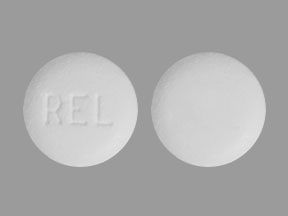
Relistor Side Effects
Generic name: methylnaltrexone
Medically reviewed by Drugs.com. Last updated on Jan 26, 2025.
Note: This document provides detailed information about Relistor Side Effects associated with methylnaltrexone. Some dosage forms listed on this page may not apply specifically to the brand name Relistor.
Applies to methylnaltrexone: oral tablet.
Other dosage forms:
Precautions
It is very important that your doctor check your progress at regular visits. This will allow your doctor to see if the medicine is working properly and to decide if you should continue to use it.
This medicine may cause a tear (perforation) in your stomach or bowels. Check with your doctor right away if you have a severe stomach pain that does not go away.
If severe or persistent (non-stop) diarrhea occurs while using this medicine, check with your doctor right away.
Do not suddenly stop using this medicine without checking first with your doctor. Doing so may cause withdrawal symptoms, such as anxiety, chills, increased tearing, redness on the face, neck, arms, and upper chest, feeling cold, diarrhea, irritability, stomach pain, increased sweating, and yawning.
Do not take other medicines unless they have been discussed with your doctor. This includes prescription or nonprescription (over-the-counter [OTC]) medicines and herbal or vitamin supplements.
Common side effects of Relistor
Some side effects of methylnaltrexone may occur that usually do not need medical attention. These side effects may go away during treatment as your body adjusts to the medicine. Also, your health care professional may be able to tell you about ways to prevent or reduce some of these side effects.
Check with your health care professional if any of the following side effects continue or are bothersome or if you have any questions about them:
Less common side effects
Serious side effects of Relistor
Along with its needed effects, methylnaltrexone (the active ingredient contained in Relistor) may cause some unwanted effects. Although not all of these side effects may occur, if they do occur they may need medical attention.
Check with your doctor immediately if any of the following side effects occur while taking methylnaltrexone:
Incidence not known
- chills
- diarrhea
- fear or nervousness
- increased sweating
- severe abdominal or stomach pain
- severe or persistent diarrhea
- yawning
See also:
For healthcare professionals
Applies to methylnaltrexone: oral tablet, subcutaneous kit, subcutaneous solution.
General adverse events
The most common adverse reactions included abdominal pain, nausea, diarrhea, hyperhidrosis, hot flush, tremor, and chills.[Ref]
Nervous system
- Common (1% to 10%): Dizziness, tremor[Ref]
Dermatologic
- Common (1% to 10%): Hyperhidrosis, flushing[Ref]
Other
- Common (1% to 10%): Chills
- Postmarketing reports: Malaise, pain, cases of opioid withdrawal[Ref]
Cardiovascular
- Frequency not reported: Myocardial infarctions[Ref]
In an open-label, uncontrolled study (n=1034), 4 myocardial infarctions (1 fatal), 1 stroke (fatal), 1 fatal cardiac arrest, and 1 sudden death were reported. It is not possible to establish a relationship between these events and use of this drug.[Ref]
Gastrointestinal
- Very common (10% or more): Abdominal pain (up to 29%), flatulence (up to 13%), nausea (up to 12%)
- Common (1% to 10%): Diarrhea,
- Postmarketing reports: Perforation, cramping, vomiting[Ref]
Local
- Common (1% to 10%): Injection site reactions including stinging, burning, pain, redness, and edema[Ref]
References
1. Cerner Multum, Inc. "UK Summary of Product Characteristics."
2. Cerner Multum, Inc. "Australian Product Information."
3. (2008) "Product Information. Relistor (methylnaltrexone)." Wyeth Laboratories
Frequently asked questions
More about Relistor (methylnaltrexone)
- Check interactions
- Compare alternatives
- Pricing & coupons
- Reviews (62)
- Drug images
- Dosage information
- During pregnancy
- FDA approval history
- Drug class: peripheral opioid receptor antagonists
- Breastfeeding
- En español
Patient resources
- Relistor drug information
- Relistor (Methylnaltrexone Subcutaneous) (Advanced Reading)
- Relistor (Methylnaltrexone bromide Oral) (Advanced Reading)
Professional resources
Related treatment guides
Further information
Relistor side effects can vary depending on the individual. Always consult your healthcare provider to ensure the information displayed on this page applies to your personal circumstances.
Note: Medication side effects may be underreported. If you are experiencing side effects that are not listed, submit a report to the FDA by following this guide.