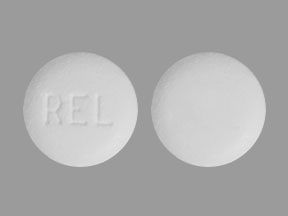
Relistor
Generic name: methylnaltrexone (oral/injection) [ METh-IL-nal-TREX-own ]
Drug class: Peripheral opioid receptor antagonists
What is Relistor?
Relistor blocks the effects of opioid medication. An opioid is sometimes called a narcotic.
Relistor reduces constipation caused by using opioid medicine. Methylnaltrexone treats constipation without reducing the pain-relieving effects of the opioid.
Relistor is given to adults who use opioid medicine to treat severe chronic pain that is not caused by cancer.
Relistor injection is also for use in adults who have advanced illness and are receiving palliative care (treatment to relieve suffering and improve quality of life during a serious illness).
This medicine is usually given after laxatives have been tried without successful treatment of constipation.
Warnings
Relistor may cause a perforation (a hole or tear) within your stomach or intestines. Stop using this medicine and get medical help right away if you have severe stomach pain.
While using this medicine, you may have symptoms of opioid withdrawal, such as anxiety, sweating, chills, yawning, stomach pain, or diarrhea.
Stop using Relistor and call your doctor if you have severe or ongoing diarrhea.
Before taking this medicine
You should not use Relistor if you have a blockage in your stomach or intestines.
To make sure this medicine is safe for you, tell your doctor if you have ever had:
-
perforation (a hole or tear) in your stomach or intestines;
-
kidney disease;
-
liver disease; or
-
colitis or other intestinal disorder such as Crohn's disease, diverticulitis, or Ogilvie's syndrome.
Tell your doctor if you are pregnant. If you use Relistor while you are pregnant, your newborn baby could have withdrawal symptoms.
You should not breastfeed while using methylnaltrexone.
Relistor is not approved for use by anyone younger than 18 years old.
How should I use Relistor?
Take Relistor exactly as prescribed by your doctor. Follow all directions on your prescription label and read all medication guides or instruction sheets.
Stop using laxatives before you start using methylnaltrexone.
Relistor can produce a bowel movement within 30 minutes. Be sure you are near a restroom when you use this medicine.
Take Relistor tablets on an empty stomach, at least 30 minutes before your first meal of the day.
Take the tablets with a full glass of water.
Relistor injection is injected under the skin. A healthcare provider will give your first dose and may teach you how to properly use the medication by yourself.
Read and carefully follow any Instructions for Use provided with your medicine. Ask your doctor or pharmacist if you don't understand all instructions.
Your healthcare provider will show you where on your body to inject Relistor. Use a different place each time you give an injection. Do not inject into the same place two times in a row.
Prepare an injection only when you are ready to give it. Do not use if the medicine looks cloudy, has changed colors, or has particles in it. Call your pharmacist for new medicine.
Each injection vial (bottle) or prefilled syringe is for one use only. Throw it away after one use, even if there is still medicine left inside.
Do not use this medicine more often than once every 24 hours.
Call your doctor if your symptoms do not improve after 3 days. You may use other laxatives after 3 days of treatment with Relistor.
Store this medicine at room temperature away from moisture, heat, and light. Do not freeze. Keep the tablets in their original container, along with the 2 canisters of moisture-absorbing preservative.
Use a needle and syringe only once and then place them in a puncture-proof "sharps" container. Follow state or local laws about how to dispose of this container. Keep it out of the reach of children and pets.
After you stop using your opioid pain medication, you should also stop using Relistor.
Dosing information
Usual Adult Dose for Constipation - Drug Induced:
Opioid-Induced Constipation in Patients with Chronic Non-Cancer Pain:
-Oral: 450 mg orally once a day in the morning
-Parenteral: 12 mg subcutaneously once a day
Comments:
-Prior to initiation, discontinue all maintenance laxative therapy; laxatives can be used as needed for suboptimal response after 3 days.
-Patients should be within close proximity to a bathroom once this drug is administered.
-Re-evaluate continued need for this drug when the opioid regimen is changed to avoid adverse reactions.
Opioid-Induced Constipation in Patients with Advanced Illness:
Parenteral: Weight-based dosing: Administer subcutaneously every other day as needed, but no more frequently than 1 dose in a 24-hour period:
Less than 38 kg: 0.15 mg/kg
38 kg to less than 62 kg: 8 mg (0.4 mL)
62 kg to 114 kg: 12 mg subcutaneously (0.6 mL)
More than 114 kg: 0.15 mg/kg subcutaneously
Comments: To determine injection volume for patients whose weight is less than 38 kg or more than 114 kg: multiply patient weight (kg) by 0.0075 and round up to the nearest 0.1 mL
Uses:
-For the treatment of opioid-induced constipation in adult patients with chronic non-cancer pain or advanced illness who are receiving palliative care, when the response to laxative therapy has not been sufficient.
What happens if I miss a dose?
Use the missed dose as soon as you remember. Skip the missed dose if it is almost time for your next scheduled dose. Do not use extra medicine to make up the missed dose.
Do not use this medicine more than once in a 24-hour period.
What happens if I overdose?
Seek emergency medical attention or call the Poison Help line at 1-800-222-1222.
When you have an opioid medication in your system, an overdose of methylnaltrexone could stimulate opioid withdrawal symptoms. Common withdrawal symptoms are yawning, irritability, sweating, chills, vomiting, diarrhea, and body aches.
What should I avoid while using Relistor?
Do not use any other laxatives that your doctor has not prescribed.
Relistor side effects
Get emergency medical help if you have signs of an allergic reaction to Relistor: hives; difficult breathing; swelling of your face, lips, tongue, or throat.
Methylnaltrexone may cause a perforation (a hole or tear) within your stomach or intestines. Stop using this medicine and get medical help right away if you have severe stomach pain that gets worse or will not go away.
Stop using Relistor and call your doctor at once if you have:
-
severe or ongoing diarrhea;
-
extreme dizziness, or feeling like you might pass out;
-
bloody or tarry stools, coughing up blood or vomit that looks like coffee grounds;
-
nausea or vomiting that are new or worsening symptoms; or
-
symptoms of opioid medicine withdrawal - anxiety, sweating, chills, yawning, stomach pain, diarrhea.
Common Relistor side effects may include:
-
stomach pain, gas, bloating;
-
mild nausea or diarrhea;
-
headache, muscle spasms;
-
dizziness, tremors, feeling anxious;
-
runny nose; or
-
chills, sweating, or hot flashes.
This is not a complete list of side effects and others may occur. Call your doctor for medical advice about side effects. You may report side effects to FDA at 1-800-FDA-1088.
What other drugs will affect Relistor?
Other drugs may interact with methylnaltrexone, including prescription and over-the-counter medicines, vitamins, and herbal products. Tell your doctor about all your current medicines and any medicine you start or stop using.
Popular FAQ
Which drugs cause opioid-induced constipation?
Any drug that is classified as an "opioid" can cause constipation. Examples of commonly prescribed opioids that may cause this side effect include morphine, tramadol, fentanyl, methadone, hydrocodone, codeine and oxycodone. Continue reading
References
More about Relistor (methylnaltrexone)
- Check interactions
- Compare alternatives
- Pricing & coupons
- Reviews (59)
- Drug images
- Side effects
- Dosage information
- During pregnancy
- Generic availability
- FDA approval history
- Drug class: peripheral opioid receptor antagonists
- Breastfeeding
- En español
Patient resources
- Relistor (Methylnaltrexone Subcutaneous) advanced reading
- Relistor (Methylnaltrexone bromide Oral) (Advanced Reading)
- Relistor (Methylnaltrexone Tablets)
Professional resources
Related treatment guides
Further information
Remember, keep this and all other medicines out of the reach of children, never share your medicines with others, and use Relistor only for the indication prescribed.
Always consult your healthcare provider to ensure the information displayed on this page applies to your personal circumstances.
Copyright 1996-2024 Cerner Multum, Inc. Version: 7.01.