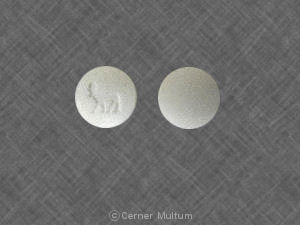
Prandin Side Effects
Generic name: repaglinide
Medically reviewed by Drugs.com. Last updated on Sep 12, 2024.
Note: This document provides detailed information about Prandin Side Effects associated with repaglinide. Some dosage forms listed on this page may not apply specifically to the brand name Prandin.
Applies to repaglinide: oral tablet.
Precautions
Your doctor will want to check your progress at regular visits, especially during the first few weeks you take this medicine. Blood and urine tests may be needed to check for unwanted effects.
Do not take gemfibrozil (Lopid®) while you are taking this medicine. Using these medicines together may cause unwanted effects.
It is very important to follow carefully any instructions from your health care team about:
- Alcohol—Drinking alcohol may cause severe low blood sugar. Discuss this with your health care team.
- Other medicines—Do not take other medicines during the time you are taking repaglinide (the active ingredient contained in Prandin) unless they have been discussed with your doctor. This especially includes nonprescription medicines such as aspirin, and medicines for appetite control, asthma, colds, cough, hay fever, or sinus problems.
- Counseling—Other family members need to learn how to prevent side effects or help with side effects if they occur. Also, patients with diabetes may need special counseling about diabetes medicine dosing changes that might occur because of lifestyle changes, such as changes in exercise and diet. Furthermore, counseling on contraception and pregnancy may be needed because of the problems that can occur in patients with diabetes during pregnancy.
- Travel—Keep a recent prescription and your medical history with you. Be prepared for an emergency as you would normally. Make allowances for changing time zones and keep your meal times as close as possible to your usual meal times.
In case of emergency—There may be a time when you need emergency help for a problem caused by your diabetes. You need to be prepared for these emergencies. It is a good idea to wear a medical identification (ID) bracelet or neck chain at all times. Also, carry an ID card in your wallet or purse that says that you have diabetes and a list of all of your medicines.
This medicine may cause hypoglycemia (low blood sugar). This is more common when this medicine is taken together with certain medicines. Low blood sugar must be treated before it causes you to pass out (unconsciousness). People feel different symptoms of low blood sugar. It is important that you learn which symptoms you usually have so you can treat it quickly. Talk to your doctor about the best way to treat low blood sugar.
Hyperglycemia (high blood sugar) may occur if you do not take enough or skip a dose of your medicine, overeat or do not follow your meal plan, have a fever or infection, or do not exercise as much as usual. High blood sugar can be very serious and must be treated right away. It is important that you learn which symptoms you have in order to treat it quickly. Talk to your doctor about the best way to treat high blood sugar.
This medicine may make you dizzy or drowsy. Avoid driving, using machines, or doing anything else that could be dangerous until you know how this medicine affects you.
Serious side effects of Prandin
Along with its needed effects, repaglinide may cause some unwanted effects. Although not all of these side effects may occur, if they do occur they may need medical attention.
Check with your doctor immediately if any of the following side effects occur while taking repaglinide:
More common side effects
- anxiety
- blurred vision
- chills
- cold sweats
- coma
- confusion
- cool, pale skin
- depression
- dizziness
- fast heartbeat
- headache
- increased hunger
- nausea
- nightmares
- seizures
- shakiness
- slurred speech
- unusual tiredness or weakness
Less common side effects
- bladder pain
- bloody or cloudy urine
- difficult, burning, or painful urination
- frequent urge to urinate
- lower back or side pain
Incidence not known
- back, leg, or stomach pains
- bleeding gums
- blistering, peeling, or loosening of the skin
- bloating
- clay-colored stools
- constipation
- cough
- darkened urine
- diarrhea
- difficulty with breathing
- fever
- general body swelling
- general tiredness and weakness
- indigestion
- itching or rash
- joint or muscle pain
- light-colored stools
- loss of appetite
- nosebleeds
- pains in the side, or abdomen, possibly radiating to the back
- pale skin
- red skin lesions, often with a purple center
- red, irritated eyes
- sore throat
- sores, ulcers, or white spots in the mouth or on the lips
- unpleasant breath odor
- upper right abdominal or stomach pain
- vomiting
- vomiting of blood
- yellow eyes or skin
Other side effects of Prandin
Some side effects of repaglinide may occur that usually do not need medical attention. These side effects may go away during treatment as your body adjusts to the medicine. Also, your health care professional may be able to tell you about ways to prevent or reduce some of these side effects.
Check with your health care professional if any of the following side effects continue or are bothersome or if you have any questions about them:
More common side effects
- body aches or pain
- difficulty with moving
- ear congestion
- loss of voice
- muscle stiffness
- pain in the joints
- pain or tenderness around the eyes and cheekbones
- sneezing
- sore throat
- stuffy or runny nose
- tightness of the chest
Less common side effects
- acid or sour stomach
- belching
- burning, crawling, itching, numbness, prickling, "pins and needles", or tingling feelings
- cough producing mucus
- heartburn
- indigestion
- weight gain
Incidence not known
- hair loss or thinning of the hair
See also:
Trulicity
Trulicity is an injectable diabetes medicine that is used together with diet and exercise to ...
Lantus
Lantus is a long acting form of insulin used to treat type 1 or type 2 diabetes. Learn about side ...
Ozempic
Learn about Ozempic (semaglutide) for type 2 diabetes treatment, weight management, cardiovascular ...
Tresiba
Tresiba (insulin degludec) is used to treat diabetes mellitus. Includes Tresiba side effects ...
Levemir
Levemir (insulin detemir) is a long acting insulin used to treat diabetes in adults and children ...
Victoza
Victoza helps control blood sugar levels and reduce the risk of serious heart problems in people ...
Novolog
NovoLog is a fast-acting insulin used to treat diabetes to control blood sugar levels in adults and ...
Basaglar
Basaglar (insulin glargine) is a long-acting insulin that is used to improve blood sugar control in ...
Soliqua
Soliqua 100/33 (insulin glargine and lixisenatide) is used to treat type 2 diabetes. Includes ...
Toujeo SoloStar
Toujeo (insulin glargine) is an injection used to treat type 1 or type 2 diabetes. Includes Toujeo ...
For healthcare professionals
Applies to repaglinide: oral tablet.
General adverse events
The most frequently reported adverse reactions were changes in blood glucose levels; the occurrence of these reactions was dependent on individual factors such as dietary habits, dose, exercise, and stress.[Ref]
Metabolic
- Very common (10% or more): Hypoglycemia (up to 31%)[Ref]
In 12 to 24 week clinical trials, hypoglycemia occurred in 31% of patients receiving this drug compared to 7% of placebo-treated patients. In 1 year trials, hypoglycemia occurred in 16% of patients receiving this drug compared to 19% and 20% of glipizide and glyburide patients, respectively.[Ref]
Cardiovascular
- Common (1% to 10%): Chest pain, angina, serious cardiovascular events including ischemia
- Frequency not reported: Hypertension, abnormal EKG, MI, arrhythmias, palpitations[Ref]
Cardiovascular events were evaluated in trials comparing this drug to sulfonylureas. Serious cardiovascular events including ischemia with this drug were higher at 4% than for sulfonylurea drugs (3%). No excess mortality was associated with this increase. Selected cardiovascular events including hypertension, abnormal EKG, MI, arrhythmias, and palpitations were observed at 1% or less and no more frequently with this drug than with comparator drugs.
Trials of this drug in combination with NPH insulin found 6 serious events of myocardial ischemia.[Ref]
Hypersensitivity
- Common (1% to 10%): Allergy
- Uncommon (0.1% to 1%): Allergic skin reactions such as rash, urticaria, and pruritus
- Frequency not reported: Anaphylactoid reactions[Ref]
Anaphylactoid reactions were reported in less than 1% of patients. Allergic skin reactions such as rash, urticaria, and pruritus have been observed. There is no reason to suspect cross-allergenicity with sulfonylurea drugs due to the difference in chemical structure.[Ref]
Gastrointestinal
- Common (1% to 10%): Nausea, diarrhea, constipation, vomiting, dyspepsia, tooth disorder
- Postmarketing reports: Pancreatitis[Ref]
Nervous system
- Very common (10% or more): Headache (up to 11%)
- Common (1% to 10%): Paresthesia[Ref]
Musculoskeletal
Respiratory
- Very common (10% or more): Upper respiratory infection (up to 16%)
- Common (1% to 10%): Sinusitis, rhinitis, bronchitis[Ref]
Hepatic
- Frequency not reported: Elevated liver enzymes
- Postmarketing reports: Severe hepatic dysfunction including jaundice and hepatitis[Ref]
Postmarketing experience has included reports of severe hepatic dysfunction including jaundice and hepatitis.[Ref]
Hematologic
- Frequency not reported: Thrombocytopenia, leukopenia
- Postmarketing reports: Hemolytic anemia[Ref]
Thrombocytopenia or leukopenia have been reported in less than 1% of patients.[Ref]
Ocular
- Rare (less than 0.1%): Blurred vision
- Very rare (less than 0.01%): Refraction disorder[Ref]
Refraction disorders have been known to result due to changes in blood glucose levels.[Ref]
Dermatologic
- Postmarketing reports: Alopecia, Stevens-Johnson syndrome[Ref]
Genitourinary
- Common (1% to 10%): Urinary tract infection[Ref]
References
1. (2001) "Product Information. Prandin (repaglinide)." Novo Nordisk Pharmaceuticals Inc
2. Cerner Multum, Inc. "UK Summary of Product Characteristics."
3. Cerner Multum, Inc. "Australian Product Information."
More about Prandin (repaglinide)
- Check interactions
- Compare alternatives
- Reviews (8)
- Drug images
- Dosage information
- During pregnancy
- Drug class: meglitinides
- Breastfeeding
- En español
Patient resources
Professional resources
Related treatment guides
Further information
Prandin side effects can vary depending on the individual. Always consult your healthcare provider to ensure the information displayed on this page applies to your personal circumstances.
Note: Medication side effects may be underreported. If you are experiencing side effects that are not listed, submit a report to the FDA by following this guide.