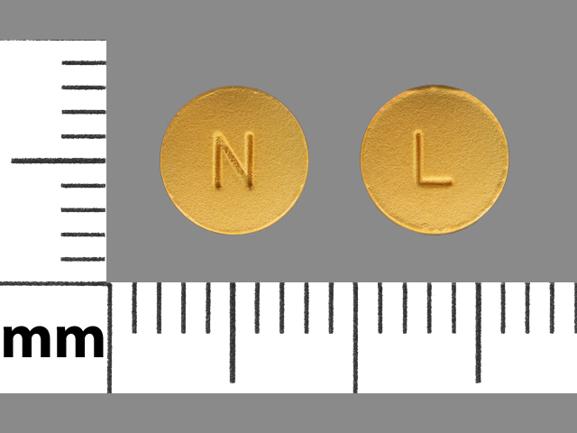
Letrozole Side Effects
Brand Names: Femara
Please note - some side effects for Letrozole may not be reported. Always consult your doctor or healthcare specialist for medical advice. You may also report side effects to the FDA.
Side Effects of Letrozole - for the Consumer
Letrozole
All medicines may cause side effects, but many people have no, or minor, side effects. Check with your doctor if any of these most COMMON side effects persist or become bothersome when using Letrozole:
Seek medical attention right away if any of these SEVERE side effects occur when using Letrozole:Back, leg, or arm pain; breast pain; constipation; cough; diarrhea; dizziness; headache; hot flashes; flushing; increased sweating; indigestion; joint or muscle pain; loss of appetite; mild swelling or fluid retention; nausea; night sweats; sleeplessness; stomach pain; tiredness; vaginal dryness or irritation; vomiting; weakness; weight gain or loss.
Severe allergic reactions (rash; hives; itching; difficulty breathing; tightness in the chest; swelling of the mouth, face, lips, or tongue; unusual hoarseness); calf pain or tenderness; chest pain; confusion; fever, chills, or sore throat; increased or painful urination; numbness of an arm or leg; one-sided weakness; severe or persistent bone pain; severe stomach pain; shortness of breath; sudden severe headache, vomiting, dizziness, or fainting; swelling of the ankles or feet; unexplained vaginal bleeding or discharge; vision or speech changes.
This is not a complete list of all side effects that may occur. If you have questions about side effects, contact your health care provider. Call your doctor for medical advice about side effects. To report side effects to the appropriate agency, please read the Guide to Reporting Problems to FDA.
TopLetrozole Side Effects - for the Professional
Letrozole
The most serious adverse reactions from the use of Letrozole are:
- Bone effects [see Warnings and Precautions (5.1)]
- Increases in cholesterol [see Warnings and Precautions (5.2)]
Because clinical trials are conducted under widely varying conditions, adverse reactions rates observed in the clinical trials of a drug cannot be directly compared to rates in the clinical trials of another drug and may not reflect the rates observed in practice.
Adjuvant Treatment of Early Breast Cancer
The median treatment duration of adjuvant treatment was 60 months and the median duration of follow-up for safety was 73 months for patients receiving Letrozole and tamoxifen.
Certain adverse reactions were prospectively specified for analysis, based on the known pharmacologic properties and side effect profiles of the two drugs.
Adverse reactions were analyzed irrespective of whether a symptom was present or absent at baseline. Most adverse reactions reported (approximately 75% of patients reporting 1 or more AE) were Grade 1 or Grade 2 applying the Common Toxicity Criteria Version 2.0/ Common Terminology Criteria for Adverse Events, version 3.0. Table 1 describes adverse reactions (Grades 1 to 4) irrespective of relationship to study treatment in the adjuvant trial for the monotherapy arms analysis (safety population).
| Grades 1 to 4 | Grades 3 to 4 | |||
| Adverse Reaction |
Letrozole N = 2448 n (%) |
Tamoxifen N = 2447 n (%) |
Letrozole N = 2448 n (%) |
Tamoxifen N = 2447 n (%) |
| Pts with any adverse event | 2310 (94.4) | 2214 (90.5) | 635 (25.9) | 604 (24.7) |
| Hypercholesterolemia | 1280 (52.3) | 700 (28.6) | 11 (0.4) | 6 (0.2) |
| Hot Flashes/Flushes | 821 (33.5) | 929 (38.0) | 0 - | 0 - |
| Arthralgia/Arthritis | 618 (25.2) | 501 (20.4) | 85 (3.5) | 50 (2.0) |
| Night Sweats | 357 (14.6) | 426 (17.4) | 0 - | 0 - |
| Bone Fractures * | 338 (13.8) | 257 (10.5) | - - | - - |
| Weight Increase | 317 (12.9) | 378 (15.4) | 27 (1.1) | 39 (1.6) |
| Nausea | 283 (11.6) | 277 (11.3) | 6 (0.2) | 9 (0.4) |
| Bone Fractures † | 247 (10.1) | 174 (7.1) | - - | - - |
| Fatigue (Lethargy, Malaise, Asthenia) | 235 (9.6) | 250 (10.2) | 6 (0.2) | 7 (0.3) |
| Myalgia | 217 (8.9) | 212 (8.7) | 18 (0.7) | 14 (0.6) |
| Edema | 164 (6.7) | 160 (6.5) | 3 (0.1) | 1 (< 0.1) |
| Weight Decrease | 140 (5.7) | 129 (5.3) | 8 (0.3) | 5 (0.2) |
| Vaginal Bleeding | 128 (5.2) | 320 (13.1) | 1 (< 0.1) | 8 (0.3) |
| Back Pain | 125 (5.1) | 136 (5.6) | 7 (0.3) | 11 (0.4) |
| Osteoporosis NOS | 124 (5.1) | 66 (2.7) | 10 (0.4) | 5 (0.2) |
| Bone Pain | 123 (5.0) | 109 (4.5) | 6 (0.2) | 4 (0.2) |
| Depression | 119 (4.9) | 114 (4.7) | 16 (0.7) | 14 (0.6) |
| Vaginal Irritation | 111 (4.5) | 77 (3.1) | 2 (< 0.1) | 2 (< 0.1) |
| Headache | 105 (4.3) | 94 (3.8) | 9 (0.4) | 5 (0.2) |
| Pain in Extremity | 103 (4.2) | 79 (3.2) | 6 (0.2) | 4 (0.2) |
| Osteopenia | 87 (3.6) | 74 (3.0) | 0 - | 2 (< 0.1) |
| Dizziness/Light-Headedness | 84 (3.4) | 84 (3.4) | 1 (< 0.1) | 6 (0.2) |
| Alopecia | 83 (3.4) | 84 (3.4) | 0 - | 0 - |
| Vomiting | 80 (3.3) | 80 (3.3) | 3 (0.1) | 5 (0.2) |
| Cataract | 49 (2.0) | 54 (2.2) | 16 (0.7) | 17 (0.7) |
| Constipation | 49 (2.0) | 71 (2.9) | 3 (0.1) | 1 (< 0.1) |
| Breast Pain | 37 (1.5) | 43 (1.8) | 1 (< 0.1) | 0 - |
| Anorexia | 20 (0.8) | 20 (0.8) | 1 (< 0.1) | 1 (< 0.1) |
| Endometrial Hyperplasia/Cancer*,‡ | 11/1909 (0.6) | 70/1943 (3.6) | - - | - - |
| Endometrial Proliferation Disorders | 10 (0.3) | 71 (1.8) | 0 - | 14 (0.6) |
| Endometrial Hyperplasia/Cancer †,‡ | 6/1909 (0.3) | 57/1943 (2.9) | - - | - - |
| Other Endometrial Disorders | 2 (< 0.1) | 3 (0.1) | 0 - | 0 - |
| Myocardial Infarction † | 24 (1.0) | 12 (0.5) | - - | - - |
| Myocardial Infarction * | 37 (1.5) | 25 (1.0) | - - | - - |
| Myocardial Ischemia | 6 (0.2) | 9 (0.4) | - - | - - |
| Cerebrovascular Accident † | 52 (2.1) | 46 (1.9) | - - | - - |
| Cerebrovascular Accident * | 70 (2.9) | 63 (2.6) | - - | - - |
| Angina † | 26 (1.1) | 24 (1.0) | - - | - - |
| Angina * | 32 (1.3) | 31 (1.3) | - - | - - |
| Thomboembolic Event † | 51 (2.1) | 89 (3.6) | - - | - - |
| Thromboembolic Event * | 71 (2.9) | 111 (4.5) | - - | - - |
| Other Cardiovascular † | 260 (10.6) | 256 (10.5) | - - | - - |
| Other Cardiovascular * | 312 (12.7) | 337 (13.8) | - - | - - |
| Second Malignancies † | 53 (2.2) | 78 (3.2) | - - | - - |
| Second Malignancies * | 102 (4.2) | 119 (4.9) | - - | - - |
Note: Cardiovascular (including cerebrovascular and thromboembolic), skeletal and urogenital/endometrial events and second malignancies were collected life-long. All of these events were assumed to be of CTC grade 3 to 5 and were not individually graded.
When considering all grades during study treatment, a higher incidence of events was seen for Letrozole regarding fractures (10.1% vs 7.1%), myocardial infarctions (1.0% vs 0.5%), and arthralgia (25.2% vs 20.4%) (Letrozole vs tamoxifen respectively). A higher incidence was seen for tamoxifen regarding thromboembolic events (2.1% vs 3.6%), endometrial hyperplasia/cancer (0.3% vs 2.9%), and endometrial proliferation disorders (0.3% vs 1.8%) (Letrozole vs tamoxifen respectively).
At a median follow up of 73 months, a higher incidence of events was seen for Letrozole (13.8%) than for tamoxifen (10.5%) regarding fractures. A higher incidence was seen for tamoxifen compared to Letrozole regarding thromboembolic events (4.5% vs 2.9%), and endometrial hyperplasia or cancer (2.9% vs 0.4%) (tamoxifen vs Letrozole, respectively).
Bone Study: Results of a phase 3 safety trial in 262 postmenopausal women with resected receptor positive early breast cancer in the adjuvant setting comparing the effect on lumbar spine (L2 to L4) bone mineral density (BMD) of adjuvant treatment with Letrozole to that with tamoxifen showed at 24 months a median decrease in lumbar spine BMD of 4.1% in the Letrozole arm compared to a median increase of 0.3% in the tamoxifen arm (difference = 4.4%) (P < 0.0001). No patients with a normal BMD at baseline became osteoporotic over the 2 years and only 1 patient with osteopenia at baseline (T score of -1.9) developed osteoporosis during the treatment period (assessment by central review). The results for total hip BMD were similar, although the differences between the two treatments were less pronounced. During the 2 year period, fractures were reported by 4 of 103 patients (4%) in the Letrozole arm, and 6 of 97 patients (6%) in the tamoxifen arm.
Lipid Study: In a phase 3 safety trial in 262 postmenopausal women with resected receptor positive early breast cancer at 24 months comparing the effects on lipid profiles of adjuvant Letrozole to tamoxifen, 12% of patients on Letrozole had at least one total cholesterol value of a higher CTCAE grade than at baseline compared with 4% of patients on tamoxifen.
Extended Adjuvant Treatment of Early Breast Cancer, Median Treatment Duration of 24 Months
The median duration of extended adjuvant treatment was 24 months and the median duration of follow-up for safety was 28 months for patients receiving Letrozole and placebo.
Table 2 describes the adverse reactions occurring at a frequency of at least 5% in any treatment group during treatment. Most adverse reactions reported were Grade 1 and Grade 2 based on the Common Toxicity Criteria Version 2.0. In the extended adjuvant setting, the reported drug-related adverse reactions that were significantly different from placebo were hot flashes, arthralgia/arthritis, and myalgia.
| Number (%) of Patients with Grade 1 to 4 Adverse Reaction | Number (%) of Patients with Grade 3 to 4 Adverse Reaction | |||
|
Letrozole N = 2563 |
Placebo N = 2573 |
Letrozole N = 2563 |
Placebo N = 2573 |
|
| Any Adverse Reaction | 2232 (87.1) | 2174 (84.5) | 419 (16.3) | 389 (15.1) |
| Vascular Disorders | 1375 (53.6) | 1230 (47.8) | 59 (2.3) | 74 (2.9) |
| Flushing | 1273 (49.7) | 1114 (43.3) | 3 (0.1) | 0 - |
| General Disorders | 1154 (45) | 1090 (42.4) | 30 (1.2) | 28 (1.1) |
| Asthenia | 862 (33.6) | 826 (32.1) | 16 (0.6) | 7 (0.3) |
| Edema NOS | 471 (18.4) | 416 (16.2) | 4 (0.2) | 3 (0.1) |
| Musculoskeletal Disorders | 978 (38.2) | 836 (32.5) | 71 (2.8) | 50 (1.9) |
| Arthralgia | 565 (22) | 465 (18.1) | 25 (1) | 20 (0.8) |
| Arthritis NOS | 173 (6.7) | 124 (4.8) | 10 (0.4) | 5 (0.2) |
| Myalgia | 171 (6.7) | 122 (4.7) | 8 (0.3) | 6 (0.2) |
| Back Pain | 129 (5) | 112 (4.4) | 8 (0.3) | 7 (0.3) |
| Nervous System Disorders | 863 (33.7) | 819 (31.8) | 65 (2.5) | 58 (2.3) |
| Headache | 516 (20.1) | 508 (19.7) | 18 (0.7) | 17 (0.7) |
| Dizziness | 363 (14.2) | 342 (13.3) | 9 (0.4) | 6 (0.2) |
| Skin Disorders | 830 (32.4) | 787 (30.6) | 17 (0.7) | 16 (0.6) |
| Sweating Increased | 619 (24.2) | 577 (22.4) | 1 (< 0.1) | 0 - |
| Gastrointestinal Disorders | 725 (28.3) | 731 (28.4) | 43 (1.7) | 42 (1.6) |
| Constipation | 290 (11.3) | 304 (11.8) | 6 (0.2) | 2 (< 0.1) |
| Nausea | 221 (8.6) | 212 (8.2) | 3 (0.1) | 10 (0.4) |
| Diarrhea NOS | 128 (5) | 143 (5.6) | 12 (0.5) | 8 (0.3) |
| Metabolic Disorders | 551 (21.5) | 537 (20.9) | 24 (0.9) | 32 (1.2) |
| Hypercholesterolemia | 401 (15.6) | 398 (15.5) | 2 (< 0.1) | 5 (0.2) |
| Reproductive Disorders | 303 (11.8) | 357 (13.9) | 9 (0.4) | 8 (0.3) |
| Vaginal Hemorrhage | 123 (4.8) | 171 (6.6) | 2 (< 0.1) | 5 (0.2) |
| Vulvovaginal Dryness | 137 (5.3) | 127 (4.9) | 0 - | 0 - |
| Psychiatric Disorders | 320 (12.5) | 276 (10.7) | 21 (0.8) | 16 (0.6) |
| Insomnia | 149 (5.8) | 120 (4.7) | 2 (< 0.1) | 2 (< 0.1) |
| Respiratory Disorders | 279 (10.9) | 260 (10.1) | 30 (1.2) | 28 (1.1) |
| Dyspnea | 140 (5.5) | 137 (5.3) | 21 (0.8) | 18 (0.7) |
| Investigations | 184 (7.2) | 147 (5.7) | 13 (0.5) | 13 (0.5) |
| Infections and Infestations | 166 (6.5) | 163 (6.3) | 40 (1.6) | 33 (1.3) |
| Renal Disorders | 130 (5.1) | 100 (3.9) | 12 (0.5) | 6 (0.2) |
Based on a median follow-up of patients for 28 months, the incidence of clinical fractures from the core randomized study in patients who received Letrozole was 5.9% (152) and placebo was 5.5% (142). The incidence of self-reported osteoporosis was higher in patients who received Letrozole 6.9% (176) than in patients who received placebo 5.5% (141). Bisphosphonates were administered to 21.1% of the patients who received Letrozole and 18.7% of the patients who received placebo.
The incidence of cardiovascular ischemic events from the core randomized study was comparable between patients who received Letrozole 6.8% (175) and placebo 6.5% (167).
A patient-reported measure that captures treatment impact on important symptoms associated with estrogen deficiency demonstrated a difference in favor of placebo for vasomotor and sexual symptom domains.
Bone Sub-study: [see Warnings and Precautions (5.1)].
Lipid Sub-study: In the extended adjuvant setting, based on a median duration of follow-up of 62 months, there was no significant difference between Letrozole and placebo in total cholesterol or in any lipid fraction at any time over 5 years. Use of lipid lowering drugs or dietary management of elevated lipids was allowed [see Warnings and Precautions (5.2)].
Updated Analysis, Extended Adjuvant Treatment of Early Breast Cancer, Median Treatment Duration of 60 Months
The extended adjuvant treatment trial was unblinded early [see Adverse Reactions (6.2)]. At the updated (final analysis), overall the side effects seen were consistent to those seen at a median treatment duration of 24 months.
During treatment or within 30 days of stopping treatment (median duration of treatment 60 months) a higher rate of fractures was observed for Letrozole (10.4%) compared to placebo (5.8%), as also a higher rate of osteoporosis (Letrozole 12.2% vs placebo 6.4%).
Based on 62 months median duration of follow-up in the randomized Letrozole arm in the Safety population the incidence of new fractures at any time after randomization was 13.3% for Letrozole and 7.8% for placebo. The incidence of new osteoporosis was 14.5% for Letrozole and 7.8% for placebo. During treatment or within 30 days of stopping treatment (median duration of treatment 60 months) the incidence of cardiovascular events was 9.8% for Letrozole and 7.0% for placebo.
Based on 62 months median duration of follow-up in the randomized Letrozole arm in the Safety population the incidence of cardiovascular disease at any time after randomization was 14.4% for Letrozole and 9.8% for placebo.
Lipid sub-study: In the extended adjuvant setting, based on a median duration of follow-up of 62 months, there was no significant difference between Letrozole and placebo in total cholesterol or in any lipid fraction over 5 years. Use of lipid lowering drugs or dietary management of elevated lipids was allowed [see Warnings and Precautions (5.2)].
First-Line Treatment of Advanced Breast Cancer
A total of 455 patients were treated for a median time of exposure of 11 months. The incidence of adverse reactions was similar for Letrozole and tamoxifen. The most frequently reported adverse reactions were bone pain, hot flushes, back pain, nausea, arthralgia and dyspnea. Discontinuations for adverse reactions other than progression of tumor occurred in 10/455 (2%) of patients on Letrozole and in 15/455 (3%) of patients on tamoxifen.
Adverse reactions, regardless of relationship to study drug, that were reported in at least 5% of the patients treated with Letrozole 2.5 mg or tamoxifen 20 mg in the first-line treatment study are shown in Table 3.
| Adverse Reaction |
Letrozole 2.5 mg (N = 455) % |
Tamoxifen 20 mg (N = 455) % |
| General Disorders | ||
| Fatigue | 13 | 13 |
| Chest Pain | 8 | 9 |
| Edema Peripheral | 5 | 6 |
| Pain NOS | 5 | 7 |
| Weakness | 6 | 4 |
| Investigations | ||
| Weight Decreased | 7 | 5 |
| Vascular Disorders | ||
| Hot Flushes | 19 | 16 |
| Hypertension | 8 | 4 |
| Gastrointestinal Disorders | ||
| Nausea | 17 | 17 |
| Constipation | 10 | 11 |
| Diarrhea | 8 | 4 |
| Vomiting | 7 | 8 |
| Infections/Infestations | ||
| Influenza | 6 | 4 |
| Urinary Tract Infection NOS | 6 | 3 |
| Injury, Poisoning and Procedural Complications | ||
| Post-Mastectomy Lymphedema | 7 | 7 |
| Metabolism and Nutrition Disorders | ||
| Anorexia | 4 | 6 |
| Musculoskeletal and Connective Tissue Disorders | ||
| Bone Pain | 22 | 21 |
| Back Pain | 18 | 19 |
| Arthralgia | 16 | 15 |
| Pain in Limb | 10 | 8 |
| Nervous System Disorders | ||
| Headache NOS | 8 | 7 |
| Psychiatric Disorders | ||
| Insomnia | 7 | 4 |
| Reproductive System and Breast Disorders | ||
| Breast Pain | 7 | 7 |
| Respiratory, Thoracic and Mediastinal Disorders | ||
| Dyspnea | 18 | 17 |
| Cough | 13 | 13 |
| Chest Wall Pain | 6 | 6 |
Other less frequent (≤ 2%) adverse reactions considered consequential for both treatment groups, included peripheral thromboembolic events, cardiovascular events, and cerebrovascular events. Peripheral thromboembolic events included venous thrombosis, thrombophlebitis, portal vein thrombosis and pulmonary embolism. Cardiovascular events included angina, myocardial infarction, myocardial ischemia, and coronary heart disease. Cerebrovascular events included transient ischemic attacks, thrombotic or hemorrhagic strokes and development of hemiparesis.
Second-Line Treatment of Advanced Breast Cancer
Study discontinuations in the megestrol acetate comparison study for adverse reactions other than progression of tumor were 5/188 (2.7%) on Letrozole 0.5 mg, in 4/174 (2.3%) on Letrozole 2.5 mg, and in 15/190 (7.9%) on megestrol acetate. There were fewer thromboembolic events at both Letrozole doses than on the megestrol acetate arm (0.6% vs 4.7%). There was also less vaginal bleeding (0.3% vs 3.2%) on Letrozole than on megestrol acetate. In the aminoglutethimide comparison study, discontinuations for reasons other than progression occurred in 6/193 (3.1%) on 0.5 mg Letrozole, 7/185 (3.8%) on 2.5 mg Letrozole, and 7/178 (3.9%) of patients on aminoglutethimide.
Comparisons of the incidence of adverse reactions revealed no significant differences between the high and low dose Letrozole groups in either study. Most of the adverse reactions observed in all treatment groups were mild to moderate in severity and it was generally not possible to distinguish adverse reactions due to treatment from the consequences of the patient’s metastatic breast cancer, the effects of estrogen deprivation, or intercurrent illness.
Adverse reactions, regardless of relationship to study drug, that were reported in at least 5% of the patients treated with Letrozole 0.5 mg, Letrozole 2.5 mg, megestrol acetate, or aminoglutethimide in the two controlled trials are shown in Table 4.
| Adverse Reaction |
Pooled Letrozole 2.5 mg (N = 359) % |
Pooled Letrozole 0.5 mg (N = 380) % |
Megestrol Acetate 160 mg (N = 189) % |
Aminoglutethimide 500 mg (N = 178) % |
| Body as a Whole | ||||
| Fatigue | 8 | 6 | 11 | 3 |
| Chest Pain | 6 | 3 | 7 | 3 |
| Peripheral Edema* | 5 | 5 | 8 | 3 |
| Asthenia | 4 | 5 | 4 | 5 |
| Weight Increase | 2 | 2 | 9 | 3 |
| Cardiovascular | ||||
| Hypertension | 5 | 7 | 5 | 6 |
| Digestive System | ||||
| Nausea | 13 | 15 | 9 | 14 |
| Vomiting | 7 | 7 | 5 | 9 |
| Constipation | 6 | 7 | 9 | 7 |
| Diarrhea | 6 | 5 | 3 | 4 |
| Pain-Abdominal | 6 | 5 | 9 | 8 |
| Anorexia | 5 | 3 | 5 | 5 |
| Dyspepsia | 3 | 4 | 6 | 5 |
| Infections/Infestations | ||||
| Viral Infection | 6 | 5 | 6 | 3 |
| Lab Abnormality | ||||
| Hypercholesterolemia | 3 | 3 | 0 | 6 |
| Musculoskeletal System | ||||
| Musculoskeletal† | 21 | 22 | 30 | 14 |
| Arthralgia | 8 | 8 | 8 | 3 |
| Nervous System | ||||
| Headache | 9 | 12 | 9 | 7 |
| Somnolence | 3 | 2 | 2 | 9 |
| Dizziness | 3 | 5 | 7 | 3 |
| Respiratory System | ||||
| Dyspnea | 7 | 9 | 16 | 5 |
| Coughing | 6 | 5 | 7 | 5 |
| Skin and Appendages | ||||
| Hot Flushes | 6 | 5 | 4 | 3 |
| Rash‡ | 5 | 4 | 3 | 12 |
| Pruritus | 1 | 2 | 5 | 3 |
Other less frequent (< 5%) adverse reactions considered consequential and reported in at least 3 patients treated with Letrozole, included hypercalcemia, fracture, depression, anxiety, pleural effusion, alopecia, increased sweating and vertigo.
First and Second-Line Treatment of Advanced Breast Cancer
In the combined analysis of the first- and second-line metastatic trials and postmarketing experiences other adverse reactions that were reported were cataract, eye irritation, palpitations, cardiac failure, tachycardia, dysesthesia (including hypesthesia/paresthesia), arterial thrombosis, memory impairment, irritability, nervousness, urticaria, increased urinary frequency, leukopenia, stomatitis cancer pain, pyrexia, vaginal discharge, appetite increase, dryness of skin and mucosa (including dry mouth), and disturbances of taste and thirst.
Postmarketing Experience
Cases of blurred vision, increased hepatic enzymes, angioedema, anaphylactic reactions, toxic epidermal necrolysis, erythema multiforme, and hepatitis have been reported.
TopSide Effects by Body System - for Healthcare Professionals
General
General side effects including fatigue (up to 8%), chest pain (up to 6%), peripheral edema (5%), asthenia (up to 5%), and increased weight (2%) have been reported.
Cardiovascular
Cardiovascular side effects including hypertension (up to 7%), palpitations, cardiac failure, arterial thrombosis, angioedema, and tachycardia have been reported.
Gastrointestinal
Gastrointestinal side effects including nausea (up to 15%), vomiting (7%), constipation (up to 7%), diarrhea (up to 6%), abdominal pain (up to 6%), anorexia (up to 5%), dyspepsia (up to 4%), and dryness of mucosa (including dry mouth) have been reported.
Other
In the adjuvant setting, an increase in total cholesterol in patients who had baseline values of total serum cholesterol within the normal range, and then subsequently had an increase in total serum cholesterol of 1.5 time the upper limit of normal (ULN) was 5.4% on letrozole versus 1.2% on tamoxifen. Lipid lowering medications were used by 18% of patients on letrozole and 12% on tamoxifen.
Other side effects including viral infection (up to 6%), dysesthesia, memory impairment, irritability, nervousness, stomatitis cancer pain, pyrexia, increased appetite and disturbances of taste and thirst have been reported.
Musculoskeletal
Musculoskeletal side effects including musculoskeletal effects in general (up to 22%) and arthralgia (up to 8%) have been reported.
In the extended adjuvant setting, preliminary results (median duration of follow-up was 20 months) from the bone sub-study (calcium 500 mg and vitamin D 400 international units per day mandatory; bisphosphonates not allowed) demonstrated that at two years the mean decrease compared to baseline in hip bone mass density in letrozole patients was 3% versus 0.4% for placebo. The mean decrease from baseline bone mass density results for the lumbar spine at two years was letrozole 4.6% decrease and placebo 2.2%. Consideration should be given to monitoring bone mass density.
Nervous system
Nervous system side effects including headache (up to 12%), somnolence (up to 3%), and dizziness (up to 5%) have been reported.
Respiratory
Respiratory side effects including dyspnea (up to 9%) and coughing (up to 6%) have been reported.
Dermatologic
Dermatologic side effects including hot flushes (up to 6%), rash (up to 5%), pruritus (up to 2%), urticaria, and dry skin have been reported.
Hepatic
Hepatic side effects including abnormal liver chemistries (3% in patients where it was not associated with a documented metastases) have been reported.
Hematologic
Hematologic side effects including leukopenia and a case of reversible pancytopenia have been reported.
Ocular
Ocular side effects including cataract, eye irritation, and cases of blurred vision have been reported.
Metabolic
Metabolic side effects including hypercholesterolemia (3%) have been reported.
Genitourinary
Genitourinary side effects including increased urinary frequency and vaginal discharge have been reported.
Hypersensitivity
Hypersensitivity side effects including anaphylactic reactions have been reported.
TopMore Letrozole resources
- letrozole Advanced Consumer (Micromedex) - Includes Dosage Information
- Letrozole Prescribing Information (FDA)
- Letrozole Professional Patient Advice (Wolters Kluwer)
- Letrozole Monograph (AHFS DI)
- Letrozole MedFacts Consumer Leaflet (Wolters Kluwer)
- Femara Prescribing Information (FDA)
- Femara Consumer Overview
Disclaimer: Every effort has been made to ensure that the information provided is accurate, up-to-date, and complete, but no guarantee is made to that effect. In addition, the drug information contained herein may be time sensitive and should not be utilized as a reference resource beyond the date hereof. This information does not endorse drugs, diagnose patients, or recommend therapy. This drug information is a reference resource designed as supplement to, and not a substitute for, the expertise, skill , knowledge, and judgement of healthcare practitioners in patient care. The absence of a warning for a given drug or drug combination in no way should be construed to indicate that the drug of drug combination is safe, effective, or appropriate for any given patient. Drugs.com does not assume any responsibility for any aspect of healthcare administered with the aid of information provided. The information contained herein is not intended to cover all possible uses, directions, precautions, warnings, drug interactions, allergic reactions, or adverse effects. If you have questions about the drugs you are taking, check with your doctor, nurse, or pharmacist.