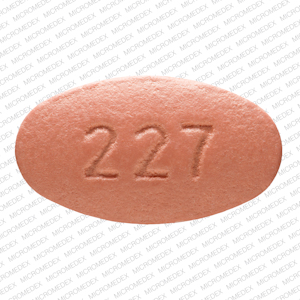
Isentress Side Effects
Generic name: raltegravir
Medically reviewed by Drugs.com. Last updated on May 30, 2025.
Note: This document provides detailed information about Isentress Side Effects associated with raltegravir. Some dosage forms listed on this page may not apply specifically to the brand name Isentress.
Applies to raltegravir: oral powder for suspension, oral tablet, oral tablet chewable.
Precautions
It is very important that your doctor check your or your child's progress at regular visits to make sure this medicine is working properly. Blood and urine tests may be needed to check for unwanted effects.
Serious skin and allergic reactions (eg, Stevens-Johnson Syndrome, toxic epidermal necrosis) can occur with this medicine. These could be life-threatening and require immediate medical attention. Check with your doctor right away if you have a severe rash, blistering, peeling, or loosening skin, fever or chills, muscle or joint pain, sores or ulcers on the skin, swelling of the face, lips, tongue, or throat, unusual tiredness or weakness, or yellow eyes or skin while you or your child are using this medicine.
Your immune system may get stronger when you start taking HIV medicines. Tell your doctor right away if you or your child notice any changes in your health. Sometimes the immune system will start to fight infections that were hidden in your body, such as pneumonia, herpes, or tuberculosis. Autoimmune disorders (eg, Graves' disease, polymyositis, Guillain-Barré syndrome) may also occur.
Tell your doctor right away if you or your child have unexplained muscle pain, tenderness, or weakness, especially if you also have unusual tiredness or a fever. These could be symptoms of a serious muscle problem called myopathy.
Check with your doctor right away if you or your child have dark urine, fever, muscle cramps or spasms, muscle pain or stiffness, or unusual tiredness or weakness. These could be symptoms of a serious muscle problem called rhabdomyolysis, which can cause kidney problems.
Do not take other medicines unless they have been discussed with your doctor. This includes prescription or nonprescription (over-the-counter [OTC]) medicines and herbal or vitamin supplements.
Common side effects of Isentress
Some side effects of raltegravir may occur that usually do not need medical attention. These side effects may go away during treatment as your body adjusts to the medicine. Also, your health care professional may be able to tell you about ways to prevent or reduce some of these side effects.
Check with your health care professional if any of the following side effects continue or are bothersome or if you have any questions about them:
Less common side effects
- dizziness
- trouble sleeping
Less common or rare side effects
- belching
- depression
- heartburn
- indigestion
- lack or loss of strength
- stomach discomfort, upset, or tenderness
- thoughts of killing oneself or changes in behavior
Incidence not known
- delusions of persecution, mistrust, suspiciousness, or combativeness
- diarrhea
- fear or nervousness
Serious side effects of Isentress
Along with its needed effects, raltegravir (the active ingredient contained in Isentress) may cause some unwanted effects. Although not all of these side effects may occur, if they do occur they may need medical attention.
Check with your doctor immediately if any of the following side effects occur while taking raltegravir:
Less common or rare side effects
- blood in the urine
- burning or stinging of the skin
- dark urine
- decreased frequency or amount of urine
- fast heartbeat
- fever
- hoarseness
- increased thirst
- irritation
- joint pain, stiffness, or swelling
- light-colored stools
- loss of appetite
- lower back or side pain
- nausea
- pain in the groin or genitals
- painful blisters on the trunk of the body
- painful cold sores or blisters on the lips, nose, eyes, or genitals
- rash, hives, or itching
- redness of the skin
- sharp back pain just below the ribs
- swelling of the eyelids, face, lips, hands, lower legs, or feet
- tightness in the chest
- trouble breathing or swallowing
- unusual tiredness or weakness
- upper right stomach pain
- vomiting
- weight gain
- yellow eyes and skin
Incidence not known
- black, tarry stools
- bleeding gums
- headache
- muscle cramps, spasms, pain, or stiffness
- pinpoint red spots on the skin
- stomach pain, continuing
- unusual bleeding or bruising
See also:
For healthcare professionals
Applies to raltegravir: oral granule for reconstitution, oral tablet, oral tablet chewable.
General adverse events
The most common side effects of moderate to severe intensity were insomnia, headache, nausea, dizziness, and fatigue. The most commonly reported side effects of all intensities and regardless of causality included diarrhea, nausea, headache, nasopharyngitis, fatigue, upper respiratory tract infection, pyrexia, abdominal pain, and vomiting. The rates of discontinuation due to side effects were 5% and 10% in therapy-naive subjects receiving this drug and efavirenz, respectively, and 4% and 5% in therapy-experienced subjects receiving this drug and placebo, respectively.[Ref]
Hepatic
- Very common (10% or more): Elevated ALT (up to 11%)
- Common (1% to 10%): Elevated AST, elevated total bilirubin
- Uncommon (0.1% to 1%): Hepatitis, hepatic steatosis, alcoholic hepatitis, hepatic failure
- Frequency not reported: AST and ALT abnormalities[Ref]
Grade 2, 3, and 4 elevations in ALT have been reported in up to 11%, up to 4.8%, and up to 2% of patients, respectively. Grade 2, 3, and 4 elevations in AST have been reported in up to 9.5%, up to 5%, and up to 1.1% of patients, respectively. Grade 2, 3, and 4 elevations in total bilirubin have been reported in up to 6%, up to 3%, and up to 1% of patients, respectively.
The rates of AST and ALT abnormalities were higher in patients with hepatitis B and/or hepatitis C virus coinfection. In therapy-naive patients using 400 mg twice a day, grade 2 or higher laboratory abnormalities indicating a worsening grade from baseline of AST, ALT, or total bilirubin occurred in 22%, 44%, and 17%, respectively, of coinfected patients using this drug as compared to 13%, 13%, and 5% of all other patients using this drug. In therapy-experienced patients using 400 mg twice a day, grade 2 or higher laboratory abnormalities indicating a worsening grade from baseline of AST, ALT, or total bilirubin occurred in 29%, 34%, and 13%, respectively, of coinfected patients using this drug as compared to 11%, 10%, and 9% of all other patients using this drug. At 96 weeks, in therapy-naive patients using 1200 mg (as two 600 mg tablets) once a day, grade 2 or higher laboratory abnormalities indicating a worsening grade from baseline of AST, ALT, or total bilirubin occurred in 27%, 40%, and 13%, respectively, of coinfected patients treated with 1200 mg once a day as compared to 7%, 5%, and 3% of all other patients treated with 1200 mg once a day.
Hepatic failure (with and without associated hypersensitivity) has been reported during postmarketing experience in patients with underlying liver disease and/or concomitant medications.[Ref]
Metabolic
- Very common (10% or more): Elevated serum glucose (up to 11.3%)
- Common (1% to 10%): Decreased appetite, elevated blood triglycerides
- Uncommon (0.1% to 1%): Cachexia, diabetes mellitus, dyslipidemia, hypercholesterolemia, hyperglycemia, hyperlipidemia, hyperphagia, increased appetite, polydipsia, body fat disorder, decreased blood albumin, elevated blood cholesterol, elevated fasting blood glucose, elevated high-density lipoprotein, elevated low-density lipoprotein cholesterol
- Frequency not reported: Elevated fasting cholesterol[Ref]
Grade 2 and 3 elevations in fasting (nonrandom) serum glucose test have been reported in up to 11.3% and up to 3% of patients, respectively.[Ref]
Gastrointestinal
- Very common (10% or more): Diarrhea (up to 26.6%), nausea (up to 16.7%)
- Common (1% to 10%): Vomiting, elevated lipase, elevated blood pancreatic amylase, abdominal pain, dyspepsia, abdominal distention, flatulence
- Uncommon (0.1% to 1%): Gastroenteritis, gastritis, abdominal discomfort, upper abdominal pain, abdominal tenderness, anorectal discomfort, constipation, dry mouth, epigastric discomfort, erosive duodenitis, eructation, gastroesophageal reflux disease, gingivitis, glossitis, odynophagia, acute pancreatitis, peptic ulcer, rectal hemorrhage, elevated blood amylase
- Frequency not reported: Mouth ulceration, peritonitis (including perihepatitis)[Ref]
Grade 2, 3, and 4 elevations in lipase have been reported in up to 7%, up to 2%, and up to 2% of patients, respectively. Grade 2, 3, and 4 elevations in pancreatic amylase have been reported in 2%, 4%, and less than 1% of patients, respectively.
Diarrhea has also been reported during postmarketing experience.[Ref]
Nervous system
- Very common (10% or more): Central nervous system (CNS) side effects/symptoms (up to 28.8%), headache (up to 26%), dizziness (up to 16.4%)
- Common (1% to 10%): Psychomotor hyperactivity, vertigo
- Uncommon (0.1% to 1%): Amnesia, carpal tunnel syndrome, cognitive disorder, disturbance in attention/concentration impaired, postural dizziness, dysgeusia, hypersomnia, hypoesthesia, lethargy, memory impairment, migraine, peripheral neuropathy, paresthesia, somnolence, tension headache, tremor, poor quality sleep, tinnitus
- Frequency not reported: Nervous system disorder, depressed level of consciousness
- Postmarketing reports: Cerebellar ataxia[Ref]
CNS side effects were reported less often in therapy-naive patients using this drug (with emtricitabine and tenofovir disoproxil fumarate [DF]) than those using efavirenz (with emtricitabine and tenofovir DF). By weeks 8, 48, and 96, at least 1 CNS symptom was reported in 20.3%, 26.3%, and 28.8% of patients using this drug, respectively, compared with 52.1%, 58.5%, and 60.6% of patients using efavirenz, respectively. CNS side effects included dizziness, insomnia, concentration impaired, somnolence, depression, nightmare, confusional state, suicidal ideation, nervous system disorder, psychotic disorder, abnormal dreams, suicide attempt, acute psychosis, delirium, depressed level of consciousness, hallucination, auditory hallucination, completed suicide, and major depression.[Ref]
Psychiatric
- Very common (10% or more): Insomnia (up to 15.7%), depression (up to 10.3%)
- Common (1% to 10%): Abnormal dreams, nightmare, abnormal behavior, anxiety
- Uncommon (0.1% to 1%): Mental disorder, suicide attempt, confusional state, depressed mood, major depression, middle insomnia, mood altered, panic attack, sleep disorder, suicidal ideation, suicidal behavior
- Frequency not reported: Exacerbation of depression, psychotic disorder, acute psychosis, delirium, hallucination, auditory hallucination, completed suicide
- Postmarketing reports: Paranoia[Ref]
Depression (including suicidal ideation and behaviors) has been reported in clinical studies and during postmarketing experience, particularly in patients with history of psychiatric illness or depression.
Anxiety, suicidal ideation, and suicidal behavior (particularly in patients with history of psychiatric illness) have also been reported during postmarketing experience.[Ref]
Hematologic
- Common (1% to 10%): Decreased absolute neutrophil count, decreased platelet count, decreased hemoglobin, atypical lymphocytes
- Uncommon (0.1% to 1%): Anemia, iron deficiency anemia, lymph node abscess, lymph node pain, lymphadenopathy, neutropenia, thrombocytopenia, elevated INR, decreased WBC count[Ref]
Grade 2, 3, and 4 decreases in absolute neutrophil count have been reported in up to 4%, up to 3%, and up to 1% of patients, respectively. Grade 2, 3, and 4 decreases in platelet count have been reported in up to 3%, up to 1%, and up to 1% of patients, respectively. Grade 2, 3, and 4 decreases in hemoglobin have been reported in up to 1%, up to 1%, and less than 1% of patients, respectively.
Thrombocytopenia has also been reported during postmarketing experience.[Ref]
Other
- Very common (10% or more): Pyrexia (up to 15.7%), fatigue (up to 12.1%)
- Common (1% to 10%): Asthenia, elevated alkaline phosphatase
- Uncommon (0.1% to 1%): Herpes virus infection, hot flush, menopausal symptoms, chest discomfort, chills, face edema, increased fat tissue, feeling jittery, malaise, submandibular mass, peripheral edema, pain, increased waist circumference, increased weight, accidental overdose
- Frequency not reported: Decreased weight[Ref]
Grade 2, 3, and 4 elevations in alkaline phosphatase have been reported in up to 2.2%, less than 1%, and up to 1% of patients, respectively.[Ref]
Musculoskeletal
- Very common (10% or more): Back pain (up to 12.1%)
- Common (1% to 10%): Elevated creatine phosphokinase, arthralgia
- Uncommon (0.1% to 1%): Arthritis, flank pain, musculoskeletal pain, myalgia, neck pain, osteopenia, pain in extremity, tendonitis, rhabdomyolysis
- Frequency not reported: Myopathy, osteonecrosis, osteoporosis, polyarthritis[Ref]
Grade 2, 3, and 4 elevations in creatine phosphokinase have been reported in up to 5%, up to 4.1%, and up to 3.4% of patients, respectively.
Rhabdomyolysis has also been reported during postmarketing experience.[Ref]
Cardiovascular
- Uncommon (0.1% to 1%): Palpitations, sinus bradycardia, ventricular extrasystoles, hypertension
- Frequency not reported: Myocardial infarction[Ref]
Renal
- Uncommon (0.1% to 1%): Nephrolithiasis, renal failure, nephritis, renal cyst, renal impairment, tubulointerstitial nephritis, elevated blood creatinine, elevated BUN
- Frequency not reported: Toxic nephropathy, chronic renal failure, renal tubular necrosis[Ref]
Hypersensitivity
- Common (1% to 10%): Hypersensitivity
- Uncommon (0.1% to 1%): Drug hypersensitivity
- Frequency not reported: Hypersensitivity reactions (characterized by rash, constitutional findings, and sometimes, organ dysfunction, including hepatic failure)[Ref]
Dermatologic
- Common (1% to 10%): Rash
- Uncommon (0.1% to 1%): Pruritus, acne, alopecia, dermatitis acneiform, dry skin, erythema, facial wasting, hyperhidrosis, lipoatrophy, acquired lipodystrophy, lipohypertrophy, night sweats, prurigo, generalized pruritus, macular rash, maculopapular rash, pruritic rash, skin lesion, urticaria, xeroderma, Stevens-Johnson syndrome, drug rash with eosinophilia and systemic symptoms (DRESS), folliculitis, herpes simplex, herpes zoster, molluscum contagiosum
- Frequency not reported: Severe skin reactions, toxic epidermal necrolysis, diaphoresis[Ref]
Rashes considered drug related were mild to moderate in severity and did not limit treatment. In clinical trials of therapy-experienced patients, rash occurred more often with regimens containing this drug and darunavir compared to those containing this drug without darunavir or darunavir without this drug.
Severe, potentially life-threatening, and fatal skin reactions (including Stevens-Johnson syndrome, toxic epidermal necrolysis) have been reported.
Stevens-Johnson syndrome and DRESS have also been reported during postmarketing experience.[Ref]
Oncologic
- Uncommon (0.1% to 1%): Skin papilloma
- Frequency not reported: Kaposi's sarcoma, lymphoma, squamous cell carcinoma, skin cancer, hepatocellular carcinoma, rectal adenocarcinoma, anal cancer[Ref]
The types and rates of specified cancers were expected in a highly immunodeficient population and most patients had other risk factors for cancer, including tobacco use, papillomavirus, and active hepatitis B virus infection. It is unknown if these cancer diagnoses were related to use of this drug.[Ref]
Immunologic
- Uncommon (0.1% to 1%): Immune reconstitution syndrome
- Frequency not reported: Autoimmune disorders in the setting of immune reconstitution (e.g., Graves' disease, polymyositis, Guillain-Barre syndrome, autoimmune hepatitis)[Ref]
Endocrine
- Uncommon (0.1% to 1%): Gynecomastia
Genitourinary
- Uncommon (0.1% to 1%): Genital herpes, nocturia, erectile dysfunction, glucose present in urine, positive for RBCs in urine[Ref]
Ocular
- Uncommon (0.1% to 1%): Visual impairment[Ref]
Respiratory
- Very common (10% or more): Nasopharyngitis (up to 26.7%), upper respiratory tract infection (up to 21.4%), cough (up to 16.7%), influenza (up to 11.7%)
- Uncommon (0.1% to 1%): Dysphonia, epistaxis, nasal congestion[Ref]
References
1. (2007) "Product Information. Isentress (raltegravir)." Merck & Co., Inc
2. Iwamoto M, Wenning LA, Petry AS, et al. (2008) "Safety, tolerability, and pharmacokinetics of raltegravir after single and multiple doses in healthy subjects." Mol Ther, 83, p. 293-9
3. Cerner Multum, Inc. "Australian Product Information."
4. Cerner Multum, Inc. "UK Summary of Product Characteristics."
5. Reiss KA, Bailey JR, Pham PA, Gallant JE (2010) "Raltegravir-induced cerebellar ataxia." AIDS, 24, p. 2757
6. Fleischbein E, O'Brien J, Martelino R, Fenstersheib M (2008) "Elevated alkaline phosphatase with raltegravir in a treatment experienced HIV patient." AIDS, 22, p. 2404-5
7. Madeddu G, Menzaghi B, Ricci E, et al. (2012) "Raltegravir central nervous system tolerability in clinical practice: results from a multicenter observational study." AIDS, 26, p. 2412-5
8. (2006) "Anti-HIV agents. Merck integrase inhibitor." TreatmentUpdate, 18, p. 3-4
9. Iwamoto M, Hanley WD, Petry AS, et al. (2009) "Lack of a Clinically Important Effect of Moderate Hepatic Insufficiency and Severe Renal Insufficiency on Raltegravir Pharmacokinetics." Antimicrob Agents Chemother
10. Harris M, Larsen G, Montaner JS (2008) "Exacerbation of depression associated with starting raltegravir: a report of four cases." AIDS, 22, p. 1890-2
11. (2007) "Anti-HIV agents. Integrase inhibitor raltegravir makes its mark." TreatmentUpdate, 19, p. 8-9
12. Borras-Blasco J, Navarro-Ruiz A, Borras C, Castera E (2008) "Adverse cutaneous reactions associated with the newest antiretroviral drugs in patients with human immunodeficiency virus infection." J Antimicrob Chemother, 62, p. 879-88
13. Zembower TR, Gerzenshtein L, Coleman K, Palella FJ Jr (2008) "Severe rhabdomyolysis associated with raltegravir use." AIDS, 22, p. 1382-4
14. Monteiro P, Perez I, Pich J, Gatell JM, Martinez E (2013) "Creatine kinase elevation in HIV-1-infected patients receiving raltegravir-containing antiretroviral therapy: a cohort study." J Antimicrob Chemother, 68, p. 404-8
15. Vassallo M, Dunais B, Naqvi A, Garaffo R, Durant J (2012) "Raltegravir-induced nephrolithiasis: a case report." AIDS, 26, p. 1323-4
More about Isentress (raltegravir)
- Check interactions
- Compare alternatives
- Pricing & coupons
- Reviews (17)
- Drug images
- Dosage information
- During pregnancy
- FDA approval history
- Drug class: integrase strand transfer inhibitor
- Breastfeeding
- En español
Patient resources
Other brands
Professional resources
Related treatment guides
Further information
Isentress side effects can vary depending on the individual. Always consult your healthcare provider to ensure the information displayed on this page applies to your personal circumstances.
Note: Medication side effects may be underreported. If you are experiencing side effects that are not listed, submit a report to the FDA by following this guide.