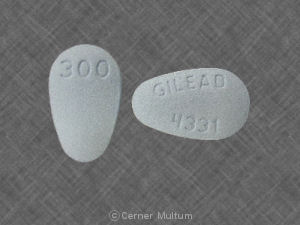
Viread
Generic name: tenofovir disoproxil
Drug class: Nucleoside reverse transcriptase inhibitors (NRTIs)
What is Viread?
Viread is an antiviral medicine that prevents human immunodeficiency virus (HIV) or hepatitis B from multiplying in your body.
Viread is used to treat HIV, the virus that can cause acquired immunodeficiency syndrome (AIDS). This medicine is not a cure for HIV or AIDS.
Viread is also used to treat chronic hepatitis B infection.
Viread is for use in adults and children at least 2 years old and weighing at least 22 pounds (10 kilograms).
Warnings
If you have hepatitis B, it may become active or get worse after you stop using Viread. You may need frequent liver function tests for several months.
Do not change your dose or stop using Viread without your doctor's advice. If you have ever had hepatitis B, stopping treatment with tenofovir can cause acute exacerbations of hepatitis B. You will need frequent blood tests to check your liver function.
Do not take Viread together with adefovir (Hepsera), or with combination medicines that contain tenofovir (Atripla, Biktarvy, Cimduo, Complera, Descovy, Genvoya, Odefsey, Stribild, Symfi, or Truvada).
Viread is not recommended in patients with end stage renal disease.
Tenofovir disoproxil (Viread) is used to treat HIV-1 infection and chronic hepatitis B. Tenofovir alafenamide (Vemlidy) is only used to treat patients with chronic hepatitis B.
Before taking this medicine
You should not take Viread if you are allergic to tenofovir.
To make sure Viread is safe for you, tell your doctor if you have ever had:
-
liver disease (especially hepatitis B if you also have HIV);
-
HIV (if you are taking tenofovir to treat hepatitis B);
-
kidney disease; or
-
low bone mineral density.
You may develop lactic acidosis, a dangerous build-up of lactic acid in your blood. Ask your doctor about your risk.
To prevent HIV in a newborn baby, use all medications to control your infection during pregnancy. Your name may be listed on an antiviral pregnancy registry.
Women with HIV should not breastfeed. The virus can pass to your baby in your breast milk.
How should I take Viread?
Take Viread exactly as prescribed by your doctor. Follow all directions on your prescription label and read all medication guides or instruction sheets.
Before you start treatment with Viread, your doctor may perform tests to make sure you do not have HIV (if you are being treated for hepatitis B) or hepatitis B (if you are being treated for HIV).
Take this medicine at the same time each day.
Viread can be taken with or without food. Carefully follow all instructions on your medicine label.
Viread oral powder should be mixed with soft food that can be swallowed without chewing, such as applesauce, yogurt, or baby food. Do not mix the oral powder with liquid.
Tenofovir doses are based on weight in children. Your child's dose needs may change if the child gains or loses weight.
You will need frequent medical tests.
Do not stop using Viread without first talking to your doctor.
Use all HIV medications as directed and read all medication guides you receive. Do not change your dose or dosing schedule without your doctor's advice. Every person with HIV should remain under the care of a doctor.
Store at room temperature away from moisture and heat. Keep the bottle tightly closed when not in use.
If you have hepatitis B, this virus may become active or get worse in the months after you stop using Viread. You may need frequent liver function tests while using this medicine and for several months after your last dose.
What happens if I miss a dose?
Take the medicine as soon as you can, but skip the missed dose if it is almost time for your next dose. Do not take two doses at one time.
Get your prescription refilled before you run out of medicine completely.
What happens if I overdose?
Seek emergency medical attention or call the Poison Help line at 1-800-222-1222.
What should I avoid while taking Viread?
Drinking alcohol may increase your risk of liver damage.
Using this medicine will not prevent your disease from spreading. Do not have unprotected sex or share razors or toothbrushes. Ask your doctor how to prevent HIV transmission during sex. Sharing drug or medicine needles is never safe.
Viread side effects
Get emergency medical help if you have signs of an allergic reaction to Viread: hives; difficulty breathing; swelling of your face, lips, tongue, or throat.
Mild symptoms of lactic acidosis may worsen over time, and this condition can be fatal. Get emergency medical help if you have: unusual muscle pain, trouble breathing, stomach pain, vomiting, fast/slow or irregular heartbeats, dizziness, feeling cold, or feeling very weak or tired.
Call your doctor at once if you have:
-
sore throat, flu symptoms, easy bruising or unusual bleeding;
-
kidney problems - little or no urination, painful or difficult urination, swelling in your feet or ankles, feeling tired or short of breath; or
-
liver problems - swelling around your midsection, upper stomach pain, unusual tiredness, loss of appetite, dark urine, clay-colored stools, jaundice (yellowing of the skin or eyes).
Viread can affect your immune system (even weeks or months after you've used this medicine). Tell your doctor if you have:
-
signs of a new infection - fever, night sweats, swollen glands, cold sores, cough, wheezing, diarrhea, weight loss;
-
trouble speaking or swallowing, problems with balance or eye movement, weakness or prickly feeling; or
-
swelling in your neck or throat (enlarged thyroid), menstrual changes, impotence.
Common Viread side effects may include:
-
stomach pain, nausea, vomiting, diarrhea;
-
fever, pain;
-
weakness, dizziness;
-
depressed mood;
-
itching, rash; or
-
sleep problems (insomnia).
This is not a complete list of side effects and others may occur. Call your doctor for medical advice about side effects. You may report side effects to FDA at 1-800-FDA-1088.
What other drugs will affect Viread?
Sometimes it is not safe to use certain medications at the same time. Some drugs can affect your blood levels of other drugs you take, which may increase side effects or make the medications less effective.
Tenofovir can harm your kidneys, especially if you also use certain medicines for infections, cancer, osteoporosis, organ transplant rejection, high blood pressure, or pain or arthritis (including Advil, Motrin, and Aleve).
Many drugs can interact with tenofovir. This includes prescription and over-the-counter medicines, vitamins, and herbal products. Not all possible interactions are listed here. Tell your doctor about all other medicines you use.
Popular FAQ
What is the difference between Vemlidy and Viread?
Vemlidy (tenofovir alafenamide) and Viread (Tenofovir disproxil fumarate) are antiviral medications marketed by Gilead Sciences. They are both prodrugs of tenofovir.
Vemlidy and Viread are similar in terms of their effectiveness, but Vemlidy is effective at a much lower dose than Viread. Less tenofovir ends up in the bloodstream after taking Vemlidy, leading to improved renal and bone laboratory safety parameters compared with Viread.
Vemlidy also has greater plasma stability, enabling it to deliver tenofovir to hepatocytes more efficiently.
Vemlidy and Viread are both used to treat chronic hepatitis B virus (HBV) infection, but Viread is also used in the treatment of human immunodeficiency virus-1 (HIV-1) infection. Continue reading
More FAQ
- What drugs are contained in the HIV treatment Delstrigo?
- Truvada vs Descovy: How do they compare for HIV and PrEP?
- What is the difference between HIV treatments Odefsey and Complera?
- Genvoya vs Stribild for HIV - How do they compare?
- What is the difference between HIV treatments Symfi and Symfi Lo?
- How much does HIV treatment Cimduo cost?
- What drugs are contained in the HIV treatment Cimduo?
References
More about Viread (tenofovir disoproxil)
- Check interactions
- Compare alternatives
- Pricing & coupons
- Reviews (12)
- Drug images
- Side effects
- Dosage information
- During pregnancy
- Generic availability
- Drug class: nucleoside reverse transcriptase inhibitors (NRTIs)
- Breastfeeding
- En español
Professional resources
Related treatment guides
Further information
Remember, keep this and all other medicines out of the reach of children, never share your medicines with others, and use Viread only for the indication prescribed.
Always consult your healthcare provider to ensure the information displayed on this page applies to your personal circumstances.
Copyright 1996-2024 Cerner Multum, Inc. Version: 14.03.