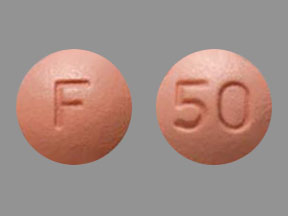
Galantamine Side Effects
Medically reviewed by Drugs.com. Last updated on Oct 25, 2024.
Applies to galantamine: oral capsule extended release, oral solution, oral tablet.
Precautions
It is very important that your doctor check your progress at regular visits. This will allow your doctor to see if the medicine is working properly and to check for unwanted effects.
Serious skin reactions can occur with this medicine. Check with your doctor right away if you have blistering, peeling, or loose skin, red skin lesions, severe acne or skin rash, sores or ulcers on the skin, or fever or chills while you are using this medicine.
Galantamine may cause stomach or bowel problems. Check with your doctor right away if you have nausea, vomiting, diarrhea, stomach pain, loss of appetite, or weight loss.
If you think you or someone else may have taken an overdose of galantamine, get emergency help at once. Taking an overdose of galantamine may lead to convulsions (seizures) or shock. Some signs of shock are large pupils, irregular breathing, and fast weak pulse. Other signs of an overdose are severe nausea and vomiting, increasing muscle weakness, greatly increased sweating, and greatly increased watering of the mouth.
Do not take other medicines unless they have been discussed with your doctor. This especially includes nonprescription medicines, such as aspirin, and medicines for appetite control, asthma, colds, cough, hay fever, or sinus problems.
Common side effects of galantamine
Some side effects of galantamine may occur that usually do not need medical attention. These side effects may go away during treatment as your body adjusts to the medicine. Also, your health care professional may be able to tell you about ways to prevent or reduce some of these side effects.
Check with your health care professional if any of the following side effects continue or are bothersome or if you have any questions about them:
More common side effects
- decreased appetite
- weight loss
Less common side effects
- acid or sour stomach
- belching
- discouragement
- feeling sad or empty
- general feeling of discomfort or illness
- heartburn
- increased sweating
- indigestion
- irritability
- lack of appetite
- lack or loss of strength
- loss of interest or pleasure
- muscle spasms
- stomach discomfort, upset, or pain
- trouble concentrating
- trouble sleeping
- unusual drowsiness, dullness, tiredness, weakness, or feeling of sluggishness
Rare side effects
- burning, crawling, itching, numbness, prickling, "pins and needles", or tingling feelings
- change in taste
- dry heaves
- loss of taste
- unusually deep sleep
- unusually long duration of sleep
Incidence not known
- continuing ringing or buzzing or other unexplained noise in the ears
- hearing loss
- seeing, hearing, or feeling things that are not there
Serious side effects of galantamine
Along with its needed effects, galantamine may cause some unwanted effects. Although not all of these side effects may occur, if they do occur they may need medical attention.
Check with your doctor immediately if any of the following side effects occur while taking galantamine:
Less common side effects
- chest pain or discomfort
- lightheadedness, dizziness, or fainting
- shakiness in the legs, arms, hands, or feet
- shortness of breath
- slow or irregular heartbeat
- unusual tiredness
Rare side effects
- blurred vision
- confusion
- decreased urination
- dizziness, faintness, or lightheadedness when getting up suddenly from a lying or sitting position
- dry mouth
- fainting
- fast, irregular, pounding, or racing heartbeat or pulse
- feeling of warmth
- rapid breathing
- redness of the face, neck, arms, and occasionally, upper chest
- sunken eyes
- sweating
- thirst
- troubled breathing
- unusual tiredness or weakness
- wrinkled skin
Incidence not known
- blistering, peeling, or loosening of the skin
- chills
- cough
- dark urine
- fever
- general tiredness and weakness
- headache
- hoarseness
- irritation
- joint pain, stiffness, or swelling
- light-colored stools
- nausea and vomiting
- nervousness
- pounding in the ears
- rash, hives, or itching skin
- red skin lesions, often with a purple center
- red, irritated eyes
- redness of the skin
- swelling of the eyelids, face, lips, hands, or feet
- tightness in the chest
- troubled swallowing
- upper right abdominal or stomach pain
- yellow eyes and skin
Get emergency help immediately if any of the following symptoms of overdose occur while taking galantamine:
Symptoms of overdose
- confusion
- convulsions
- irregular, fast or slow, or shallow breathing
- muscle weakness
- pale or blue lips, fingernails, or skin
- severe nausea
- stomach cramps
- sweating
- tearing of the eyes
- twitches of the muscle visible under the skin
- vomiting
For healthcare professionals
Applies to galantamine: oral capsule extended release, oral solution, oral tablet.
General adverse events
The most common side effects associated with discontinuation were nausea, vomiting, decreased appetite, dizziness, diarrhea, headache, and decreased appetite.[Ref]
Dermatologic
- Frequency not reported: Hyperhidrosis
- Postmarketing reports: Stevens-Johnson syndrome, Acute generalized exanthematous pustulosis, Erythema multiforme
Gastrointestinal
- Very common (10% or more): Nausea, vomiting
- Common (1% to 10%): Diarrhea, abdominal pain, upper abdominal pain, dyspepsia, stomach discomfort, abdominal discomfort
- Uncommon (0.1% to 1%): Retching
- Postmarketing reports: Upper and lower GI bleeding, stomach discomfort, and abdominal discomfort.[Ref]
The median duration of nausea in clinical trials was 5 to 7 days. The most commonly occurring adverse reactions associated with discontinuation have include nausea (6.2%), vomiting (3.3%), decreased appetite (1.5%), and dizziness (1.3%).[Ref]
Cardiovascular
- Common (1% to 10%): Syncope, bradycardia
- Frequency not reported: First degree atrioventricular (AV) block, palpitations, sinus bradycardia, supraventricular extrasystoles, flushing, hypotension
- Postmarketing reports: Complete AV block, hypertension[Ref]
Two randomized, placebo controlled trials revealed increased deaths in galantamine-treated patients with mild cognitive impairment. A total of 13 deaths occurred among galantamine-treated patients (n=1026) and 1 patient on placebo (n=1022). The deaths were due to various causes; about half of the galantamine deaths appeared to result from various vascular causes (myocardial infarction, stroke, and sudden death).[Ref]
Genitourinary
- Common (1% to 10%): Urinary tract infection, hematuria
- Frequency not reported: Increased libido[Ref]
Hematologic
- Common (1% to 10%): Anemia[Ref]
Hepatic
- Postmarketing reports: Hepatitis, increased hepatic enzymes
Hypersensitivity
- Postmarketing reports: Hypersensitivity
Metabolic
- Common (1% to 10%): Decreased appetite, decreased weight, anorexia
- Uncommon (0.1% to 1%): Dehydration
Musculoskeletal
- Common (1% to 10%): Muscle spasms
- Uncommon (0.1% to 1%): Muscular weakness
Nervous system
- Common (1% to 10%): Headache, dizziness, tremor, somnolence, lethargy
- Frequency not reported: Dysgeusia, hypersomnia, paresthesia
- Postmarketing reports: Seizures[Ref]
Ocular
- Uncommon (0.1% to 1%): Blurred vision
Other
- Common (1% to 10%): Fatigue, asthenia, malaise
- Uncommon (0.1% to 1%): Fall
- Postmarketing reports: Tinnitus
Psychiatric
- Common (1% to 10%): Depression
- Frequency not reported: Apathy, paranoia (disagreeable or terrifying dreams), paranoid reaction, increased libido, delirium, suicidal ideation and suicide
- Postmarketing reports: Hallucination, visual hallucination, auditory hallucination[Ref]
Respiratory
- Common (1% to 10%): Rhinitis[Ref]
See also:
Namenda
Namenda is used to treat dementia associated with Alzheimer's disease. Learn about side effects ...
Leqembi
Leqembi (lecanemab) is used to treat Alzheimer’s disease to help slow the progression of dementia s ...
Aricept
Aricept is used to treat mild to severe dementia caused by Alzheimer's disease. Learn about side ...
Exelon
Exelon (rivastigmine) is used to treat dementia caused by Alzheimer's or Parkinson's disease ...
Kisunla
Kisunla (donanemab) is used to treat Alzheimer’s disease to help slow down the decline in memory, t ...
Donepezil/memantine
Donepezil/memantine systemic is used for alzheimer's disease
Vitamin e
Vitamin E is an antioxidant that occurs naturally in some foods and is used to treat or prevent ...
Rivastigmine
Rivastigmine systemic is used for alzheimer's disease, lewy body dementia, parkinson's disease
Memantine
Memantine is used to treat moderate to severe dementia in people with Alzheimer’s disease. It is an ...
References
1. (2001) "Product Information. Reminyl (galantamine)." Janssen Pharmaceuticals
2. (2005) "Product Information. Razadyne (galantamine)." Johnson and Johnson Medical Inc
3. Iraqi A, Hughes TL (2009) "An unusual case of nightmares with galantamine." J Am Geriatr Soc, 57, p. 565
Frequently asked questions
More about galantamine
- Check interactions
- Compare alternatives
- Pricing & coupons
- Reviews (16)
- Drug images
- Dosage information
- During pregnancy
- Drug class: cholinesterase inhibitors
- En español
Patient resources
- Galantamine drug information
- Galantamine (Advanced Reading)
- Galantamine Tablets
- Galantamine Extended-Release Capsules
- Galantamine Solution
Other brands
Razadyne, Reminyl, Razadyne ER
Professional resources
Other brands
Related treatment guides
Further information
Galantamine side effects can vary depending on the individual. Always consult your healthcare provider to ensure the information displayed on this page applies to your personal circumstances.
Note: Medication side effects may be underreported. If you are experiencing side effects that are not listed, submit a report to the FDA by following this guide.