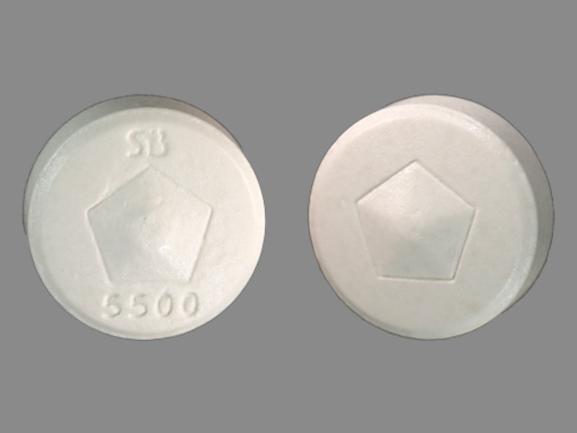
Albenza Side Effects
Generic name: albendazole
Medically reviewed by Drugs.com. Last updated on Aug 2, 2024.
Note: This document provides detailed information about Albenza Side Effects associated with albendazole. Some dosage forms listed on this page may not apply specifically to the brand name Albenza.
Applies to albendazole: oral tablet.
Precautions
It is important that your doctor check your or your child's progress at regular visits to make sure that the infection is cleared up completely. Blood tests may be needed to check for unwanted effects.
If your symptoms do not improve after you have taken this medicine for the full course of treatment, or if they become worse, check with your doctor.
Using this medicine while you are pregnant can harm your unborn baby. Use an effective form of birth control during treatment and for 3 days after the last dose. If you think you have become pregnant while using this medicine, tell your doctor right away. Also, your doctor should give you a pregnancy test before you start the medicine to make sure you are not pregnant.
Albendazole can temporarily lower the number of white blood cells in your blood, increasing the chance of getting an infection. It can also lower the number of platelets, which are necessary for proper blood clotting. If this occurs, there are certain precautions you can take, especially when your blood count is low, to reduce the risk of infection or bleeding:
- If you can, avoid people with infections. Check with your doctor right away if you think you are getting an infection or if you get a fever or chills, cough or hoarseness, lower back or side pain, or painful or difficult urination.
- Check with your doctor right away if you notice any unusual bleeding or bruising, black, tarry stools, blood in the urine or stools, or pinpoint red spots on your skin.
- Be careful when using a regular toothbrush, dental floss, or toothpick. Your medical doctor, dentist, or nurse may recommend other ways to clean your teeth and gums. Check with your medical doctor before having any dental work done.
- Do not touch your eyes or the inside of your nose unless you have just washed your hands and have not touched anything else in the meantime.
- Be careful not to cut yourself when you are using sharp objects such as a safety razor or fingernail or toenail cutters.
- Avoid contact sports or other situations where bruising or injury could occur.
For patients treated for neurocysticercosis, this medicine may increase your risk for increased pressure in the head or seizures. Tell your doctor right away if you have these symptoms.
Check with your doctor right away if you have pain or tenderness in the upper stomach, pale stools, dark urine, loss of appetite, nausea, vomiting, or yellow eyes or skin. These could be symptoms of a serious liver problem.
Do not take other medicines unless they have been discussed with your doctor. This includes prescription or nonprescription (over-the-counter [OTC]) medicines and herbal or vitamin supplements.
Common side effects of Albenza
Some side effects of albendazole may occur that usually do not need medical attention. These side effects may go away during treatment as your body adjusts to the medicine. Also, your health care professional may be able to tell you about ways to prevent or reduce some of these side effects.
Check with your health care professional if any of the following side effects continue or are bothersome or if you have any questions about them:
More common side effects
- stomach pain
Less common side effects
- nausea
Rare side effects
- dizziness
- thinning or loss of the hair
Incidence not known
- lack or loss of strength
Serious side effects of Albenza
Along with its needed effects, albendazole (the active ingredient contained in Albenza) may cause some unwanted effects. Although not all of these side effects may occur, if they do occur they may need medical attention.
Check with your doctor immediately if any of the following side effects occur while taking albendazole:
Less common side effects
- fever
Rare side effects
- black, tarry stools
- bleeding gums
- blood in the urine or stools
- chest pain
- chills
- cough
- painful or difficult urination
- pinpoint red spots on the skin
- sore throat
- sores, ulcers, or white spots on the lips or in the mouth
- swollen glands
- unusual bleeding or bruising
- unusual tiredness or weakness
Incidence not known
- blistering, peeling, or loosening of the skin
- blurred vision
- dark urine
- diarrhea
- general feeling of tiredness or weakness
- headache
- itching
- joint or muscle pain
- light-colored stools
- red, irritated eyes
- seizures
- stomach pain, continuing
- tightness in the chest
- vomiting
- yellow eyes or skin
See also:
Stromectol
Stromectol is used for cutaneous larva migrans, onchocerciasis, river blindness, strongyloidiasis
Rocephin
Rocephin (ceftriaxone) is used to treat bacterial infections, including severe or life-threatening ...
Botox
Botox is used cosmetically to reduce facial lines and wrinkles and for medical purposes for ...
Vibramycin
Vibramycin is used for acne, actinomycosis, amebiasis, anthrax, anthrax prophylaxis, bacterial ...
Westcort
Westcort is used for atopic dermatitis, dermatitis, eczema, intertrigo, pruritus, psoriasis ...
Monodox
Monodox is used for acne, actinomycosis, amebiasis, anthrax, anthrax prophylaxis, bacterial ...
Anusol-HC
Anusol-HC is used for anal itching, hemorrhoids, proctitis, pruritus
Cortaid
Cortaid is used for anal itching, atopic dermatitis, dermatitis, eczema, intertrigo, pruritus ...
Hydrocortisone topical
Hydrocortisone cream is used to treat eczema, dermatitis, psoriasis, hemorrhoids, insect bites or ...
Ceftriaxone
Ceftriaxone is used for bacteremia, bacterial endocarditis prevention, bacterial infection, bone ...
For healthcare professionals
Applies to albendazole: compounding powder, oral tablet, oral tablet chewable.
General adverse events
Side effects differed between hydatid disease and neurocysticercosis. Symptoms were generally mild and resolved without treatment. Therapy was discontinued primarily due to leukopenia (0.7%) or hepatic abnormalities (3.8% in hydatid disease).[Ref]
Hepatic
- Very common (10% or more): Elevated liver enzymes (up to 16%)
- Uncommon (0.1% to 1%): Hepatitis
- Frequency not reported: Hepatotoxicity, hepatic abnormalities, jaundice, hepatocellular damage
- Postmarketing reports: Acute liver failure[Ref]
Mild to moderate elevated liver enzymes were very common.
Severe hepatic abnormalities, including jaundice and hepatocellular damage (possibly irreversible), have been reported during prolonged higher dose treatment of hydatid disease.
Elevated liver enzymes and hepatitis have also been reported during postmarketing experience.[Ref]
Nervous system
- Very common (10% or more): Headache (up to 11%)
- Common (1% to 10%): Raised intracranial pressure, dizziness, neurological events
- Uncommon (0.1% to 1%): Vertigo, meningeal signs
- Postmarketing reports: Somnolence, convulsion[Ref]
Headache has also been reported during postmarketing experience.[Ref]
Gastrointestinal
- Common (1% to 10%): Epigastric/abdominal pain, nausea, vomiting, upper gastrointestinal (GI) symptoms, GI disturbances
- Uncommon (0.1% to 1%): Diarrhea
- Rare (less than 0.1%): Pancreatitis[Ref]
Upper GI symptoms (e.g., epigastric/abdominal pain, nausea, vomiting) and GI disturbances (abdominal pain, nausea, vomiting) were reported.
Diarrhea has also been reported during postmarketing experience.[Ref]
Dermatologic
- Common (1% to 10%): Reversible alopecia (thinning of hair, moderate hair loss)
- Uncommon (0.1% to 1%): Itchiness, skin rashes
- Postmarketing reports: Erythema multiforme, Stevens-Johnson syndrome[Ref]
Reversible alopecia (thinning of hair and moderate hair loss) has also been reported during postmarketing experience.[Ref]
Other
- Common (1% to 10%): Fever, hyperpyrexia
- Postmarketing reports: Asthenia[Ref]
Fever has also been reported during postmarketing experience.[Ref]
Hematologic
- Common (1% to 10%): Leukopenia
- Rare (less than 0.1%): Low red cell count, pancytopenia, thrombocytopenia
- Frequency not reported: Granulocytopenia, agranulocytosis
- Postmarketing reports: Aplastic anemia, bone marrow suppression, neutropenia[Ref]
Agranulocytosis and pancytopenia have also been reported during postmarketing experience.
Patients with liver disease (including hepatic echinococcosis) appeared more susceptible to bone marrow suppression.[Ref]
Hypersensitivity
Ocular
- Rare (less than 0.1%): Ocular maculopathy
- Frequency not reported: Retinal damage
- Postmarketing reports: Blurred vision[Ref]
Musculoskeletal
- Rare (less than 0.1%): Bone pain
- Postmarketing reports: Rhabdomyolysis[Ref]
Genitourinary
- Rare (less than 0.1%): Proteinuria
Renal
- Postmarketing reports: Acute renal failure[Ref]
References
1. (2001) "Product Information. Albenza (albendazole)." SmithKline Beecham
2. Cerner Multum, Inc. "Australian Product Information."
Frequently asked questions
- Pinworm Infection (Enterobius vermicularis) - how long does albenza take to work?
- What are Zentel 400mg used for?
- Albendazole: How long does it take to kill all the pinworms?
More about Albenza (albendazole)
- Check interactions
- Compare alternatives
- Pricing & coupons
- Reviews (3)
- Drug images
- Dosage information
- During pregnancy
- Drug class: anthelmintics
- Breastfeeding
- En español
Patient resources
Professional resources
Related treatment guides
Further information
Albenza side effects can vary depending on the individual. Always consult your healthcare provider to ensure the information displayed on this page applies to your personal circumstances.
Note: Medication side effects may be underreported. If you are experiencing side effects that are not listed, submit a report to the FDA by following this guide.