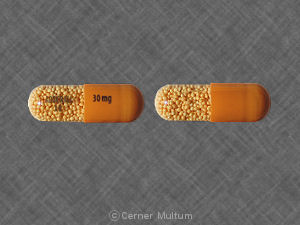
Adderall XR Side Effects
Generic name: amphetamine / dextroamphetamine
Medically reviewed by Drugs.com. Last updated on Jun 27, 2023.
Note: This document contains side effect information about amphetamine / dextroamphetamine. Some dosage forms listed on this page may not apply to the brand name Adderall XR.
Applies to amphetamine / dextroamphetamine: oral capsule extended release, oral tablet.
Warning
Oral route (Capsule, Extended Release; Tablet)
Amphetamine has a high potential for abuse and misuse, which can lead to the development of a substance use disorder, including addiction. Misuse and abuse of CNS stimulants, including amphetamine, can result in overdose and death, and this risk is increased with higher doses or unapproved methods of administration, such as snorting or injection. Before prescribing amphetamines, assess each patient’s risk for abuse, misuse, and addiction. Educate patients and their families about these risks, proper storage of the drug, and proper disposal of any unused drug. Throughout amphetamine treatment, reassess each patient’s risk of abuse, misuse, and addiction and frequently monitor for signs and symptoms of abuse, misuse, and addiction..
Serious side effects of Adderall XR
Along with its needed effects, amphetamine/dextroamphetamine may cause some unwanted effects. Although not all of these side effects may occur, if they do occur they may need medical attention.
Check with your doctor immediately if any of the following side effects occur while taking amphetamine / dextroamphetamine:
More common
- Bladder pain
- bloody or cloudy urine
- difficult, burning, or painful urination
- fast, pounding, or irregular heartbeat or pulse
- frequent urge to urinate
- lower back or side pain
Less common
- Chills
- cough
- diarrhea
- fever
- general feeling of discomfort or illness
- headache
- hoarseness
- joint pain
- loss of appetite
- muscle aches and pains
- nausea
- runny nose
- shivering
- sore throat
- sweating
- trouble sleeping
- unusual tiredness or weakness
- vomiting
Incidence not known
- Blistering, peeling, or loosening of the skin
- chest pain, discomfort, or tightness
- confusion
- dark urine
- difficulty breathing
- difficulty with speaking
- difficulty with swallowing
- dizziness
- double vision
- faintness
- inability to move the arms, legs, or facial muscles
- inability to speak
- itching, skin rash
- large, hive-like swelling on the face, eyelids, lips, tongue, throat, hands, legs, feet, or genitals
- loss of bladder control
- muscle cramps or stiffness
- muscle spasm or jerking of the arms and legs
- pain or discomfort in the arms, jaw, back, or neck
- red skin lesions, often with a purple center
- red, irritated eyes
- seeing, hearing, or feeling things that are not there
- seizures
- slow speech
- sores, ulcers, or white spots in the mouth or on the lips
- sudden loss of consciousness
- swelling of the feet or lower legs
- uncontrolled repeated movements (tics)
- uncontrolled vocal outbursts
- unusual tiredness or weakness
Get emergency help immediately if any of the following symptoms of overdose occur while taking amphetamine / dextroamphetamine:
Symptoms of overdose
- Agitation
- blurred vision
- change in consciousness
- chest pain or discomfort
- confusion
- dark urine
- diarrhea
- dizziness, faintness, or lightheadedness when getting up suddenly from a lying or sitting position
- fast, pounding, or irregular heartbeat or pulse
- fever
- headache
- inability to speak
- loss of consciousness
- muscle cramps, spasms, pain, stiffness, or twitching
- nausea
- nervousness
- overactive reflexes
- pain or discomfort in the arms, jaw, back, or neck
- pale, clammy skin,
- palpitations
- pounding in the ears
- seeing, hearing, or feeling things that are not there
- seizures
- shivering
- slow or fast heartbeat
- slurred speech
- sweating
- talking or acting with excitement you cannot control
- temporary blindness
- thirst
- trembling or shaking
- trouble breathing
- unusual tiredness or weakness
- vomiting
- weakness in the arm or leg on one side of the body, sudden and severe
Other side effects of Adderall XR
Some side effects of amphetamine / dextroamphetamine may occur that usually do not need medical attention. These side effects may go away during treatment as your body adjusts to the medicine. Also, your health care professional may be able to tell you about ways to prevent or reduce some of these side effects.
Check with your health care professional if any of the following side effects continue or are bothersome or if you have any questions about them:
More common
- Anxiety
- dry mouth
- lack or loss of strength
- stomach pain
- weight loss
Incidence not known
- Constipation
- decreased interest in sexual intercourse
- false or unusual sense of well-being
- inability to have or keep an erection
- loss in sexual ability, desire, drive, or performance
- twitching, twisting, uncontrolled repetitive movements of the tongue, lips, face, arms, or legs
For Healthcare Professionals
Applies to amphetamine / dextroamphetamine: oral capsule extended release, oral tablet.
Metabolic
Very common (10% or more): Appetite loss (up to 36%), weight loss (up to 10%)
Frequency not reported: Anorexia[Ref]
Gastrointestinal
Very common (10% or more): Dry mouth (up to 35%), abdominal pain (up to 14%)
Common (1% to 10%): Nausea, vomiting, diarrhea, dyspepsia
Frequency not reported: Unpleasant taste, constipation, other GI disturbances[Ref]
Cardiovascular
Very common (10% or more): Transient blood pressure elevations (up to 35%)
Common (1% to 10%): Tachycardia, palpitation
Frequency not reported: Cardiomyopathy, myocardial infarction, Raynaud's phenomenon[Ref]
Psychiatric
Very common (10% or more): Insomnia (up to 27%), nervousness (up to 13%)
Common (1% to 10%): Emotional lability, agitation, anxiety
Frequency not reported: Psychotic episodes, irritability, euphoria, dysphoria, restlessness, depression, aggression, anger, logorrhea, dermatillomania[Ref]
Nervous system
Very common (10% or more): Headache (up to 26%)
Common (1% to 10%): Somnolence, dizziness, twitching, speech disorder (e.g., stuttering, excessive speech)
Frequency not reported: Overstimulation, paresthesia/formication, dyskinesia, tremor, exacerbation of motor/phonic tics and Tourette's syndrome[Ref]
Dermatologic
Common (1% to 10%): Photosensitivity reaction, sweating
Frequency not reported: Urticaria, rash, alopecia, serious skin rashes (e.g., Stevens-Johnson Syndrome, toxic epidermal necrolysis)[Ref]
Endocrine
Common (1% to 10%): Decreased libido, dysmenorrhea, impotence
Frequency not reported: Frequent or prolonged erections[Ref]
Genitourinary
Common (1% to 10%): Urinary tract infection[Ref]
Other
Common (1% to 10%): Fever, infection, accidental injury, asthenia/fatigue, tooth disorder (e.g., teeth clenching, tooth infection)
Frequency not reported: Sudden death, bruxism[Ref]
Respiratory
Common (1% to 10%): Dyspnea[Ref]
Hypersensitivity
Frequency not reported: Hypersensitivity reactions (e.g., angioedema, anaphylaxis)[Ref]
Ocular
Frequency not reported: Blurred vision, mydriasis[Ref]
Musculoskeletal
Postmarketing reports: Rhabdomyolysis[Ref]
Frequently asked questions
- How long does Adderall last in your system?
- Which tablets should never be crushed?
- How is Mydayis different from Adderall XR?
- Is Adzenys XR-ODT the same as Adderall XR?
- How long does Adderall withdrawal last?
- How do you get rid of Adderall tongue?
- Adderall for Study: Does it Really Make You Smarter?
More about Adderall XR (amphetamine / dextroamphetamine)
- Check interactions
- Compare alternatives
- Pricing & coupons
- Reviews (236)
- Drug images
- Latest FDA alerts (5)
- Dosage information
- Patient tips
- During pregnancy
- Generic availability
- Support group
- Drug class: CNS stimulants
- En español
Patient resources
Other brands
Professional resources
Other brands
Other formulations
Related treatment guides
References
1. Product Information. Adderall (amphetamine-dextroamphetamine). Shire Richwood Pharmaceutical Company Inc. 2001;PROD.
2. Product Information. Adderall XR (amphetamine-dextroamphetamine). Shire Richwood Pharmaceutical Company Inc. 2001.
Further information
Always consult your healthcare provider to ensure the information displayed on this page applies to your personal circumstances.
Some side effects may not be reported. You may report them to the FDA.