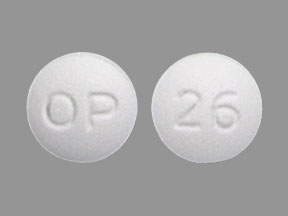
Miglitol (Monograph)
Brand name: Glyset
Drug class: alpha-Glucosidase Inhibitors
VA class: HS502
Chemical name: [2R-(2α,3β,4α,5β]-1-(2-hydroxyethyl)-2-(hydroxymethyl)-3,4,5-piperidinetriol
Molecular formula: C8H17NO5
CAS number: 72432-03-2
Introduction
Antidiabetic agent; an α-glucosidase inhibitor.
Uses for Miglitol
Type 2 Diabetes Mellitus
Used as monotherapy as an adjunct to diet and exercise for management of type 2 diabetes mellitus in patients whose hyperglycemia cannot be controlled by diet and exercise alone.
Also used as an adjunct to diet and exercise in combination with a sulfonylurea for management of type 2 diabetes mellitus in patients whose hyperglycemia cannot be controlled with miglitol or sulfonylurea monotherapy, diet, and exercise.
Current guidelines for the treatment of type 2 diabetes mellitus generally recommend metformin as first-line therapy in addition to lifestyle modifications in patients with recent-onset type 2 diabetes mellitus or mild hyperglycemia because of its well-established safety and efficacy (i.e., beneficial effects on glycosylated hemoglobin [hemoglobin A1c; HbA1c], weight, and cardiovascular mortality).
An α-glucosidase inhibitor (acarbose, miglitol) generally not recommended as second-line therapy after failure of metformin monotherapy because of comparatively lesser efficacy, frequent adverse GI effects, and greater cost, but may be appropriate therapy in selected patients.
In patients with metformin contraindications or intolerance (e.g., risk of lactic acidosis, GI intolerance) or in selected other patients, some experts suggest that initial therapy with a drug from another class of antidiabetic agents (e.g., a GLP-1 receptor agonist, sodium-glucose cotransporter 2 [SGLT2] inhibitor, dipeptidyl peptidase-4 [DPP-4] inhibitor, sulfonylurea, thiazolidinedione, basal insulin) may be acceptable based on patient factors.
May need to initiate therapy with 2 agents (e.g., metformin plus another drug) in patients with high initial HbA1c (>7.5% or ≥1.5% above target). In such patients with metformin intolerance, some experts suggest initiation of therapy with 2 drugs from other antidiabetic drug classes with complementary mechanisms of action.
Consider early initiation of combination therapy for the treatment of type 2 diabetes mellitus to extend the time to treatment failure and more rapidly attain glycemic goals.
For patients with inadequate glycemic control on metformin monotherapy, consider patient comorbidities (e.g., atherosclerotic cardiovascular disease [ASCVD], established kidney disease, heart failure), hypoglycemia risk, impact on weight, cost, risk of adverse effects, and patient preferences when selecting additional antidiabetic agents for combination therapy.
Consider early introduction of insulin for severe hyperglycemia (e.g., blood glucose ≥300 mg/dL or HbA1c >9–10%), especially if accompanied by catabolic manifestations (e.g., weight loss, hypertriglyceridemia, ketosis) or symptoms of hyperglycemia.
Miglitol Dosage and Administration
General
-
Individualize treatment based on efficacy and tolerance and adjust target blood glucose and glycosylated hemoglobin (HbA1c) concentrations based on patient’s understanding and adherence to the treatment regimen, the risk of severe hypoglycemia, and other factors that may increase risk or decrease benefit (e.g., very young or old age, comorbid conditions, other diseases that materially shorten life expectancy).
-
Goal of therapy is to reduce both postprandial blood glucose concentrations and HbA1c concentrations to normal or near normal (<7%) using lowest effective dosage of miglitol as monotherapy or combined with a sulfonylurea antidiabetic agent. During therapy initiation and dosage titration, obtain 1-hour postprandial glucose concentration to determine therapeutic response and minimum effective dosage. Monitor HbA1c concentrations approximately every 3 months to evaluate long-term glycemic control.
Administration
Administer orally.
Oral Administration
Administer at the beginning (with the first bite) of each main meal.
Dosage
Adults
Type 2 Diabetes Mellitus
Oral
Initially, 25 mg 3 times daily at the beginning of each main meal. To minimize adverse GI effects in patients who may have GI sensitivity to miglitol, initiate therapy with 25 mg once daily and increase gradually (e.g., over 4 weeks) as tolerated to 25 mg 3 times daily.
After 4–8 weeks at 25 mg 3 times daily, increase dosage as tolerated to 50 mg 3 times daily, the usual maintenance dosage. If response (i.e., as determined by HbA1c concentrations ) is not adequate after 3 months, increase dosage to 100 mg 3 times daily, the maximum recommended daily dosage. If no further therapeutic benefit occurs (i.e., as determined by postprandial glucose or HbA1c concentrations) at the maximum recommended dosage, consider lowering dosage. Once an effective and tolerated dosage is reached, maintain that dosage.
In patients receiving concomitant sulfonylurea therapy, reduce dosage of sulfonylurea and/or miglitol if hypoglycemia occurs. (See Hypoglycemia under Cautions.)
Prescribing Limits
Adults
Type 2 Diabetes Mellitus
Oral
Maximum 100 mg 3 times daily.
Special Populations
Hepatic Impairment
Not metabolized; dosage adjustments not required.
Renal Impairment
Accumulation of miglitol expected in patients with renal impairment. However, as miglitol acts locally in the small intestine, reduction of elevated plasma concentrations through dosage adjustments in such patients is not feasible. (See Renal Impairment under Cautions.)
Geriatric Patients
No dosage adjustment required based solely on age.
Cautions for Miglitol
Contraindications
-
Known hypersensitivity to the drug or any excipients in the formulation.
-
Diabetic ketoacidosis.
-
Inflammatory bowel disease, colonic ulceration, partial intestinal obstruction or predisposition to this condition.
-
Chronic intestinal diseases associated with marked disorders of digestion or absorption.
-
Co-existing conditions that may deteriorate as a result of increased intestinal gas formation.
Warnings/Precautions
General Precautions
Hypoglycemia
Miglitol should not cause hypoglycemia when administered alone in the fasting or postprandial state. Increased risk of hypoglycemia when used concomitantly with insulin† [off-label] or a sulfonylurea. If hypoglycemia occurs, adjust dosage of these agents appropriately. (See Dosage under Dosage and Administration.)
Use oral glucose (dextrose) for the treatment of mild to moderate hypoglycemia instead of sucrose (table sugar, a disaccharide); absorption of oral glucose (a monosaccharide) is not delayed by miglitol. (See Actions.) Severe hypoglycemia may require the use of either IV glucose infusion or parenteral glucagon.
Loss of Glycemic Control
Possible loss of glycemic control during periods of stress (e.g., fever, trauma, infection, surgery); temporary administration of insulin may be required.
Specific Populations
Pregnancy
Safety not established in pregnant women. Use during pregnancy only when clearly needed.
Lactation
Distributed into milk in low concentrations; use not recommended in nursing women.
Pediatric Use
Safety and efficacy not established in pediatric patients.
Geriatric Use
No substantial differences in safety and efficacy relative to younger adults.
Renal Impairment
Not recommended for use in patients with substantial renal impairment (Scr >2 mg/dL or Clcr <25 mL/minute); safety and efficacy not established.
Common Adverse Effects
Flatulence, diarrhea, abdominal discomfort/pain.
Drug Interactions
Carbohydrate-Splitting Digestive Enzyme Supplements
Possible reduction in glycemic effects of miglitol. Avoid concomitant use.
Intestinal Adsorbents
Possible reduction in glycemic effects of miglitol. Avoid concomitant use.
Specific Drugs
|
Drug |
Interaction |
Comments |
|---|---|---|
|
Amylase (digestive enzyme preparation) |
Possible reduction in glycemic effects |
Avoid concomitant use |
|
Antacids |
Pharmacokinetic interaction unlikely |
|
|
Charcoal (intestinal adsorbent) |
Possible reduction in glycemic effects |
Avoid concomitant use |
|
Digoxin |
Variable effects on plasma digoxin concentrations, depending on population subgroup |
|
|
Glyburide (Also see entry for Sulfonylureas) |
Possible decreased peak blood concentrations and AUC of glyburide |
Drug interaction not established, clinical importance unknown |
|
Insulin |
Increased risk of hypoglycemia |
If hypoglycemia occurs, reduce dosage of insulin |
|
Metformin |
Minimal decrease in peak blood concentrations and AUC of metformin; no clinical effect on glycemic control |
|
|
Nifedipine |
Pharmacokinetic or pharmacodynamic interaction unlikely |
|
|
Pancreatin (digestive enzyme preparation; no longer commercially available in the US) |
Possible reduction in glycemic effects |
Avoid concomitant use |
|
Pramlintide |
Pramlintide-induced slowing of gastric emptying may influence drug effects |
Concomitant use not recommended |
|
Propranolol |
Reduction in bioavailability of propranolol Pharmacodynamic interaction unlikely |
Adjustment of propranolol dosage may be necessary |
|
Ranitidine |
Reduction in bioavailability of ranitidine |
Adjustment of ranitidine dosage may be necessary |
|
Sulfonylureas |
Increased risk of hypoglycemia Reduction in the insulinotropic and weight-increasing effects of sulfonylureas Additive glycemic effects |
If hypoglycemia occurs, reduce dosage of sulfonylurea and/or miglitol Used to therapeutic advantage |
|
Warfarin |
Pharmacokinetic or pharmacodynamic interaction unlikely |
Miglitol Pharmacokinetics
Absorption
Bioavailability
Absorbed via an active transport system that is saturable at high dosages. Bioavailability 100 or 50–70% following administration of 25- or 100-mg dose, respectively.
Peak plasma concentrations attained within 2–3 hours.
Therapeutic effects principally result from local actions on small intestine; no evidence that systemic absorption contributes to therapeutic response.
Duration
Reduction in postprandial blood glucose concentrations persists for 3–4 hours following single dose in healthy individuals.
Special Populations
Since miglitol excreted principally by kidneys, accumulation expected in patients with renal impairment. (See Renal Impairment under Cautions.)
Distribution
Extent
Distributed principally into extracellular fluid and concentrated in enterocytes of small intestine.
Crosses placenta and is distributed into milk in low concentrations (0.02% of a 100-mg dose).
Very low permeation of blood-brain barrier in animals.
Plasma Protein Binding
<4%.
Elimination
Metabolism
Not metabolized.
Elimination Route
Following oral administration of 25 mg, excreted principally in urine (95%) as unchanged drug.
Half-life
Approximately 2–3 hours in healthy individuals over therapeutic dosage range.
Special Populations
Pharmacokinetics not altered in patients with cirrhosis; miglitol not metabolized.
Stability
Storage
Oral
Tablets
25°C (may be exposed to 15–30°C).
Actions
-
Inhibits α-glucosidase enzymes (e.g., sucrase, glucoamylase, maltase, isomaltase) that hydrolyze oligosaccharides, trisaccharides, and disaccharides to glucose and other monosaccharides in small intestinal brush-border. Little or no inhibitory effect on trehalase, lactase, or pancreatic α-amylase; not expected to produce lactose intolerance.
-
Delays ingested carbohydrate breakdown and glucose absorption and reduces postprandial hyperglycemia in diabetic patients.
-
Fasting blood glucose concentrations mildly decreased.
-
In contrast to sulfonylurea antidiabetic agents, miglitol does not enhance insulin secretion. Does not produce hypoglycemia when given as monotherapy in fasted or postprandial state.
-
When used in combination with sulfonylurea antidiabetic agents, miglitol reduces the insulinotropic and weight-increasing effects of sulfonylureas. Does not produce clinically important weight loss.
Advice to Patients
-
Importance of adherence to diet and exercise regimen.
-
Importance of regular monitoring of blood glucose concentrations.
-
Provide instruction on the management of hypoglycemia. Advise of risk of hypoglycemia, its symptoms, and conditions that predispose to the development of hypoglycemia. Importance of keeping a readily available source of glucose (dextrose) to treat symptoms of hypoglycemia when used in combination with insulin or a sulfonylurea agent.
-
Importance of informing clinicians of existing or contemplated concomitant therapy, including prescription and OTC drugs.
-
Importance of women informing clinicians if they are or plan to become pregnant or plan to breast-feed.
-
Importance of advising patients of other important precautionary information. (See Cautions.)
Preparations
Excipients in commercially available drug preparations may have clinically important effects in some individuals; consult specific product labeling for details.
Please refer to the ASHP Drug Shortages Resource Center for information on shortages of one or more of these preparations.
* available from one or more manufacturer, distributor, and/or repackager by generic (nonproprietary) name
|
Routes |
Dosage Forms |
Strengths |
Brand Names |
Manufacturer |
|---|---|---|---|---|
|
Oral |
Tablets, film-coated |
25 mg* |
Glyset |
Pfizer |
|
Miglitol Tablets |
||||
|
50 mg* |
Glyset |
Pfizer |
||
|
Miglitol Tablets |
||||
|
100 mg* |
Glyset |
Pfizer |
||
|
Miglitol Tablets |
AHFS DI Essentials™. © Copyright 2025, Selected Revisions June 21, 2021. American Society of Health-System Pharmacists, Inc., 4500 East-West Highway, Suite 900, Bethesda, Maryland 20814.
† Off-label: Use is not currently included in the labeling approved by the US Food and Drug Administration.
Reload page with references included
Related/similar drugs
More about miglitol
- Check interactions
- Compare alternatives
- Pricing & coupons
- Drug images
- Side effects
- Dosage information
- During pregnancy
- Drug class: alpha-glucosidase inhibitors
- Breastfeeding
- En español