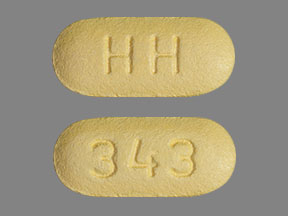
Valsartan
Generic name: valsartan [ val-SAR-tan ]
Brand name: Diovan
Dosage forms: oral liquid (4 mg/mL), oral tablet (160 mg; 320 mg; 40 mg; 80 mg)
Drug class: Angiotensin receptor blockers
What is valsartan?
Diovan is used to treat high blood pressure (hypertension) in adults and children who are at least 1 year old. Lowering blood pressure may lower your risk of a stroke or heart attack.
Valsartan is used to treat high blood pressure (hypertension) in adults and children who are at least 6 year old. Lowering blood pressure may lower your risk of a stroke or heart attack.
Valsartan is also used in adults to treat heart failure and lower your risk of needing to be hospitalized, and to lower your risk of death after a heart attack.
Valsartan may also be used for purposes not listed in this medication guide.
Valsartan side effects
Get emergency medical help if you have signs of an allergic reaction: hives; difficult breathing; swelling of your face, lips, tongue, or throat.
Valsartan may cause serious side effects. Call your doctor at once if you have:
-
a light-headed feeling, like you might pass out;
-
little or no urination; or
-
high blood potassium--nausea, weakness, tingly feeling, chest pain, irregular heartbeats, loss of movement.
Common side effects of valsartan may include:
-
high blood potassium;
-
headache, dizziness, feeling light-headed;
-
cough, flu symptoms, tiredness;
-
stomach pain, diarrhea;
-
back pain, joint pain; or
-
abnormal kidney test.
This is not a complete list of side effects and others may occur. Call your doctor for medical advice about side effects. You may report side effects to FDA at 1-800-FDA-1088.
Related/similar drugs
amlodipine, lisinopril, metoprolol, losartan, aspirin, furosemide, carvedilol
Warnings
Do not use if you are pregnant. Stop using valsartan and tell your doctor right away if you become pregnant.
If you have diabetes, do not take valsartan with any medication that contains aliskiren (a blood pressure medicine).
Before taking this medicine
You should not use valsartan if you are allergic to it.
If you have diabetes, do not take valsartan with any medication that contains aliskiren (a blood pressure medicine).
You may also need to avoid taking valsartan with aliskiren if you have kidney disease.
Tell your doctor if you have ever had:
-
a heart condition other than one being treated with valsartan;
-
if you are on a low-salt diet;
-
kidney disease (or if you are on dialysis).
Do not use if you are pregnant. Stop using the medicine and tell your doctor right away if you become pregnant. Valsartan can cause injury or death to the unborn baby if you take the medicine during your second or third trimester.
Do not breastfeed.
How should I take valsartan?
Follow all directions on your prescription label and read all medication guides or instruction sheets. Your doctor may occasionally change your dose. Use the medicine exactly as directed.
Take the medicine at the same time each day, with or without food.
For a child who cannot swallow a tablet whole, a pharmacist can mix the medicine into a liquid.
Your dose needs may change if you switch to a different form of valsartan. Avoid medication errors by using only the medicine your doctor prescribes.
Shake the oral suspension (liquid) for 10 seconds before you measure a dose. Measure a dose with the supplied measuring device (not a kitchen spoon).
Doses are based on weight in children and teenagers. Your child's dose may change if the child gains or loses weight.
Your blood pressure will need to be checked often. Your kidney function may also need to be checked.
Call your doctor if you are sick with vomiting or diarrhea, or if you are sweating more than usual. You can easily become dehydrated while taking valsartan.
It may take 2 to 4 weeks before your blood pressure is under control. If you have high blood pressure, keep using this medicine even if you feel well. High blood pressure often has no symptoms.
Your treatment may also include diet, exercise, lifestyle changes, and other medications. Follow your doctor's instructions very carefully.
Store the tablets or the oral suspension at room temperature away from moisture and heat.
Keep valsartan oral suspension in the bottle tightly closed when not in use.
Valsartan dosing information
Usual Adult Dose for Congestive Heart Failure:
Initial dose: 40 mg orally twice a day
Maintenance dose: 80 to 160 mg twice a day. The dose should be increased to the highest dose tolerated by the patient.
Usual Adult Dose for Hypertension:
Initial dose: 80 to 160 mg orally once a day.
Maintenance dose: 80 to 320 mg orally once a day
Usual Adult Dose for Myocardial Infarction:
Initial dose: 20 mg orally twice a day
Maintenance dose: The initial dosage may be titrated upward within 7 days to 40 mg twice daily, with subsequent titrations to a target maintenance dose of 160 mg twice a day as tolerated by the patient. If symptomatic hypotension or renal dysfunction occurs, consideration should be given to a dosage reduction.
Comment: Valsartan may be initiated as early as 12 hours after a myocardial infarction, and may be given with other standard postmyocardial infarction treatment, including thrombolytics, aspirin, beta blockers, and statins.
Usual Pediatric Dose for Hypertension:
6 to 16 years:
Initial dose: 1.3 mg/kg once a day (up to 40 mg)
Maintenance dose: up to 2.7 mg/kg (up to 160 mg) once a day titrated according to patient response
Comments:
-If the calculated dosage does not correspond to the available tablet strengths, or if children are unable to swallow tablets, the use of a suspension (which can be prepared from the tablets) is recommended. The valsartan dose may need to be increased if the suspension is replaced by a tablet.
-No data are available in pediatric patients either undergoing dialysis or with a glomerular filtration rate less than 30 mL/min.
What happens if I miss a dose?
Take the medicine as soon as you can, but skip the missed dose if it is almost time for your next dose. Do not take two doses at one time.
What happens if I overdose?
Seek emergency medical attention or call the Poison Help line at 1-800-222-1222.
Overdose symptoms may include irregular heart rate or low blood pressure (feeling like you might pass out).
What should I avoid while taking valsartan?
Do not take potassium supplements or use salt substitutes, unless your doctor has told you to.
Avoid getting up too fast from a sitting or lying position, or you may feel dizzy.
What other drugs will affect valsartan?
Tell your doctor about all your other medicines, especially:
-
lithium;
-
ritonavir;
-
an antibiotic--rifamycin, rifabutin, rifampin, rifapentine;
-
a diuretic or "water pill" or other heart or blood pressure medication; or
-
NSAIDs (nonsteroidal anti-inflammatory drugs)--aspirin, ibuprofen (Advil, Motrin), naproxen (Aleve), celecoxib, diclofenac, indomethacin, meloxicam, and others.
This list is not complete and many other drugs may affect valsartan. This includes prescription and over-the-counter medicines, vitamins, and herbal products. Not all possible drug interactions are listed here.
Frequently asked questions
- Losartan vs Valsartan - What's the difference between them?
- What is the strength of Prexxartan (valsartan) oral solution?
More about valsartan
- Check interactions
- Compare alternatives
- Pricing & coupons
- Reviews (145)
- Drug images
- Latest FDA alerts (9)
- Side effects
- Dosage information
- Patient tips
- During pregnancy
- Support group
- Drug class: angiotensin receptor blockers
- Breastfeeding
- En español
Patient resources
Other brands
Professional resources
Other brands
Related treatment guides
Further information
Remember, keep this and all other medicines out of the reach of children, never share your medicines with others, and use this medication only for the indication prescribed.
Always consult your healthcare provider to ensure the information displayed on this page applies to your personal circumstances.
Copyright 1996-2024 Cerner Multum, Inc. Version: 18.02.