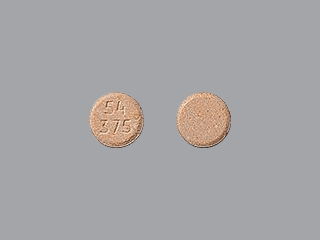
Buprenorphine and naloxone (oral/sublingual)
Generic name: buprenorphine and naloxone (oral/sublingual) [ BUE-pre-NOR-feen-and-nal-OX-one ]
Brand names: Suboxone, Zubsolv, Bunavail
Dosage forms: sublingual film (12 mg-3 mg; 2 mg-0.5 mg; 4 mg-1 mg; 8 mg-2 mg), sublingual tablet (0.7 mg-0.18 mg; 1.4 mg-0.36 mg; 11.4 mg-2.9 mg; 2 mg-0.5 mg; 2.9 mg-0.71 mg; 5.7 mg-1.4 mg; 8 mg-2 mg; 8.6 mg-2.1 mg)
Drug class: Narcotic analgesic combinations
What is buprenorphine and naloxone?
Buprenorphine and naloxone is a combination medicine used to treat opioid addiction. Buprenorphine and naloxone is not for use as a pain medication.
Buprenorphine and naloxone may also be used for purposes not listed in this medication guide.
Buprenorphine and naloxone side effects
Get emergency medical help if you have signs of an allergic reaction: hives; difficult breathing; swelling of your face, lips, tongue, or throat.
Opioid medicine can slow or stop your breathing, and death may occur. A person caring for you should give naloxone and/or seek emergency medical attention if you have slow breathing with long pauses, blue colored lips, or if you are hard to wake up.
Call your doctor at once or seek emergency medical attention if you have:
-
any problems with your teeth or gums;
-
weak or shallow breathing, breathing that stops during sleep;
-
a light-headed feeling, like you might pass out;
-
confusion, loss of coordination, extreme weakness;
-
blurred vision, slurred speech;
-
liver problems--upper stomach pain, loss of appetite, dark urine, clay-colored stools, jaundice (yellowing of the skin or eyes);
-
high levels of serotonin in the body--agitation, hallucinations, fever, sweating, shivering, fast heart rate, muscle stiffness, twitching, loss of coordination, nausea, vomiting, diarrhea;
-
low cortisol levels--nausea, vomiting, loss of appetite, dizziness, worsening tiredness or weakness; or
-
opioid withdrawal symptoms--shivering, goose bumps, increased sweating, feeling hot or cold, runny nose, watery eyes, diarrhea, muscle pain.
Serious breathing problems may be more likely in older adults and those who are debilitated or have wasting syndrome or chronic breathing disorders.
Common side effects of buprenorphine and naloxone may include:
-
dizziness, drowsiness, blurred vision, feeling drunk, trouble concentrating;
-
withdrawal symptoms;
-
tongue pain, redness or numbness inside your mouth;
-
nausea, vomiting, constipation;
-
headache, back pain;
-
fast or pounding heartbeats, increased sweating; or
-
sleep problems (insomnia).
This is not a complete list of side effects and others may occur. Call your doctor for medical advice about side effects. You may report side effects to FDA at 1-800-FDA-1088.
Related/similar drugs
Warnings
MISUSE OF OPIOID MEDICINE CAN CAUSE ADDICTION, OVERDOSE, OR DEATH. Keep the medication in a place where others cannot get to it.
Fatal side effects can occur if you use buprenorphine and naloxone with alcohol, or with other drugs that cause drowsiness or slow your breathing.
Before taking this medicine
You should not use this medicine if you are allergic to buprenorphine or naloxone (Narcan).
Tell your doctor if you have ever had:
-
tooth problems, including a history of cavities;
-
breathing problems, sleep apnea;
-
enlarged prostate, urination problems;
-
liver or kidney disease;
-
abnormal curvature of the spine that affects breathing;
-
problems with your gallbladder, adrenal gland, or thyroid;
-
a head injury, brain tumor, or seizures; or
-
alcoholism or drug addiction.
If you use opioid medicine while you are pregnant, your baby could become dependent on the drug. This can cause life-threatening withdrawal symptoms in the baby after it is born. Babies born dependent on opioids may need medical treatment for several weeks.
Ask a doctor before using opioid medicine if you are breastfeeding. Tell your doctor if you notice severe drowsiness or slow breathing in the nursing baby.
How should I take buprenorphine and naloxone?
Follow the directions on your prescription label and read all medication guides. Never use buprenorphine and naloxone in larger amounts, or for longer than prescribed. Tell your doctor if you feel an increased urge to use more of buprenorphine and naloxone.
Never share opioid medicine with another person, especially someone with a history of drug abuse or addiction. MISUSE CAN CAUSE ADDICTION, OVERDOSE, OR DEATH. Keep the medicine in a place where others cannot get to it. Selling or giving away opioid medicine is against the law.
Read and carefully follow any Instructions for Use provided with your medicine. Ask your doctor or pharmacist if you do not understand these instructions.
Rinse your mouth with water after buprenorphine and naloxone dissolves. Wait one hour after the medicine dissolves to brush your teeth to prevent damage to the teeth and gums. You should receive regular dental checkups while taking buprenorphine and naloxone.
If you switch between medicines containing buprenorphine, you may not use the same dose for each one. Follow all directions carefully.
Do not stop using buprenorphine and naloxone suddenly, or you could have unpleasant withdrawal symptoms. Ask your doctor how to safely stop using this medicine.
You will need frequent blood tests to check your liver function.
All your medical care providers should know that you are being treated for opioid addiction, and that you take buprenorphine and naloxone. Make sure your family members know how to provide this information in case they need to speak for you during an emergency.
Never crush or break a buprenorphine and naloxone pill to inhale the powder or mix it into a liquid to inject the drug into your vein. This practice has resulted in death.
Store this medicine in the foil pouch at room temperature, away from moisture and heat. Discard an empty pouch in a place children and pets cannot get to. Keep track of your medicine. You should be aware if anyone is using it improperly or without a prescription.
Do not keep leftover opioid medication. Just one dose can cause death in someone using this medicine accidentally or improperly. Ask your pharmacist where to locate a drug take-back disposal program. If there is no take-back program, remove any unused films from the foil pack and flush the films down the toilet. Throw the empty foil pack into the trash.
What happens if I miss a dose?
Take the medicine as soon as you can, but skip the missed dose if it is almost time for your next dose. Do not take two doses at one time.
What happens if I overdose?
Seek emergency medical attention or call the Poison Help line at 1-800-222-1222. An opioid overdose can be fatal, especially in a child or other person using the medicine without a prescription. Overdose symptoms may include severe drowsiness, pinpoint pupils, slow breathing, or no breathing.
What should I avoid while taking buprenorphine and naloxone?
Do not drink alcohol. Dangerous side effects or death could occur.
Avoid driving or operating machinery until you know how buprenorphine and naloxone will affect you. Dizziness or severe drowsiness can cause falls, accidents, or severe injuries.
What other drugs will affect buprenorphine and naloxone?
You may have breathing problems or withdrawal symptoms if you start or stop taking certain other medicines. Tell your doctor if you also use an antibiotic, antifungal medication, heart or blood pressure medication, seizure medication, or medicine to treat HIV or hepatitis C.
Opioid medication can interact with many other drugs and cause dangerous side effects or death. Be sure your doctor knows if you also use:
-
cold or allergy medicines, bronchodilator asthma/COPD medication, or a diuretic ("water pill");
-
medicines for motion sickness, irritable bowel syndrome, or overactive bladder;
-
other opioids--pain medicine or prescription cough medicine;
-
a sedative like Valium--diazepam, alprazolam, lorazepam, Xanax, Klonopin, Ativan, and others;
-
drugs that make you sleepy or slow your breathing--a sleeping pill, muscle relaxer, medicine to treat mood disorders or mental illness; or
-
drugs that affect serotonin levels in your body--a stimulant, or medicine for depression, Parkinson's disease, migraine headaches, serious infections, or nausea and vomiting.
This list is not complete. Other drugs may affect buprenorphine and naloxone, including prescription and over-the-counter medicines, vitamins, and herbal products. Not all possible interactions are listed here.
Popular FAQ
What are the different types of buprenorphine/naloxone?
Buprenorphine and naloxone is a combination medicine used for the maintenance treatment of opioid dependence in adults. It is available in sublingual film and sublingual tablet dosage forms under the brand names Suboxone, Zubsolv, Bunavail (discontinued), and Cassipa (discontinued). Continue reading
More FAQ
- Can Bunavail (buprenorphine/naloxone) be cut in half?
- How long does Bunavail block opiates?
- Are Bunavail and Suboxone the same thing?
- How long does Bunavail (buprenorphine/naloxone) take to dissolve?
- What is the difference between Cassipa and Suboxone sublingual film?
- How long does Bunavail (buprenorphine/naloxone) last?
More about buprenorphine / naloxone
- Check interactions
- Compare alternatives
- Pricing & coupons
- Reviews (1,135)
- Drug images
- Latest FDA alerts (2)
- Side effects
- Dosage information
- Patient tips
- During pregnancy
- Support group
- Drug class: narcotic analgesic combinations
- En español
Patient resources
Other brands
Suboxone, Zubsolv, Bunavail, Cassipa
Professional resources
- Buprenorphine Buccal Film prescribing information
- Buprenorphine and Naloxone Sublingual Film (FDA)
- Buprenorphine and Naloxone Sublingual Tablets (FDA)
Other brands
Related treatment guides
Further information
Remember, keep this and all other medicines out of the reach of children, never share your medicines with others, and use this medication only for the indication prescribed.
Always consult your healthcare provider to ensure the information displayed on this page applies to your personal circumstances.
Copyright 1996-2025 Cerner Multum, Inc. Version: 13.01.