
Traveler's Diarrhea
Medically reviewed by Drugs.com. Last updated on Aug 4, 2025.
What should I know about traveler's diarrhea?
Traveler's diarrhea occurs during travel or within 10 days after you travel. You can get traveler's diarrhea when you eat or drink contaminated food or water. The food or water may contain bacteria, a virus, or a parasite. Water from a faucet, ice, or drinks that are not sealed can be contaminated. Foods that are prepared with tap water or not cooked properly can also be contaminated.
What increases my risk for traveler's diarrhea?
- Travel to South Asia, Southeast Asia, Africa, Central America, South America, or Mexico
- Medicines that decrease stomach acid
- Conditions that weaken the immune system, such as HIV or AIDS
- Eating food from street vendors
- Hiking or camping outdoors
What other signs or symptoms might I have?
You may have 3 or more episodes of diarrhea. It may be hard for you to control your diarrhea. You may also have any of the following:
- Cramps or pain in your abdomen
- Nausea or vomiting
- Feeling full or bloated
- Fever or tiredness
How is traveler's diarrhea diagnosed and treated?
Your healthcare provider will examine you. A sample of your bowel movement may be taken if your symptoms last for more than 2 weeks. The sample can be tested for the germ that is causing your diarrhea. Your blood may also be tested for the germ. You may need medicine to treat an infection caused by bacteria or a parasite. You may also need medicine to help slow or stop diarrhea.
Related medications
Treatment options
The following list of medications are related to or used in the treatment of this condition.
What can I do to manage my symptoms?
- Drink liquids as directed. Liquids will help prevent dehydration caused by diarrhea. Ask your healthcare provider how much liquid to drink each day and which liquids are best for you. You may need to drink an oral rehydration solution (ORS). An ORS has the right amounts of water, salts, and sugar you need to replace body fluids. You can buy an ORS at most grocery stores and pharmacies.
- Eat foods that are easy to digest. Examples include rice, lentils, cereal, bananas, potatoes, and bread. It also includes some fruits (bananas, melon), well-cooked vegetables, and lean meats. Do not drink alcohol until your diarrhea is gone.
How can I help prevent traveler's diarrhea?
- Ask if you should take certain medicines or get vaccines before you travel. Your healthcare provider may prescribe antibiotics to prevent traveler's diarrhea. Vaccines can help protect you against bacteria or viruses that cause traveler's diarrhea.
- Drink only bottled, canned, or boiled liquids when you travel. Do not put ice in your drinks. Boil water for at least 4 minutes, or use purifying tablets to treat the water. Use bottled or treated water to brush your teeth.
- Do not eat raw food or dairy when you travel. Examples include fruits, raw vegetables in salads, oysters, clams, or undercooked meat. Do not have milk, ice cream, or other dairy products. Eat foods that are served hot or steaming, breads, peeled fruits and vegetables, and grilled foods.
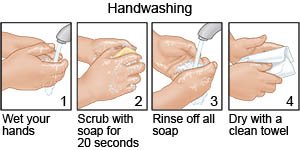
- Wash your hands often. Use bottled water and soap. Wash your hands before you eat or prepare food. Also wash your hands after you use the bathroom.
When should I seek immediate care?
- You urinate less than usual or stop urinating.
- You see blood in your bowel movement.
- You have severe abdominal pain.
- You feel like you are going to faint.
- You are too weak to stand up.
- You are dizzy or lightheaded.
When should I contact my healthcare provider?
- Your symptoms do not get better with treatment.
- Your diarrhea lasts for more than 7 days.
- You have questions or concerns about your condition or care.
Care Agreement
You have the right to help plan your care. Learn about your health condition and how it may be treated. Discuss treatment options with your healthcare providers to decide what care you want to receive. You always have the right to refuse treatment. The above information is an educational aid only. It is not intended as medical advice for individual conditions or treatments. Talk to your doctor, nurse or pharmacist before following any medical regimen to see if it is safe and effective for you.© Copyright Merative 2025 Information is for End User's use only and may not be sold, redistributed or otherwise used for commercial purposes.
Learn more about Traveler's Diarrhea
Treatment options
- Medications for Infectious Gastroenteritis
- Medications for Inflammatory Bowel Disease
- Medications for Traveler's Diarrhea
Care guides
- Chronic Diarrhea
- Crohn Disease
- Enteritis
- Gastroenteritis
- Gastroenteritis in Children
- Giardiasis
- Infectious Colitis
Symptoms and treatments
Medicine.com guides (external)
Further information
Always consult your healthcare provider to ensure the information displayed on this page applies to your personal circumstances.