
Gastroenteritis in Children
Medically reviewed by Drugs.com. Last updated on Sep 1, 2024.
What is gastroenteritis?
Gastroenteritis, or stomach flu, is an infection of the stomach and intestines. Gastroenteritis is caused by bacteria, parasites, or viruses. Rotavirus is one of the most common cause of gastroenteritis in children.
What increases my child's risk for gastroenteritis?
- Close contact with an infected person or animal
- Food poisoning, such as from eggs, raw vegetables, shellfish, or meat that is not fully cooked
- Drinking water that is not clean, such as when you camp or travel
What are the signs and symptoms of gastroenteritis?
- Diarrhea or gas
- Nausea, vomiting, or poor appetite
- Abdominal cramps, pain, or gurgling
- Fever
- Tiredness, weakness, or fussiness
- Headaches or muscle aches with any of the above symptoms
How is gastroenteritis diagnosed?
Your child's healthcare provider will examine your child. The provider will check for signs of dehydration. The provider will also ask you how often your child is vomiting or has diarrhea. Tell the provider how much your child is drinking and urinating. Your child may need a blood or bowel movement sample tested for the germ causing his or her gastroenteritis.
How is gastroenteritis managed?
Gastroenteritis often clears up on its own. Medicine is usually not needed to treat gastroenteritis in children. The following will help prevent or treat dehydration:
- Continue to feed your baby formula or breast milk. Be sure to refrigerate any breast milk or formula that you do not use right away. Formula or milk that is left at room temperature may make your child more sick. Your baby's healthcare provider may suggest that you give him or her an oral rehydration solution (ORS). An ORS contains water, salts, and sugar that are needed to replace lost body fluids. Ask what kind of ORS to use, how much to give your baby, and where to get it.
- Give your child liquids as directed. Ask how much liquid to give your child each day and which liquids are best for him or her. Your child may need to drink more liquids than usual to prevent dehydration. Have him or her suck on popsicles, ice, or take small sips of liquids often if he or she has trouble keeping liquids down. Your child may need an ORS. Ask what kind of ORS to use, how much to give your child, and where to get it.
- Feed your child bland foods. Offer your child bland foods, such as bananas, apple sauce, soup, rice, bread, or potatoes. Do not give your child dairy products or sugary drinks until he or she feels better.
How can I help prevent gastroenteritis?
Gastroenteritis can spread easily. If your child is sick, keep him or her home from school or daycare. Keep your child, yourself, and your surroundings clean to help prevent the spread of gastroenteritis:
- Wash your and your child's hands often. Use soap and water. Remind your child to wash his or her hands after he or she uses the bathroom, sneezes, or eats.
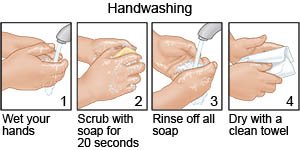
- Clean surfaces and do laundry often. Wash your child's clothes and towels separately from the rest of the laundry. Clean surfaces in your home with antibacterial cleaner or bleach.
- Clean food thoroughly and cook safely. Wash raw vegetables before you cook. Cook meat, fish, and eggs fully. Do not use the same dishes for raw meat as you do for other foods. Refrigerate any leftover food immediately.
- Be aware when you camp or travel. Give your child only clean water. Do not let your child drink from rivers or lakes unless you purify or boil the water first. When you travel, give your child bottled water and do not add ice. Do not let him or her eat fruit that has not been peeled. Avoid raw fish or meat that is not fully cooked.
- Ask about immunizations. You can have your child immunized for rotavirus. This vaccine is given in drops that your child swallows. Ask your healthcare provider for more information.
Treatment options
The following list of medications are related to or used in the treatment of this condition.
Call 911 for any of the following:
- Your child has trouble breathing or a very fast pulse.
- Your child has a seizure.
- Your child is very sleepy, or you cannot wake him or her.
When should I seek immediate care?
- You see blood in your child's diarrhea.
- Your child's legs or arms feel cold or look blue.
- Your child has severe abdominal pain.
- Your child has any of the following signs of dehydration:
- Dry or stick mouth
- Few or no tears
- Eyes that look sunken
- Soft spot on the top of your child's head looks sunken
- No urine or wet diapers for 6 hours in an infant
- No urine for 12 hours in an older child
- Cool, dry skin
- Tiredness, dizziness, or irritability
When should I contact my child's healthcare provider?
- Your child has a fever of 102°F (38.9°C) or higher.
- Your child will not drink.
- Your child continues to vomit or have diarrhea, even after treatment.
- You see worms in your child's diarrhea.
- You have questions or concerns about your child's condition or care.
Care Agreement
You have the right to help plan your child's care. Learn about your child's health condition and how it may be treated. Discuss treatment options with your child's healthcare providers to decide what care you want for your child. The above information is an educational aid only. It is not intended as medical advice for individual conditions or treatments. Talk to your doctor, nurse or pharmacist before following any medical regimen to see if it is safe and effective for you.© Copyright Merative 2024 Information is for End User's use only and may not be sold, redistributed or otherwise used for commercial purposes.
Learn more about Gastroenteritis
Treatment options
- Medications for Allergic Colitis
- Medications for Gastroenteritis
- Medications for Infection
- Medications for Infectious Gastroenteritis
- Medications for Inflammatory Bowel Disease
- Medications for Noninfectious Colitis
Care guides
- Crohn Disease
- Enteritis
- Food Poisoning
- Gastroenteritis
- Giardiasis
- Infectious Colitis
- Salmonella Infection
Medicine.com guides (external)
Further information
Always consult your healthcare provider to ensure the information displayed on this page applies to your personal circumstances.