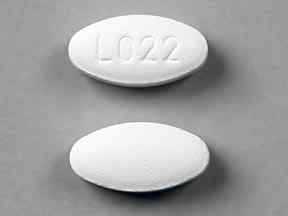
Cimetidine
Generic name: cimetidine [ sye-ME-ti-deen ]
Brand names: Tagamet HB, Tagamet
Dosage forms: oral liquid (300 mg/5 mL), oral tablet (200 mg; 300 mg; 400 mg; 800 mg)
Drug class: H2 antagonists
What is cimetidine?
Cimetidine is a stomach acid reducer that is used to treat and prevent certain types of stomach ulcer. Cimetidine is also used to treat gastroesophageal reflux disease (GERD), when stomach acid backs up into the esophagus and causes heartburn.
Over-the-counter (nonprescription) cimetidine is used to treat heartburn with sour stomach and acid indigestion, or to prevent these conditions when caused by certain foods or beverages.
Cimetidine may also be used for purposes not listed in this medication guide.
Cimetidine side effects
Get emergency medical help if you have signs of an allergic reaction (hives, difficult breathing, swelling in your face or throat) or a severe skin reaction (fever, sore throat, burning in your eyes, skin pain, red or purple skin rash that spreads and causes blistering and peeling).
cimetidine may cause serious side effects. Stop using cimetidine and call your doctor at once if you have:
-
pain when swallowing;
-
bloody or tarry stools, cough with bloody mucus or vomit that looks like coffee grounds;
-
changes in mood, anxiety, agitation;
-
confusion, hallucinations; or
-
breast swelling or tenderness.
Serious side effects may be more likely in older adults and those who are ill or debilitated.
Common side effects of cimetidine may include:
-
headache; or
-
diarrhea.
This is not a complete list of side effects and others may occur. Call your doctor for medical advice about side effects. You may report side effects to FDA at 1-800-FDA-1088.
Related/similar drugs
Warnings
Follow all directions on your medicine label and package. Tell each of your healthcare providers about all your medical conditions, allergies, and all medicines you use.
Before taking this medicine
Heartburn can mimic early symptoms of a heart attack. Get emergency medical help if you have chest pain that spreads to your jaw or shoulder and you feel anxious or light-headed.
You should not use cimetidine if you are allergic to cimetidine or other stomach acid reducers (such as ranitidine, famotidine, Zantac, Axid, and others)
Ask a doctor or pharmacist if cimetidine is safe to use if you have:
-
stomach pain, nausea, and vomiting;
-
trouble swallowing;
-
frequent chest pain;
-
heartburn with wheezing;
-
unexplained weight loss;
-
heartburn lasting longer than 3 months; or
-
liver or kidney disease.
Ask a doctor before using this medicine if you are pregnant.
You should not breastfeed while using cimetidine.
Do not give this medicine to a child without medical advice.
How should I take cimetidine?
Use exactly as directed on the label, or as prescribed by your doctor.
Cimetidine is usually taken with meals or at bedtime.
To prevent heartburn from foods or beverages, take cimetidine within 30 minutes before eating or drinking.
Take this medicine with a full glass of water.
Measure liquid medicine carefully. Use the dosing syringe provided, or use a medicine dose-measuring device (not a kitchen spoon).
It may take up to 8 weeks for an ulcer to heal. Use this medicine for the full prescribed length of time, even if your symptoms quickly improve.
Your ulcer may take longer to heal if you smoke cigarettes.
Call your doctor if your symptoms do not improve, or if they get worse.
Do not take over-the-counter cimetidine for longer than 14 days without your doctor's advice.
Store at room temperature away from moisture, heat, and light.
What happens if I miss a dose?
Take the medicine as soon as you can, but skip the missed dose if it is almost time for your next dose. Do not take two doses at one time.
What happens if I overdose?
Seek emergency medical attention or call the Poison Help line at 1-800-222-1222.
What should I avoid while taking cimetidine?
Avoid taking other medications within 2 hours before or 2 hours after you take cimetidine. Cimetidine can make it harder for your body to absorb certain medicines you take by mouth.
Ask your doctor before using other stomach acid reducers or antacids, and use only the type your doctor recommends.
What other drugs will affect cimetidine?
Ask a doctor or pharmacist before using cimetidine with any other medications, especially:
-
an antidepressant; or
-
heart or blood pressure medicine--nifedipine, propranolol; or
-
a sedative--chlordiazepoxide, diazepam.
This list is not complete and many other drugs may affect cimetidine, or be made less effective when taken at the same time as cimetidine. This includes prescription and over-the-counter medicines, vitamins, and herbal products. Not all possible drug interactions are listed here.
Frequently asked questions
More about cimetidine
- Check interactions
- Compare alternatives
- Pricing & coupons
- Reviews (22)
- Drug images
- Side effects
- Dosage information
- During pregnancy
- Drug class: H2 antagonists
- Breastfeeding
- En español
Patient resources
Other brands
Professional resources
- Cimetidine, Cimetidine Hydrochloride monograph
- Cimetidine (FDA)
- Cimetidine Injection (FDA)
- Cimetidine Tablets (FDA)
Related treatment guides
Further information
Remember, keep this and all other medicines out of the reach of children, never share your medicines with others, and use this medication only for the indication prescribed.
Always consult your healthcare provider to ensure the information displayed on this page applies to your personal circumstances.
Copyright 1996-2025 Cerner Multum, Inc. Version: 9.01.