MOBIC 7.5MG TABLETS
Active substance: MELOXICAM
View full screen / Print PDF » Download PDF ⇩
Transcript
25/07112
PACKAGE LEAFLET: INFORMATION FOR THE USER
Mobic 7.5 mg tablets
Meloxicam
BI logo
Read all of this leaflet carefully before you start taking this medicine.
Keep this leaflet. You may need to read it again. If you have any further questions, ask your doctor or pharmacist. This medicine has been prescribed for you. Do not pass it on to others. It may harm them, even if their symptoms are the same as yours. If any of the side effects gets serious, or if you notice any side effects not listed in this leaflet, please tell your doctor or pharmacist.
In this leaflet:
I. 2. 3. 4. 5. 6. What MOBIC is and what it is used for Before you take MOBIC How to take MOBIC Possible side effects How to store MOBIC Further information
l.
WHAT MOBIC IS AND WHAT IT IS USED FOR
MOBIC contains the active substance meloxicam. Meloxicam belongs to a group of medicines called non-steroidal anti-inflammatory drugs (NSAIDs) which are used to reduce inflammation and pain in joints and muscles. MOBIC is used for the: short-term treatment of flare-ups of osteoarthritis long-term treatment of rheumatoid arthritis ankylosing spondylitis (also known as Bechterew's Disease)
2. BEFORE YOU TAKE MOBIC Do not take MOBIC if any of the following apply:
during the last three months of pregnancy children and adolescents under 16 years of age allergy (hypersensitivity) to meloxicam allergy (hypersensitivity) to aspirin or other anti-inflammatory medicines (NSAlDs) allergy (hypersensitivity) to any of the other ingredients of MOBIC. (See section 6 "Further information" for a list of other ingredients) any of the following signs after taking aspirin or other NSAlDs: wheezing, chest tightness, breathlessness (asthma) nasal blockage due to swellings in the lining in your nose (nasal polyps) skin rashes/nettle rash (urticaria) sudden skin or mucosal swelling, such as swelling around the eyes, face, lips, mouth or throat, possibly making breathing difficult (angioneurotic oedema) after previous therapy with NSAIDs and history of bleeding in your stomach or intestines holes (perforations) in your stomach or intestines ulcers or a bleeding in your stomach or intestines recent or history of stomach or peptic ulcers or bleeding (ulceration or bleeding occurring at least
twice) serious liver disease serious kidney disease and not undergoing dialysis recent bleeding in the brain (cerebrovascular bleeding) any kind of bleeding disorders severe heart failure intolerance to some sugars as this product contains lactose (see also "Important information about some of the ingredients of MOBIC") If you are unsure whether any of the above apply to you, please contact your doctor.
Take special care with MOBIC Warnings
Medicines such as MOBrC may be associated with a small increased risk of heart attack (myocardial infarction) or stroke (apoplexy). Any risk is more likely with high doses and prolonged treatment. Do not take more than the recommended dose. Do not take MOBIC for longer than it is prescribed for you (see section 3 "How to take MOBIC"). If you have heart problems, previous stroke or think that you might be at risk of these conditions, you should discuss your treatment with your doctor or pharmacist. For example if you: have high blood pressure (hypertension) have high levels of sugar in the blood (diabetes mellitus) have high levels of cholesterol in the blood (hypercholesterolemia) are a smoker If you develop severe allergic reactions, you should discontinue MOBIC at first appearance of skin rash, lesions of soft tissues (mucosal lesions), or any other sign of allergy, and contact your doctor. Stop your treatment with MOBIC immediately as soon as you notice bleeding (causing tar-coloured stools) or ulceration of your digestive tract (causing abdominal pain). MOBIC is not appropriate, if you require immediate relief from acute pain. MOBIC may hide the symptoms of infection (e.g. fever). If you think you may have an infection you should see your doctor.
Precautions for use
As it will be necessary to adjust the treatment, it is important to ask your doctor's advice before you take MOBIC in case of: history of inflammation of the gullet (oesophagitis), inflammation of the stomach (gastritis) or a history of any other disease of the digestive tract, e.g. Crohn's Disease or Ulcerative Colitis high blood pressure (hypertension) older age heart, liver or kidney disease high levels of sugar in the blood (diabetes mellitus) reduced blood volume (hypovolaemia) which may occur if you have a serious blood loss or bum, surgery or low fluid intake intolerance to some sugars diagnosed by your doctor as this product contains lactose high potassium levels in the blood previously diagnosed by your doctor Your doctor will need to monitor your progress whilst on treatment.
Taking other medicines
As MOBrC may affect or be affected by other medicines, please tell your doctor or pharmacist if you are
2
taking or have recently taken any other medicines, including medicines obtained without a prescription. In particular please tell your doctor or pharmacist if you are taking/have taken, or are using any of the following: other NSAIDs medicines which prevent blood clotting (e.g. warfarin, heparin) medicines which break down blood clots (thrombolytics) medicines to treat heart and kidney diseases corticosteroids (e.g. used against inflammation or allergic reactions) - cyclosporin - used after organ transplants, or for severe skin conditions, rheumatoid arthritis or nephrotic syndrome - tacrolimus - used after organ transplants or for severe skin conditions any diuretic medicine ("water tablets") Your doctor may monitor your kidney function if you are taking diuretics. medicine to treat high blood pressure (e.g. Beta-blockers) lithium - used to treat mood disorders selective Serotonin re-uptake inhibitors (SSRls) - used in the treatment of depression methotrexate - used to treat tumours or severe uncontrolled skin conditions and active rheumatoid arthritis cholestyramine - used to lower cholesterol levels if you are a woman who uses an intrauterine contraceptive device (IUD), usually known as a coil If in doubt, ask your doctor or pharmacist.
Fertility
MOBIC may make it more difficult to become pregnant. You should inform your doctor if you are planning to become pregnant or if you have problems to become pregnant.
Pregnancy
If you become pregnant whilst using MOBIC, you should tell your doctor. During the first 6 months of pregnancy only, your doctor may prescribe you this medical product if necessary. During the last three months of pregnancy do not use this product, because MOBIC can have serious effects on your unborn child, in particular heart, lung and kidney effects, even with only one dose.
Breast-feeding
The active ingredient of this medicine is known to pass into breast-milk. recommended during breast-feeding. Ask your doctor or pharmacist for advice before taking any medicine. This product IS not
Driving and using machines
Visual disturbances, including blurred VISIon, dizziness, drowsiness, vertigo or other central nervous system disturbances may occur with this product. If affected do not drive or operate machinery.
Important information about some of the ingredients of MOBIC
This product contains milk sugar (lactose). If you have been told by your doctor that you have an intolerance to some sugars, contact your doctor before taking this medicine.
3. HOW TO TAKE MOBIC
Always take MOBIC exactly as your doctor has told you. You should check with your doctor or pharmacist if you are not sure.
3
The usual dose is:
Flare-ups of osteoarthritis: 7.5 mg (one tablet) once a day. This may be increased to 15 mg (two tablets) once a day. Rheumatoid arthritis: 15 mg (two tablets) once a day. This may be reduced to 7.5 mg (one tablet) once a day. Ankylosing spondylitis: 15 mg (two tablets) once a day. This may be reduced to 7.5 mg (one tablet) once a day.
The tablets should be swallowed with water, or another drink, during a meal.
Do not exceed the recommended maximum dose of 15 mg a day.
If any of the statements listed under the heading "Take special care with MOBIC" apply to you, your doctor may restrict your dose to 7.5 mg (one tablet) once a day.
MOBIC should not be given to children and adolescents under 16 years of age.
If you feel that the effect of MOBIC is too strong or too weak, or if after several days you do not feel any improvement in your condition, talk to your doctor or pharmacist.
If you take more MOBIC than you should
Whether you have taken too many tablets or suspect an overdose, contact your doctor or go to your nearest hospital immediately
Symptoms following acute NSAID overdose are usually limited to: lack of energy (lethargy) drowsiness feeling sick (nausea) and being sick (vomiting) pain in the area of the stomach (epigastric pain) These symptoms generally get better when you stop taking MOBIC. You may suffer from bleeding of the stomach or intestines (gastrointestinal bleeding). Severe poisoning may result in serious drug reaction (see section 4.): high blood pressure (hypertension) acute kidney (renal) failure liver (hepatic) dysfunction reductionlflattening or stopping of breathing (respiratory depression) loss of consciousness (coma) seizures (convulsions) collapse of the blood circulation (cardiovascular collapse) stopping ofthe heart (cardiac arrest) immediate allergic (hypersensitivity) reactions, including: fainting shortness of breath - skin reactions
If you forget to take MOBIC
Do not take a double dose to make up for a forgotten dose. Just take the next dose at the usual time. If you have any further questions on the use of this product, ask your doctor or pharmacist.
4
4. POSSIBLE SIDE EFFECTS
Like all medicines, MOBIC can cause side effects, although not everybody gets them.
Stop taking MOBIC and consult a doctor or your nearest hospital immediately if you notice:
Any allergic (hypersensitivity) reactions, which may appear in the form of: skin reactions, such as itching (pruritus), blistering or peeling of the skin, which can be severe (Stevens-Johnson Syndrome and toxic epidermal necrolysis), lesions of soft tissues (mucosal lesions) or erythema multiforme. Erythema multiforme is a serious allergic skin reaction causing spots, red welts or purple or blistered areas. It can also affect the mouth, eyes and other moist body surfaces. swelling of skin or mucosa, such as swelling around the eyes, face and lips, mouth or throat, possibly making breathing difficult, swollen ankles or legs (oedema of the lower limbs) shortness of breath or asthma attack inflammation ofthe liver (hepatitis). This can cause symptoms such as: - yellowing of the skin or the eyeballs Uaundice) - pain in the abdomen - loss of appetite Any side effects of the digestive tract, especially: bleeding (causing tar-coloured stools) ulceration of your digestive tract (causing abdominal pain) Bleeding of the digestive tract (gastrointestinal bleeding), formation of ulcers or formation of a hole in the digestive tract (perforation) may sometimes be severe and potentially fatal, especially in elderly.
If you have previously suffered from any symptoms of the digestive tract due to long term use of NSAIDs, seek medical advice immediately, especially if you are elderly. Your doctor may monitor your progress whilst on treatment.
If affected by visual disturbances do not drive or operate machinery.
Side effects of meloxicam - the active substance of MOBIC
Very common: affects more than 1 in 10 patients receiving the medicine indigestion (dyspepsia) feeling sick (nausea) and being sick (vomiting) abdominal pain constipation flatulence loose stools (diarrhoea)
Common: affects less than 1 in 10 patients receiving the medicine headache Uncommon: affects less than 1 in 100 patients receiving the medicine dizziness (light-headedness) a feeling of dizziness or spinning (vertigo) somnolence ( drowsiness) anaemia (reduction of the concentration ofthe red blood pigment haemoglobin) increase in blood pressure (hypertension) flushing (temporary redness of the face and neck) sodium and water retention increased potassium levels (hyperkalaemia). This can lead to symptoms such as: changes to your heartbeat (arrhythmias)
5
palpitations (when you feel your heartbeat more than usual) muscle weakness belching inflammation of the stomach (gastritis) inflammation of the mouth (stomatitis) skin rash swelling caused by fluid retention (oedema) momentary disturbance of liver function tests (e.g. raised liver enzymes like transaminases or an increase ofthe bile pigment bilirubin). Your doctor can detect these using a blood test. disturbance of laboratory tests investigating kidney (renal) function (e.g. raised creatinine or urea)
Rare: affects less than 1 in 1,000 patients receiving the medicine mood disorders nightmares abnormal blood count, including: abnormal differential blood count decreased number of white blood cells (leucocytopenia) which may lead to increased risk of infection decreased number of blood platelets (thrombocytopenia) which may lead to increased risk of bleeding or bruising ringing in the ear (tinnitus) feeling your heartbeat (palpitations) inflammation ofthe gullet (oesophagitis) nettle rash (urticaria) visual disturbances including: blurred vision conjunctivitis (inflammation of the eyeball or eyelids) inflammation of the large bowel (colitis) Very rare: affects less than 1 in 10,000 patients receiving the medicine acute failure of the kidneys (renal failure) in particular in patients with risk factors such as heart disease, diabetes or kidney disease. Other side effects (frequency not known) confusion disorientation shortness of breath and skin reactions (anaphylactic/anaphylactoid reactions) rashes caused by exposure to sunlight (photosensitivity reactions) heart failure (cardiac failure) has been reported in association with NSAID treatment complete loss of specific types of white blood cells (agranulocytosis), especially in patients who take MOBIC together with other drugs that are potentially inhibitory, depressant or destructive to a component of the bone marrow (myelotoxic drugs). This can cause: sudden fever sore throat infections
General side effects of non-steroidal anti-inflammatory medicines (NSAIDs)
The use of some non-steroidal anti-inflammatory drugs (NSAIDs) may be associated with a small increased risk of heart attack (myocardial infarction) or stroke (apoplexy), particularly at high doses and in long term treatment. The following side effects have been reported after NSAID administration: vomiting of blood (haematemesis) worsening of inflammation of the digestive tract (e.g. exacerbation of colitis or Crohn's disease)
Side effects caused by non-steroidal anti-inflammatory medicines (NSAIDs), but not yet seen after taking MOBIC
6
Changes to the kidney structure resulting in acute kidney failure: very rare cases of kidney inflammation (interstitial nephritis) death of some of the cells within the kidney (acute tubular or papillary necrosis) protein in the urine (nephrotic syndrome with proteinuria) If any of the side effects gets serious, or if you notice any side effect not listed in this leaflet, please tell your doctor or pharmacist.
5. HOW TO STORE MOBIC
Keep out ofthe reach and sight of children. Do not use MOBIC after the expiry date which is stated on the blister strip and outer carton. The expiry date refers to the last day of that month. Store in the original package in order to protect from moisture. Medicines should not be disposed of via wastewater or household waste. Ask a pharmacist how to dispose of medicines no longer required. These measures will help to protect the environment.
6. FURTHER INFORMATION
What MOBIC contains:
The active substance is: meloxicam one tablet contains 7.5 mg meloxicam. The other ingredients are: sodium citrate lactose monohydrate microcrystalline cellulose povidone anhydrous colloidal silica crospovidone magnesium stearate (see also "Important information about some of the ingredients of MOBIC" in Section 2.)
What MOBIC looks like and contents of the pack
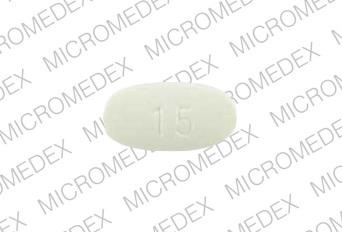
MOBIC is a light yellow, round tablet with the company logo on one side and 590/590 on the other side. Each MOBIC has a score line. The score line is only to facilitate breaking for ease of swallowing and not to divide into equal doses. MOBIC is available in PVC/PVOC/Aluminium blister packs.
Pack sizes: Packs of I, 2, 7, 10, 14, 15,20, 28, 30, 50, 60, 100, 140,280, 300, 500, 1000 tablets.
Not all pack sizes may be marketed.
Other strengths of MOBIC and other ways to take meloxicam
In some countries meloxicam is also available as: meloxicam 15 mg tablets meloxicam 7.5 mg suppositories meloxicam 15 mg suppositories meloxicam 15 mg per 1.5 mL solution for injection.
Marketing Authorisation Holder and Manufacturer
7
Marketing Authorisation Holder: Boehringer Ingelheim International GmbH 0-55216 Ingelheim am Rhein Germany Manufacturers: Boehringer Ingelheim Pharma GmbH & Co. KG Binger StraBe 173 0-55216 Ingelheim am Rhein Germany
Boehringer Ingelheim Ellas A.E. 5th km Paiania - Markopoul0 194 00 Koropi Greece
This leaflet was last revised in 07/2012.
8
Source: Medicines and Healthcare Products Regulatory Agency
Disclaimer: Every effort has been made to ensure that the information provided here is accurate, up-to-date and complete, but no guarantee is made to that effect. Drug information contained herein may be time sensitive. This information has been compiled for use by healthcare practitioners and consumers in the United States. The absence of a warning for a given drug or drug combination in no way should be construed to indicate that the drug or drug combination is safe, effective or appropriate for any given patient. If you have questions about the drugs you are taking, check with your doctor, nurse or pharmacist.