
Rheumatoid Arthritis
Medically reviewed by Drugs.com. Last updated on Jun 30, 2025.
What is rheumatoid arthritis (RA)?
RA is a long-term autoimmune disease that causes joint inflammation and damage. RA causes your body's immune system to attack the synovial membrane (lining) in your joints. RA can also affect other organs, such as your eyes, heart, or lungs. RA may also increase your risk for osteoporosis (weakened bones).
What increases my risk for RA?
- Being female
- A family history of RA
- Age between 30 and 60 years
- Smoking cigarettes
What are the signs and symptoms of RA?
- Joint pain and stiffness that lasts longer than 1 hour
- Swollen joints in the same joint on both sides of your body
- Loss of joint movement
- Firm, round nodules (growths) on your joints
- Fatigue or muscle weakness
- Loss of appetite or weight loss
How is RA diagnosed?
Your healthcare provider will examine you and check the range of motion in your joints. Tell your provider when symptoms began. Include anything that triggers symptoms, and how long they last. Tell your provider if anyone in your family has a history of RA. You may also need any of the following:
- Blood tests may be used to check for signs of infection or inflammation.
- X-ray or MRI pictures may be taken of the bones and tissues in your joints. You may be given contrast liquid as a shot into the joint to help your joint show up better. Tell the healthcare provider if you have ever had an allergic reaction to contrast liquid. Do not enter the MRI room with anything metal. Metal can cause serious injury. Tell the healthcare provider if you have any metal in or on your body.
- Arthrocentesis is a procedure used to drain fluid out of a joint. The fluid is tested for infection or other problems that can cause arthritis.
- Synovial biopsy may be used if your joint fluid cannot be drained or if you have signs of an infection. A piece of tissue is removed from the lining of a joint. The tissue is tested for possible causes of your arthritis.
Related medications
Humira
Humira is a tumor necrosis factor blocker used to treat many inflammatory conditions in adults ...
Celebrex
Celebrex is a nonsteroidal anti-inflammatory drug used to treat pain or inflammation. Learn about ...
Dupixent
Dupixent is used to treat eczema, eosinophilic or oral-corticosteroid-dependent asthma, chronic ...
Rituxan
Rituxan infusion is used to treat certain leukemias and lymphomas and some non-cancer conditions ...
Xeljanz
Xeljanz (tofacitinib) is an oral Janus kinase (JAK) inhibitor that may be used alone or with other ...
Plaquenil
Plaquenil is used to treat or prevent malaria and to treat the symptoms of rheumatoid arthritis ...
Rinvoq
Rinvoq (upadacitinib) is used to treat rheumatoid arthritis, psoriatic arthritis, atopic ...
Enbrel
Enbrel is used to treat rheumatoid arthritis, ankylosing spondylitis, and psoriasis. Learn about ...
Meloxicam
Meloxicam is a nonsteroidal anti-inflammatory drug used to treat pain or inflammation caused by ...
Prednisone
Prednisone is used to treat allergic disorders, ulcerative colitis, psoriasis and arthritis. Learn ...
How is RA treated?
The goal of treatment within the first year is remission (no pain or inflammation). If full remission cannot be reached, the goal is as few arthritis flares as possible. Early treatment can also help prevent or slow joint damage. Treatment may change after the first year, depending on how your body responds.
- Medicines: Your healthcare provider may start with 1 medicine and add medicines if you continue to have symptoms. Your provider may instead start with a combination of medicines. The medicines may be stopped one at a time as you reach and maintain remission.
- Antirheumatics help slow the progress of RA, and reduce pain, stiffness, and inflammation.
- NSAIDs , such as ibuprofen, help decrease swelling, pain, and fever. NSAIDs can cause stomach bleeding or kidney problems in certain people. If you take blood thinner medicine, always ask your healthcare provider if NSAIDs are safe for you. Always read the medicine label and follow directions.
- Steroid medicine helps reduce swelling and pain.
- Biologic therapy helps decrease joint swelling, pain, and stiffness. These medicines increase the risk of serious infection. Your provider will need to monitor you closely while you are taking these medicines.
- Surgery may be done to take out all or part of the joint and put in an artificial joint. This may help reduce pain and repair the joint. Surgery may also be done if you have a joint infection or if the bones in your spine are pressing on nerves.
Treatment options
The following list of medications are related to or used in the treatment of this condition.
What can I do to manage my symptoms?
- Rest when needed. Rest is important if your joints are painful. Limit your activities until your symptoms improve. Gradually start your normal activities when you can do them without pain. Avoid motions and activities that cause strain on your joints, such as heavy exercise and lifting.
- Use ice or heat. Both can help decrease swelling and pain. Use an ice pack, or put crushed ice in a plastic bag. Cover it with a towel and place it on your joint for 15 to 20 minutes every hour or as directed. You can apply heat for 20 minutes every 2 hours. Heat treatment includes hot packs, heat lamps, warm baths, or showers.
- Elevate your joint. Elevation helps reduce swelling and pain. Raise your joint above the level of your heart as often as you can. Prop your painful joint on pillows to keep it above your heart comfortably.

What can I do to manage RA?
- Talk to your healthcare providers about your RA medicines. Some medicines may only be needed when you have arthritis pain. You may need to take others every day to prevent arthritis from getting worse. It is important to take the medicines as directed, even if you start to feel better. You can continue to have joint damage and inflammation even if you do not feel it.
- Talk to your providers about family planning. Some RA medicines cannot be used during pregnancy or while you are breastfeeding. Some may affect a male's ability to get a female partner pregnant. If you want to prevent pregnancy, ask about birth control methods that are effective with your RA medicines.
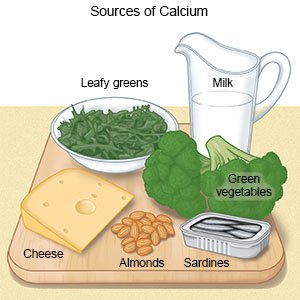
- Eat a variety of healthy foods. Healthy foods include fruits, vegetables, whole-grain breads, low-fat dairy products, beans, lean meats, and fish. Ask if you need to be on a special diet. A diet rich in calcium and vitamin D may decrease your risk of osteoporosis. Foods high in calcium include milk, cheese, broccoli, and tofu. Vitamin D may be found in meat, fish, fortified milk, cereal and bread. Ask if you need calcium or vitamin D supplements.

- Maintain a healthy weight. This may help decrease strain on joints in your back, knees, ankles, and feet. Ask your healthcare provider what a healthy weight is for you. Ask your provider to help you create a weight loss plan, if needed.
- Go to physical or occupational therapy as directed. Physical activity can help relieve pain and stiffness. A physical therapist can teach you exercises to improve flexibility and range of motion. You may also be shown non-weight-bearing exercises that are safe for your joints, such as swimming. An occupational therapist can help you learn to do your daily activities when your joints are stiff or sore.
- Do not smoke. Nicotine and other chemicals in cigarettes and cigars can damage your bones and joints. Ask your provider for information if you currently smoke and need help to quit. E-cigarettes and smokeless tobacco still contain nicotine. Talk to your provider before you use these products.
What support devices can help manage RA?
- Orthotic shoes or insoles help support your feet when you walk.
- Crutches, a cane, or a walker may help decrease your risk for falling. They also decrease stress on affected joints.
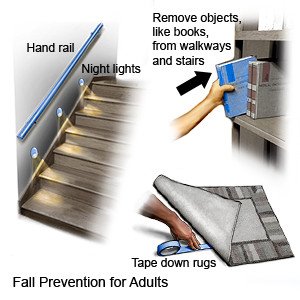
- Devices to prevent falls include raised toilet seats and bathtub bars to help you get up from sitting. Handrails can be placed in areas where you need balance and support.
- Devices to help with support and rest include splints to wear on your hands and a firm pillow while you sleep. Use a pillow that is firm enough to support your neck and head.
When should I call my doctor?
- You have a fever.
- You have increased joint swelling, pain, or redness.
- Your skin is itchy, swollen, or has a rash.
- Your symptoms are getting worse, even with treatment.
- You have questions or concerns about your condition or care.
Care Agreement
You have the right to help plan your care. Learn about your health condition and how it may be treated. Discuss treatment options with your healthcare providers to decide what care you want to receive. You always have the right to refuse treatment. The above information is an educational aid only. It is not intended as medical advice for individual conditions or treatments. Talk to your doctor, nurse or pharmacist before following any medical regimen to see if it is safe and effective for you.© Copyright Merative 2025 Information is for End User's use only and may not be sold, redistributed or otherwise used for commercial purposes.
Learn more about Rheumatoid Arthritis
Treatment options
Care guides
Symptoms and treatments
Medicine.com guides (external)
Further information
Always consult your healthcare provider to ensure the information displayed on this page applies to your personal circumstances.