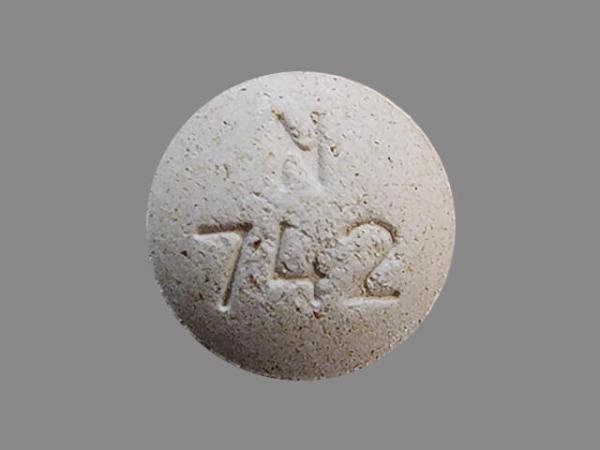
Thyroid (desiccated)
Generic name: thyroid (desiccated) [ THYE-roid ]
Brand names: Armour Thyroid, Nature-Throid, Westhroid, Thyroid Porcine
Drug class: Thyroid drugs
What is desiccated thyroid?
Desiccated thyroid is a combination of hormones that are normally produced by your thyroid gland to regulate the body's energy and metabolism. Desiccated thyroid is given when the thyroid does not produce enough of this hormone on its own.
Desiccated thyroid treats hypothyroidism (low thyroid hormone). It is also used to treat or prevent goiter (enlarged thyroid gland), and is also given as part of a medical tests for thyroid disorders.
This medicine should not be used to treat obesity or weight problems.
Warnings
You may not be able to use desiccated thyroid if you have a thyroid disorder called thyrotoxicosis, or an adrenal gland problem that is not controlled by treatment.
Tell your doctor if you are pregnant or breast-feeding.
Keep using this medicine as directed, even if you feel well. You may need to take thyroid medication for the rest of your life.
Call your doctor if you have any signs of thyroid toxicity, such as chest pain, fast or pounding heartbeats, feeling hot or nervous, or sweating more than usual.
Before taking this medicine
Since thyroid hormone occurs naturally in the body, almost anyone can take thyroid. However, you may not be able to use this medication if you have a thyroid disorder called thyrotoxicosis, or an adrenal gland problem that is not controlled by treatment.
To make sure this medicine is safe for you, tell your doctor if you have:
-
heart disease, angina (chest pain);
-
coronary artery disease;
-
congestive heart failure;
-
any type of diabetes; or
-
problems with your adrenal gland.
Desiccated thyroid is not expected to be harmful to an unborn baby, but your dose needs may be different during pregnancy. Tell your doctor if you become pregnant while taking this medicine. Small amounts of thyroid can pass into breast milk, but this is not expected to harm a nursing baby. However, do not use this medication without telling your doctor if you are breast-feeding a baby.
How should I take desiccated thyroid?
Take desiccated thyroid exactly as prescribed by your doctor. Follow all directions on your prescription label. Do not take this medicine in larger or smaller amounts or for longer than recommended.
While using desiccated thyroid, you may need frequent blood tests.
To be sure this medication is helping your condition, your blood may need to be tested often. Visit your doctor regularly.
Keep using this medicine as directed, even if you feel well. You may need to take thyroid medication for the rest of your life.
Call your doctor if you notice any signs of thyroid toxicity, such as chest pain, fast or pounding heartbeats, feeling hot or nervous, or sweating more than usual.
If you need surgery, tell the surgeon ahead of time that you are using this medicine. You may need to stop using the medicine for a short time.
Store at room temperature away from moisture and heat.
What happens if I miss a dose?
Take the missed dose as soon as you remember. Skip the missed dose if it is almost time for your next scheduled dose. Do not take extra medicine to make up the missed dose.
What happens if I overdose?
Seek emergency medical attention or call the Poison Help line at 1-800-222-1222.
Overdose symptoms may include headache, sweating, diarrhea, irregular menstrual periods, confusion, weakness, swelling in your hands or feet, fast heart rate, chest pain, feeling short of breath, fainting, or feeling nervous, restless, or irritable.
What should I avoid?
If you also take cholestyramine (Prevalite, Questran) or colestipol (Colestid), avoid taking these medications within 4 hours before or after you take this medicine.
Avoid taking an antacid within 4 hours before or after you take desiccated thyroid. Some antacids can make it harder for your body to absorb desiccated thyroid.
Desiccated thyroid side effects
Get emergency medical help if you have any signs of an allergic reaction: hives; difficult breathing; swelling of your face, lips, tongue, or throat.
Less serious side effects may include temporary hair loss (especially in children).
This is not a complete list of side effects and others may occur. Call your doctor for medical advice about side effects. You may report side effects to FDA at 1-800-FDA-1088.
Related/similar drugs
Dosing information
Usual Adult Dose for Hypothyroidism:
Initial: 30 mg orally once a day on an empty stomach. Increase by 15 mg per day every 2 to 3 weeks to achieve normal serum T3 and T4 levels.
Maintenance: 60 to 120 mg per day.
Usual Adult Dose for Thyroid Cancer:
In follicular and papillary carcinoma of the thyroid:
Doses larger than the ones suggested for replacement therapy (30 mg to 120 mg per day) are required . TSH should be suppressed to low or undetectable levels.
Usual Adult Dose for TSH Suppression:
Doses higher than those produced physiologically by the gland results in suppression of the production of endogenous hormone.
Iodine (131) uptake is determined before and after the administration of exogenous hormone. A 50% or greater suppression of uptake indicates a normal thyroid-pituitary axis and thus rules out thyroid gland autonomy.
Usual Pediatric Dose for Hypothyroidism:
Administered orally on an empty stomach:
0 to 6 months: 4.8 to 6 mg/kg/day
6 to 12 months: 3.6 to 4.8 mg/kg/day
1 to 5 years: 3 to 3.6 mg/kg/day
6 to 12 years: 2.4 to 3 mg/kg/day
>=12 years: 1.2 to 1.8 mg/kg/day
What other drugs will affect desiccated thyroid?
Tell your doctor about all medicines you use, and those you start or stop using during your treatment with desiccated thyroid, especially;
-
birth control pills or hormone replacement therapy;
-
a blood thinner such as warfarin (Coumadin, Jantoven);
-
insulin or diabetes medication you take by mouth;
-
medications that contain iodine (such as I-131);
-
salicylates such as aspirin, Nuprin Backache Caplet, Kaopectate, KneeRelief, Pamprin Cramp Formula, Pepto-Bismol, Tricosal, Trilisate; or
-
steroids such as prednisone and others.
This list is not complete. Other drugs may interact with desiccated thyroid, including prescription and over-the-counter medicines, vitamins, and herbal products. Not all possible interactions are listed in this medication guide.
References
More about thyroid desiccated
- Check interactions
- Compare alternatives
- Pricing & coupons
- Reviews (638)
- Drug images
- Latest FDA alerts (4)
- Side effects
- Dosage information
- During pregnancy
- Drug class: thyroid drugs
- Breastfeeding
- En español
Patient resources
Other brands
Professional resources
Other brands
Armour Thyroid, APur Thyroid, Niva Thyroid
Related treatment guides
Further information
Remember, keep this and all other medicines out of the reach of children, never share your medicines with others, and use this medication only for the indication prescribed.
Always consult your healthcare provider to ensure the information displayed on this page applies to your personal circumstances.
Copyright 1996-2025 Cerner Multum, Inc. Version: 4.07.