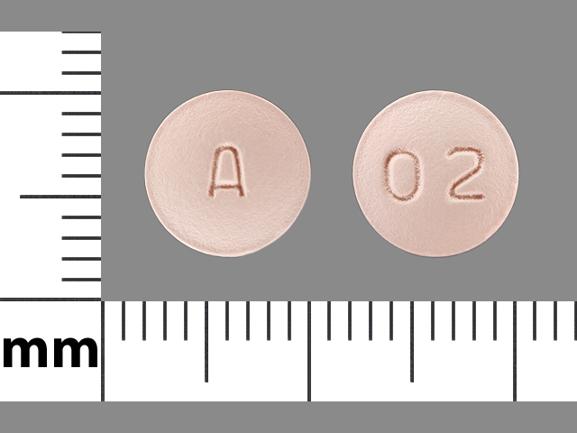
Simvastatin Side Effects
Medically reviewed by Drugs.com. Last updated on Dec 3, 2024.
Applies to simvastatin: oral suspension, oral tablet.
Precautions
It is very important that your doctor check your progress at regular visits. This will allow your doctor to see if the medicine is working properly and to decide if you should continue to take it. Blood and urine tests may be needed to check for unwanted effects.
Using this medicine while you are pregnant can harm your unborn baby. Use an effective form of birth control to keep from getting pregnant. If you think you have become pregnant while using the medicine, tell your doctor right away.
Do not use simvastatin if you are also taking boceprevir (Victrelis®), cobicistat-containing products (Stribild®), cyclosporine (Gengraf®, Neoral®, Sandimmune®), danazol (Danocrine®), gemfibrozil (Lopid®), nefazodone (Serzone®), telaprevir (Incivek®), certain antibiotics (eg, clarithromycin, daptomycin, erythromycin, itraconazole, ketoconazole, posaconazole, telithromycin, voriconazole, Nizoral®), or medicines to treat HIV/AIDS (eg, atazanavir, indinavir, nelfinavir, ritonavir, saquinavir, Crixivan®, Kaletra®, Lexiva®, Norvir®, Prezista®, Reyataz®). Using these medicines together with simvastatin may increase your risk of muscle injury and could result in kidney problems.
Chinese patients who are taking large amounts of niacin (greater than or equal to 1 gram or 1000 milligrams per day) together with this medicine may have an increased risk for muscle injury. Talk to your doctor if you are Chinese or have Chinese ancestry and take large amounts of niacin (Niacor®, Niaspan®). You may need a different dose of this medicine.
Call your doctor right away if you have unexplained muscle pain, tenderness, or weakness, especially if you also have unusual tiredness or a fever. These may be symptoms of serious muscle problems, such as myopathy or immune-mediated necrotizing myopathy (IMNM). Myopathy is more common when high doses of simvastatin (eg, 80 milligrams) are used, but some people get myopathy with lower doses.
Call your doctor right away if you have dark-colored urine, diarrhea, a fever, muscle cramps or spasms, muscle pain or stiffness, or feel very tired or weak. These could be symptoms of a serious muscle problem called rhabdomyolysis, which can cause kidney problems.
Call your doctor right away if you get a headache, stomach pain, vomiting, dark-colored urine, loss of appetite, weight loss, general feeling of tiredness or weakness, light-colored stools, upper right stomach pain, or yellow eyes or skin. These could be symptoms of liver damage.
Make sure any doctor or dentist who treats you knows that you are using this medicine. You may need to stop using this medicine if you have major surgery, a major injury, or you develop other serious health problems.
Do not take other medicines unless they have been discussed with your doctor. This includes prescription or nonprescription (over-the-counter [OTC]) medicines and herbal or vitamin supplements.
Serious side effects of simvastatin
Along with its needed effects, simvastatin may cause some unwanted effects. Although not all of these side effects may occur, if they do occur they may need medical attention.
Check with your doctor immediately if any of the following side effects occur while taking simvastatin:
More common side effects
- dizziness
- fainting
- fast or irregular heartbeat
Less common side effects
- bladder pain
- bloody or cloudy urine
- blurred vision
- body aches or pain
- chills
- cough
- dark-colored urine
- difficult, burning, or painful urination
- difficulty with breathing
- difficulty with moving
- dry mouth
- ear congestion
- fever
- flushed, dry skin
- frequent urge to urinate
- fruit-like breath odor
- headache
- increased hunger
- increased thirst
- increased urination
- joint pain
- loss of consciousness
- lower back or side pain
- muscle cramps, spasms, stiffness, pain, tenderness, wasting, or weakness
- nausea
- runny or stuffy nose
- sneezing
- sore throat
- stomachache
- sweating
- swelling
- swollen joints
- trouble breathing
- unexplained weight loss
- unusual tiredness or weakness
- vomiting
Incidence not known
- blistering, peeling, or loosening of the skin
- bloating
- burning, crawling, itching, numbness, prickling, "pins and needles", or tingling feelings
- chest tightness
- constipation
- diarrhea
- difficulty with chewing, swallowing, or talking
- double vision
- drooping eyelids
- general tiredness and weakness
- indigestion
- large, hive-like swelling on the face, eyelids, lips, tongue, throat, hands, legs, feet, or sex organs
- light-colored stools
- loss of appetite
- muscle pain or weakness
- pains in the stomach, side, or abdomen, possibly radiating to the back
- pale skin
- puffiness or swelling of the eyelids or around the eyes, face, lips, or tongue
- red skin lesions, often with a purple center
- red, irritated eyes
- skin rash, hives, or itching
- sores, ulcers, or white spots in the mouth or on the lips
- unusual bleeding or bruising
- upper right abdominal or stomach pain
- weakness in the arms, hands, legs, or feet
- yellow eyes or skin
Other side effects of simvastatin
Some side effects of simvastatin may occur that usually do not need medical attention. These side effects may go away during treatment as your body adjusts to the medicine. Also, your health care professional may be able to tell you about ways to prevent or reduce some of these side effects.
Check with your health care professional if any of the following side effects continue or are bothersome or if you have any questions about them:
Less common side effects
- acid or sour stomach
- belching
- burning feeling in the chest or stomach
- dizziness or lightheadedness
- excess air or gas in the stomach or intestines
- feeling of constant movement of self or surroundings
- full feeling
- heartburn
- lack or loss of strength
- pain or tenderness around the eyes and cheekbones
- passing gas
- sensation of spinning
- skin rash, encrusted, scaly, and oozing
- stomach discomfort, upset, or pain
- tenderness in the stomach area
- trouble sleeping
Incidence not known
- being forgetful
- depression
- discoloration of the skin
- hair loss or thinning of the hair
- inability to have or keep an erection
- loss in sexual ability, desire, drive, or performance
See also:
For healthcare professionals
Applies to simvastatin: oral suspension, oral tablet.
General adverse events
The more commonly reported adverse effects have included upper respiratory infection, headache, abdominal pain, constipation, and nausea.[Ref]
Musculoskeletal
- Common (1% to 10%): Myalgia
- Uncommon (0.1% to 1%): Myopathy
- Frequency not reported: Elevations in creatine kinase, myopathy, dermatomyositis, arthralgia, tendon rupture
- Postmarketing reports: Muscle cramps, myalgia, rhabdomyolysis[Ref]
This drug causes dose-related myopathy which, in rare cases maybe severe and sometimes take the form of rhabdomyolysis with or without renal failure secondary to myoglobinuria; rarely fatalities have occurred. The incidence of myopathy with the 80 mg dose has been reported as disproportionately higher than that observed at lower doses and the risk of myopathy with simvastatin 80 mg/day is greater compared with other statins with similar or greater LDL-C lowering efficacy.[Ref]
Hepatic
- Common (1% to 10%): Elevations in liver function tests
- Frequency not reported: Hepatitis (including chronic active hepatitis), cholestatic jaundice, fatty changes in the liver, cirrhosis, hepatic failure, fulminant hepatic necrosis
- Postmarketing reports: Hepatic failure, hepatitis, jaundice[Ref]
Persistent elevations in transaminases of up to 3 times the upper limit of normal (3xULN) have been reported in 1% of patients. With therapy discontinuation or interruption, transaminase levels generally returned to pretreatment levels. There have been rare postmarketing reports of hepatic failure.[Ref]
Gastrointestinal
- Common (1% to 10%): Constipation, nausea, flatulence, diarrhea, dyspepsia, abdominal pain, gastritis
- Frequency not reported: Anorexia
- Postmarketing reports: Pancreatitis, vomiting[Ref]
Hematologic
- Frequency not reported: Hemolytic anemia, thrombocytopenia, leucopenia, thrombotic thrombocytopenic purpura (TTP)
- Postmarketing reports: Anemia[Ref]
Nervous system
- Common (1% to 10%): Headache, vertigo
- Frequency not reported: Cognitive impairment, cranial nerve dysfunction, tremor, vertigo, memory loss, paraesthesias, peripheral neuropathy, peripheral nerve palsy
- Postmarketing reports: Dizziness, paresthesia, peripheral neuropathy, cognitive impairment (e.g., memory loss, forgetfulness, amnesia, memory impairment, confusion)[Ref]
Renal
- Frequency not reported: Myoglobinuria, acute renal failure secondary to rhabdomyolysis[Ref]
Cardiovascular
- Common (1% to 10%): Angina, edema, atrial fibrillation[Ref]
Dermatologic
- Common (1% to 10%): Eczema
- Frequency not reported: Pruritic rash, erythema multiform including Stevens-Johnson syndrome, toxic epidermal necrolysis, photosensitivity, purpura
- Postmarketing reports: Pruritus, alopecia, a variety of skin changes (e.g., nodules, discoloration, dryness of skin/mucous membranes, changes to hair/nails)[Ref]
Hypersensitivity
- Frequency not reported: Anaphylaxis, angioedema, urticaria, fever, chills, flushing, malaise, dyspnea
- Postmarketing reports: Hypersensitivity syndrome which has included some of the follow features: anaphylaxis, angioedema, lupus erythematous-like syndrome, polymyalgia rheumatica, dermatomyositis, vasculitis, purpura, thrombocytopenia, leukopenia, hemolytic anemia, positive ANA, ESR increase, eosinophilia, arthritis, arthralgia, urticaria, asthenia, photosensitivity, fever, chills, flushing, malaise, dyspnea, toxic epidermal necrolysis, erythema multiforme including Stevens-Johnson syndrome[Ref]
Immunologic
- Postmarketing reports: Immune-mediated necrotizing myopathy[Ref]
Ocular
- Frequency not reported: Progression of cataracts, ophthalmoplegia[Ref]
Psychiatric
- Common (1%to 10%): Insomnia
- Postmarketing reports: Depression[Ref]
Genitourinary
- Common (1% to 10%): Urinary tract infection
- Frequency not reported: Impotence, testicular pain, proteinuria
- Postmarketing reports: Erectile dysfunction[Ref]
Oncologic
- Frequency not reported: Tumor growth, liver, thyroid, lung adenomas, carcinomas[Ref]
Metabolic
- Common (1% to 10%): Diabetes mellitus
- Frequency not reported: HbA1c and fasting serum glucose levels elevations
Respiratory
- Common (1% to 10%): Respiratory tract infection, bronchitis, sinusitis
- Postmarketing reports: Interstitial lung disease
Other
- Frequency not reported: Asthenia
References
1. Halkin A, Lossos IS, Mevorach D (1996) "HMG-CoA reductase inhibitor-induced impotence." Ann Pharmacother, 30, p. 192
2. Katznelson S (1999) "Immunosuppressive and antiproliferative effects of HMG-CoA reductase inhibitors." Transplant Proc, 31, s22-4
3. Katznelson S (1999) "Effect of HMG-CoA reductase inhibitors on chronic allograft rejection." Kidney Int, 56, s117-21
4. Walker JF (1989) "Simvastatin: the clinical profile." Am J Med, 87, s44-6
5. Simons LA (1993) "Simvastatin in severe primary hypercholesterolemia: efficacy, safety, and tolerability in 595 patients over 18 weeks. The Principal Investigators." Clin Cardiol, 16, p. 317-22
6. Bilheimer DW (1990) "Long-term clinical tolerance of lovastatin and simvastatin." Cardiology, 77, p. 58-65
7. (2001) "Product Information. Zocor (simvastatin)." Merck & Co., Inc
8. Chariot P, Abadia R, Agnus D, Danan C, Charpentier C, Gherardi RK (1993) "Simvastatin-induced rhabdomyolysis followed by a MELAS syndrome." Am J Med, 94, p. 109-10
9. McDonagh J, Winocour P, Walker DJ (1993) "Musculoskeletal manifestations during simvastatin therapy." Br J Rheumatol, 32, p. 647-8
10. Plosker GL, Mctavish D (1995) "Simvastatin - a reappraisal of its pharmacology and therapeutic efficacy in hypercholesterolaemia." Drugs, 50, p. 334-63
11. Pedersen TR, Berg K, Cook TJ, Faergeman O, Haghfelt T, Kjekshus J, Miettinen T, Musliner TA, Olsson AG, Pyorala K, Thorgeirsso (1996) "Safety and tolerability of cholesterol lowering with simvastatin during 5 years in the scandinavian simvastatin survival study." Arch Intern Med, 156, p. 2085-92
12. Vanpuijenbroek EP, Dubufvereijken PWG, Spooren PFMJ, Vandoormaal JJ (1996) "Possible increased risk of rhabdomyolysis during concomitant use of simvastatin and gemfibrozil." J Intern Med, 240, p. 403-4
13. van Puijenbroek EP, Du Buf-Vereijken PW, Spooren PF, van Doormaal JJ (1996) "Possible increased risk of rhabdomyolysis during concomitant use of simvastatin and gemfibrozil." J Intern Med, 240, p. 403-4
14. Alvarez JM, Rawdanowiz TJ, Goldstein J (1998) "Rhadbdomyolysis after coronary artery bypass grafting in a patient receiving simvastatin." J Thorac Cardiovasc Surg, 116, p. 654-5
15. Weise WJ, Possidente CJ (2000) "Fatal rhabdomyolysis associated with simvastatin in a renal transplant patient." Am J Med, 108, p. 351-2
16. Meier CR, Schlienger RG, Kraenzlin ME, Schlegel B, Jick H (2000) "HMG-CoA reductase inhibitors and the risk of fractures." JAMA, 283, p. 3205-10
17. Khattak FH, Morris IM, Branford WA (1994) "Simvastatin-associated dermatomyositis." Br J Rheumatol, 33, p. 199
18. ChoquetKastylevsky G, Kanitakis J, Dumas V, Descotes J, Faure M, Claudy A (2001) "Eosinophilic fasciitis and simvastatin." Arch Intern Med, 161, p. 1456-7
19. Chan MH, Mak TW, Chiu RW, Chow CC, Chan IH, Lam CW (2001) "Simvastatin increases serum osteocalcin concentration in patients treated for hypercholesterolaemia." J Clin Endocrinol Metab, 86, p. 4556-9
20. Peces R, Pobes A (2001) "Rhabdomyolysis associated with concurrent use of simvastatin and diltiazem." Nephron, 89, p. 117-8
21. Federman DG, Hussain F, Walters AB (2001) "Fatal rhabdomyolysis caused by lipid-lowering therapy." South Med J, 94, p. 1023-6
22. Omar MA, Wilson JP (2002) "FDA adverse event reports on statin-associated rhabdomyolysis." Ann Pharmacother, 36, p. 288-95
23. Maxa JL, Melton LB, Ogu CC, Sills MN, Limanni A (2002) "Rhabdomyolysis after concomitant use of cyclosporine, simvastatin, gemfibrozil, and itraconazole." Ann Pharmacother, 36, p. 820-3
24. (2002) "Summaries for patients. Muscle abnormalities in four patients taking statins to treat unfavorable cholesterol levels." Ann Intern Med, 137, I45
25. Grundy SM (2002) "Can statins cause chronic low-grade myopathy?" Ann Intern Med, 137, p. 617-8
26. Sinzinger H, Wolfram R, Peskar BA (2002) "Muscular side effects of statins." J Cardiovasc Pharmacol, 40, p. 163-71
27. Itakura H, Vaughn D, Haller DG, O'Dwyer PJ (2003) "Rhabdomyolysis from cytochrome p-450 interaction of ketoconazole and simvastatin in prostate cancer." J Urol, 169, p. 613
28. Diaczok BJ, Shali R (2003) "Statins unmasking a mitochondrial myopathy: a case report and proposed mechanism of disease." South Med J, 96, p. 318-20
29. Graham DJ, Staffa JA, Shatin D, et al. (2004) "Incidence of hospitalized rhabdomyolysis in patients treated with lipid-lowering drugs." JAMA, 292, p. 2585-90
30. Gonyeau MJ (2005) "Statins and osteoporosis: a clinical review." Pharmacotherapy, 25, p. 228-43
31. Finsterer J, Zuntner G (2005) "Rhabdomyolysis from Simvastatin triggered by infection and muscle exertion." South Med J, 98, p. 827-9
32. Mukhtar RY, Reckless JP (2005) "Statin-induced myositis: a commonly encountered or rare side effect?" Curr Opin Lipidol, 16, p. 640-7
33. Cerner Multum, Inc. "UK Summary of Product Characteristics."
34. Arora R, Liebo M, Maldonado F (2006) "Statin-induced myopathy: the two faces of Janus." J Cardiovasc Pharmacol Ther, 11, p. 105-12
35. Ramdass MJ, Singh G, Andrews B (2007) "Simvastatin-induced bilateral leg compartment syndrome and myonecrosis associated with hypothyroidism." Postgrad Med J, 83, p. 152-3
36. Molden E, Andersson KS (2007) "Simvastatin-associated rhabdomyolysis after coadministration of macrolide antibiotics in two patients." Pharmacotherapy, 27, p. 603-7
37. Mauro VF, MacDonald JL (1991) "Simvastatin: a review of its pharmacology and clinical use." DICP, 25, p. 257-64
38. Nakad A, Bataille L, Hamoir V, Sempoux C, Horsmans Y (1999) "Atorvastatin-induced acute hepatitis with absence of cross-toxicity with simvastatin." Lancet, 353, p. 1763-4
39. Chagnon JP, Cerf M (1992) "Simvastatin-induced protein-losing enteropathy." Am J Gastroenterol, 87, p. 257
40. Johnson JL, Loomis IB (2006) "A case of simvastatin-associated pancreatitis and review of statin-associated pancreatitis." Pharmacotherapy, 26, p. 414-22
41. Adverse Drug Reactions Advisory Committee (ADRAC) and the Adverse Drug Reactions Unit of the TGA (2007) Australian Adverse Drug Reactions Bulletin. http://www.tga.gov.au/adr/aadrb/aadr0612.htm
42. Sundram F, Roberts P, Kennedy B, Pavord S (2004) "Thrombotic thrombocytopenic purpura associated with statin treatment." Postgrad Med J, 80, p. 551-2
43. Phan T, Mcleod JG, Pollard JD, Peiris O, Rohan A, Halpern JP (1995) "Peripheral neuropathy associated with simvastatin." J Neurol Neurosurg Psychiatry, 58, p. 625-8
44. Orsi A, Sherman O, Woldeselassie (2001) "Simvastatin-associated memory loss." Pharmacotherapy, 21, p. 767-9
45. Gaist D, Jeppesen U, Andersen M, Garcia Rodriguez LA, Hallas J, Sindrup SH (2002) "Statins and risk of polyneuropathy: a case-control study." Neurology, 58, p. 1333-7
46. Muldoon MF, Ryan CM, Sereika SM, Flory JD, Manuck SB (2004) "Randomized trial of the effects of simvastatin on cognitive functioning in hypercholesterolemic adults." Am J Med, 117, p. 823-9
47. Morales K, Wittink M, Datto C, et al. (2006) "Simvastatin causes changes in affective processes in elderly volunteers." J Am Geriatr Soc, 54, p. 70-6
48. Gregoor PJ (2006) "Atorvastatin may cause nightmares." BMJ, 332, p. 950
49. Galatti L, Polimeni G, Salvo F, Romani M, Sessa A, Spina E (2006) "Short-term memory loss associated with rosuvastatin." Pharmacotherapy, 26, p. 1190-2
50. Padala KP, Padala PR, Potter JF (2006) "Simvastatin-induced decline in cognition." Ann Pharmacother, 40, p. 1880-3
51. Pedersen TR, Kjekshus J, Berg K, Haghfelt T, Faergeman O, Thorgeirsson G, Pyorala K, Miettinen T, Wilhelmsen L, Olsson AG, Wedel (1994) "Randomised trial of cholesterol lowering in 4444 patients with coronary heart disease: the Scandinavian Simvastatin Survival Study (4S)." Lancet, 344, p. 1383-9
52. Feldmann R, Mainetti C, Saurat JH (1993) "Skin lesions due to treatment with simvastatin (Zocor)." Dermatology, 186, p. 272
53. Krasovec M, Elsner P, Burg G (1993) "Generalized eczematous skin rash possibly due to HMG-CoA reductase inhibitors." Dermatology, 186, p. 248-52
54. Bannwarth B, Miremont G, Papapietro PM (1992) "Lupuslike syndrome associated with simvastatin." Arch Intern Med, 152, p. 1093
55. Rudski L, Rabinovitch MA, Danoff D (1998) "Systemic immune reactions to HMG-CoA reductase inhibitors - Report of 4 cases and review of the literature." Medicine, 77, p. 378-83
56. Duits N, Bos FM (1993) "Depressive symptoms and cholesterol-lowering drugs." Lancet, 341, p. 114
57. Linnebur SA, Hiatt WH (2007) "Probable Statin-Induced Testicular Pain (January)." Ann Pharmacother
58. Newman TB, Hulley SB (1996) "Carcinogenicity of lipid-lowering drugs." JAMA, 275, p. 55-60
59. Bjerre LM, LeLorier J (2001) "Do statins cause cancer? A meta-analysis of large randomized clinical trials." Am J Med, 110, p. 716-23
Frequently asked questions
- When is the best time to take simvastatin?
- Do statins cause rhabdomyolysis, and how is it treated?
- Can I drink grapefruit juice with simvastatin?
- What are the side effects of statins?
- Do statins help treat COVID-19?
More about simvastatin
- Check interactions
- Compare alternatives
- Pricing & coupons
- Reviews (131)
- Drug images
- Latest FDA alerts (9)
- Dosage information
- Patient tips
- During pregnancy
- Support group
- Drug class: statins
- Breastfeeding
- En español
Patient resources
Other brands
Professional resources
Other brands
Related treatment guides
Further information
Simvastatin side effects can vary depending on the individual. Always consult your healthcare provider to ensure the information displayed on this page applies to your personal circumstances.
Note: Medication side effects may be underreported. If you are experiencing side effects that are not listed, submit a report to the FDA by following this guide.