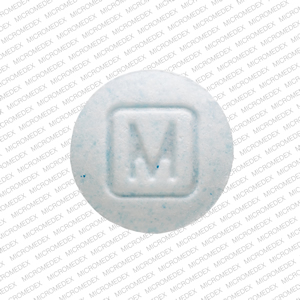
Oxycodone Side Effects
Medically reviewed by Drugs.com. Last updated on Apr 19, 2023.
Applies to oxycodone: oral capsule, oral capsule extended release, oral solution, oral tablet, oral tablet extended release.
Warning
Oral route (Capsule, Extended Release)
Addiction, Abuse, and MisuseOxycodone extended-release (ER) exposes patients and other users to the risks of opioid addiction, abuse, and misuse, which can lead to overdose and death. Assess each patient's risk prior to prescribing oxycodone ER, and monitor all patients regularly for the development of these behaviors or conditions.Opioid Analgesic Risk Evaluation and Mitigation Strategy (REMS)To ensure that the benefits of opioid analgesics outweigh the risks of addiction, abuse and misuse, the Food and Drug Administration (FDA) has required a REMS for these products. Under the requirements of the REMS, drug companies with approved opioid analgesic products must make REMS-compliant education programs available to healthcare providers. Healthcare providers are strongly encouraged to: complete a REMS-compliant education program, counsel patients and/or their caregivers, with every prescription, on safe use, serious risks, storage, and disposal of these products, emphasize to patients and their caregivers the importance of reading the Medication Guide every time it is provided by their pharmacists, and consider other tools to improve patient, household, and community safety.Life-Threatening Respiratory DepressionSerious, life-threatening, or fatal respiratory depression may occur with use of oxycodone ER. Monitor for respiratory depression, especially during initiation of oxycodone ER or following a dose increase.Accidental IngestionAccidental ingestion of even one dose of oxycodone ER, especially by children, can result in a fatal overdose of oxycodone ER.Neonatal Opioid Withdrawal SyndromeProlonged use of oxycodone ER during pregnancy can result in neonatal opioid withdrawal syndrome, which may be life-threatening if not recognized and treated, and requires management according to protocols developed by neonatology experts. If opioid use is required for a prolonged period in a pregnant woman, advise the patient of the risk of neonatal opioid withdrawal syndrome and ensure that appropriate treatment will be available.Cytochrome P450 3A4 InteractionThe concomitant use of oxycodone ER with all cytochrome P450 3A4 inhibitors may result in an increase in oxycodone plasma concentrations, which could increase or prolong adverse reactions and may cause potentially fatal respiratory depression. In addition, discontinuation of a concomitantly used cytochrome P450 3A4 inducer may result in an increase in oxycodone plasma concentration. Monitor patients receiving oxycodone ER and any CYP3A4 inhibitor or inducer.Risks from Concomitant Use with Benzodiazepines or Other CNS DepressantsReserve concomitant prescribing of oxycodone ER and benzodiazepines or other CNS depressants for use in patients for whom alternative treatment options are inadequate. Limit dosages and durations to the minimum required. Follow patients for signs and symptoms of respiratory depression and sedation.
Oral route (Tablet; Tablet, Extended Release)
Addiction, abuse, and misuse, leading to overdose and death has been reported. Before prescribing, assess the patient's risk and watch for signs of the development of these behaviors. To ensure that the benefits of opioid analgesics outweigh the risks of addiction, abuse, and misuse, the Food and Drug Administration (FDA) has required a Risk Evaluation and Mitigation Strategy (REMS) for these products. Serious and fatal respiratory depression may occur. Monitor for respiratory depression, especially when beginning treatment or increasing dose. Advise patients to swallow tablets whole to avoid overdose. Accidental ingestion can result in a fatal overdose, especially in children. Prolonged use in pregnancy may lead to life-threatening neonatal withdrawal syndrome. If oxycodone hydrochloride must be used during pregnancy, advise the patient of the risk and ensure that treatment will be available to the infant. Initiation of CYP3A4 inhibitors or discontinuation of CYP3A4 inducers can cause a fatal oxycodone hydrochloride overdose. Concomitant use of benzodiazepines and opioids may result in profound sedation, respiratory depression, coma, and death. Reserve concomitant prescribing for patients with inadequate alternative treatment options. Limit dosages and durations to the minimum required and follow patients for signs and symptoms of respiratory depression and sedation.
Oral route (Solution)
Use caution when prescribing and administering oxycodone oral solution as dosing errors due to mg and mL could result in accidental overdose and death. Ensure the proper dose is indicated and dispensed. Oxycodone oral solution should be kept out of the reach of children. Seek emergency help immediately if accidental ingestion occurs.
Serious side effects of Oxycodone
Along with its needed effects, oxycodone may cause some unwanted effects. Although not all of these side effects may occur, if they do occur they may need medical attention.
Check with your doctor immediately if any of the following side effects occur while taking oxycodone:
Less common
- Chills
- cold sweats
- confusion
- difficult or labored breathing
- dizziness, faintness, or lightheadedness when getting up suddenly from a lying or sitting position
- fever
- tightness in the chest
- twitching
Rare
- Bloating or swelling of the face, arms, hands, lower legs, or feet
- blood in the urine
- burning while urinating burning, crawling, itching, numbness, prickling, "pins and needles", or tingling feelings
- chest pain
- cough
- decrease in the frequency of urination
- decreased urine output
- difficult or painful urination
- difficulty in passing urine (dribbling)
- difficulty with swallowing
- dizziness
- dry mouth
- fainting
- fast, irregular, pounding, or racing heartbeat or pulse
- feeling of warmth or heat
- flushing or redness of the skin, especially on the face and neck
- frequent urination
- headache
- hives, itching, or skin rash
- increase in heart rate
- increased thirst
- increased volume of pale, dilute urine
- lightheadedness
- muscle pain or cramps
- nausea
- puffiness or swelling of the eyelids or around the eyes, face, lips, or tongue
- rapid breathing
- rapid weight gain
- seizures
- severe constipation
- severe vomiting
- stomach pain
- sunken eyes
- sweating
- swollen, painful, or tender lymph glands in the neck, armpit, or groin
- thirst
- trembling or shaking of the hands or feet
- unusual tiredness or weakness
- unusual weight gain or loss
- vomiting
- wrinkled skin
Incidence not known
- Blurred vision
- choking
- clay-colored stools
- cold, clammy skin
- dark urine
- darkening of the skin
- diarrhea
- fast, weak pulse
- gagging
- irregular, fast, slow, or shallow breathing
- loss of appetite
- loss of consciousness
- pale or blue lips, fingernails, or skin
- unpleasant breath odor
- very slow heartbeat
- yellow eyes or skin
Get emergency help immediately if any of the following symptoms of overdose occur while taking oxycodone:
Symptoms of overdose
- Change in consciousness
- chest pain or discomfort
- cold, clammy skin
- constricted, pinpoint, or small pupils (black part of the eye)
- coughing that sometimes produces a pink frothy sputum
- decreased awareness or responsiveness
- increased sweating
- irregular, fast, or slow, or shallow breathing
- loss of consciousness
- no muscle tone or movement
- pale or blue lips, fingernails, or skin
- sleepiness or unusual drowsiness
- slow or irregular heartbeat
- swelling in the legs and ankles,
Other side effects of Oxycodone
Some side effects of oxycodone may occur that usually do not need medical attention. These side effects may go away during treatment as your body adjusts to the medicine. Also, your health care professional may be able to tell you about ways to prevent or reduce some of these side effects.
Check with your health care professional if any of the following side effects continue or are bothersome or if you have any questions about them:
More common
- Difficulty having a bowel movement
- drowsiness
- lack or loss of strength
- relaxed and calm feeling
Less common
- Abnormal dreams
- anxiety
- belching
- burning feeling in the chest or stomach
- false or unusual sense of well-being
- heartburn
- hiccups
- indigestion
- stomach discomfort or upset
- tenderness in the stomach area
- trouble sleeping
- weight loss
Rare
- Absent, missed, or irregular menstrual periods
- bad, unusual or unpleasant (after) taste
- bloated or full feeling
- body aches or pain
- change in taste
- change in walking and balance
- changes in vision
- clumsiness or unsteadiness
- continuous ringing or buzzing or other unexplained noise in the ears
- crying
- decreased interest in sexual intercourse
- deep or fast breathing with dizziness
- delusions of persecution, mistrust, suspiciousness, or combativeness
- dental caries or tooth decay
- depression
- difficulty with speaking
- dry skin
- dryness or soreness of the throat
- excess air or gas in the stomach or bowels
- excessive muscle tone
- feeling of constant movement of self or surroundings
- feeling of unreality
- general feeling of discomfort or illness
- headache, severe and throbbing
- hearing loss
- hoarseness
- inability to have or keep an erection
- increase in body movements
- increased appetite
- increased cough
- irritability
- loss in sexual ability, desire, drive, or performance
- loss of heat from the body
- loss of memory
- loss of strength or energy
- muscle stiffness, tension, tightness, pain, or weakness
- neck pain
- numbness of the feet, hands, and around the mouth
- passing of gas
- problems with memory
- quick to react or overreact emotionally
- rapidly changing moods
- red, swollen skin
- restlessness
- runny nose
- scaly skin
- sensation of spinning
- sense of detachment from self or body
- swelling or inflammation of the mouth
- voice changes
For Healthcare Professionals
Applies to oxycodone: compounding powder, oral capsule, oral capsule extended release, oral concentrate, oral solution, oral tablet, oral tablet extended release.
General
The most commonly reported adverse reactions in adults included constipation, nausea, somnolence, dizziness, vomiting, pruritus, headache, dry mouth, asthenia, and sweating. In pediatric patients, the most frequently observed adverse reactions included vomiting, nausea, headache, pyrexia, and constipation.[Ref]
Nervous system
Very common (10% or more): Headache (14%, pediatrics)
Common (1% to 10%): Dizziness (pediatrics)
Frequency not reported: Confusion, hypertonia, hypesthesia, nervousness, neuralgia, personality disorder, tremor, migraine
Postmarketing reports: Serotonin syndrome, hyperalgesia, allodynia[Ref]
Respiratory
Frequency not reported: Apnea, respiratory arrest, bronchitis, cough increased, dyspnea, epistaxis, laryngismus, lung disorder, pharyngitis, rhinitis, sinusitis[Ref]
Severe adverse effects such as respiratory depression can be treated with the opioid antagonist naloxone.[Ref]
Gastrointestinal
Very common (10% or more): Nausea (23% to 27%), constipation (23% to 26%), vomiting (12% to 14%)
Frequency not reported: Abdominal pain, anorexia, diarrhea, dyspepsia, dysphagia, gingivitis, glossitis[Ref]
In pediatric studies with the oral extended release product, gastrointestinal adverse events were reported in 40% of patients 11 to 16 years of age (56 of 140); vomiting, nausea, constipation, and diarrhea were experienced by 21%, 15%, 9%, and 6%, respectively. Abdominal pain and gastroesophageal reflux disease were reported in 1% to less than 5% of patients.[Ref]
Psychiatric
Frequency not reported: Paranoia, psychosis, hallucinations, agitation, anxiety[Ref]
Dermatologic
Common (1% to 10%): Pruritus, hyperhidrosis, rash
Frequency not reported: Herpes simplex, rash, sweating, urticaria[Ref]
Hepatic
Frequency not reported: Increased hepatic enzymes
Cardiovascular
Frequency not reported: QTc prolongation at higher doses, deep thrombophlebitis, heart failure, hemorrhage, hypotension, palpitation, tachycardia, edema, peripheral edema, vasodilation, circulatory collapse[Ref]
Genitourinary
Common (1% to 10%): Dysuria, urinary retention
Frequency not reported: Urinary tract infection[Ref]
Hypersensitivity
Frequency not reported: Allergic reaction
Postmarketing reports: Anaphylaxis[Ref]
Immunologic
Frequency not reported: Flu syndrome, infection, sepsis[Ref]
Metabolic
Common (1% to 10%): Decreased appetite (pediatrics)
Frequency not reported: Gout, hyperglycemia, iron deficiency anemia
Postmarketing reports: Hypoglycemia[Ref]
Musculoskeletal
Frequency not reported: Back pain, neck pain, arthralgia, arthritis, bone pain, myalgia, pathological fracture[Ref]
Ocular
Frequency not reported: Photosensitivity reaction, amblyopia[Ref]
Other
Very common (10% or more): Pyrexia (11%, pediatrics)
Frequency not reported: Chills and fever, accidental injury[Ref]
Endocrine
Opioids:
Postmarketing reports: Adrenal insufficiency, androgen deficiency[Ref]
Frequently asked questions
- Which drugs cause opioid-induced constipation?
- How long does oxycodone stay in your system?
- How long does opioid withdrawal last?
- Oxycodone vs Hydrocodone - How do they compare?
- How long does oxycodone take to work?
- Oxycodone vs OxyContin - What's the difference?
- Which painkiller should you use?
- What are the withdrawal symptoms of oxycodone?
- What is Hydrochloride or HCL in a drugname?
More about oxycodone
- Check interactions
- Compare alternatives
- Pricing & coupons
- Reviews (1,152)
- Drug images
- Latest FDA alerts (3)
- Dosage information
- Patient tips
- During pregnancy
- Support group
- Drug class: Opioids (narcotic analgesics)
- Breastfeeding
- En español
Patient resources
- Oxycodone drug information
- Oxycodone Capsules and Tablets
- Oxycodone Extended-Release Capsules
- Oxycodone Concentrate
- Oxycodone Solution
- Oxycodone Sustained-Release Tablets
Other brands
OxyContin, Roxicodone, Xtampza ER, Oxaydo, ... +8 more
Professional resources
- Oxycodone monograph
- Oxycodone (FDA)
- Oxycodone Capsules (FDA)
- Oxycodone ER (FDA)
- Oxycodone Extended-Release Tablets (FDA)
Other brands
OxyContin, Roxicodone, Xtampza ER, Oxaydo, RoxyBond
Related treatment guides
References
1. Leow KP, Smith MT, Watt JA, Williams BE, Cramond T. Comparative oxycodone pharmacokinetics in humans after intravenous, oral, and rectal administration. Ther Drug Monit. 1992;14:479-84.
2. Product Information. OxyContin (oxycodone). Purdue Frederick Company. 2001;PROD.
3. Product Information. Xtampza ER (oxyCODONE). Patheon. 2023;SUPPL-21.
4. Leow KP, Smith MT, Williams B, Cramond T. Single-dose and steady-state pharmacokinetics and pharmacodynamics of oxycodone in patients with cancer. Clin Pharmacol Ther. 1992;52:487-95.
5. Glare P, Walsh D. Dose-ranging study of oxycodone for advanced cancer pain (meeting abstract). Proc Annu Meet Am Soc Clin Oncol. 1991;10:a1201.
6. Glare PA, Walsh TD. Dose-ranging study of oxycodone for chronic pain in advanced cancer. J Clin Oncol. 1993;11:973-8.
7. Sunshine A, Olson NZ, Zighelboim I, Decastro A. Ketoprofen, acetaminophen plus oxycodone, and acetaminophen in the relief of postoperative pain. Clin Pharmacol Ther. 1993;54:546-55.
8. Cerner Multum, Inc. UK Summary of Product Characteristics.
9. Product Information. Xtampza ER (oxycodone). Patheon. 2016.
10. Fishbain DA, Goldberg M, Rosomoff RS, Rosomoff H. Atypical withdrawal syndrome (organic delusional syndrome) secondary to oxycodone detoxification . J Clin Psychopharmacol. 1988;8:441-2.
11. Fanoe S, Jensen GB, Sjogren P, Korsgaard MP, Grunnet M. Oxycodone is associated with dose-dependent QTc prolongation in patients and low-affinity inhibiting of hERG activity in vitro. Br J Clin Pharmacol. 2008;67:172-9.
12. Gardos G. Dyskinesia after discountinuation of compound analgesic containing oxycodone . Lancet. 1977;1:759-60.
Further information
Always consult your healthcare provider to ensure the information displayed on this page applies to your personal circumstances.
Some side effects may not be reported. You may report them to the FDA.