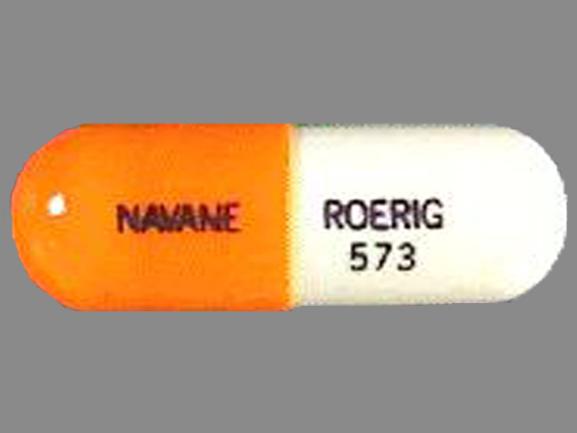
Navane Side Effects
Generic name: thiothixene
Medically reviewed by Drugs.com. Last updated on Jan 12, 2025.
Note: This document provides detailed information about Navane Side Effects associated with thiothixene. Some dosage forms listed on this page may not apply specifically to the brand name Navane.
Applies to thiothixene: oral capsule.
Important warnings
This medicine can cause some serious health issues
Oral route (capsule)
Elderly patients with dementia-related psychosis treated with atypical antipsychotic drugs are at an increased risk of death compared to placebo.
Although the causes of death in clinical trials were varied, most of the deaths appeared to be either cardiovascular (eg, heart failure, sudden death) or infectious (eg, pneumonia) in nature.
Observational studies suggest that antipsychotic drugs may increase mortality.
It is unclear from these studies to what extent the mortality findings may be attributed to the antipsychotic drug as opposed to patient characteristics.
Thiothixene hydrochloride is not approved for the treatment of patients with dementia-related psychosis.
Precautions
It is very important that your doctor check your progress at regular visits to make sure that this medicine is working properly. Blood tests may be needed to check for unwanted effects. You may also need to have your eyes tested on a regular basis while you are using this medicine.
This medicine may cause tardive dyskinesia (a movement disorder). Check with your doctor right away if you have any of the following symptoms while using this medicine: lip smacking or puckering, puffing of the cheeks, rapid or worm-like movements of the tongue, uncontrolled chewing movements, or uncontrolled movements of the arms and legs.
Stop using this medicine and check with your doctor right away if you have any of the following symptoms while using this medicine: convulsions (seizures), difficulty with breathing, a fast heartbeat, a high fever, high or low blood pressure, increased sweating, loss of bladder control, severe muscle stiffness, unusually pale skin, or tiredness. These could be symptoms of a serious condition called neuroleptic malignant syndrome (NMS).
Thiothixine can temporarily lower the number of white blood cells in your blood, increasing the chance of getting an infection. If you can, avoid people with infections. Check with your doctor right away if you think you are getting an infection, or if you have a fever or chills, a cough or hoarseness, lower back or side pain, or painful or difficult urination.
This medicine may cause dizziness, trouble with thinking, or trouble with controlling body movements. Make sure you know how you react to this medicine before you drive, use machines, or do anything else that requires you to be alert, well-coordinated, or able to think well.
This medicine will add to the effects of alcohol and other CNS depressants (medicines that make you drowsy or less alert). Some examples of CNS depressants are antihistamines or medicine for allergies or colds; sedatives, tranquilizers, or sleeping medicine; prescription pain medicines, including narcotics; medicine for seizures (e.g., barbiturates); muscle relaxants; or anesthetics, including some dental anesthetics. Check with your doctor before taking any of the above while you are using this medicine.
You might get overheated more easily while using this medicine. Be aware of this if you are exercising or the weather is hot. Drinking water might help. If you get too hot and feel dizzy, weak, tired, confused, or sick to your stomach, try to cool down. Call your doctor if you are not able to cool your body and your symptoms continue.
Do not take other medicines unless they have been discussed with your doctor. This includes prescription or nonprescription (over-the-counter [OTC]) medicines and herbal or vitamin supplements.
Serious side effects of Navane
Along with its needed effects, thiothixene (the active ingredient contained in Navane) may cause some unwanted effects. Although not all of these side effects may occur, if they do occur they may need medical attention.
Check with your doctor immediately if any of the following side effects occur while taking thiothixene:
Rare side effects
- cough
- difficulty with swallowing
- dizziness
- fast heartbeat
- hives
- itching
- puffiness or swelling of the eyelids or around the eyes, face, lips, or tongue
- shortness of breath
- skin rash
- tightness in the chest
- unusual tiredness or weakness
- wheezing
Incidence not known
- abdominal or stomach pain
- back, leg, or stomach pains
- bleeding gums
- bloating or swelling of the face, arms, hands, lower legs, or feet
- blood in the urine or stools
- bloody, black, or tarry stools
- blurred vision
- chest pain
- chills
- clay-colored stools
- confusion
- convulsions
- cough or hoarseness
- dark urine
- difficulty with breathing
- dizziness, faintness, or lightheadedness when getting up suddenly from a lying or sitting position
- fainting
- fast, pounding, or irregular heartbeat or pulse
- fever
- fever with or without chills
- general body swelling
- general feeling of tiredness or weakness
- headache
- high fever
- high or low blood pressure
- inability to move the eyes
- inability to sit still
- increased blinking or spasms of the eyelid
- increased sweating
- lightheadedness
- lip smacking or puckering
- loss of appetite
- loss of balance control
- loss of bladder control
- lower back or side pain
- mask-like face
- nausea or vomiting
- need to keep moving
- nosebleeds
- overactive reflexes
- painful or difficult urination
- pale skin
- pinpoint red spots on the skin
- puffing of the cheeks
- rapid or worm-like movements of the tongue
- rapid weight gain
- restlessness
- seizures
- severe muscle stiffness
- shuffling walk
- slowed movements
- slurred speech
- sore throat
- sores, ulcers, or white spots on the lips or in the mouth
- sticking out of the tongue
- sweating
- swollen glands
- tic-like (jerky) movements of the head, face, mouth, and neck
- tingling of the hands or feet
- tiredness
- trembling and shaking of the fingers and hands
- trouble with breathing, speaking, or swallowing
- uncontrolled chewing movements
- uncontrolled movements of the arms and legs
- uncontrolled twisting movements of the neck, trunk, arms, or legs
- unexplained bleeding or bruising
- unpleasant breath odor
- unusual bleeding or bruising
- unusual facial expressions
- unusual weight gain or loss
- unusually pale skin
- vomiting of blood
- yellowing of the eyes or skin
Get emergency help immediately if any of the following symptoms of overdose occur while taking thiothixene:
Symptoms of overdose
- change in consciousness
- depression
- drowsiness
- loss of consciousness
- sudden jerky movements of the body
Other side effects of Navane
Some side effects of thiothixene may occur that usually do not need medical attention. These side effects may go away during treatment as your body adjusts to the medicine. Also, your health care professional may be able to tell you about ways to prevent or reduce some of these side effects.
Check with your health care professional if any of the following side effects continue or are bothersome or if you have any questions about them:
Incidence not known
- absent, missed, or irregular menstrual periods
- anxiety
- constipation
- decreased interest in sexual intercourse
- diarrhea
- dry mouth
- extreme thirst
- hives or welts
- hyperventilation
- inability to have or keep an erection
- increased appetite
- increased sensitivity of the skin to sunlight
- increased sweating
- increased thirst
- increased weight
- irritability
- loss in sexual ability, desire, drive, or performance
- menstrual changes
- nervousness
- redness or other discoloration of the skin
- severe sunburn
- sleeplessness
- stopping of menstrual bleeding
- stuffy nose
- swelling of the breasts or unusual milk production
- trouble with sleeping
- unable to sleep
- watering of mouth
See also:
Haldol
Haldol is used for dementia, ICU Agitation, mania, nausea/vomiting, psychosis, tourette's syndrome
Vraylar
Vraylar is a once a day antipsychotic medication used to treat mental health or mood disorders ...
Thorazine
Thorazine is used for hiccups, light sedation, mania, nausea/vomiting, opiate withdrawal ...
Fanapt
Fanapt (iloperidone) is an antipsychotic medication used to treat schizophrenia. Includes Fanapt ...
Perphenazine
Perphenazine is used for bipolar disorder, nausea/vomiting, psychosis
Chlorpromazine
Chlorpromazine is used for hiccups, light sedation, mania, nausea/vomiting, opiate withdrawal ...
Prochlorperazine
Prochlorperazine is used for anxiety, hiccups, migraine, nausea/vomiting, psychosis, vertigo
Haloperidol
Haloperidol is used for aggressive behavior, borderline personality disorder, dementia, ICU ...
For healthcare professionals
Applies to thiothixene: intramuscular powder for injection, oral capsule, oral concentrate.
General adverse events
As this drug has certain chemical and pharmacological similarities to the phenothiazines, all the side effects and toxicity associated with phenothiazines should be considered when this drug is used.
Side effects of phenothiazines (not reported in this drug) include: cerebral edema, cerebrospinal fluid abnormalities, liver damage (jaundice, biliary stasis), eosinophilia, hemolytic anemia, pancytopenia, thrombocytopenic purpura, neutropenia, agranulocytosis, hyperreflexia (in infants whose mothers received phenothiazines), hypoglycemia, hyperglycemia, glycosuria, exfoliative dermatitis, contact dermatitis (in nursing personnel), miosis, mydriasis, adynamic ileus, and systemic lupus erythematosus-like syndrome.[Ref]
Endocrine
- Frequency not reported: Hyperprolactinemia, lactation, menstrual irregularities, moderate breast enlargement, galactorrhea, amenorrhea, gynecomastia, impotence[Ref]
Cardiovascular
- Frequency not reported: Tachycardia, hypotension, lightheadedness, syncope, nonspecific ECG changes[Ref]
Nervous system
- Frequency not reported: Tardive dyskinesia, extrapyramidal symptoms (e.g., pseudoparkinsonism, akathisia, dystonia), drowsiness, sedation, restlessness, agitation, insomnia, seizures, paradoxical exacerbation of psychotic symptoms[Ref]
Immunologic
- Rare (less than 0.1%): Anaphylaxis
- Frequency not reported: Allergic reactions (rash, pruritus, urticaria, photosensitivity)[Ref]
Hematologic
- Frequency not reported: Leukopenia and leukocytosis (usually transient)[Ref]
Hepatic
- Frequency not reported: Elevated serum transaminase and elevated alkaline phosphatase (usually transient)[Ref]
Metabolic
- Frequency not reported: Anorexia, increased appetite, increased weight, polydipsia[Ref]
Other
- Frequency not reported: Hyperpyrexia, weakness/fatigue, peripheral edema[Ref]
Gastrointestinal
- Frequency not reported: Dry mouth, constipation, increased salivation[Ref]
Ocular
- Frequency not reported: Blurred vision[Ref]
Dermatologic
- Frequency not reported: Increased sweating[Ref]
Respiratory
- Frequency not reported: Nasal congestion[Ref]
References
1. (2001) "Product Information. Navane (thiothixene)." Roerig Division
Frequently asked questions
More about Navane (thiothixene)
- Check interactions
- Compare alternatives
- Reviews (6)
- Drug images
- Dosage information
- During pregnancy
- Drug class: thioxanthenes
- Breastfeeding
Patient resources
Professional resources
Related treatment guides
Further information
Navane side effects can vary depending on the individual. Always consult your healthcare provider to ensure the information displayed on this page applies to your personal circumstances.
Note: Medication side effects may be underreported. If you are experiencing side effects that are not listed, submit a report to the FDA by following this guide.