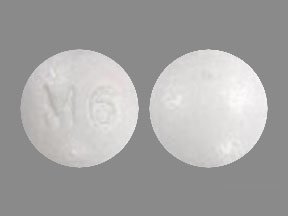
Myambutol Side Effects
Generic name: ethambutol
Medically reviewed by Drugs.com. Last updated on Nov 17, 2024.
Note: This document provides detailed information about Myambutol Side Effects associated with ethambutol. Some dosage forms listed on this page may not apply specifically to the brand name Myambutol.
Applies to ethambutol: oral tablet.
Precautions
If your symptoms do not improve within 2 to 3 weeks, or if they become worse, check with your doctor.
It is very important that your doctor check your progress at regular visits.
Check with your doctor immediately if blurred vision, eye pain, red-green color blindness, or loss of vision occurs during treatment . Your doctor may want you to have your eyes checked by an ophthalmologist (eye doctor). Also, make sure you know how you react to this medicine before you drive, use machines, or do anything else that could be dangerous if you are not alert or able to see well.
Serious side effects of Myambutol
Along with its needed effects, ethambutol (the active ingredient contained in Myambutol) may cause some unwanted effects. Although not all of these side effects may occur, if they do occur they may need medical attention.
Check with your doctor immediately if any of the following side effects occur while taking ethambutol:
Less common side effects
- chills
- pain and swelling of joints, especially big toe, ankle, or knee
- tense, hot skin over affected joints
Rare side effects
- blurred vision, eye pain, red-green color blindness, or any loss of vision (more common with high doses)
- fever
- joint pain
- numbness, tingling, burning pain, or weakness in hands or feet
- skin rash
Other side effects of Myambutol
Some side effects of ethambutol may occur that usually do not need medical attention. These side effects may go away during treatment as your body adjusts to the medicine. Also, your health care professional may be able to tell you about ways to prevent or reduce some of these side effects.
Check with your health care professional if any of the following side effects continue or are bothersome or if you have any questions about them:
See also:
For healthcare professionals
Applies to ethambutol: oral tablet.
General adverse events
The most commonly reported side effects included decreased visual acuity and optic neuritis.[Ref]
Ocular
- Common (1% to 10%): Decreased visual acuity, optic neuritis
- Uncommon (0.1% to 1%): Color blindness, eye pain, loss of vision, scotoma, visual disturbances
- Frequency not reported: Irreversible blindness, optic neuropathy, retrobulbar neuritis[Ref]
Nervous system
- Uncommon (0.1% to 1%): Visual field defect
- Rare (0.01% to 0.1%): Extremity paresthesia (extremity numbness/tingling), numbness, peripheral neuritis, peripheral neuropathy
- Very rare (less than 0.01%): Dizziness, headache[Ref]
Metabolic
- Uncommon (0.1% to 1%): Hyperuricemia
- Very rare (less than 0.01%): Gout
- Frequency not reported: Anorexia, precipitation of acute gout[Ref]
Dermatologic
- Rare (0.01% to 0.1%): Pruritus, rash, Stevens-Johnson syndrome, toxic epidermal necrolysis, urticaria
- Very rare (less than 0.01%): Bullous dermatitis, epidermal necrolysis, photosensitive lichenoid eruptions
- Frequency not reported: Cutaneous reactions, dermatitis, erythema multiforme, exfoliative dermatitis[Ref]
Hematologic
- Rare (0.01% to 0.1%): Thrombocytopenia/reversible thrombocytopenia
- Very rare (less than 0.01%): Leukopenia, neutropenia
- Frequency not reported: Eosinophilia, lymphadenopathy[Ref]
Hypersensitivity
- Very rare (less than 0.01%): Anaphylactic reaction, anaphylactoid reactions, hypersensitivity, hypersensitivity syndrome[Ref]
Psychiatric
- Very rare (less than 0.01%): Disorientation, hallucinations, mental confusion[Ref]
Respiratory
- Very rare (less than 0.01%): Pneumonitis, pulmonary infiltrates with/without eosinophilia[Ref]
Other
- Very rare (less than 0.01%): Fever, malaise, pyrexia[Ref]
Hepatic
- Very rare (less than 0.01%): Hepatic failure
- Frequency not reported: Abnormal liver function test values, hepatitis, jaundice, liver toxicity/fatal liver toxicity, transient impairment of liver function[Ref]
Renal
- Very rare (less than 0.01%): Interstitial nephritis[Ref]
Musculoskeletal
- Very rare (less than 0.01%): Joint pain[Ref]
Gastrointestinal
- Frequency not reported: Abdominal pain, diarrhea, gastrointestinal disorders, gastrointestinal upset, nausea, vomiting[Ref]
Cardiovascular
- Frequency not reported: Myocarditis, pericarditis[Ref]
References
1. (2002) "Product Information. Myambutol (ethambutol)." Lederle Laboratories
2. Cerner Multum, Inc. "UK Summary of Product Characteristics."
3. Cerner Multum, Inc. "Australian Product Information."
More about Myambutol (ethambutol)
- Check interactions
- Compare alternatives
- Drug images
- Dosage information
- During pregnancy
- Generic availability
- Drug class: miscellaneous antituberculosis agents
- Breastfeeding
- En español
Patient resources
Professional resources
Related treatment guides
Further information
Myambutol side effects can vary depending on the individual. Always consult your healthcare provider to ensure the information displayed on this page applies to your personal circumstances.
Note: Medication side effects may be underreported. If you are experiencing side effects that are not listed, submit a report to the FDA by following this guide.