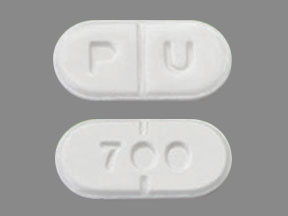
Cabergoline Side Effects
Medically reviewed by Drugs.com. Last updated on Jan 29, 2025.
Applies to cabergoline: oral tablet.
Precautions
It is important that your doctor check your progress at regular visits while you are taking this medicine to make sure that this medicine is working properly. Blood and other tests for the heart may be needed to check for unwanted effects.
Make sure your doctor knows if you are pregnant or planning to become pregnant. Tell your doctor right away if you think you might be pregnant at any time while you are using this medicine. If you are pregnant, make sure your doctor knows if you also have high blood pressure. You and your doctor should discuss whether you should continue to take this medicine during pregnancy.
This medicine may cause some people to become drowsy, dizzy, or less alert than they are normally. Make sure you know how you react to this medicine before you drive, use machines, or do other jobs that require you to be alert.
Dizziness, lightheadedness, or fainting may occur, especially when you get up from a lying or sitting position. Getting up slowly may help.
Check with your doctor right away if you have symptoms of fainting, hallucinations (seeing, hearing, or feeling things that are not there), lightheadedness, stuffy nose, or racing heartbeat.
This medicine may increase your risk of having serious heart, kidney, lung, or stomach problems. Check with your doctor right away if you have chest pain or tightness, extreme tiredness, lower back or side pain, lump or tenderness in the stomach, persistent cough, troubled breathing, or swelling in your hands, ankles, lower legs, or feet.
Also tell your doctor if you have persistent cough along with chest discomfort or troubled breathing while you are using this medicine. This could be symptoms of a serious lung disorder called pulmonary fibrosis.
Some people who have used this medicine had unusual changes in their behavior. Talk with your doctor if you start having problems with gambling or increased sex drive while using this medicine.
Do not take other medicines unless they have been discussed with your doctor. This includes prescription or nonprescription (over-the-counter [OTC]) medicines and herbal or vitamin supplements.
Common side effects of cabergoline
Some side effects of cabergoline may occur that usually do not need medical attention. These side effects may go away during treatment as your body adjusts to the medicine. Also, your health care professional may be able to tell you about ways to prevent or reduce some of these side effects.
Check with your health care professional if any of the following side effects continue or are bothersome or if you have any questions about them:
More common side effects
- difficulty having a bowel movement (stool)
- dizziness
- excess air or gas in the stomach or intestines
- full feeling
- headache
- lack or loss of strength
- passing gas
Less common side effects
- abdominal or stomach pain
- acid or sour stomach
- anxiety
- belching
- blemishes on the skin
- breast pain
- burning, itching, or stinging of the skin
- changes in vision
- cramps
- depression
- diarrhea
- difficulty with moving
- dry mouth or toothache
- feeling of constant movement of self or surroundings
- feeling of warmth
- gas
- heartburn
- heavy bleeding
- indigestion
- itching skin
- joint pain
- muscle aches and pains
- muscle stiffness
- pimples
- redness of the face, neck, arms, and occasionally, upper chest
- runny nose
- sensation of spinning
- shivering
- sleepiness or unusual drowsiness
- sneezing
- sore throat
- stomach discomfort or upset
- sudden sweating
- trouble sleeping
- weight loss
Rare side effects
- bloody nose
- difficulty in concentrating
- increased in sexual ability, desire, drive, or performance
- increased interest in sexual intercourse
Incidence not known
- attack, assault, or force
- feeling that others are watching you or controlling your behavior
- feeling that others can hear your thoughts
- hair loss or thinning of the hair
- pathological gambling
- severe mood or mental changes
- unusual behavior
Serious side effects of cabergoline
Along with its needed effects, cabergoline may cause some unwanted effects. Although not all of these side effects may occur, if they do occur they may need medical attention.
Check with your doctor immediately if any of the following side effects occur while taking cabergoline:
Less common side effects
- bloating or swelling of the face, arms, hands, lower legs, or feet
- burning, crawling, itching, numbness, prickling, "pins and needles", or tingling feelings
- chills
- cold sweats
- confusion
- dizziness, faintness, or lightheadedness when getting up from lying or sitting position
- fast, irregular, pounding, or racing heartbeat or pulse
- general feeling of discomfort or illness
- rapid weight gain
- swelling around the eyes
- tingling of the hands or feet
- unusual tiredness or weakness
- unusual weight gain or loss
Incidence not known
- chest pain or tightness
- continuing loss of appetite
- continuing or severe abdominal or stomach pain
- continuing or severe nausea and vomiting
- cough
- decreased ability to exercise
- fever
- increased frequency of urination
- loss of appetite
- lower abdominal or stomach pain
- lower back pain
- nausea
- trouble breathing
- vomiting
- weakness
Get emergency help immediately if any of the following symptoms of overdose occur while taking cabergoline:
Symptoms of overdose
- fainting
- seeing, hearing, or feeling things that are not there
- stuffy nose
See also:
For healthcare professionals
Applies to cabergoline: oral tablet.
General adverse events
Adverse effects are generally dose related. At lower doses, the more commonly reported adverse reactions included nausea, headache, dizziness/vertigo, abdominal pain/dyspepsia/gastritis, asthenia/fatigue; at higher doses, additional events of valvulopathy, dyspnea, dyskinesia, orthostatic hypotension, hallucination, and constipation have been commonly reported.[Ref]
Nervous system
- Very common (10% or more): Headache (up to 26%), dizziness (up to 17%)
- Common (1% to 10%): Dizziness/vertigo, dyskinesia, paresthesia, somnolence
- Uncommon (0.1% to 1%): Hyperkinesia
- Frequency not reported: Sudden sleep onset, syncope, tremor[Ref]
Other
- Common (1% to 10%): Asthenia
- Uncommon (0.1% to 1%): Fatigue, malaise[Ref]
Psychiatric
- Common (1% to 10%): Hallucinations sleep disturbance, increased libido, confusion, depression, anxiety, insomnia, nervousness
- Uncommon (0.1% to 1%): Delusions, psychotic disorder
- Frequency not reported: Aggression, hypersexuality, pathological gambling[Ref]
Cardiovascular
- Very common (10% or more): Peripheral edema
- Common (1% to 10%): Angina (with concomitant levodopa use), postural hypotension, hot flashes, cardiac valvulopathy, hypotension, dependent edema, palpitation
- Uncommon (0.1% to 1%): Erythromelalgia
- Rare (less than 0.1%): Syncope, heart failure
- Frequency not reported: Constrictive pericarditis, digital vasospasm
- Postmarketing reports: Cardiac valvulopathy, pericarditis, pericardial effusion[Ref]
Reports of cardiac valvulopathy have generally been received in patients on higher doses (greater than 2 mg/day); however, there have been cases in patients receiving lower doses for the treatment of hyperprolactinemic disorders. In a multi-country, retrospective cohort study, record review looking for an association between the new use of dopamine agonists (including this drug; n=27,812) and cardiac valvular regurgitation (CVR), other fibrosis, and other cardiopulmonary events found an increased risk of CVR among patients with Parkinson's disease when compared to non-ergot derived dopamine agonists and levodopa. Analysis in patients with hyperprolactinemia treated with this drug (n=8386) found that compared to non-users, exposed persons did not have an elevated risk of CVR. These findings are consistent with other published studies.[Ref]
Musculoskeletal
- Frequency not reported: Leg cramps[Ref]
Dermatologic
- Uncommon (0.1% to 1%): Rash, acne, pruritus
- Frequency not reported: Alopecia[Ref]
Respiratory
- Common (1% to 10%): Dyspnea
- Uncommon (0.1% to 1%): Pleural effusion, pulmonary fibrosis, rhinitis
- Very rare (less than 0.01%): Fibrosis (including pleural fibrosis)
- Frequency not reported: Respiratory disorder, respiratory failure, pleuritic, chest pain[Ref]
Ocular
- Uncommon (0.1% to 1%): Periorbital edema, abnormal vision[Ref]
Endocrine
- Common (1% to 10%): Breast pain
- Uncommon (0.1% to 1%): Dysmenorrhea[Ref]
Gastrointestinal
- Very common (10% or more): Nausea (up to 29%)
- Common (1% to 10%): Constipation, dyspepsia, gastritis, vomiting, abdominal pain, dyspepsia, dry mouth, diarrhea, flatulence, throat irritation, toothache[Ref]
Hepatic
- Uncommon (0.1% to 1%): Hepatic function abnormalities
- Postmarketing reports: Liver function test abnormal[Ref]
Hypersensitivity
- Uncommon (0.1% to 1%): Hypersensitivity reaction[Ref]
References
1. "Multum Information Services, Inc. Expert Review Panel"
2. (2001) "Product Information. Dostinex (cabergoline)." Pharmacia and Upjohn
3. Cerner Multum, Inc. "Australian Product Information."
More about cabergoline
- Check interactions
- Compare alternatives
- Pricing & coupons
- Reviews (119)
- Drug images
- Dosage information
- During pregnancy
- Drug class: prolactin inhibitors
- Breastfeeding
- En español
Patient resources
Other brands
Professional resources
Other brands
Related treatment guides
Further information
Cabergoline side effects can vary depending on the individual. Always consult your healthcare provider to ensure the information displayed on this page applies to your personal circumstances.
Note: Medication side effects may be underreported. If you are experiencing side effects that are not listed, submit a report to the FDA by following this guide.