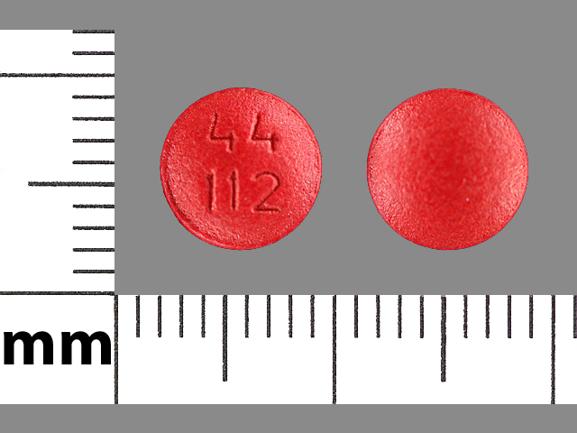
Pseudoephedrine (Monograph)
Brand names: Childrens Silfedrine, Sudafed 24 Hour, Sudafed Nasal Decongestant
Drug class: alpha- and beta-Adrenergic Agonists
VA class: AU100
Chemical name: [S-(R*,R*)]-α-[1-(Methylamino)ethyl]-benzenemethanol hydrochloride
Molecular formula: C10H15NO•HClC10H15NO•H2SO4
CAS number: 345-78-8
Introduction
Sympathomimetic agent; decongestant.
Uses for Pseudoephedrine
Nasal Congestion, Sinus Congestion, and Other Respiratory Conditions
Pseudoephedrine is used for self-medication for temporary relief of nasal congestion associated with upper respiratory allergy (e.g., hay fever) or the common cold.
Pseudoephedrine is used for self-medication for temporary relief of sinus congestion and pressure.
Pseudoephedrine is used in fixed combination with other agents (e.g., acetaminophen, brompheniramine, chlorpheniramine, desloratadine, dextromethorphan, fexofenadine, guaifenesin, ibuprofen, loratadine, methscopolamine, triprolidine) for relief of nasal/sinus congestion and pressure and/or other symptoms (e.g., rhinorrhea, sneezing, lacrimation, itching eyes, oronasopharyngeal itching, cough, fever) associated with seasonal or perennial allergic rhinitis, nonallergic (vasomotor) rhinitis, other upper respiratory allergies, or the common cold.
Single 60-mg oral doses of pseudoephedrine hydrochloride shown to be effective in relieving congestion in clinical studies.
Pseudoephedrine may be used as an adjunct to analgesics, antihistamines, antitussives, expectorants, or antibiotics when indicated.
Pseudoephedrine is labeled and has been used for self-medication for temporary relief of nasal congestion associated with sinusitis; however, efficacy data are lacking and/or controversial. In October 2005, FDA issued final rule to remove this indication from labeling of OTC nasal decongestants. Compliance date for preparations with annual sales <$25,000 was October 11, 2007; compliance date for all other preparations was April 11, 2007.
Pseudoephedrine is ineffective as a bronchodilator.
Combination of pseudoephedrine and caffeine not generally recognized as safe and effective for OTC use.
In pediatric patients <2 years of age, OTC cough and cold preparations (i.e., containing nasal decongestants, antihistamines, cough suppressants, and expectorants) were not more effective than placebo in reducing acute cough and other symptoms of upper respiratory tract infection and reportedly are associated with adverse events and sometimes death (albeit rarely). (See Pediatric Use under Cautions.) Therefore, CDC states that, as an alternative to pseudoephedrine and other nasal decongestants, caregivers may consider using a rubber suction bulb to clear nasal congestion and using saline nasal drops or a cool-mist humidifier to soften secretions in infants.
Otitic Barotrauma† [off-label] and Other Otic Conditions† [off-label]
Pseudoephedrine has been used for self-medication in adults to prevent symptoms of otitic barotrauma (aerotitis [barotitis] media)† [off-label] (e.g., otic discomfort, otic blockage, hearing loss, otalgia) associated with air travel or underwater diving. Efficacy not established in children.
Pseudoephedrine may be useful in opening obstructed eustachian ostia in patients with otic inflammation or infection.
Misuse and Abuse
Pseudoephedrine has been used in clandestine synthesis of methamphetamine and methcathinone.
The Combat Methamphetamine Epidemic Act (CMEA) of 2005 was signed into law in March 2006 to tighten control over sale and distribution of pseudoephedrine and ephedrine. CMEA created a new class of products called “scheduled listed chemical products”, which are defined in the law as products containing pseudoephedrine, ephedrine, or phenylpropanolamine or any salt, optical isomer, or salt of an optical isomer salt of these drugs that are lawful nonprescription products in the US and set additional requirements for their sale. Effective September 30, 2006 under CMEA’s provisions, pharmacies and other retail distributors must store pseudoephedrine- and ephedrine-containing preparations behind the counter or in locked cabinets; purchasers must provide approved photographic identification and sign a written or electronic logbook for each purchase; pharmacies and other retail distributors must keep information about the purchasers (e.g., name, address, signature) and purchases (e.g., name of product, quantity sold, date and time of sale) for ≥2 years; and the amount that can be purchased is limited to ≤3.6 g per day or 9 g per month. For additional information about legal and regulatory requirements under CMEA, visit [Web].
Use of pseudoephedrine in some states may be subject to additional controls. Where such state laws are more stringent than the provisions of CMEA, state requirements also must be followed.
In response to federal and state restrictions, some manufacturers have voluntarily reformulated various existing pseudoephedrine-containing preparations, replacing the pseudoephedrine component with other decongestants such as phenylephrine.
Pseudoephedrine Dosage and Administration
Administration
Oral Administration
Administer 240-mg extended-release tablets orally once daily. Swallow tablets whole with fluid; do not divide, crush, chew, or dissolve. Tablet does not completely dissolve and may be passed in the stool.
Dosage
Single-entity preparation: Available as pseudoephedrine hydrochloride; dosage expressed in terms of the salt.
Fixed-combination preparation: Available as pseudoephedrine hydrochloride or pseudoephedrine sulfate.
Because combinations and dosage strengths vary for fixed-combination preparations, consult manufacturer’s product labeling for appropriate dosage of the specific preparation.
Pediatric Patients
Nasal Congestion, Sinus Congestion, and Other Respiratory Conditions
Oral
Self-medication in children <2 years of age: Consult a pediatrician. Currently there are no FDA-approved dosage recommendations for cough and cold preparations for patients <2 years of age. (See Pediatric Use under Cautions.)
Self-medication in children 2–5 years of age: Pseudoephedrine hydrochloride 15 mg every 4–6 hours. Alternatively, some pediatricians recommend 4 mg/kg or 125 mg/m2 daily, given in 4 divided doses. (See Pediatric Use under Cautions.)
Self-medication in children 6–11 years of age: Pseudoephedrine hydrochloride 30 mg every 4–6 hours.
Self-medication in children ≥12 years of age: Pseudoephedrine hydrochloride 60 mg (as conventional tablets) every 4–6 hours, 120 mg (as extended-release tablets) every 12 hours, or 240 mg (as extended-release tablets) once daily.
Discontinue therapy if symptoms persist for >7 days or are accompanied by fever.
Adults
Nasal Congestion, Sinus Congestion, and Other Respiratory Conditions
Oral
Self-medication: Pseudoephedrine hydrochloride 60 mg (as conventional tablets) every 4–6 hours, 120 mg (as extended-release tablets) every 12 hours, or 240 mg (as extended-release tablets) once daily.
Discontinue therapy if symptoms persist for >7 days or are accompanied by fever.
Otitic Barotrauma† [off-label]
Oral
Air travelers: Pseudoephedrine hydrochloride 120 mg (as extended-release tablets) 30 minutes before flight departure.
Underwater divers: Pseudoephedrine hydrochloride 60 mg 30 minutes before diving.
Prescribing Limits
Pediatric Patients
Nasal Congestion, Sinus Congestion, and Other Respiratory Conditions
Oral
Self-medication in children 2–5 years of age: Maximum 60 mg of pseudoephedrine hydrochloride in any 24-hour period.
Self-medication in children 6–11 years of age: Maximum 120 mg of pseudoephedrine hydrochloride in any 24-hour period.
Self-medication in children ≥12 years of age: Maximum 240 mg of pseudoephedrine hydrochloride in any 24-hour period (as conventional tablets, 120-mg extended-release tablets, or 240-mg extended-release tablets).
Adults
Nasal Congestion, Sinus Congestion, and Other Respiratory Conditions
Oral
Self-medication: Maximum 240 mg of pseudoephedrine hydrochloride in any 24-hour period (as conventional tablets, 120-mg extended-release tablets, or 240-mg extended-release tablets).
Cautions for Pseudoephedrine
Contraindications
-
Severe hypertension or severe CHD.
-
Angle-closure glaucoma or urinary retention.
-
Concurrent or recent (i.e., within 2 weeks) therapy with an MAO inhibitor. (See Specific Drugs under Interactions.)
-
Known hypersensitivity to sympathomimetic drugs.
Warnings/Precautions
Warnings
MAO Inhibitors
Allow at least 2 weeks to elapse between discontinuance of an MAO inhibitor and initiation of pseudoephedrine.
Concomitant Diseases
Patients with CHD, hypertension, hyperthyroidism, diabetes mellitus, or difficulty urinating due to prostatic hypertrophy should consult a clinician before initiating therapy with pseudoephedrine.
Sensitivity Reactions
Fixed dermatologic eruptions (erythematous nummular patches) reported rarely with fixed-combination preparation containing 60 mg of pseudoephedrine hydrochloride and 2.5 mg of triprolidine hydrochloride.
General Precautions
CNS Effects
Discontinue therapy and consult a clinician if nervousness, dizziness, or insomnia develops during therapy.
GI Effects
240-mg extended-release tablets rarely can cause GI obstruction, particularly in patients with severe narrowing of the esophagus, stomach, or intestine. Patients with GI obstruction or narrowing should consult a clinician before using extended-release tablets.
Discontinue extended-release tablets and consult a clinician if persistent abdominal pain or vomiting develops.
Duration of Therapy
Discontinue therapy if symptoms persist for >7 days or are accompanied by fever.
Misuse and Abuse
Pseudoephedrine has been used in clandestine synthesis of methamphetamine and methcathinone.
Potential for misuse and abuse. (See Misuse and Abuse under Uses.)
Use of Fixed Combinations
When used in fixed combination with other agents (e.g., acetaminophen, brompheniramine, chlorpheniramine, desloratadine, dextromethorphan, fexofenadine, guaifenesin, ibuprofen, loratadine, methscopolamine, triprolidine), consider the cautions, precautions, and contraindications associated with the concomitant agent(s).
Specific Populations
Pregnancy
Pseudoephedrine: Category C.
Lactation
Distributed into milk. Usually compatible with breast-feeding; however, use with caution.
Pediatric Use
Safety and efficacy of extended-release preparations containing 120 or 240 mg of pseudoephedrine hydrochloride not established in children <12 years of age.
Efficacy not established in children for treatment of otitic barotrauma (aerotitis [barotitis] media)† [off-label] (e.g., otic discomfort, otic blockage, hearing loss, otalgia) associated with air travel or underwater diving.
Risk of overdosage and toxicity (including death) in children <2 years of age receiving OTC preparations containing antihistamines, cough suppressants, expectorants, and nasal decongestants alone or in combination for relief of symptoms of upper respiratory tract infection. CDC reported that cough and cold preparations containing pseudoephedrine and other drugs were found to be the underlying cause of death in 3 infants ≤6 months of age. Limited evidence of efficacy for these preparations in this age group; appropriate dosages not established. Therefore, FDA recommends not to use such preparations in children <2 years of age; safety and efficacy in older children under evaluation. Because children 2–3 years of age also are at increased risk of overdosage and toxicity, some manufacturers of oral nonprescription cough and cold preparations agreed to voluntarily revise the product labeling to state that such preparations should not be used in children <4 years of age. FDA recommends that parents and caregivers adhere to dosage instructions and warnings on the product labeling that accompanies the preparation and consult a clinician about any concerns. Clinicians should ask caregivers about use of OTC cough/cold preparations to avoid overdosage.
Geriatric Use
Geriatric patients may be especially sensitive to the effects of sympathomimetic amines. Overdosage in patients >60 years of age may cause hallucinations, CNS depression, seizures, and death. Do not administer extended-release pseudoephedrine preparations in these patients until safety has been established with short-acting preparations.
Common Adverse Effects
Nervous system effects (e.g., CNS stimulation, nervousness, excitability, restlessness, dizziness, weakness, insomnia, headache, drowsiness) and cardiovascular effects (e.g., increased irritability of heart muscle, altered rhythmic function of ventricles, tachycardia, palpitation).
Drug Interactions
Sympathomimetic Drugs
Potential pharmacologic interaction (additive effects and increased toxicity). Use with extreme caution, if at all.
Specific Drugs
|
Drug |
Interaction |
Comment |
|---|---|---|
|
β-Adrenergic blocking agents (e.g., propranolol) |
Increased pressor effects |
|
|
Methyldopa |
Decreased antihypertensive effects of methyldopa |
|
|
MAO inhibitors |
Increased pressor effects; infrequently may result in hypertensive crisis |
Avoid use with or for 2 weeks after discontinuance of MAO inhibitors |
|
Reserpine |
Decreased antihypertensive effects of reserpine |
Pseudoephedrine Pharmacokinetics
Absorption
Bioavailability
Almost completely absorbed from the GI tract following oral administration. Peak plasma concentrations are attained in about 1.39–2.4 or 3.8–6.1 hours following oral administration as an oral solution or extended-release preparation, respectively.
Onset
Onset of nasal decongestion occurs within 30 minutes following oral administration as tablets or oral solution.
Duration
Nasal decongestion may persist for 8 hours following oral administration of 60 mg and up to 12 hours following 120 mg of the drug in extended-release capsules.
Food
Food delays absorption when administered as a solution, but appears not to affect absorption when the drug is administered as extended-release preparations.
Distribution
Extent
Presumed to cross the placenta and to enter CSF.
About 0.5% of an oral dose is distributed into milk over 24 hours.
Metabolism
Incompletely metabolized in the liver to an inactive metabolite.
Elimination Route
Excreted in urine; 55–96% of a dose is eliminated as unchanged drug.
Half-life
3–6 hours at urinary pH of 5; 9–16 hours at urinary pH of 8.
Stability
Storage
Oral
Tablets
Conventional tablets: 15–25°C in a dry place.
Extended-release tablets: 15–25°C in a dry place. Protect from light.
Solution
15–25°C in a dry place. Avoid freezing.
Actions
-
Stereoisomer of ephedrine.
-
Acts directly on both α- and, to a lesser degree, β-adrenergic receptors. Releases norepinephrine from its storage sites.
-
Produces vasoconstriction, resulting in shrinkage of swollen nasal mucous membranes; reduction of tissue hyperemia, edema, and nasal congestion; an increase in nasal airway patency; and an increase in drainage of sinus secretions. Produces little, if any, rebound congestion.
-
May improve or maintain eustachian tube patency, allowing equilibration of middle ear pressure during external atmospheric pressure changes (e.g., during descent of an aircraft, underwater diving, hyperbaric oxygenation).
Advice to Patients
-
Importance of taking only as directed; do not increase dosage or duration of therapy unless otherwise instructed by a clinician.
-
Importance of informing clinicians about development of CNS adverse effects (e.g., nervousness, dizziness, insomnia).
-
Discontinue therapy if symptoms persist for >7 days or are accompanied by fever.
-
Importance of informing clinicians of existing or contemplated therapy, including prescription and OTC drugs (e.g., cough and cold preparations) and herbal supplements, as well as any concomitant illnesses (e.g., cardiovascular disease).
-
Importance of women informing their clinician if they are or plan to become pregnant or plan to breast-feed.
-
Importance of informing patients of other important precautionary information. (See Cautions.)
Preparations
Excipients in commercially available drug preparations may have clinically important effects in some individuals; consult specific product labeling for details.
Please refer to the ASHP Drug Shortages Resource Center for information on shortages of one or more of these preparations.
* available from one or more manufacturer, distributor, and/or repackager by generic (nonproprietary) name
|
Routes |
Dosage Forms |
Strengths |
Brand Names |
Manufacturer |
|---|---|---|---|---|
|
Bulk |
Powder* |
|||
|
Oral |
Solution |
15 mg/5 mL |
Children’s Silfedrine |
Silarx |
|
Children’s Sudafed Nasal Decongestant |
McNeil |
|||
|
Tablets |
30 mg* |
Pseudoephedrine Hydrochloride Tablets |
||
|
Sudafed Congestion |
McNeil |
|||
|
Tablets, extended release |
120 mg* |
Pseudoephedrine Hydrochloride Extended Release Tablets |
||
|
Tablets, extended-release, film-coated |
120 mg |
Pseudoephedrine Hydrochloride Extended Release Tablets |
|
Routes |
Dosage Forms |
Strengths |
Brand Names |
Manufacturer |
|---|---|---|---|---|
|
Oral |
Capsules, liquid-filled |
30 mg with Ibuprofen 200 mg |
Advil Cold & Sinus Liqui-Gels |
Pfizer |
|
Solution |
15 mg/5 mL with Chlorpheniramine Maleate 1 mg/5 mL and Dextromethorphan Hydrobromide 5 mg/5mL |
Kid Kare Cough/Cold Liquid |
Rugby |
|
|
Tablets |
30 mg with Acetaminophen 325 mg |
Ornex Caplets |
B.F. Ascher |
|
|
30 mg with Chlorpheniramine Maleate 2 mg and Ibuprofen 200 mg |
Advil Allergy Sinus |
Pfizer |
||
|
30 mg with Ibuprofen 200 mg |
Advil Cold & Sinus |
Pfizer |
||
|
Tablets, extended-release |
60 mg with Guaifenesin 600 mg |
Mucinex D |
Reckitt-Benekiser |
|
|
120 mg with Fexofenadine Hydrochloride 60 mg |
Allegra-D 12 Hour |
Chattem |
||
|
240 mg with Fexofenadine Hydrochloride 180 mg |
Allegra-D 24 Hour |
Chattem |
|
Routes |
Dosage Forms |
Strengths |
Brand Names |
Manufacturer |
|---|---|---|---|---|
|
Oral |
Tablets, extended-release core (pseudoephedrine sulfate only) |
120 mg with Desloratadine 2.5 mg |
Clarinex-D 12 Hour |
Schering-Plough |
|
120 mg with Loratadine 5 mg |
Alavert Allergy & Sinus D-12 Hour |
Pfizer |
||
|
Claritin-D 12 Hour |
Schering-Plough |
|||
|
240 mg with Desloratadine 5 mg |
Clarinex-D 24-Hour |
Schering-Plough |
||
|
240 mg with Loratadine 10 mg |
Claritin-D 24 Hour |
Schering-Plough |
AHFS DI Essentials™. © Copyright 2025, Selected Revisions November 4, 2015. American Society of Health-System Pharmacists, Inc., 4500 East-West Highway, Suite 900, Bethesda, Maryland 20814.
† Off-label: Use is not currently included in the labeling approved by the US Food and Drug Administration.
Reload page with references included
Related/similar drugs
Frequently asked questions
More about pseudoephedrine
- Check interactions
- Compare alternatives
- Pricing & coupons
- Reviews (95)
- Drug images
- Side effects
- Dosage information
- Patient tips
- During pregnancy
- Support group
- Drug class: decongestants
- Breastfeeding
- En español