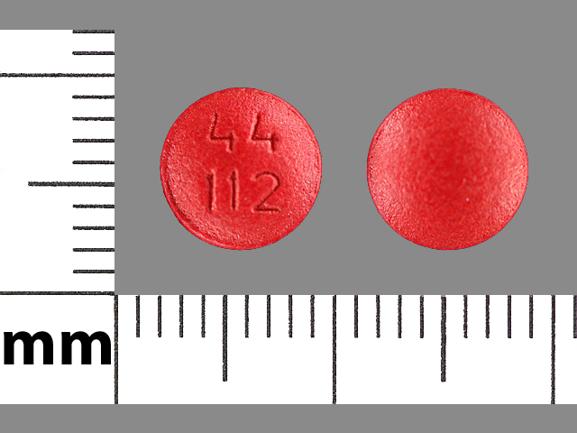
Pseudoephedrine
Generic name: pseudoephedrine [ SOO-doe-ee-FED-rin ]
Brand names: Chlor Trimeton Nasal Decongestant, Contac Cold, Drixoral Decongestant Non-Drowsy, Elixsure Decongestant, Entex,
... show all 20 brands
Drug class: Decongestants
Medically reviewed by Drugs.com. Last updated on Aug 21, 2023.
What is pseudoephedrine?
Pseudoephedrine is a decongestant that shrinks blood vessels in the nasal passages. Dilated blood vessels can cause nasal congestion (stuffy nose).
Pseudoephedrine is used to treat nasal and sinus congestion, or congestion of the tubes that drain fluid from your inner ears, called the eustachian (yoo-STAY-shun) tubes.
Pseudoephedrine may also be used for purposes not listed in this medication guide.
Warnings
Do not give pseudoephedrine to a child younger than 4 years old. Always ask a doctor before giving a cough or cold medicine to a child. Death can occur from the misuse of cough and cold medicines in very young children.
Ask a doctor or pharmacist before using any other cough or cold medicine. Pseudoephedrine or other decongestants are contained in many combination medicines. Taking certain products together can cause you to get too much of a certain drug. Check the label to see if a medicine contains pseudoephedrine or a decongestant. Do not use pseudoephedrine if you have used a MAO inhibitor such as furazolidone (Furoxone), isocarboxazid (Marplan), phenelzine (Nardil), rasagiline (Azilect), selegiline (Eldepryl, Emsam, Zelapar), or tranylcypromine (Parnate) in the last 14 days. A dangerous drug interaction could occur, leading to serious side effects.
Before taking this medicine
Do not use pseudoephedrine if you have used an MAO inhibitor such as furazolidone (Furoxone), isocarboxazid (Marplan), phenelzine (Nardil), rasagiline (Azilect), selegiline (Eldepryl, Emsam, Zelapar), or tranylcypromine (Parnate) in the last 14 days. A dangerous drug interaction could occur, leading to serious side effects. Do not use this medication if you are allergic to pseudoephedrine or to other decongestants, diet pills, stimulants, or ADHD medications.
Ask a doctor or pharmacist if it is safe for you to take pseudoephedrine if you have:
-
heart disease or high blood pressure;
-
diabetes; or
-
a thyroid disorder.
FDA pregnancy category C. It is not known whether pseudoephedrine will harm an unborn baby. Tell your doctor if you are pregnant or plan to become pregnant while using this medication. Pseudoephedrine can pass into breast milk and may harm a nursing baby. Do not use pseudoephedrine without telling your doctor if you are breast-feeding a baby.
Artificially sweetened liquid cold medicine may contain phenylalanine. If you have phenylketonuria (PKU), check the medication label to see if the product contains phenylalanine.
Related/similar drugs
prednisone, hydroxyzine, fluticasone nasal, loratadine, promethazine, Zyrtec, epinephrine topical
How should I take pseudoephedrine?
Use pseudoephedrine exactly as directed on the label, or as prescribed by your doctor. Do not use in larger or smaller amounts or for longer than recommended. Cold medicine is usually taken only for a short time until your symptoms clear up.
Do not give pseudoephedrine to a child younger than 4 years old. Always ask a doctor before giving a cough or cold medicine to a child. Death can occur from the misuse of cough and cold medicines in very young children.
Take this medicine with a full glass of water. Do not crush, chew, or break an extended-release tablet. Swallow it whole. Breaking or opening the pill may cause too much of the drug to be released at one time. You may need to shake the oral suspension (liquid) well just before you measure a dose. Measure the liquid with a special dose measuring spoon or medicine cup, not with a regular table spoon. If you do not have a dose measuring device, ask your pharmacist for one.
Do not take pseudoephedrine for longer than 7 days in a row. Talk with your doctor if your symptoms do not improve after 7 days of treatment, or if you have a fever with a headache, cough, or skin rash. If you need surgery, tell the surgeon ahead of time that you are using pseudoephedrine. You may need to stop using the medicine for a short time.
Store pseudoephedrine at room temperature away from moisture and heat.
What happens if I miss a dose?
Since pseudoephedrine is taken as needed, you may not be on a dosing schedule. If you are taking the medication regularly, take the missed dose as soon as you remember. Skip the missed dose if it is almost time for your next scheduled dose. Do not take extra medicine to make up the missed dose.
What happens if I overdose?
Seek emergency medical attention or call the Poison Help line at 1-800-222-1222.
Overdose symptoms may include feeling restless or nervous.
What should I avoid?
Avoid taking pseudoephedrine if you also take diet pills, caffeine pills, or other stimulants (such as ADHD medications). Taking a stimulant together with a decongestant can increase your risk of unpleasant side effects.
Ask a doctor or pharmacist before using any other cough or cold medicine. Pseudoephedrine or other decongestants are contained in many combination medicines. Taking certain products together can cause you to get too much of a certain drug. Check the label to see if a medicine contains pseudoephedrine or a decongestant.
Pseudoephedrine side effects
Get emergency medical help if you have any of these signs of an allergic reaction to pseudoephedrine: hives; difficulty breathing; swelling of your face, lips, tongue, or throat. Stop using pseudoephedrine and call your doctor at once if you have a serious side effect such as:
-
fast, pounding, or uneven heartbeat;
-
severe dizziness or anxiety;
-
easy bruising or bleeding, unusual weakness, fever, chills, body aches, flu symptoms; or
-
dangerously high blood pressure (severe headache, blurred vision, ringing in your ears, anxiety, confusion, chest pain, trouble breathing, uneven heart rate, seizure).
Less serious pseudoephedrine side effects may include:
-
loss of appetite;
-
warmth, tingling, or redness under your skin;
-
feeling restless or excited (especially in children);
-
sleep problems (insomnia); or
-
skin rash or itching.
This is not a complete list of side effects and others may occur. Call your doctor for medical advice about side effects. You may report side effects to FDA at 1-800-FDA-1088.
Dosing information
Usual Adult Dose of Pseudoephedrine for Nasal Congestion:
Immediate release: 30 to 60 mg orally every 4 to 6 hours as needed.
Sustained release: 120 mg orally every 12 hours as needed.
Sustained release suspension: 45 to 100 mg orally every 12 hours as needed.
Maximum daily dose is 240 mg/day.
Usual Pediatric Dose of Pseudoephedrine for Nasal Congestion:
2 years to 5 years:
Immediate release: 15 mg every 6 hours.
Sustained release suspension: 12.5 to 25 mg orally every 12 hours as needed.
Maximum daily dose is 60 mg/day.
Alternative dosing: 1 mg/kg/dose every 6 hours; maximum dose: 15 mg.
6 years to 12 years:
Immediate release: 30 mg every 6 hours.
Sustained release suspension: 25 to 50 mg orally every 12 hours as needed.
Maximum daily dose is 120 mg/day.
over 12 years:
Immediate release: 30 to 60 mg orally every 4 to 6 hours as needed.
Sustained release: 120 mg orally every 12 hours as needed.
Sustained release suspension: 50 to 100 mg orally every 12 hours as needed.
Maximum daily dose is 240 mg/day.
What other drugs will affect pseudoephedrine?
Tell your doctor about all other medicines you use, especially:
-
blood pressure medications;
-
a beta blocker such as atenolol (Tenormin, Tenoretic), carvedilol (Coreg), labetalol (Normodyne, Trandate), metoprolol (Dutoprol, Lopressor, Toprol), nadolol (Corgard), propranolol (Inderal, InnoPran), sotalol (Betapace), and others; or
-
an antidepressant such as amitriptyline (Elavil, Vanatrip, Limbitrol), doxepin (Sinequan), nortriptyline (Pamelor), and others.
This list is not complete and other drugs may interact with pseudoephedrine. Tell your doctor about all medications you use. This includes prescription, over-the-counter, vitamin, and herbal products. Do not start a new medication without telling your doctor.
Popular FAQ
Phenylephrine vs Pseudoephedrine - How do they compare?
The most important difference between phenylephrine (PE) and pseudoephedrine is that phenylephrine is ineffective at relieving nasal congestion, whereas there is some evidence that oral pseudoephedrine is effective. Continue reading
More about pseudoephedrine
- Check interactions
- Compare alternatives
- Pricing & coupons
- Reviews (92)
- Drug images
- Side effects
- Dosage information
- Patient tips
- During pregnancy
- Support group
- Drug class: decongestants
- Breastfeeding
- En español
Patient resources
- Pseudoephedrine Capsules and Tablets patient information
- Pseudoephedrine Extended-Release Tablets (12 Hour)
- Pseudoephedrine Extended-Release Tablets (24 Hour)
- Pseudoephedrine Liquid
Other brands
Sudafed Congestion, Sudafed 12-Hour, Sudafed 24-Hour, Suphedrine, ... +8 more
Professional resources
Other brands
Related treatment guides
Further information
Remember, keep this and all other medicines out of the reach of children, never share your medicines with others, and use pseudoephedrine only for the indication prescribed.
Always consult your healthcare provider to ensure the information displayed on this page applies to your personal circumstances.
Copyright 1996-2024 Cerner Multum, Inc. Version: 11.01.