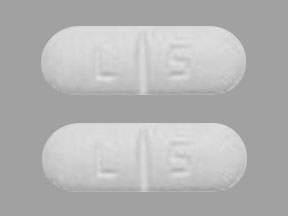
Lamivudine (Monograph)
Brand names: Epivir, Epivir-HBV
Drug class: HIV Nucleoside and Nucleotide Reverse Transcriptase Inhibitors
Warning
- Exacerbations of HBV
-
Severe, acute exacerbations of HBV reported following discontinuance of lamivudine in HIV-infected patients coinfected with HBV. Monitor hepatic function closely with both clinical and laboratory follow-up for at least several months after discontinuance of lamivudine-containing preparations in coinfected patients. If appropriate, initiation of HBV treatment may be warranted.
- Differences Between Lamivudine Preparations and Risk of HIV-1 Resistance in Patients with Unrecognized or Untreated HIV-1 Infection
-
Lamivudine tablets and oral solution labeled by FDA for treatment of HIV-1 infection contain a higher dose of lamivudine than lamivudine tablets and oral solution labeled by FDA for treatment of chronic HBV infection. HIV-infected patients should only receive a lamivudine preparation appropriate for treatment of HIV.
-
Lamivudine tablets and oral solution labeled by FDA for treatment of chronic HBV infection are not indicated for treatment of HIV-1 infection. Offer HIV counseling and testing to all patients prior to and periodically during lamivudine treatment of HBV infection. Lamivudine preparations used for treatment of HBV infection contain a lower dose of lamivudine than lamivudine preparations used to treat HIV-1 infection and use of such preparations in patients with unrecognized or untreated HIV infection may result in rapid emergence of HIV resistance because of subtherapeutic dose and inappropriate monotherapy.
Introduction
Antiretroviral; HIV nucleoside reverse transcriptase inhibitor (NRTI); also has antiviral activity against HBV.
Uses for Lamivudine
Treatment of HIV Infection
Used in conjunction with other antiretroviral agents for the treatment of human immunodeficiency virus type 1 (HIV-1) infection in adult and pediatric patients.
Commonly used as part of a dual-nucleoside reverse transcriptase inhibitor (NRTI) “backbone” of a fully suppressive antiretroviral regimen; consult guidelines for the most current information on recommended regimens. Selection of an initial antiretroviral regimen should be individualized based on factors such as virologic efficacy, toxicity, pill burden, dosing frequency, drug-drug interaction potential, resistance test results, comorbid conditions, access, and cost.
Used as part of an antiretroviral regimen for treatment of HIV-1 infection in treatment-naïve and treatment-experienced pregnant women.
Used as part of a 3-drug regimen for prevention of perinatal transmission of HIV in neonates at high risk of HIV acquisition.
Postexposure Prophylaxis following Occupational Exposure to HIV (PEP)
Used an an alternative regimen in conjunction with other antiretrovirals for postexposure prophylaxis of HIV infection following occupational exposure† [off-label] (PEP) in healthcare personnel and other individuals.
The United States Public Health Service (USPHS) recommends 3-drug regimen of raltegravir in conjunction with emtricitabine and tenofovir DF as the preferred regimen for PEP following occupational exposures to HIV. Several alternative regimens that include an integrase strand transfer inhibitor (INSTI), non-nucleoside reverse transcriptase inhibitor (NNRTI), or protease inhibitor (PI) and 2 nucleoside reverse transcriptase inhibitor (NRTIs - dual NRTIs) are also recommended. Preferred dual NRTI option for PEP regimens is emtricitabine and tenofovir disoproxil fumarate (DF), which may be given as emtricitabine/tenofovir DF fixed combination; alternative dual NRTIs are tenofovir DF and lamivudine, lamivudine and zidovudine (may be given as lamivudine/zidovudine), or zidovudine and emtricitabine.
Management of occupational exposures to HIV is complex and evolving; consult infectious disease specialist, clinician with expertise in administration of antiretroviral agents, and/or National Clinicians’ Postexposure Prophylaxis Hotline (PEPline at 888-448-4911) whenever possible. Do not delay initiation of PEP while waiting for expert consultation.
Postexposure Prophylaxis following Nonoccupational Exposure to HIV (nPEP)
Recommended as a potential agent in conjunction with other antiretrovirals for postexposure prophylaxis of HIV infection following nonoccupational exposure† [off-label] (nPEP) after sexual, injection drug use, or other nonoccupational exposures.
When nPEP indicated in adults and adolescents ≥13 years of age with normal renal function, CDC states preferred regimen is either raltegravir or dolutegravir used in conjunction with emtricitabine and tenofovir DF (given as emtricitabine/tenofovir DF fixed combination). These experts state preferred nPEP regimen in adults and adolescents ≥13 years of age with impaired renal function (Clcr ≤59 mL/minute) is either raltegravir or dolutegravir used in conjunction with zidovudine and lamivudine.
Consult infectious disease specialist, clinician with expertise in administration of antiretroviral agents, and/or the National Clinicians’ Postexposure Prophylaxis Hotline (PEPline at 888-448-4911) if nPEP indicated in certain exposed individuals (e.g., pregnant women, children, those with medical conditions such as renal impairment), if considering a regimen not included in CDC guidelines, if source virus is known or likely to be resistant to antiretrovirals, or if healthcare provider is inexperienced in prescribing antiretrovirals. Do not delay initiation of nPEP while waiting for expert consultation.
Chronic HBV Infection
Used for the treatment of chronic hepatitis B virus (HBV) infection associated with evidence of HBV replication and active liver inflammation.
Not considered a preferred antiviral for treatment of chronic HBV infection because a high rate of lamivudine-resistant HBV has been reported.
May be considered for treatment of chronic HBV infection only when alternative antiviral agents associated with a higher genetic barrier to resistance are not available or appropriate.
Lamivudine Dosage and Administration
General
Pretreatment Screening
-
When lamivudine is used for treatment of HBV, offer HIV testing prior to starting therapy.
Patient Monitoring
-
When lamivudine is used for treatment of HBV, offer HIV testing periodically during therapy.
-
Closely monitor for exacerbation of hepatitis in patients with HBV and HIV-1 coinfection for at least several months after stopping lamivudine treatment.
-
Consider more frequent monitoring of HBV viral load when chronic coadministration of sorbitol-containing products cannot be avoided.
Dispensing and Administration Precautions
-
Lamivudine is commercially available as a single entity and in various fixed-combination preparations containing additional antiretroviral agents. Refer to the full prescribing information for specific, distinct uses of the combination products. Since the antiretroviral agents contained in the fixed combination preparations also may be available in single-entity or other fixed-combination preparations, exercise care to ensure that therapy is not duplicated if a fixed combination is used in conjunction with other antiretrovirals.
-
The ISMP list of error-prone abbreviations, symbols, and dose designations states that the use of abbreviations for antiretroviral medications (e.g., DOR, TAF, TDF) during the medication use process should be avoided as their use has been associated with serious medication errors.
-
The Institute for Safe Medication Practices (ISMP) includes lamiVUDine on the ISMP List of Confused Drug Names, and recommends special safeguards to ensure the accuracy of prescriptions for this drug.
Administration
Oral Administration
Administer lamivudine orally without regard to meals.
Lamivudine labeled by FDA for treatment of HIV-1 infection: Use oral solution containing 10 mg/mL or film-coated tablets containing 150 or 300 mg. The 150-mg scored tablets are the preferred preparation in pediatric patients weighing ≥14 kg if they can reliably swallow tablets. Use the 10-mg/mL oral solution in those unable to safely and reliably swallow tablets.
Lamivudine labeled by FDA for treatment of chronic HBV infection: Use oral solution containing 5 mg/mL or film-coated tablets containing 100 mg. Use the 5-mg/mL oral solution in patients requiring doses <100 mg and in pediatric patients unable to reliably swallow tablets.
Lamivudine is also commercially available in the following fixed-combination preparations for oral use: lamivudine/zidovudine (Combivir, generic) , abacavir/lamivudine (Epzicom, generic) , abacavir/lamivudine/zidovudine (Trizivir, generic) , lamivudine/tenofovir disoproxil fumarate (Cimduo), doravirine/lamivudine/tenofovir disoproxil fumarate (Delstrigo), dolutegravir/lamivudine (Dovato), efavirenz/lamivudine/tenofovir disoproxil fumarate (Symfi; Symfi Lo), and abacavir/dolutegravir/lamivudine (Triumeq; Triumeq PD). See the full prescribing information for administration of each of these combination products.
Dosage
Pediatric Patients
Treatment of HIV Infection
Oral
Neonates and young infants† [off-label] (oral solution containing 10 mg/mL): Experts recommend 2 mg/kg twice daily in those <4 weeks of age and 4 mg/kg (up to 150 mg) twice daily in those ≥4 weeks of age.
Pediatric patients ≥3 months of age (oral solution containing 10 mg/mL): 5 mg/kg twice daily or 10 mg/kg once daily (up to 300 mg maximum daily dosage). Consider HIV-1 viral load and CD4+ cell count/percentage when selecting the dosing interval for patients initiating treatment with oral solution.
Pediatric patients ≥3 months of age weighing ≥14 kg (150-mg scored tablets): Recommended dosage is based on weight (see Table 1 and Table 2). Data regarding efficacy of once-daily regimen of lamivudine 150-mg scored tablets limited to those who transitioned from twice-daily regimen to once-daily regimen after 36 weeks of treatment.
|
Weight (kg) |
AM Dose |
PM Dose |
|---|---|---|
|
14 to <20 |
75 mg (half of 150-mg tablet) |
75 mg (half of 150-mg tablet) |
|
20 to <25 |
75 mg (half of 150-mg tablet) |
150 mg (one 150-mg tablet) |
|
≥25 |
150 mg (one 150-mg tablet) |
150 mg (one 150-mg tablet) |
|
Weight (kg) |
Once-daily Dose |
|---|---|
|
14 to <20 |
150 mg (one 150-mg tablet) |
|
20 to <25 |
225 mg (one and one-half 150-mg tablets) |
|
≥25 |
300 mg (two 150-mg tablets or one 300-mg tablet) |
Prevention of Perinatal HIV Transmission† [off-label]
Empiric HIV Therapy in Neonates Born to HIV-infected Women† [off-label]
OralRecommended empiric HIV therapy regimen consists of zidovudine, lamivudine, and nevirapine initiated as soon as possible after birth (within 6–12 hours); used in HIV-exposed neonates considered at highest risk of HIV acquisition.
Lamivudine: 2 mg/kg twice daily from birth to 4 weeks of age and 4 mg/kg twice daily from 4–6 weeks of age.
Optimal duration of empiric HIV therapy in HIV-exposed neonates unknown. Many experts recommend that 3-drug empiric regimen be continued for 6 weeks; others discontinue nevirapine and/or lamivudine if result of neonate's HIV nucleic acid amplification test (NAAT) is negative, but recommend continuing zidovudine for 6 weeks.
Consult National Perinatal HIV Hotline at 888-448-8765 for information regarding selection of antiretrovirals, including dosage considerations, for prevention of perinatal HIV transmission.
Chronic HBV Infection
Oral
For pediatric patients 2–17 years of age, 3 mg/kg once daily up to a maximum daily dosage of 100 mg. Use oral solution for patients requiring dosage <100 mg or if unable to swallow tablets.
Optimal duration of treatment unknown.
Adults
Treatment of HIV Infection
Oral
150 mg twice daily or 300 mg once daily.
Postexposure Prophylaxis following Occupational Exposure to HIV (PEP)†
Oral
300 mg once daily. Alternatively, 150 mg twice daily. Use in conjunction with other antiretrovirals.
Initiate PEP as soon as possible following occupational exposure to HIV (preferably within hours); continue for 4 weeks if tolerated.
Postexposure Prophylaxis following Nonoccupational Exposure to HIV (nPEP)†
Oral
In adults and adolescents >13 years of age, adjust dosage based on renal function. Use in conjunction with other antiretrovirals.
Initiate nPEP as soon as possible (within 72 hours) following nonoccupational exposure to HIV that represents a substantial risk for HIV transmission and continue for 28 days.
nPEP not recommended if exposed individual seeks care >72 hours after exposure.
Chronic HBV Infection
Oral
Lamivudine (100-mg tablets or oral solution containing 5 mg/mL): 100 mg once daily.
Optimal duration of treatment unknown.
Special Populations
Hepatic Impairment
Dosage adjustments not needed. Safety and efficacy not established in those with decompensated liver disease.
Renal Impairment
For treatment of HIV infection in pediatric patients with renal impairment: Consider reducing dose and/or increasing dosing interval; data insufficient to make specific recommendations.
For treatment of HIV infection in adults and adolescents with renal impairment: Decrease dosage in those with Clcr <50 mL/minute (see Table 3).
|
Clcr (mL/minute) |
Dosage |
|---|---|
|
30–49 |
150 mg once daily |
|
15–29 |
150 mg first dose, then 100 mg once daily |
|
5–14 |
150 mg first dose, then 50 mg once daily |
|
<5 |
50 mg first dose, then 25 mg once daily |
|
Hemodialysis patients |
Supplemental doses unnecessary after routine (4-hour) hemodialysis |
|
Peritoneal dialysis patients |
Supplemental doses unnecessary after peritoneal dialysis |
For treatment of chronic HBV infection in adults with renal impairment: Decrease dosage in those with Clcr <50 mL/minute (See Table 4).
For treatment of chronic HBV infection in pediatric patients with renal impairment: Manufacturer states data insufficient to make specific recommendations.
|
Clcr (mL/minute) |
Dosage |
|---|---|
|
30–49 |
100 mg first dose, then 50 mg once daily |
|
15–29 |
100 mg first dose, then 25 mg once daily |
|
5–14 |
35 mg first dose, then 15 mg once daily |
|
<5 |
35 mg first dose, then 10 mg once daily |
|
Hemodialysis patients |
Supplemental doses unnecessary after routine (4-hour) hemodialysis |
|
Peritoneal dialysis patients |
Supplemental doses unnecessary after peritoneal dialysis |
Geriatric Patients
Use with caution because of age-related decreases in hepatic, renal, and/or cardiac function and concomitant disease and drug therapy.
Cautions for Lamivudine
Contraindications
-
Previous hypersensitivity reaction to lamivudine.
Warnings/Precautions
Warnings
Patients with Hepatitis B Virus and HIV-1 Co-infection
Prescribing information contains a boxed warning regarding risk of severe acute exacerbations of hepatitis B in patients who are coinfected with hepatitis B virus (HBV) and HIV-1 and have discontinued lamivudine. Clinical and laboratory evidence of exacerbations of hepatitis occurred after discontinuation of lamivudine; detected primarily by serum ALT elevations in addition to re-emergence of HBV DNA. Although most events self-limited, fatalities reported. Similar events reported after changes from lamivudine-containing HIV-1 treatment regimens to non-lamivudine-containing regimens in patients infected with both HIV-1 and HBV. Causal relationship unknown. Monitor patients closely for at least several months after stopping treatment. Safety and efficacy not established for treatment of chronic hepatitis B in subjects dually infected with HIV-1 and HBV. Emergence of HBV variants associated with resistance to lamivudine also reported in HIV-1–infected subjects who have received lamivudine-containing antiretroviral regimens in the presence of concurrent infection with HBV.
Differences Between Lamivudine Preparations and Risk of HIV-1 Resistance in Patients with Unrecognized or Untreated HIV-1 Infection
Boxed warnings about the different formulations of lamivudine and the risk of HIV-1 resistance in patients with unrecognized or untreated HIV-1 infection are included in the prescribing information for lamivudine. Epivir-HBV tablets and oral solution contain a lower lamivudine dose than the lamivudine dose used to treat HIV-1 infection with Epivir tablets and oral solution or with lamivudine-containing antiretroviral fixed-dose combination products. Epivir-HBV not appropriate for patients co-infected with HBV and HIV-1. If a patient with unrecognized or untreated HIV-1 infection is prescribed Epivir-HBV for the treatment of HBV, rapid emergence of HIV-1 resistance is likely because of subtherapeutic dose and inappropriate use of monotherapy for HIV-1 treatment. Offer HIV counseling and testing to all patients before beginning treatment with Epivir-HBV and periodically during treatment because of the risk of rapid emergence of resistant HIV-1 and limitation of treatment options if Epivir-HBV is prescribed to treat chronic hepatitis B in a patient who has unrecognized or untreated HIV-1 infection or who acquires HIV-1 infection during treatment.
Other Warnings and Precautions
Lactic Acidosis and Severe Hepatomegaly with Steatosis
Lactic acidosis and severe hepatomegaly with steatosis, including fatal cases, reported with use of nucleoside analogues, including lamivudine. A majority of these cases have been in women; female sex and obesity may be risk factors. Suspend treatment with lamivudine in any patient with findings suggestive of lactic acidosis or pronounced hepatotoxicity, which may include hepatomegaly and steatosis, even in absence of marked transaminase elevations.
Pancreatitis
In pediatric patients with history of prior antiretroviral nucleoside exposure, history of pancreatitis, or other significant risk factors for development of pancreatitis, use lamivudine with caution. Discontinue immediately if clinical signs, symptoms, or laboratory abnormalities suggestive of pancreatitis occur.
Immune Reconstitution Syndrome
Immune reconstitution syndrome reported in patients treated with combination antiretroviral therapy, including lamivudine. During the initial phase of combination antiretroviral treatment, patients whose immune systems respond may develop an inflammatory response to indolent or residual opportunistic infections (e.g., Mycobacterium avium complex infection, cytomegalovirus, Pneumocystis jirovecii pneumonia [PCP], or tuberculosis), which may necessitate further evaluation and treatment. Autoimmune disorders (e.g., Graves’ disease, polymyositis, and Guillain-Barré syndrome) also reported in the setting of immune reconstitution; however, time to onset is variable, and can occur many months after initiation of treatment.
Lower Virologic Suppression Rates and Increased Risk of Viral Resistance with Oral Solution
Pediatric subjects who received lamivudine oral solution (Epivir; at weight band-based doses approximating 8 mg/kg per day) along with other antiretroviral oral solutions during the ARROW trial had lower rates of virologic suppression, lower plasma lamivudine exposure, and developed viral resistance more frequently than those receiving Epivir tablets. Epivir scored tablet is the preferred formulation for HIV-1-infected pediatric patients ≥14 kg and for whom a solid dosage form is appropriate. Use an all-tablet regimen when possible to avoid potential interaction with sorbitol. Consider more frequent monitoring of HIV-1 viral load when treating with Epivir oral solution.
Emergence of Resistance-Associated HBV Substitutions
YMDD-mutant HBV was detected in subjects with on–Epivir-HBV re-appearance of HBV DNA after an initial decline below the assay limit. Adult and pediatric subjects treated with Epivir-HBV with YMDD-mutant HBV at 52 weeks showed decreased treatment responses in comparison with subjects treated with Epivir-HBV without evidence of YMDD substitutions, including the following: lower rates of HBeAg seroconversion and HBeAg loss, more frequent return of positive HBV DNA, and more frequent ALT elevations. In controlled trials, when subjects developed YMDD-mutant HBV, they had a rise in HBV DNA and ALT from previous on-treatment levels. Progression of hepatitis B, including death, reported in some subjects with YMDD-mutant HBV, including patients in the liver transplant setting and from other clinical trials. Consider switch to alternative regimen if serum HBV DNA remains detectable after 24 weeks of treatment. Optimal therapy should be guided by resistance testing.
Specific Populations
Pregnancy
Antiretroviral Pregnancy Registry at 800-258-4263 or [Web].
Available data from the pregnancy registry indicate no difference in risk of overall major birth defects among infants born to women who received lamivudine during pregnancy compared with US background rate for major birth defects.
Lamivudine crosses the placenta and is distributed into cord blood in concentrations similar to maternal serum concentrations.
Lactation
Lamivudine is distributed into human milk. Not known whether the drug affects human milk production or affects the breast-fed infant.
The HHS perinatal HIV transmission guideline provides updated recommendations on infant feeding. The guideline states that patients with HIV should receive evidence-based, patient-centered counseling to support shared decision making about infant feeding. During counseling, patients should be informed that feeding with appropriate formula or pasteurized donor human milk from a milk bank eliminates the risk of postnatal HIV transmission to the infant. Additionally, achieving and maintaining viral suppression with antiretroviral therapy during pregnancy and postpartum reduces the risk of breastfeeding HIV transmission to <1%, but does not completely eliminate the risk. Replacement feeding with formula or banked pasteurized donor milk is recommended when patients with HIV are not on antiretroviral therapy and/or do not have a suppressed viral load during pregnancy (at a minimum throughout the third trimester), as well as at delivery.
In HBV-infected women, consider benefits of breast-feeding and importance of the drug to the woman; also consider potential adverse effects on the breast-fed infant from the drug or underlying maternal condition.
Females and Males of Reproductive Potential
Animal studies indicate no evidence of impaired fertility and no effect on survival, growth, and development to weaning of the offspring.
Pediatric Use
The safety and efficacy of lamivudine for HIV-1 (Epivir) have been established in pediatric patients 3 months of age and older. The scored tablet is the preferred formulation for HIV-1-infected pediatric patients weighing ≥14 kg for whom a solid dosage form is appropriate.
The safety and efficacy of lamivudine (Epivir-HBV) in pediatric patients younger than 2 years have not been established.
Geriatric Use
Insufficient experience in those ≥65 years of age to determine whether they respond differently than younger adults.
Use with caution because of age-related decreases in hepatic, renal, and/or cardiac function and concomitant disease and drug therapy.
Hepatic Impairment
Pharmacokinetics not altered by diminishing hepatic function. Safety and efficacy not established in the presence of decompensated liver disease.
Renal Impairment
Dosage adjustments recommended based on degree of renal impairment (See Tables 3 and 4).
Time to maximum concentration not significantly affected by renal function. In a trial including otherwise healthy subjects with impaired renal function, hemodialysis increased lamivudine clearance; however, the length of time of hemodialysis (4 hours) was insufficient to significantly alter mean lamivudine exposure after a single-dose administration. Continuous ambulatory peritoneal dialysis and automated peritoneal dialysis have negligible effects on clearance. Following correction of dose for Clcr, no additional dose modification recommended after routine hemodialysis or peritoneal dialysis. Effects of renal impairment on lamivudine pharmacokinetics in pediatric patients not known.
Common Adverse Effects
In treatment of HIV infection in adults, most common adverse reactions (≥15%) were headache, nausea, malaise and fatigue, nasal signs and symptoms, diarrhea, cough. In treatment of HIV infection in pediatric patients, most common adverse reactions (≥15%) were fever and cough.
In treatment of HBV infection, most common adverse reactions (≥10%) were ear, nose, and throat infections; sore throat; diarrhea.
Drug Interactions
The following drug interactions are based on studies using lamivudine. Additional drug interactions may exist for fixed-dose combination products containing lamivudine/zidovudine (Combivir, generic), abacavir/lamivudine (Epzicom, generic), abacavir/lamivudine/zidovudine (Trizivir, generic), lamivudine/tenofovir disoproxil fumarate (Cimduo), doravirine/lamivudine/tenofovir disoproxil fumarate (Delstrigo), dolutegravir/lamivudine (Dovato), efavirenz/lamivudine/tenofovir disoproxil fumarate (Symfi; Symfi Lo), and abacavir/dolutegravir/lamivudine (Triumeq; Triumeq PD). See the full prescribing information for information on each of these combination products.
Drugs Affecting or Affected by Membrane Transporters
Lamivudine is a substrate of P-glycoprotein (P-gp) and breast cancer resistance protein (BCRP). However, concomitant use of drugs that are inhibitors of these efflux transporters unlikely to affect disposition and elimination of lamivudine.
Lamivudine is a substrate of multidrug and toxin extrusion protein (MATE) 1, MATE2-K, and organic cation transporter (OCT) 2 in vitro. Lamivudine predominantly eliminated in urine by active organic cationic secretion. Consider possibility of interactions with other drugs, particularly when their main route of elimination is active renal secretion via the OCT system (e.g., trimethoprim). No data available regarding interactions with other drugs that have renal clearance mechanisms similar to that of lamivudine.
At clinically important concentrations, lamivudine not expected to affect pharmacokinetics of drugs that are substrates of organic anion transporter polypeptide 1B1/3 (OATP1B1/3), BCRP, P-gp, MATE1, MATE2-K, OCT1, OCT2, or OCT3.
Specific Drugs
|
Drug |
Interaction |
Comments |
|---|---|---|
|
Interferon (interferon alfa, peginterferon alfa) |
Interferon alfa: No clinically important pharmacokinetic interactions |
|
|
Ribavirin |
No evidence of clinically important pharmacokinetic interactions |
|
|
Sorbitol |
Sorbitol dose-dependent decreases in lamivudine concentrations |
Avoid concomitant use of lamivudine and sorbitol-containing preparations; if chronic concomitant use cannot be avoided in patients receiving lamivudine for treatment of chronic HBV infection, consider more frequent monitoring of HBV viral load |
|
Trimethoprim |
Increased lamivudine concentrations; not considered clinically important |
Dosage adjustments not needed |
Lamivudine Pharmacokinetics
Absorption
Bioavailability
Rapidly absorbed from GI tract; peak plasma concentrations achieved within 0.5–2 hours.
Absolute bioavailability of 150-mg scored tablets and oral solution is similar (86 and 87%, respectively) in adults. Comparison of steady-state pharmacokinetics of once-daily lamivudine regimen (300-mg tablet once daily) or twice-daily lamivudine regimen (150-mg tablet twice daily) in healthy adults indicates AUC is similar with both regimens; peak plasma concentrations are 66% higher and trough concentrations 53% lower with once-daily regimen.
Food
Food does not appear to affect AUC.
Special Populations
Pediatric patients: Absolute bioavailability (lamivudine tablets or oral solution) is lower in children than in adults; relative bioavailability of the oral solution is approximately 40% lower than tablets. Lower exposures reported in pediatric patients receiving the oral solution are likely due to an interaction between lamivudine and concomitant solutions containing sorbitol (e.g., abacavir oral solution). In HIV-1-infected pediatric patients 3 months through 12 years of age, AUCs attained with once-daily lamivudine regimens were similar to those attained with twice-daily lamivudine regimens when comparison made within same formulation (i.e., either tablets or oral solution). However, mean peak plasma concentrations were approximately 80–90% higher with once-daily regimens compared with twice-daily regimens.
Pregnant women: Pharmacokinetics similar to that reported in nonpregnant adults and postpartum women.
Hepatic impairment: Peak plasma concentration and AUC similar to those in patients with normal hepatic function.
Renal impairment: Peak plasma concentration and AUC increased depending on degree of renal impairment.
Distribution
Extent
Not well characterized; distributes into extravascular spaces.
Distributed into CSF; concentrations in CSF may be 5.6–30.9% of concurrent serum concentrations in HIV-infected children.
Crosses the placenta and is distributed into cord blood and amniotic fluid. Concentrations in amniotic fluid typically twofold higher than maternal serum concentrations.
Distributed into milk.
Plasma Protein Binding
<36%.
Elimination
Metabolism
Metabolism is a minor route of elimination; only known metabolite is the trans-sulfoxide metabolite.
Not substantially metabolized by CYP isoenzymes.
Intracellularly, lamivudine is phosphorylated and converted by cellular enzymes to the active 5′-triphosphate metabolite.
Elimination Route
Majority of dose eliminated unchanged in urine by active organic cationic secretion. Within 24 hours, approximately 5% of an oral dose excreted in urine as the trans-sulfoxide metabolite.
Half-life
5–7 hours.
HIV-infected children 4 months to 14 years of age: 2 hours.
Special Populations
Hepatic impairment: Pharmacokinetics not altered.
Renal impairment: Half-life increased with diminishing renal function.
Hemodialysis increases clearance; length of time of hemodialysis (4 hours) insufficient to substantially alter mean lamivudine exposure after single-dose administration. Continuous ambulatory peritoneal dialysis and automated peritoneal dialysis have negligible effects on lamivudine clearance.
Stability
Storage
Oral
Solution
Lamivudine (oral solution containing 10 mg/mL): 25°C in tightly closed bottles.
Lamivudine (oral solution containing 5 mg/mL): 20–25°C in tightly closed bottles.
Tablets
Lamivudine: 25°C (excursions permitted between 15–30°C).
Actions and Spectrum
-
Lamivudine is a dideoxy analogue of cytidine.
-
Pharmacologically related to, but structurally different from, other NRTIs and other currently available antiretrovirals.
-
A prodrug that is inactive until converted intracellularly to lamivudine triphosphate.
-
Active in vitro against HIV-1 and HIV-2. Also active against HBV.
-
Inhibits replication of HIV by interfering with viral RNA-directed DNA polymerase (reverse transcriptase).
-
Inhibits replication of HBV by interfering with HBV polymerase.
-
HIV-1 with reduced susceptibility to lamivudine have been produced in vitro and have emerged during therapy with the drug.
-
Lamivudine-resistant HIV may be cross-resistant to some other NRTIs (e.g., abacavir, didanosine, emtricitabine, tenofovir, stavudine).
-
HBV with reduced susceptibility to lamivudine have emerged during therapy, including YMDD-mutant HBV associated with diminished treatment response. Prevalence of YMDD-mutants increases with long-term lamivudine therapy.
-
Some lamivudine-resistant HBV remain susceptible to adefovir, but have reduced susceptibility to entecavir and telbivudine. Other lamivudine-resistant HBV have reduced susceptibility to telbivudine and/or tenofovir.
Advice to Patients
-
When used for treatment of chronic HBV infection, advise patients that the long-term benefits of the drug are unknown and that the relationship between treatment response and outcomes such as hepatocellular carcinoma and decompensated cirrhosis is unknown. Explain importance of reporting any new symptoms to a clinician.
-
Advise patients that lactic acidosis and severe hepatomegaly with steatosis have been reported with use of nucleoside analogs and other antiretrovirals. Explain importance of discontinuing lamivudine and notifying a clinician if symptoms suggestive of lactic acidosis or pronounced hepatotoxicity develop.
-
Advise patients that an all-tablet regimen should be used when possible due to an increased rate of treatment failure among pediatric subjects who received lamivudine (Epivir) oral solution concomitantly with other antiretroviral oral solutions.
-
Advise diabetic patients receiving lamivudine oral solutions that each mL contains 200 mg of sucrose.
-
Advise patients to immediately contact a clinician if they have any signs or symptoms of infection since inflammation from previous infections may occur soon after antiretroviral therapy is initiated.
-
Explain that redistribution/accumulation of body fat may occur, with as yet unknown long-term health effects.
-
Explain possibility of pancreatitis in pediatric patients; advise parents or guardians to monitor pediatric patients for signs and symptoms.
-
Advise patients to inform their clinician of existing or contemplated concomitant therapy, including prescription and OTC drugs and dietary or herbal supplements, as well as any concomitant illnesses.
-
Advise women to inform their clinician if they are or plan to become pregnant or plan to breast-feed.
-
Advise patients of other important precautionary information.
Additional Information
The American Society of Health-System Pharmacists, Inc. represents that the information provided in the accompanying monograph was formulated with a reasonable standard of care, and in conformity with professional standards in the field. Readers are advised that decisions regarding use of drugs are complex medical decisions requiring the independent, informed decision of an appropriate health care professional, and that the information contained in the monograph is provided for informational purposes only. The manufacturer’s labeling should be consulted for more detailed information. The American Society of Health-System Pharmacists, Inc. does not endorse or recommend the use of any drug. The information contained in the monograph is not a substitute for medical care.
Preparations
Excipients in commercially available drug preparations may have clinically important effects in some individuals; consult specific product labeling for details.
Please refer to the ASHP Drug Shortages Resource Center for information on shortages of one or more of these preparations.
* available from one or more manufacturer, distributor, and/or repackager by generic (nonproprietary) name
|
Routes |
Dosage Forms |
Strengths |
Brand Names |
Manufacturer |
|---|---|---|---|---|
|
Oral |
Solution |
5 mg/mL |
Epivir-HBV |
GlaxoSmithKline |
|
10 mg/mL* |
Epivir |
ViiV |
||
|
LamiVUDine Oral Solution |
||||
|
Tablets, film-coated |
100 mg* |
Epivir-HBV |
GlaxoSmithKline |
|
|
LamiVUDine Tablets |
||||
|
150 mg* |
Epivir (scored) |
ViiV |
||
|
LamiVUDine Tablets (scored) |
||||
|
300 mg* |
Epivir |
ViiV |
||
|
LamiVUDine Tablets |
AHFS DI Essentials™. © Copyright 2025, Selected Revisions May 10, 2025. American Society of Health-System Pharmacists, Inc., 4500 East-West Highway, Suite 900, Bethesda, Maryland 20814.
† Off-label: Use is not currently included in the labeling approved by the US Food and Drug Administration.
Reload page with references included
Related/similar drugs
Frequently asked questions
- HIV Antiviral Drugs - What are the common side effects?
- What is the difference between HIV treatments Symfi and Symfi Lo?
- How much does HIV treatment Cimduo cost?
- What drugs are contained in the HIV treatment Delstrigo?
- What drugs are contained in the HIV treatment Cimduo?
- What drugs are contained in the HIV treatment Symfi Lo?
More about lamivudine
- Check interactions
- Compare alternatives
- Pricing & coupons
- Reviews (5)
- Drug images
- Side effects
- Dosage information
- During pregnancy
- Drug class: nucleoside reverse transcriptase inhibitors (NRTIs)
- Breastfeeding
- En español