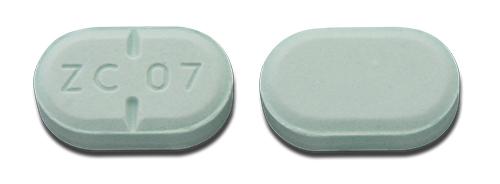
Haloperidol (Monograph)
Brand name: Haldol
Drug class: Butyrophenones
Warning
- Increased Mortality in Geriatric Patients with Dementia-related Psychosis
-
Geriatric patients with dementia-related psychosis treated with antipsychotic agents are at an increased risk of death.
-
Analyses of 17 placebo-controlled trials in geriatric patients mainly receiving atypical antipsychotic agents revealed an approximate 1.6- to 1.7-fold increase in mortality compared with that in patients receiving placebo.
-
Most fatalities appeared to result from cardiovascular-related events (e.g., heart failure, sudden death) or infections (mostly pneumonia).
-
Observational studies suggest that conventional antipsychotic agents also may increase mortality in such patients.
-
Antipsychotic agents, including haloperidol, are not approved for the treatment of dementia-related psychosis.
Introduction
Butyrophenone derivative; conventional (prototypical, first-generation) antipsychotic agent.
Uses for Haloperidol
Schizophrenia
Treatment of schizophrenia. Long-acting haloperidol decanoate ester used principally for prolonged parenteral antipsychotic therapy (e.g., chronic schizophrenic disorder).
American Psychiatric Association (APA) and Department of Veterans Affairs/Department of Defense recommend antipsychotic medications for acute and long-term maintenance treatment of schizophrenia. Choice of antipsychotic should be based on patient preference, past response to therapy, concurrent medical conditions, and medication-specific factors (e.g., adverse effect profile, available formulations, potential drug interactions, receptor binding profiles, pharmacokinetic considerations).
Tourette’s Syndrome
Control of tics and vocal utterances of Tourette’s syndrome.
American Academy of Neurology (AAN) states physicians may prescribe antipsychotics (e.g., haloperidol) for treatment of tics when benefits of treatment outweigh risks. American Academy of Child and Adolescent Psychiatry (AACAP) lists haloperidol among options to treat tic disorders in children and adolescents.
Disruptive Behavior Disorder and ADHD
Treatment of severe behavioral problems in children marked by combativeness and/or explosive hyperexcitable behavior (out of proportion to immediate provocations).
Short-term treatment in children with hyperactivity associated with excessive motor activity and accompanying conduct disorders that are manifested as impulsive behavior, difficulty sustaining attention, aggression, mood lability, and/or poor frustration tolerance. Reserve for use only after failure of psychotherapy and other, nonantipsychotic medications.
Evidence supporting haloperidol for this use is of low to very low quality; not recommended by some experts due to potential risks outweighing benefits.
Delirium
Management of delirium† [off-label].
Has been studied as an option for acute treatment of delirium, most commonly for critically ill patients in the intensive care unit (ICU). Guidelines from the Society of Critical Care Medicine (SCCM) published in 2025 state that a recommendation cannot be made for or against the use of antipsychotics for usual care for the treatment of ICU delirium based on the low quality of evidence available.
Nausea and Vomiting
Has been used in the prevention and control of severe nausea and vomiting† [off-label] (e.g., cancer chemotherapy-induced emesis).
No longer routinely used in practice for prophylaxis of chemotherapy-induced nausea and vomiting; typically reserved for treatment of breakthrough nausea and vomiting† [off-label] in patients who received prophylactic antiemetic therapy with drugs from a different class.
Has also been used for the prevention of postoperative nausea and vomiting† [off-label].
Haloperidol Dosage and Administration
General
Pretreatment Screening
-
Complete fall risk assessments when initiating haloperidol in patients with concomitant diseases, conditions, or medications that could exacerbate the risk of falls.
Patient Monitoring
-
In patients with a pre-existing low WBC or a history of drug-induced leukopenia/neutropenia, monitor CBC frequently during the first few months of therapy. In patients with neutropenia, monitor for fever or other symptoms or signs of infection; treat promptly if such symptoms or signs occur.
-
For patients with diseases, conditions, or medications that could exacerbate the risk of falls, complete fall risk assessments recurrently during haloperidol therapy.
Dispensing and Administration Precautions
-
The 2023 American Geriatrics Society (AGS) Beers Criteria for Potentially Inappropriate Medication (PIM) Use in Older Adults includes haloperidol on the list of PIMs that are best avoided by older adults in most circumstances or under specific situations, such as certain diseases, conditions, or care settings. The criteria are intended to apply to adults 65 years of age and older in all ambulatory, acute, and institutional settings of care, except hospice and end-of-life care settings. The Beers Criteria Expert Panel recommends that use of antipsychotics such as haloperidol be avoided in such patients except in FDA-approved indications.
Administration
Administer haloperidol orally as tablets.
Administer haloperidol lactate orally as solution concentrate or by IM injection; also has been administered IV† [off-label].
Administer haloperidol decanoate IM; do not administer IV.
Oral Administration
Haloperidol or haloperidol lactate: Administer orally 2 or 3 times daily.
IM Administration
Haloperidol decanoate: Administer by deep IM injection into the gluteal region using a 21-gauge needle, usually at monthly intervals; maximum volume should not exceed 3 mL per IM injection site.
Haloperidol lactate: Administer IM at intervals based on patient response; may administer as often as every hour, although 4- to 8-hour intervals may be satisfactory.
IM administration of haloperidol decanoate or lactate in pediatric patients is not recommended by the manufacturers.
IV Administration
Haloperidol lactate: Has been administered IV†.
ECG monitoring recommended whenever haloperidol lactate is administered IV†.
Dosage
Available as the base, decanoate (decanoic acid ester), and lactate salt; dosage of the lactate and decanoate is expressed in terms of haloperidol.
Considerable interindividual variation in optimum dosage requirements; carefully adjust dosage according to individual requirements and response, using the lowest possible effective dosage.
To determine dosage, consider patient’s age, severity of illness, previous response to other antipsychotic drugs, and concomitant medication(s) or disease state(s). Children, debilitated or geriatric patients, as well as patients with a history of adverse reactions to antipsychotic drugs, may require less haloperidol; in such patients, optimal response is usually obtained with more gradual dosage adjustments and at lower dosage levels.
Pediatric Patients
Psychotic Disorders
Oral
Children 3–12 years of age (weighing 15–40 kg): Usual dosage range is 0.05–0.15 mg/kg daily given in 2 or 3 divided doses. Initially, use lowest dose possible (0.5 mg daily). Subsequent dosage may be increased by 0.5 mg daily at 5- to 7-day intervals, depending on the patient’s tolerance and therapeutic response.
Severely disturbed psychotic children may require higher initial dosages.
During prolonged maintenance therapy, keep dosage at the lowest possible effective level; once an adequate response has been achieved, gradually reduce dosage and make subsequent adjustments according to patient response and tolerance.
Tourette’s Syndrome
Oral
Children 3–12 years of age (weighing 15–40 kg): Usual dosage range is 0.05–0.075 mg/kg daily given in 2 or 3 divided doses. Initially, use lowest dose possible (0.5 mg daily). Subsequent dosage may be increased by 0.5 mg daily at 5- to 7-day intervals, depending on the patient’s tolerance and therapeutic response.
Once an adequate response is achieved, gradually reduce dosage and make subsequent adjustments according to patient response and tolerance.
Disruptive Behavior Disorder and ADHD
Oral
Children 3–12 years of age (weighing 15–40 kg): Usual dosage range is 0.05–0.075 mg/kg daily given in 2 or 3 divided doses. Initially, use lowest dose possible (0.5 mg daily). Subsequent dosage may be increased by 0.5 mg daily at 5- to 7-day intervals, depending on the patient’s tolerance and therapeutic response. Once an adequate response has been achieved, dosage should be gradually reduced and subsequently adjusted according to the patient’s therapeutic response and tolerance.
Nonpsychotic or hyperactive behavioral problems in children may be acute, and short-term administration may be adequate.
Maximum effective dosage for management of behavioral problems in children not established, but there is little evidence that improvement in behavior is further enhanced at dosages >6 mg daily.
Adults
Psychotic Disorders
Moderate Symptomatology
OralInitially, 0.5–2 mg 2 or 3 times daily. Carefully adjust subsequent dosage according to the patient’s tolerance and therapeutic response.
To achieve prompt control, higher initial dosages may be necessary in some patients. During prolonged maintenance therapy, keep dosage at lowest effective level.
Severe Symptomatology and/or Chronic/Resistant Disorder
OralInitially, 3–5 mg 2 or 3 times daily. Carefully adjust subsequent dosage according to the patient’s tolerance and therapeutic response.
To achieve prompt control, higher initial dosages may be required in some patients. During prolonged maintenance therapy, keep dosage at lowest effective level.
Patients who remain severely disturbed or inadequately controlled may require dosage adjustment.
Dosages up to 100 mg daily may be required in some severely psychotic patients and dosages >100 mg daily have been used infrequently in adults with severely resistant disorders; however, safety of prolonged administration of such dosages has not been demonstrated.
Conversion from IM to Oral Therapy
OralReplace short-acting parenteral therapy with haloperidol lactate with oral therapy as soon as possible; depending on patient’s clinical status, give first oral dose within 12–24 hours after administration of last parenteral dose.
Use total parenteral dosage during preceding 24 hours for initial approximation of total daily oral dosage required; since this dosage is only an initial estimate, closely monitor patients being switched to oral therapy, particularly for efficacy, sedation, and adverse effects, for first several days following initiation of oral therapy.
Increase or decrease subsequent oral dosage according to patient tolerance and therapeutic response, using lowest possible effective dosage.
Prolonged Therapy for Schizophrenia
IM (Haloperidol Decanoate)May consider for patients requiring prolonged antipsychotic therapy (e.g., patients with chronic schizophrenic disorder).
Initially, stabilize patient’s condition with an antipsychotic agent prior to attempting conversion to haloperidol decanoate. If patient is receiving an antipsychotic agent other than haloperidol, initial conversion to oral haloperidol is recommended to minimize risk of an unexpected adverse reaction.
Base initial IM haloperidol decanoate dose on patient’s clinical history, physical condition, and response to previous antipsychotic therapy.
When converting oral haloperidol dosage to IM haloperidol decanoate, use of an initial IM dose 10–20 times the previous daily oral haloperidol dose, not to exceed 100 mg (regardless of previous antipsychotic dosage requirements) is suggested, although limited clinical experience suggests that a lower initial dosage of the decanoate may be adequate; refer to Table 1.
If conversion requires an initial haloperidol decanoate dosage >100 mg, administer in 2 injections (i.e., administer a maximum initial dose of 100 mg followed by the balance in 3–7 days).
|
Patient Population |
Initial Therapy |
Monthly Maintenance Therapy |
|---|---|---|
|
Patients stabilized on low daily oral dosages (up to 10 mg daily), or geriatric or debilitated patients |
10-15 times daily oral dosage |
10-15 times previous daily oral dosage |
|
Patients receiving high-dose oral therapy, at risk for relapse, or tolerant to oral haloperidol |
20 times daily oral dosage |
10-15 times previous daily oral dosage |
Usually, administer at monthly intervals (i.e., every 4 weeks), but individual response may dictate need for adjusting dosing interval as well as the dose.
Observe closely during dosage titration to minimize risk of overdosage or emergence of psychotic manifestations prior to next dose; if supplemental antipsychotic therapy is necessary during periods of dosage titration or for control of acute exacerbations of psychotic manifestations, use a short-acting haloperidol preparation.
Experience with haloperidol decanoate dosages >450 mg monthly is limited.
Acute Agitation in Schizophrenia
IM (Haloperidol Lactate)Initially, 2–5 mg as a single dose for prompt control in patients with moderately severe to very severe symptoms. Depending on patient response, may repeat dose as often as every hour; however, administration every 4–8 hours may be adequate to control symptoms in some patients. Maximum dosage: 20 mg/day.
Conversion from IM to Oral Therapy
OralReplace short-acting parenteral therapy with haloperidol lactate with oral therapy as soon as possible; depending on patient’s clinical status, give first oral dose within 12–24 hours after administration of last parenteral dose.
Use total parenteral dosage during preceding 24 hours for initial approximation of total daily oral dosage required; since this dosage is only an initial estimate, closely monitor patients being switched to oral therapy, particularly for efficacy, sedation, and adverse effects, for first several days following initiation of oral therapy.
Increase or decrease subsequent oral dosage according to patient tolerance and therapeutic response, using lowest possible effective dosage.
Tourette’s Syndrome
Moderate Symptomatology
OralInitially, 0.5–2 mg 2 or 3 times daily. Carefully adjust subsequent dosage according to patient’s tolerance and therapeutic response.
During prolonged maintenance therapy, keep dosage at lowest effective level.
Severe Symptomatology and/or Chronic/Resistant Disorder
OralInitially, 3–5 mg 2 or 3 times daily.
Patients who remain inadequately controlled may require dosage adjustment.
Dosages up to 100 mg daily may be required in some patients to achieve optimal response.
Occasionally, dosages >100 mg daily have been used for management of severely resistant disorders in adults; however, safety of prolonged administration of such dosages has not been demonstrated.
Special Populations
Hepatic Impairment
No specific dosage recommendations. IM haloperidol not studied in patients with hepatic impairment.
Renal Impairment
No specific dosage recommendations.
Geriatric Patients
In geriatric patients, lower dosages may be required than those in younger adults; optimal response is usually obtained with more gradual dosage adjustments.
Cautions for Haloperidol
Contraindications
-
Severe toxic CNS depression or comatose states from any cause.
-
Hypersensitivity to haloperidol.
-
Parkinson’s disease.
-
Dementia with Lewy bodies (IM haloperidol).
Warnings/Precautions
Warnings
Increased Mortality in Geriatric Patients with Dementia-related Psychosis
Increased risk of death with use of antipsychotics in geriatric patients with dementia-related psychosis. (See Boxed Warning.) Antipsychotic agents, including haloperidol, are not FDA labeled for the treatment of dementia-related psychosis.
Other Warnings and Precautions
Cardiovascular Effects
Sudden death, QTc-interval prolongation, and torsades de pointes reported in patients receiving haloperidol.
Use of higher than recommended doses of any haloperidol formulation appears to be associated with an increased risk of QTc-interval prolongation and torsades de pointes. QTc interval >500 msec also associated with increased risk of torsades de pointes.
Although these effects have been reported in the absence of predisposing factors, use haloperidol with particular caution in patients with other conditions that prolong the QTc interval, including electrolyte imbalance (particularly hypokalemia and hypomagnesemia), underlying cardiac abnormalities, hypothyroidism, and familial long QT syndrome, as well as in those concurrently receiving other drugs known to prolong the QT interval.
Monitor ECG if haloperidol lactate is administered IV†.
Cerebrovascular Adverse Reactions
Adverse cerebrovascular events (e.g., stroke, transient ischemic attack), including fatalities, reported in geriatric patients with dementia-related psychosis treated with antipsychotics. Mechanism for this increased risk unknown.
Use with caution in patients with risk factors for adverse cerebrovascular reactions.
Tardive Dyskinesia
Tardive dyskinesia, a syndrome of potentially irreversible, involuntary, dyskinetic movements, reported with use of antipsychotic agents, including haloperidol.
Reserve long-term antipsychotic treatment for patients with chronic illness known to be responsive to antipsychotic agents, and for whom alternative, equally effective, but potentially less harmful treatments are not available or appropriate. In patients requiring chronic treatment, use smallest dosage and shortest duration of treatment producing a satisfactory clinical response; periodically reassess need for continued therapy.
Neuroleptic Malignant Syndrome
Neuroleptic malignant syndrome (NMS) reported with antipsychotic agents, including haloperidol.
Immediately discontinue therapy and initiate supportive and symptomatic therapy if NMS occurs.
Careful monitoring recommended if therapy is reinstituted following recovery; the risk that NMS can recur must be considered.
Neurologic Adverse Reactions in Patients with Parkinson's Disease or Dementia with Lewy Bodies
Patients with Parkinson’s disease or dementia with Lewy bodies reported to have increased sensitivity to antipsychotic agents. Increased sensitivity may manifest as severe extrapyramidal symptoms, confusion, sedation, and falls. In addition, haloperidol may impair antiparkinson effects of levodopa and other dopamine agonists.
Haloperidol is contraindicated in patients with Parkinson’s disease; in addition, IM haloperidol is contraindicated in patients with dementia with Lewy bodies.
Concomitant Therapy with Lithium
Acute encephalopathic syndrome reported occasionally in patients receiving lithium and an antipsychotic agent concurrently. Causal relationship between these events and concomitant administration of lithium and haloperidol has not been established.
Observe patients receiving combined therapy for evidence of neurologic effects; promptly discontinue if manifestations appear.
Respiratory Effects
Laryngospasm, bronchospasm, and increased depth of respiration reported with haloperidol. Bronchopneumonia, sometimes fatal, reported with use of antipsychotic agents, including haloperidol. Consider that lethargy and decreased thirst, resulting from central inhibition, may cause dehydration, hemoconcentration, and reduced pulmonary ventilation; if such manifestations occur, particularly in geriatric patients, promptly institute appropriate therapy.
Ocular Effects
Ocular changes reported in patients receiving chemically related drugs, although not reported with haloperidol.
Hypersensitivity Reactions
Postmarketing reports of hypersensitivity reactions with haloperidol (e.g., anaphylactic reaction, angioedema, dermatitis exfoliative, hypersensitivity vasculitis, rash, urticaria, face edema, laryngeal edema, bronchospasm, laryngospasm).
Contraindicated in patients with hypersensitivity to the drug.
Falls
May cause somnolence, postural hypotension, and motor and sensory instability, which could lead to falls and, consequently, fractures or other injuries.
Complete fall risk assessments when initiating haloperidol and during long-term antipsychotic therapy in patients with concomitant diseases, conditions, or medications that could exacerbate risk of falls.
Hypotension and Angina
Possible transient hypotension and/or precipitation of angina; use with caution in patients with severe cardiovascular disorders.
If hypotension occurs, may use metaraminol, norepinephrine, or phenylephrine; do not use epinephrine since haloperidol causes a reversal of epinephrine’s vasopressor effects and a further lowering of BP.
Seizures
May lower seizure threshold.
Use with caution in patients with a history of seizures or EEG abnormalities or in those receiving anticonvulsant agents. Maintain adequate anticonvulsant therapy.
CNS Depression
Possible impairment of ability to perform activities requiring mental alertness or physical coordination (e.g., operating machinery, driving a motor vehicle).
Possible additive effects or potentiated action when used with alcohol or other CNS depressants.
Extrapyramidal Symptoms
Extrapyramidal symptoms (e.g., parkinsonian symptoms, akathisia, dystonia) occur frequently with haloperidol, especially during the first few days of therapy. Symptoms can occur at relatively low dosages, but occur more frequently and with greater severity at higher dosages.
May control symptoms with dosage reductions or administration of anticholinergic antiparkinsonian drugs (e.g., benztropine, trihexyphenidyl). If persistent extrapyramidal reactions occur, haloperidol therapy may have to be discontinued.
Thyrotoxicosis
Severe neurotoxicity (e.g., rigidity, inability to walk or talk) may occur in patients with thyrotoxicosis who are also receiving antipsychotic agents, including haloperidol.
Bipolar Disorder
If used to control mania in patients with bipolar disorder, there may be a rapid mood swing to depression.
Abrupt Withdrawal
Possible transient dyskinetic signs after abrupt withdrawal in some patients receiving maintenance therapy; in some cases, dyskinetic movements are indistinguishable from tardive dyskinesia except for duration. It is not known whether gradual withdrawal will reduce occurrence of withdrawal-emergent neurologic signs; pending further evidence, withdraw gradually.
Endocrine Effects
Elevated prolactin concentrations possible; may persist during long-term therapy.
Although disturbances such as galactorrhea, amenorrhea, gynecomastia, and impotence have been reported, clinical importance of elevated prolactin concentrations for most patients has not been established.
Use with caution in patients with previously diagnosed breast cancer, since in vitro tests indicate that about one-third of such tumors are prolactin dependent.
Metabolic Effects
Decreased serum cholesterol concentrations reported in patients receiving chemically related agents.
Hematologic Effects
Leukopenia and neutropenia temporally related to antipsychotic agents, including haloperidol, reported; agranulocytosis (including fatal cases) also reported.
Possible risk factors for leukopenia and neutropenia include preexisting low WBC count and a history of drug-induced leukopenia or neutropenia. Monitor CBC frequently during the first few months of therapy in patients with such risk factors. Discontinue haloperidol at the first sign of a decline in WBC count in the absence of other causative factors.
Carefully monitor patients with clinically significant neutropenia for fever or other signs and symptoms of infection and treat promptly if observed. In patients with severe neutropenia (ANC <1000/mm3), discontinue haloperidol and monitor WBC until recovery occurs.
Specific Populations
Pregnancy
While no adequate and controlled studies to date in humans, cases of limb malformations in offspring of women given haloperidol concurrently with other potentially teratogenic drugs during first trimester of pregnancy reported; causal relationship not established. Teratogenic and fetotoxic in animals.
Risk for extrapyramidal and/or withdrawal symptoms (e.g., agitation, hypertonia, hypotonia, tremor, somnolence, respiratory distress, feeding disorder) in neonates exposed to antipsychotic agents during the third trimester. Symptoms were self-limiting in some neonates but varied in severity; some infants required intensive support and prolonged hospitalization.
Use during pregnancy or in women likely to become pregnant only when potential benefits justify possible risks to fetus.
Lactation
Distributed into human milk. Women receiving haloperidol should not breast-feed.
Pediatric Use
Safety and efficacy of IM administration of haloperidol decanoate or lactate not established in pediatric patients.
Safety and efficacy of orally administered haloperidol or haloperidol lactate not established in children <3 years of age.
Geriatric Use
Insufficient experience in patients ≥65 years of age to determine whether geriatric patients respond differently than younger adults. Other reported clinical experience has not consistently identified differences in responses between geriatric and younger patients. Prevalence of tardive dyskinesia appears to be highest among geriatric patients, particularly geriatric women.
Reduced dosages generally recommended in geriatric patients.
Geriatric patients with dementia-related psychosis treated with antipsychotic agents are at an increased risk of death.
Hepatic Impairment
Studies of IM haloperidol in patients with hepatic impairment not conducted. Haloperidol concentrations may be increased in hepatically impaired patients.
Renal Impairment
No specific dosage recommendations for patients with renal impairment.
Common Adverse Effects
Most frequent adverse effects with haloperidol: CNS effects including extrapyramidal reactions (e.g., parkinson-like symptoms, akathisia, dystonia).
Most common adverse effects with IM haloperidol lactate (≥5%): extrapyramidal disorder, hyperkinesia, tremor, hypertonia, dystonia, and somnolence.
The most common adverse reactions (≥5%) in haloperidol decanoate-treated patients in a double-blind, active comparator-controlled clinical trial were parkinsonism and oculogyric crisis.
Drug Interactions
Metabolized by CYP isoenzymes, mainly CYP3A4 and, to a lesser extent, CYP2D6. Inhibits CYP2D6.
Drugs Affecting or Metabolized by Hepatic Microsomal Enzymes
CYP3A4 Inhibitors
CYP3A4 inhibitors (e.g., alprazolam, itraconazole, ketoconazole, nefazodone, ritonavir) may increase plasma concentrations of haloperidol. Effect of CYP3A4 inhibition and of decreased CYP2D6 enzyme activity may be additive.
Increased haloperidol plasma concentrations may increase risk of adverse events, including QTc interval prolongation. Increases in QTc observed when haloperidol administered concomitantly with ketoconazole (400 mg/day).
If used concomitantly, monitor for signs or symptoms of increased or prolonged pharmacologic effects of haloperidol; decrease haloperidol dosage as needed.
CYP2D6 Inhibitors
CYP2D6 inhibitors (e.g., chlorpromazine, promethazine, quinidine, paroxetine, sertraline, venlafaxine) may increase plasma concentrations of haloperidol. Effect of CYP3A4 inhibition and of decreased CYP2D6 enzyme activity may be additive.
Increased haloperidol plasma concentrations may increase risk of adverse events, including QTc interval prolongation. Increases in QTc observed when haloperidol administered concomitantly with paroxetine (20 mg/day).
If used concomitantly, monitor for signs or symptoms of increased or prolonged pharmacologic effects of haloperidol; decrease haloperidol dosage as needed.
Combined CYP3A4 and CYP2D6 inhibitors
Combined CYP3A4 and CYP2D6 inhibitors (e.g., fluoxetine, fluvoxamine, ritonavir) may increase plasma concentrations of haloperidol.
If used concomitantly, monitor for signs or symptoms of increased or prolonged pharmacologic effects of haloperidol; decrease haloperidol dosage as needed.
CYP3A4 Inducers
Potent CYP3A4 inducers (e.g., carbamazepine, phenobarbital, phenytoin, rifampin, St John’s Wort) may decrease plasma concentrations of haloperidol, thereby reducing haloperidol efficacy.
Concomitant oral therapy with rifampin and haloperidol in schizophrenic patients resulted in mean 70% decrease in plasma haloperidol concentrations and decreased antipsychotic efficacy. Following discontinuance of rifampin in other schizophrenic patients treated with oral haloperidol, mean haloperidol concentrations increased 3.3-fold.
In patients with schizophrenia receiving concomitant haloperidol and increasing doses of carbamazepine, haloperidol plasma concentrations decreased linearly with increasing carbamazepine concentrations.
If used concomitantly, monitor patients and increase dosage of haloperidol or adjust the dosage interval as needed. After withdrawal of the CYP3A4 inducer, haloperidol concentrations may gradually increase; therefore may need to reduce dosage of haloperidol or adjust the dosage interval.
CYP2D6 Substrates
Plasma concentrations of CYP2D6 substrates (e.g., tricyclic antidepressants such as desipramine or imipramine) may increase when used concomitantly with haloperidol.
Drugs that Prolong QT Interval
Cases of QTc-interval prolongation and torsades de pointes have been reported in patients receiving haloperidol.
Particular caution is advised when haloperidol is used in patients concurrently receiving other drugs that prolong the QTc interval, including class 1A antiarrhythmics (e.g., procainamide, quinidine, disopyramide), class 3 antiarrhythmics (e.g., amiodarone, sotalol), and other drugs such as citalopram, erythromycin, levofloxacin, methadone, and ziprasidone.
Drugs Known to Cause Electrolyte Imbalances
Use caution when haloperidol used in combination with drugs known to cause electrolyte imbalance (e.g., diuretics, corticosteroids) because hypokalemia, hypomagnesemia, and hypocalcemia are risk factors for QTc prolongation.
Specific Drugs
|
Drug |
Interaction |
Comments |
|---|---|---|
|
Anticholinergic agents |
Increases in intraocular pressure may occur in patients receiving anticholinergic drugs, including antiparkinsonian agents, concurrently with haloperidol |
|
|
Anticoagulants |
Antagonism of anticoagulant activity reported in 1 patient who was receiving an anticoagulant |
Use concomitantly with caution |
|
Buspirone |
May increase haloperidol plasma concentration |
Monitor for signs or symptoms of increased or prolonged pharmacologic effects of haloperidol; decrease haloperidol dosage as needed |
|
CNS depressants (e.g., alcohol, anesthetics, opiates) |
Possible additive effects or potentiated action of other CNS depressants |
|
|
Dopamine agonists |
Haloperidol may impair antiparkinson effects of levodopa and other dopamine agonists; increases in intraocular pressure also may occur |
If concomitant therapy required, antiparkinson medication may have to be continued after haloperidol is discontinued; if both discontinued simultaneously, extrapyramidal symptoms may occur |
|
Lithium |
An acute encephalopathic syndrome occasionally has occurred; causal relationship not established |
Observe patients receiving combined therapy for evidence of adverse neurologic effects; promptly discontinue if such signs or symptoms appear |
|
Valproate |
Did not affect haloperidol plasma concentrations |
Haloperidol Pharmacokinetics
Absorption
Bioavailability
Oral bioavailability reported to range from 60 to 70%.
Peak plasma concentrations occur within 2–6 hours after oral administration.
Following IM administration of haloperidol lactate, peak plasma haloperidol concentrations occur within 20 minutes.
Following IM administration of haloperidol decanoate, plasma haloperidol concentrations increase gradually, peak at about 6 days, and decrease thereafter. Steady state plasma concentrations achieved within 2–4 months.
Duration
Haloperidol decanoate: Administration in sesame oil vehicle leads to slow and sustained release.
Distribution
Extent
Distributed into human milk.
Plasma Protein Binding
About 89 to 93%.
Elimination
Metabolism
Extensively metabolized by several routes; glucuronidation and ketone reduction are major pathways. CYP system also involved, mainly CYP3A4 and, to a lesser extent, CYP2D6.
Elimination Route
Excreted primarily in urine (approximately 30%).
Half-life
After IM administration of the decanoate, apparent half-life is approximately 3 weeks.
Special Populations
Pharmacokinetics of haloperidol generally warrant the use of reduced dosages in geriatric patients.
Stability
Storage
Oral
Solution
Controlled room temperature at 20–25°C. Do not freeze. Protect from light. Dispense in a tight, light-resistant container.
Tablets
Controlled room temperature at 20–25°C. Protect from light. Dispense in a tight, light-resistant container.
Parenteral
Injection
Haloperidol decanoate: Controlled room temperature at 15–30°C. Do not refrigerate or freeze. Protect from light.
Haloperidol lactate: Controlled room temperature at 20–25°C. Do not freeze. Protect from light. Dispense in a light-resistant container.
Actions
-
Butyrophenone derivative; conventional (prototypical, first-generation) antipsychotic agent.
-
Precise mechanism of antipsychotic action is unclear, but efficacy could be mediated through activity as an antagonist at central dopamine type 2 receptors.
-
Binds to alpha-1 adrenergic receptors but with lower affinity.
-
Displays minimal binding to muscarinic, cholinergic, and histaminergic (H1) receptors.
Advice to Patients
-
Advise patients and caregivers that geriatric patients with dementia-related psychosis treated with antipsychotic agents are at an increased risk of death or cerebrovascular adverse reactions. Inform patients and caregivers that haloperidol is not approved for treating geriatric patients with dementia-related psychosis.
-
Advise patients of the risk of cardiovascular events such as QTc-interval prolongation and torsades de pointes. Advise patients to inform their clinician if they have electrolyte abnormalities, underlying cardiac abnormalities, hypothyroidism, familial long QT syndrome, or are receiving other drugs that may prolong the QTc interval.
-
Advise patients of the risk of leukopenia/neutropenia. Advise patients with a preexisting low leukocyte count or a history of drug-induced leukopenia/neutropenia that they should have their complete blood cell (CBC) count monitored during haloperidol therapy.
-
Advise patients of the risk of endocrine effects (e.g., increased prolactin levels) and metabolic effects (e.g., decreased cholesterol levels).
-
Inform patients about the risk and clinical manifestations of tardive dyskinesia.
-
Advise patients that haloperidol may lower the seizure threshold, and that the drug should be used with caution in patients receiving anticonvulsant agents and in those with a history of seizures or EEG abnormalities.
-
Inform patients and caregivers about the risk of neuroleptic malignant syndrome (NMS), a rare but life-threatening syndrome that can cause high fever, stiff muscles, sweating, fast or irregular heartbeat, change in blood pressure, confusion, and kidney damage.
-
Because somnolence, postural hypotension, and motor and sensory instability may be associated with haloperidol, caution patients about performing activities requiring mental alertness, such as driving or operating hazardous machinery. Caution patients regarding the risk for falls. Advise patients to avoid alcohol during haloperidol therapy due to the risk of additive effects and hypotension.
-
Advise patients to inform their clinicians of existing or contemplated concomitant therapy, including prescription or OTC drugs, dietary supplements, and/or herbal products, as well as any concomitant illnesses (e.g., cardiovascular disease, seizures, dementia).
-
Advise women to inform their clinicians if they are or plan to become pregnant. Advise patients that, due to the potential risk of fetal harm, haloperidol should be used during pregnancy or in women likely to become pregnant only if the benefits clearly justify the potential risks to the fetus.
-
Advise patients that breast-feeding is not recommended during treatment with haloperidol.
-
Advise patients of other important precautionary information.
Additional Information
The American Society of Health-System Pharmacists, Inc. represents that the information provided in the accompanying monograph was formulated with a reasonable standard of care, and in conformity with professional standards in the field. Readers are advised that decisions regarding use of drugs are complex medical decisions requiring the independent, informed decision of an appropriate health care professional, and that the information contained in the monograph is provided for informational purposes only. The manufacturer’s labeling should be consulted for more detailed information. The American Society of Health-System Pharmacists, Inc. does not endorse or recommend the use of any drug. The information contained in the monograph is not a substitute for medical care.
Preparations
Excipients in commercially available drug preparations may have clinically important effects in some individuals; consult specific product labeling for details.
Please refer to the ASHP Drug Shortages Resource Center for information on shortages of one or more of these preparations.
* available from one or more manufacturer, distributor, and/or repackager by generic (nonproprietary) name
|
Routes |
Dosage Forms |
Strengths |
Brand Names |
Manufacturer |
|---|---|---|---|---|
|
Oral |
Tablets |
0.5 mg* |
Haloperidol Tablets |
|
|
1 mg* |
Haloperidol Tablets |
|||
|
2 mg* |
Haloperidol Tablets |
|||
|
5 mg* |
Haloperidol Tablets |
|||
|
10 mg* |
Haloperidol Tablets |
|||
|
20 mg* |
Haloperidol Tablets |
* available from one or more manufacturer, distributor, and/or repackager by generic (nonproprietary) name
|
Routes |
Dosage Forms |
Strengths |
Brand Names |
Manufacturer |
|---|---|---|---|---|
|
Parenteral |
Injection, for IM use only |
50 mg (of haloperidol) per mL* |
Haldol Decanoate |
Ortho-McNeil-Janssen |
|
Haloperidol Decanoate Injection |
||||
|
100 mg (of haloperidol) per mL* |
Haldol Decanoate |
Ortho-McNeil-Janssen |
||
|
Haloperidol Decanoate Injection |
* available from one or more manufacturer, distributor, and/or repackager by generic (nonproprietary) name
|
Routes |
Dosage Forms |
Strengths |
Brand Names |
Manufacturer |
|---|---|---|---|---|
|
Oral |
Solution |
2 mg (of haloperidol) per mL* |
Haloperidol Lactate Oral Solution Concentrate |
|
|
Parenteral |
Injection |
5 mg (of haloperidol) per mL* |
Haloperidol Lactate Injection |
AHFS DI Essentials™. © Copyright 2025, Selected Revisions August 10, 2025. American Society of Health-System Pharmacists, Inc., 4500 East-West Highway, Suite 900, Bethesda, Maryland 20814.
† Off-label: Use is not currently included in the labeling approved by the US Food and Drug Administration.
Reload page with references included
Related/similar drugs
Frequently asked questions
More about haloperidol
- Check interactions
- Compare alternatives
- Pricing & coupons
- Reviews (205)
- Drug images
- Side effects
- Dosage information
- Patient tips
- During pregnancy
- Support group
- Drug class: miscellaneous antipsychotic agents
- Breastfeeding
Patient resources
Professional resources
- Haloperidol prescribing information
- Haloperidol Decanoate Injection (FDA)
- Haloperidol Lactate Injection (FDA)
- Haloperidol Oral Solution (FDA)
- Haloperidol Oral Solution, Concentrate (FDA)
- Haloperidol Tablets (FDA)